重油

Search documents
高市称将维持日本汽油价格在170日元/升
日经中文网· 2026-03-12 07:40
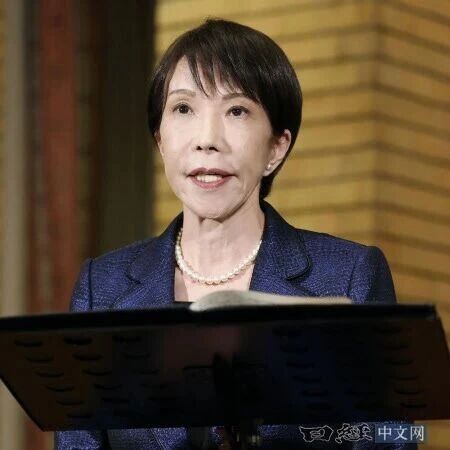
Core Viewpoint - Japan's Prime Minister, Sanna Takashi, announced measures to control gasoline prices at approximately 170 yen per liter (around 7.34 RMB) due to rising oil prices influenced by the situation in the Middle East [2][4]. Group 1: Price Control Measures - Starting from March 19, Japan will implement subsidies to ensure gasoline prices do not exceed 170 yen per liter [2][4]. - The Ministry of Economy, Trade and Industry will fully subsidize the portion of the retail price that exceeds 170 yen for oil products, including diesel, heavy oil, and kerosene [4]. Group 2: Economic Context and Implications - Prime Minister Takashi indicated that there is a possibility of gasoline prices rising above 200 yen per liter (approximately 8.64 RMB) [4]. - The government is closely monitoring the situation in the Middle East and the resulting oil price trends, with plans to adapt support measures if the situation persists [5]. Group 3: Strategic Actions - Japan plans to release its oil reserves ahead of any formal decision by the International Energy Agency (IEA), with the earliest release scheduled for March 16 [5]. - The country anticipates a significant reduction in crude oil imports due to the blockade of the Strait of Hormuz by Iran, which is expected to impact supply from late March [5].

上海石油化工股份(00338.HK):2月27日南向资金减持38.8万股
Sou Hu Cai Jing· 2026-02-27 19:24
Group 1 - Southbound funds reduced their holdings in Shanghai Petrochemical Company (00338.HK) by 388,000 shares on February 27 [1] - Over the past five trading days, there were four days of reductions by southbound funds, totaling a net reduction of 11.718 million shares [1] - In the last 20 trading days, there were 12 days of reductions, with a cumulative net reduction of 30.182 million shares [1] Group 2 - As of now, southbound funds hold 985 million shares of Shanghai Petrochemical Company, accounting for 30.63% of the company's total issued ordinary shares [1] - Shanghai Petrochemical Company primarily engages in petrochemical business through three segments: refining products, chemical products, and petrochemical product trading [1] - The refining products segment includes facilities for producing qualified gasoline, kerosene, diesel, heavy oil, and liquefied petroleum gas [1]

上海石油化工股份(00338.HK):2月26日南向资金减持680.2万股
Sou Hu Cai Jing· 2026-02-26 19:20
Group 1 - The core point of the article highlights that southbound funds have reduced their holdings in Shanghai Petrochemical Company (00338.HK) by 6.802 million shares on February 26, with a total net reduction of 9.19 million shares over the last five trading days and 33.406 million shares over the last twenty trading days [1] - As of now, southbound funds hold 985 million shares of Shanghai Petrochemical, accounting for 30.64% of the company's total issued ordinary shares [1] Group 2 - Shanghai Petrochemical Company primarily engages in petrochemical business through three segments: refining products, chemical products, and petrochemical product trading [1] - The refining products segment includes facilities for producing qualified refined gasoline, kerosene, diesel, heavy oil, and liquefied petroleum gas [1] - The chemical products segment mainly produces paraxylene, benzene, ethylene oxide, polyethylene resin, polypropylene resin, acrylic fiber, and carbon fiber [1] - The petrochemical product trading segment focuses on the import and export trade of petrochemical products [1] - The company also engages in leasing, providing services, and various other commercial activities, operating in both domestic and international markets [1]
上海石油化工股份(00338.HK):1月19日南向资金增持156万股
Sou Hu Cai Jing· 2026-01-19 20:21
Group 1 - The core point of the article highlights that southbound funds increased their holdings in Shanghai Petrochemical Company by 1.56 million shares on January 19, while experiencing a net reduction of 23.63 million shares over the past five trading days [1] - Over the last 20 trading days, southbound funds have reduced their holdings in the company for 17 days, resulting in a total net reduction of 45.74 million shares [1] - As of now, southbound funds hold 1.019 billion shares of Shanghai Petrochemical Company, accounting for 31.69% of the company's total issued ordinary shares [1] Group 2 - Shanghai Petrochemical Company, a subsidiary of Sinopec, primarily engages in the petrochemical business through three segments: refining products, chemical products, and petrochemical product trading [1] - The refining products segment includes facilities for producing qualified refined gasoline, kerosene, diesel, heavy oil, and liquefied petroleum gas [1] - The chemical products segment mainly produces paraxylene, benzene, ethylene oxide, polyethylene resin, polypropylene resin, acrylic fiber, and carbon fiber [1] - The petrochemical product trading segment focuses on the import and export trade of petrochemical products [1] - The company also engages in leasing, providing services, and various other commercial activities, operating in both domestic and international markets [1]
旗帜变更藏玄机?从伊朗到冰岛,贝拉1号如何引爆美俄能源暗战
Sou Hu Cai Jing· 2026-01-18 14:20
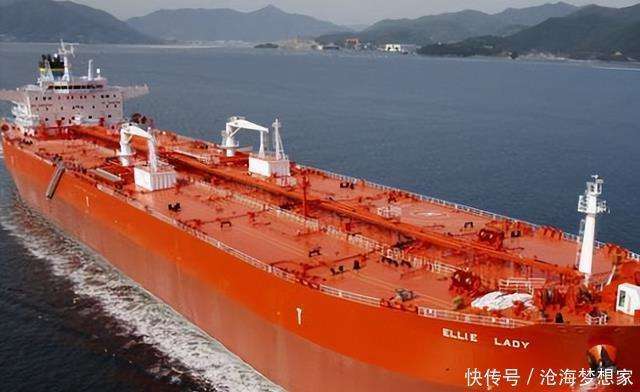
Core Viewpoint - The incident involving the Russian oil tanker "Bella 1" in the North Atlantic highlights the ongoing geopolitical tensions between the U.S. and Russia, particularly in the context of sanctions and maritime law [3][9][24]. Group 1: Incident Overview - On January 7, a U.S. Coast Guard helicopter approached the Russian oil tanker "Bella 1" for inspection, suspecting it was aiding Iran and Venezuela in evading sanctions [3][9]. - The tanker had a complex route, starting from Iran, moving to Venezuela, and then changing its flag to Russian, which raised suspicions among U.S. military forces [7][9]. - The U.S. military's inspection was met with no resistance from the crew, but Russia protested the action as a violation of sovereignty [9][20]. Group 2: Legal and Geopolitical Implications - The situation reflects a legal dispute over maritime jurisdiction, as the U.S. has not signed the United Nations Convention on the Law of the Sea, complicating the enforcement of maritime laws [11][24]. - Russia's strategy involves using a "shadow fleet" to transport oil for sanctioned countries like Iran and Venezuela, indicating a sophisticated approach to circumventing sanctions [13][20]. - The incident serves as a warning to European allies about the potential consequences of engaging with sanctioned nations, as the U.S. aims to maintain vigilance in the region [22][24]. Group 3: Energy Market Dynamics - Despite sanctions, Russia continues to export oil, with current exports estimated at 4.5 million barrels per day, down from 5 million barrels prior to sanctions, indicating resilience in its energy market [20][24]. - The collaboration between Iran, Venezuela, and Russia on an energy mutual assistance plan demonstrates the strategic alliances formed in response to U.S. sanctions [15][17]. - The ongoing maritime confrontations signify a broader struggle over energy resources, which remains a critical aspect of international relations and economic stability [26].
美国介入委内瑞拉,重油遇轻油,一场共赢合作还是资源陷阱?
Sou Hu Cai Jing· 2026-01-16 10:41
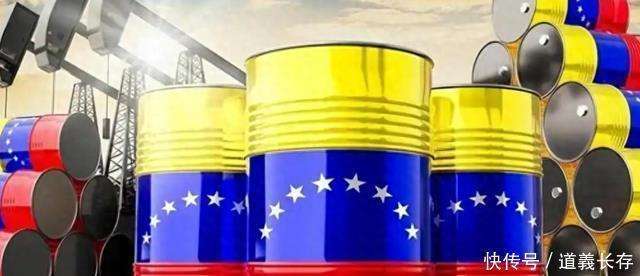
Core Viewpoint - The U.S. government's recent intervention in Venezuela's affairs, including the potential appointment of Secretary of State Rubio as the "governor" of Venezuela, raises questions about its true intentions, particularly regarding energy strategy and control over Venezuela's oil resources [1]. Group 1: Venezuela's Oil Reserves - Venezuela holds approximately 303 billion barrels of heavy oil, accounting for 18% of the world's reserves, which presents a significant opportunity for the global oil market if utilized [3]. - The refining of heavy oil is challenging due to its high viscosity and sulfur content, making it less desirable compared to U.S. shale oil, which is lighter and easier to process [3]. Group 2: U.S. Oil Strategy - U.S. refineries typically use a mixing ratio of 3:7 of light to heavy oil, which can reduce refining costs by 20%, indicating a strong demand for this blended oil in international markets [5]. - The U.S. proposal to ease sanctions on Venezuela in exchange for light oil and a non-interference promise in its political structure appears beneficial for Venezuela, which is facing economic difficulties [5][6]. Group 3: Geopolitical Implications - The U.S. aims to control Venezuela's oil resources to strengthen its energy dominance and suppress Russia's oil revenue, which is crucial for the Russian economy, contributing about 30% to its GDP [10]. - By potentially increasing global oil supply by 1.5 million barrels per day through Venezuelan oil, the U.S. could maintain lower oil prices, reminiscent of past strategies that weakened Russia's economy [10]. Group 4: Impact on Renewable Energy - The U.S. strategy may also delay global investment in renewable energy, as maintaining low oil prices could extend reliance on fossil fuels, providing a buffer period for U.S. companies to enhance their renewable technology [12]. - The International Energy Agency predicts that prolonged low oil prices could reduce global renewable investments by 12% and slow the growth of solar and wind energy installations by 15% [14]. Group 5: Dollar Dominance - Controlling Venezuela's vast oil reserves would further solidify the U.S. dollar's position in global energy trade, as 80% of oil transactions are currently conducted in dollars [14]. - The U.S. maintains over 750 military bases worldwide, with strategic locations near Venezuela, reinforcing its influence over oil transactions and deterring alternative currency settlements in the region [16]. Group 6: Conclusion - The U.S. strategy in Venezuela, framed as technical cooperation, is fundamentally about securing control over oil resources to enhance its global energy hegemony, suppress Russian oil revenues, and fortify the dollar's dominance in energy markets [16].
明抢5000万桶石油后,特朗普转头才发现,中国连一桶都不肯买了
Sou Hu Cai Jing· 2026-01-14 11:19
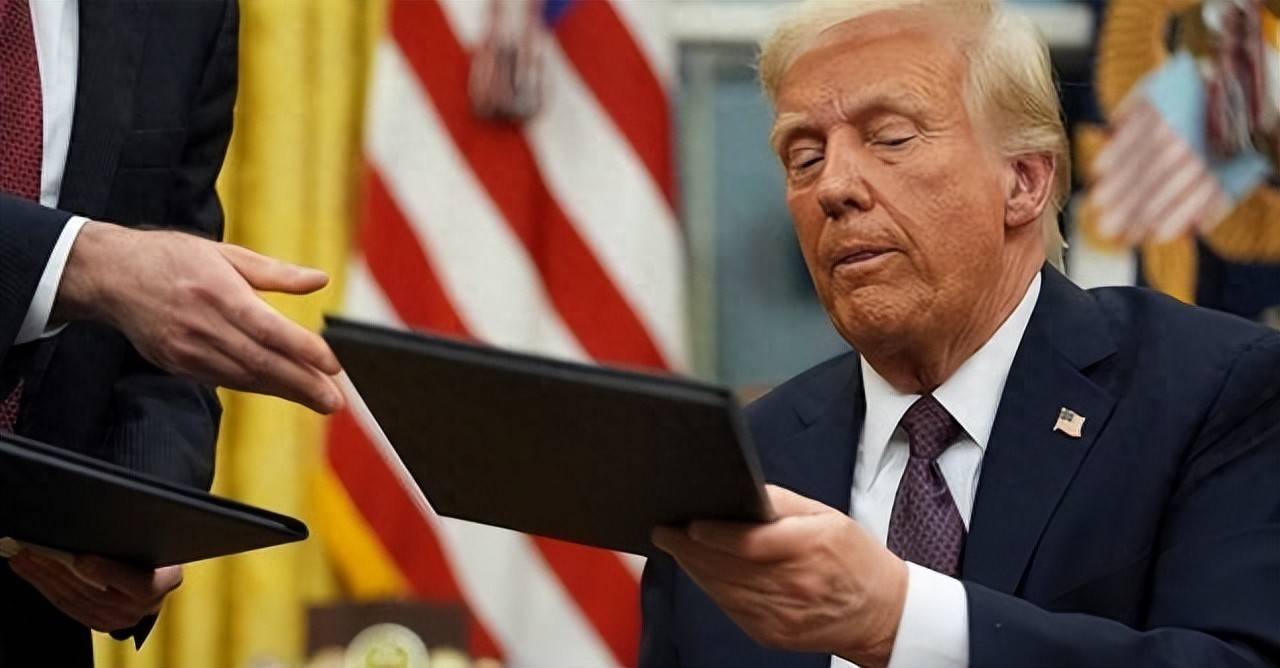
Group 1 - The U.S. has a long history of intervening in Venezuela's oil resources, particularly through sanctions aimed at undermining the Maduro government's economic foundation [2] - The Trump administration's strategy included inviting potential buyers to purchase seized oil resources, but faced market resistance [4] - Venezuela's oil production is low, accounting for only 1% of global output, which limits its market influence [18] Group 2 - The oil supply landscape is expected to change by 2025, with Saudi Arabia, Russia, and Iran dominating China's imports, while Venezuela's share declines [6] - China's energy procurement strategy has evolved to emphasize risk assessment and diversification, reflecting the complexities of global energy trade [4][14] - The U.S. Navy's deployment in the Caribbean has increased logistical difficulties, further complicating Venezuela's oil exports [9] Group 3 - Trump's shift from economic sanctions to direct asset control aimed to accelerate resource monetization but has sparked international controversy [14] - The response from oil companies like ExxonMobil highlights concerns over legal and political risks, which have historically led to uncertain investment returns [12] - Venezuela's oil industry requires significant investment to restore production capacity due to aging infrastructure [11] Group 4 - The global oil market is showing signs of tightening supply by early 2026, but China's inventory system provides a buffer [24] - The lessons from Trump's resource control attempts indicate that buyer autonomy cannot be overlooked in investment strategies [29] - The future of energy trade is leaning towards diversification, with the U.S. intervention in Venezuela having short-term resource gains but long-term implications for global dynamics [31]
美国强抢后,“中企已转向加拿大”
Guan Cha Zhe Wang· 2026-01-09 04:34
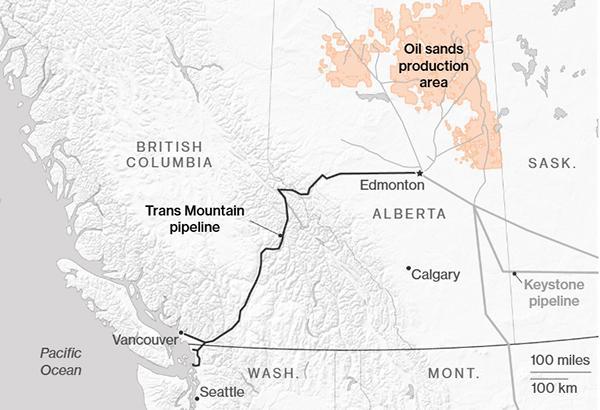
Core Viewpoint - The U.S. intervention in Venezuela's oil sector is perceived as a strategy to weaken China's influence, prompting Chinese refineries to seek alternative oil sources, particularly from Canada [1][6]. Group 1: U.S. Actions and Implications - The U.S. has reportedly demanded Venezuela to reduce ties with China, Russia, Iran, and Cuba, insisting on exclusive cooperation in oil production with the U.S. [1] - Following the U.S. actions, Chinese inquiries for Canadian crude oil have significantly increased, indicating a shift in sourcing strategies among Chinese companies [1][6]. Group 2: Canadian Oil Market Dynamics - Canada is the fourth-largest oil producer globally, with Alberta's heavy oil being similar in nature to Venezuelan crude, making it a potential substitute [2][4]. - The expansion of the Trans Mountain Pipeline (TMX) in May 2024 will enhance Canada's ability to export oil to the Pacific coast, increasing the volume of crude oil shipped to China [2][4]. - Approximately 64% of the oil transported through the TMX pipeline is directed towards China, highlighting China's growing role as a key customer for Canadian oil [2]. Group 3: Economic and Trade Relations - Canadian Prime Minister's upcoming visit to China aims to discuss trade and energy, reflecting Canada's intent to diversify its export markets beyond the U.S., which currently accounts for 70% of its trade [5]. - The Canadian government is concerned about U.S. intentions regarding Venezuela's oil reserves, as both Venezuela and Alberta produce heavy crude oil [5][6]. Group 4: Price and Supply Considerations - The price of Canadian heavy oil has dropped due to the turmoil in Venezuela, creating a significant discount in the North American market [5]. - The price difference between Canadian and Venezuelan crude is currently about $8 to $9 per barrel, which may affect the purchasing decisions of refineries [7]. - The logistical advantage of Canadian oil, with a shipping time of 17 days to China compared to 57 days from Venezuela, enhances its attractiveness as an alternative source [7].
开采成本高,冶炼难度大!为什么美国要抢委内瑞拉的垃圾油?
Sou Hu Cai Jing· 2026-01-07 13:06
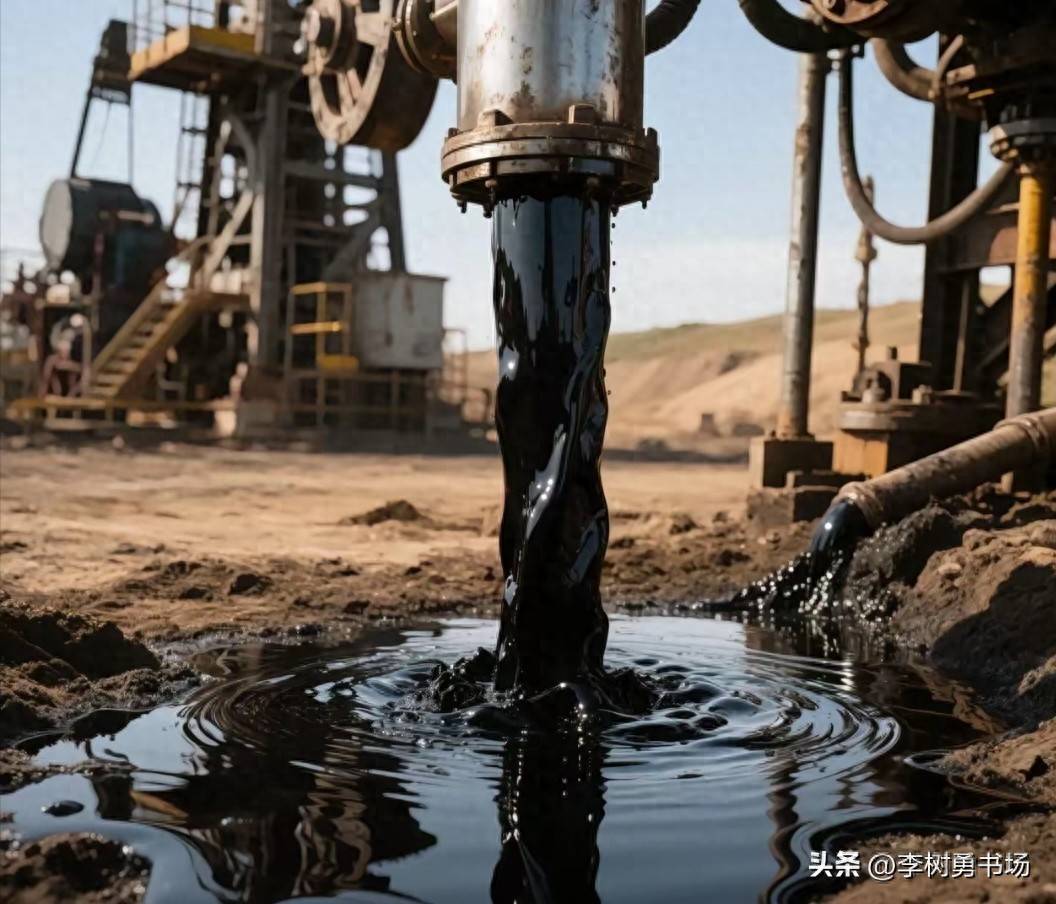
Core Insights - Venezuela's oil is often referred to as "junk oil" due to its extraction difficulties and high refining costs [1][3] Group 1: Characteristics of Venezuelan Oil - Venezuelan oil is primarily heavy and extra-heavy crude, which is more challenging to extract compared to light crude oil found in the Middle East [1][3] - The extraction process for Venezuelan heavy oil requires significant technological investment, with costs exceeding $20 per barrel, and total costs from extraction to refining can exceed $40 to $50 per barrel [3] Group 2: Demand for Venezuelan Oil - Despite its classification as junk oil, heavy oil can produce a wide range of chemical products, making it valuable for industrial applications [5] - The U.S. lacks sufficient heavy oil and relies on imports to support its heavy industry, creating a demand for Venezuelan oil [7] - China also imports Venezuelan heavy oil due to its own reliance on heavy crude and the need for chemical feedstocks, highlighting the oil's industrial value [7] Group 3: Strategic Interests - The U.S. aims to control Venezuelan oil to revitalize its manufacturing sector and enhance control over critical minerals, contrasting with China's investment-driven approach [7]
今年首次油价调整“搁浅”
证券时报· 2026-01-06 11:47
Core Viewpoint - The article discusses the recent suspension of domestic refined oil price adjustments in China due to insufficient changes in international oil prices, highlighting the impact of geopolitical tensions and market dynamics on oil supply and pricing [1][2]. Group 1: Oil Price Adjustment - The first adjustment window for domestic refined oil prices in 2026 was on January 6, but no changes were made as the price change per ton was less than 50 yuan compared to the previous period [1]. - The National Development and Reform Commission announced that the unadjusted amount will be carried over to the next price adjustment [1]. Group 2: Geopolitical Factors - Recent military actions by the U.S. against Venezuela have heightened geopolitical tensions, which may affect oil supply and investor sentiment despite Venezuela's small share in global oil production [1][2]. - Venezuela accounts for approximately 1% of global oil production and is a significant producer of heavy sour crude, which is in high demand for refining [2]. Group 3: OPEC+ Production Decisions - OPEC+ has decided to maintain its production plan established in November 2025, with no increase in output planned for February and March 2026, aiming to stabilize the oil market [2][3]. - From April to December 2025, OPEC+ members increased their production targets by about 2.9 million barrels per day, which is nearly 3% of global oil demand [3]. Group 4: Market Outlook - Analysts suggest that the global oil demand growth is insufficient, and with the expansion of U.S. shale oil production, there is a risk of oversupply, leading to potential downward pressure on oil prices [3]. - The next price adjustment window is set for January 20, with expectations of a possible increase in refined oil prices due to improved local demand and ongoing geopolitical uncertainties [3].