
苏南模式

Search documents
一座城的改革基因:从“一包三改”到创新大生态
Xin Lang Cai Jing· 2026-02-11 12:33
Core Insights - The article discusses the historical significance and ongoing evolution of China's economic reforms, particularly focusing on the "One Package, Three Reforms" initiative that originated in Wuxi, Jiangsu Province, which has played a crucial role in the modernization of China's rural economy and industrialization [2][3][7]. Group 1: Historical Context and Reforms - The "One Package, Three Reforms" initiative was introduced in 1983 in Wuxi, which included implementing an economic responsibility system in enterprises, changing the appointment system for cadres to a selection system, transitioning from fixed to floating wage systems, and establishing contracts for workers [7][8]. - The reforms led to a significant increase in agricultural and industrial output, with a reported 74% year-on-year growth in total agricultural and industrial output in 1983 [8]. - The initiative served as a model for extending rural reforms to urban areas, contributing to the rise of the "Southern Jiangsu Model" and the emergence of township enterprises across China [8][10]. Group 2: Industrial Evolution - Wuxi's township enterprises have transformed from small workshops into leading companies in innovative and technology-intensive sectors, such as new energy and aerospace [12][16]. - Companies like Tianqi Co., which started as a small mold factory, have evolved into leaders in automotive intelligent equipment, while others like Shangen Electric have made significant advancements in photovoltaic inverter technology [12][16]. - The region has developed a robust industrial cluster worth over 260 billion, focusing on emerging industries like electronic information, new energy, and biomedicine, alongside traditional sectors [17][19]. Group 3: Innovation and Research Collaboration - The establishment of research institutes, such as the Huazhong University of Science and Technology Wuxi Research Institute, has facilitated collaboration between academia and industry, addressing technological needs and fostering innovation [26][28]. - The region has seen the emergence of numerous high-tech enterprises, with over 1,100 high-tech companies now operating in Wuxi, supported by a network of specialized research institutions [23][28]. - The local government has implemented a "one town, one institute, one industry" model to enhance research and development capabilities, leading to significant advancements in various technological fields [28][30]. Group 4: Future Development and Urban Transformation - Wuxi is undergoing a transformation into a hub for high-end elements, innovation, and quality living, with significant infrastructure projects enhancing connectivity and urban functionality [32][34]. - The region is focusing on creating a balanced ecosystem that integrates economic development with social management, ensuring a coordinated approach to growth and resource allocation [30][31]. - The ongoing reforms aim to position Wuxi as a leading area for innovation and entrepreneurship, with a vision for sustainable and inclusive development [31][36].

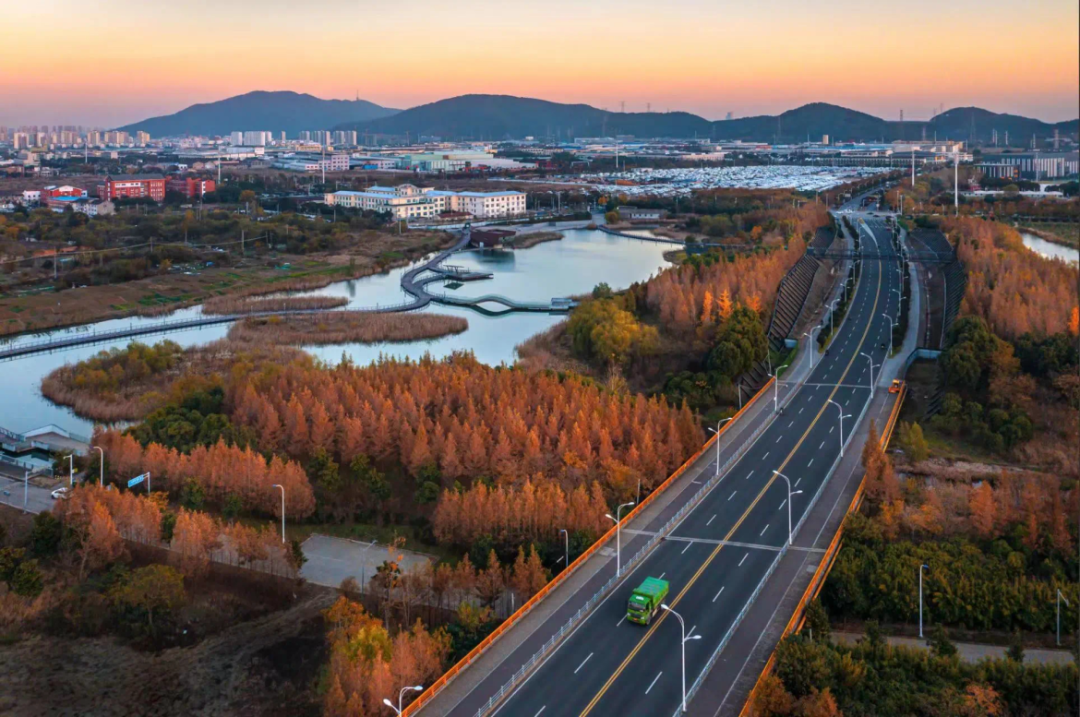
江村学院,告诉你一个“新苏南”
Xin Lang Cai Jing· 2025-12-21 22:46
Core Insights - Jiang Village Academy, established in the historical context of Kaixian Gong Village, aims to explore rural revitalization and urban-rural integration through practical training and research [1][2][3] Group 1: Academy Development - Jiang Village Academy has conducted 28 training sessions with over 3,142 participants in just two months since its opening [1][4] - The academy features a "1+8+N" curriculum structure, focusing on sociology, rural revitalization, and other relevant topics, with a total building area of 13,000 square meters [3][4] - The academy has attracted various participants, including government officials, scholars, and students, indicating its broad appeal and relevance [4][5] Group 2: Economic Transformation - Kaixian Gong Village has undergone significant economic transformation, moving from a "weak economic village" to a "provincial-level characteristic rural village" with projected tourism revenue exceeding 100 million yuan by 2024 [3][5] - The village's collective income has increased significantly, with average collective income per village now exceeding 6 million yuan, driven by the development of secondary and tertiary industries [6][7] - The local government has invested 200 million yuan in pollution control and rural beautification, which has facilitated this transformation [3][6] Group 3: Urban-Rural Integration - The integration of urban and rural areas is emphasized, with urban development providing the necessary support for rural revitalization [6][7] - The "1020" plan aims to allocate industrial land to rural areas, enhancing their economic capacity and generating additional income through industrial leasing [6][7] - The academy serves as a platform for dialogue between urban and rural stakeholders, fostering mutual understanding and collaboration [7][8] Group 4: Social and Cultural Impact - The academy's activities are designed to address contemporary issues in rural development, with a focus on understanding the socio-economic dynamics of rural communities [8][11] - Participants have expressed a desire to learn from the village's transformation, highlighting the importance of integrating traditional knowledge with modern practices [8][11] - The academy aims to contribute to the broader narrative of rural revitalization in China, positioning itself as a thought leader in this field [11]
长三角“黄金中轴”,终于要连起来了?
Mei Ri Jing Ji Xin Wen· 2025-09-18 15:13
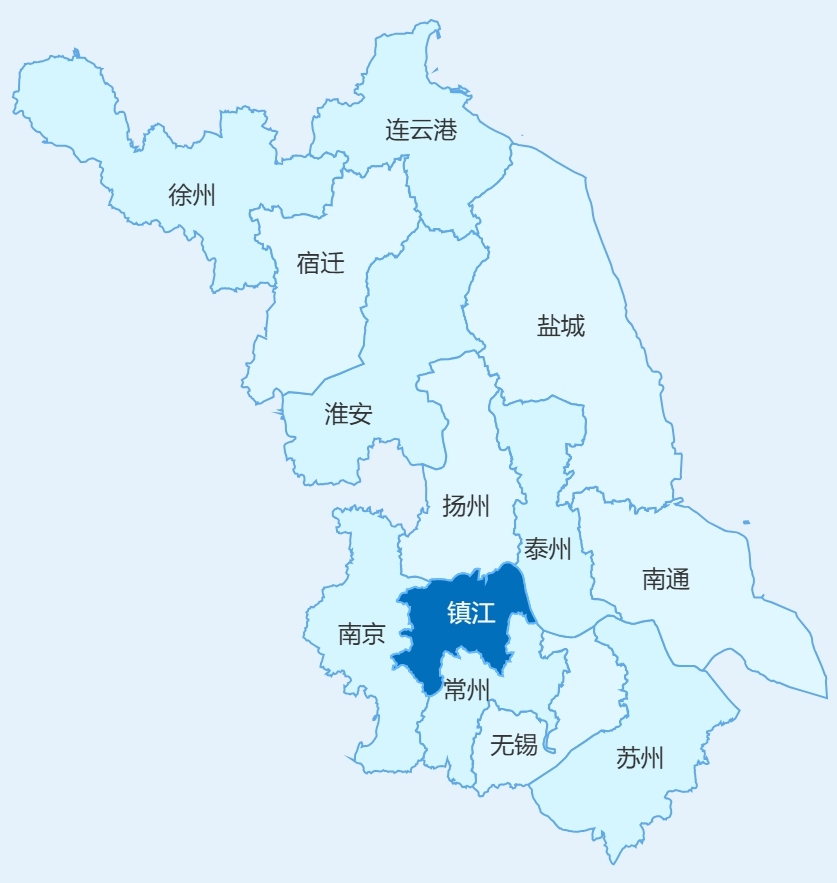
Core Viewpoint - The State Council has approved a pilot implementation plan for the market-oriented allocation of factors in several regions, with key cities in Southern Jiangsu, including Nanjing and Zhenjiang, being designated as trial areas, indicating an expansion of the "Southern Jiangsu model" [1][2][3] Group 1: Definition and Historical Context - The concept of "Southern Jiangsu" originated from the 1983 work of Fei Xiaotong, which referred to the "Southern Jiangsu model" established in the 1980s [2] - The official definition of "Southern Jiangsu" has evolved, with Nanjing and Zhenjiang being incorporated into the Southern Jiangsu category in 2001, reflecting a shift in regional economic development [2][3] Group 2: Economic Performance and Structure - The five cities of Southern Jiangsu (Nanjing, Suzhou, Wuxi, Changzhou, and Zhenjiang) are interconnected through cultural and economic ties, with all but Zhenjiang being members of the "trillion GDP club" [6][9] - Zhenjiang's GDP for 2024 is projected at 554 billion, lagging behind the other four cities, which are all among the top ten in per capita GDP in the country [6][7] Group 3: Transportation and Infrastructure - Transportation connectivity is crucial for facilitating factor flow, with significant infrastructure developments like the Shanghai-Nanjing Expressway and the recent opening of the Shanghai-Nanjing High-speed Railway enhancing intercity connections [10][11] - The "linear agglomeration" model is emerging, where cities along transportation corridors can optimize resource allocation and enhance economic collaboration [19] Group 4: Regional Cooperation and Innovation - The Southern Jiangsu region is seen as a model for regional cooperation, with a focus on collaborative industrial development and innovation, particularly in high-tech sectors [17][19] - The establishment of the Southern Jiangsu National Independent Innovation Demonstration Zone aims to create a hub for advanced manufacturing and technology integration [17][19]
《百年苏州红色印记》首发 收录70余篇文章 40余万字
Su Zhou Ri Bao· 2025-09-06 00:18
Group 1 - The book "Centenary of Suzhou Red Marks" was published to provide historical references for local party members and officials in advancing Chinese-style modernization in Suzhou [1][2] - The establishment of the first effective Communist Party organization in Suzhou, the Suzhou Independent Branch, marked the beginning of the integration of the Communist Party's red genes into the region [1] - Suzhou has made significant contributions to the Chinese revolution through various historical phases, including the Great Revolution, land reform, and the establishment of anti-Japanese bases [2] Group 2 - Suzhou has developed a unique reform and development path, creating the "Southern Jiangsu Model" for township enterprises and forming three key experiences known as Zhangjiagang Spirit, Kunshan Road, and Park Experience [2] - Since the 18th National Congress of the Communist Party, Suzhou has deepened reform and opening up, emphasizing innovation and high-quality development, achieving a high-level comprehensive well-off society [2] - The publication aims to inspire local party members to uphold the great banner of socialism with Chinese characteristics and to strive for a brighter future for Suzhou [2]
没有巨头的江南“小城”,靠什么人均GDP四超上海?
3 6 Ke· 2025-07-01 04:33
Core Viewpoint - Wuxi has successfully transformed its industrial landscape by shutting down thousands of polluting enterprises and focusing on high-value industries, particularly integrated circuits, positioning itself as a key player in the Yangtze River Delta region and surpassing Shanghai in per capita GDP for four consecutive years [1][5][7]. Group 1: Industrial Transformation - Wuxi's per capita GDP reached 216,900 RMB in 2024, ranking second nationally and surpassing Shanghai for the fourth consecutive year [7]. - The city has become a core node for high-value industries, particularly integrated circuits, with an output value of 240 billion RMB in 2023, ranking second among Chinese cities [5][19]. - Wuxi's industrial land output efficiency is approximately 300 billion RMB per square kilometer, significantly higher than that of Suzhou and Hangzhou [20]. Group 2: Strategic Positioning - Wuxi's industrial strategy aligns with national priorities, focusing on integrated circuits and supercomputing, which has allowed it to embed itself into the national industrial framework [19][40]. - The city has successfully transitioned from a traditional industrial base to a new type of industrial powerhouse, leveraging its historical strengths and adapting to ecological constraints [7][47]. Group 3: Key Industries and Companies - Wuxi hosts leading companies in various sectors, including: - Huahong Semiconductor, the largest power device foundry globally [6]. - SK Hynix, the largest DRAM production base worldwide [6]. - WuXi Biologics, among the top three global CDMO capacities in biopharmaceuticals [6]. - The integrated circuit industry in Wuxi is characterized by a balanced structure with local enterprises dominating, enhancing resilience against external risks [22]. Group 4: Historical Context and Development Model - Wuxi's industrial evolution is rooted in the "Su Nan Model," which emphasizes local government support and collective economic initiatives [23][27]. - The city has a historical foundation in manufacturing, with early developments in township enterprises that laid the groundwork for its current industrial landscape [27][30]. Group 5: Challenges and Future Outlook - Despite its successes, Wuxi faces potential risks related to over-diversification and the need for stronger focus in key industries to maintain competitive advantages [41][45]. - The city must balance its diverse industrial base while fostering leading enterprises that can penetrate technological barriers and attract top talent [46].

中国「最牛」县城
投资界· 2025-03-03 02:46
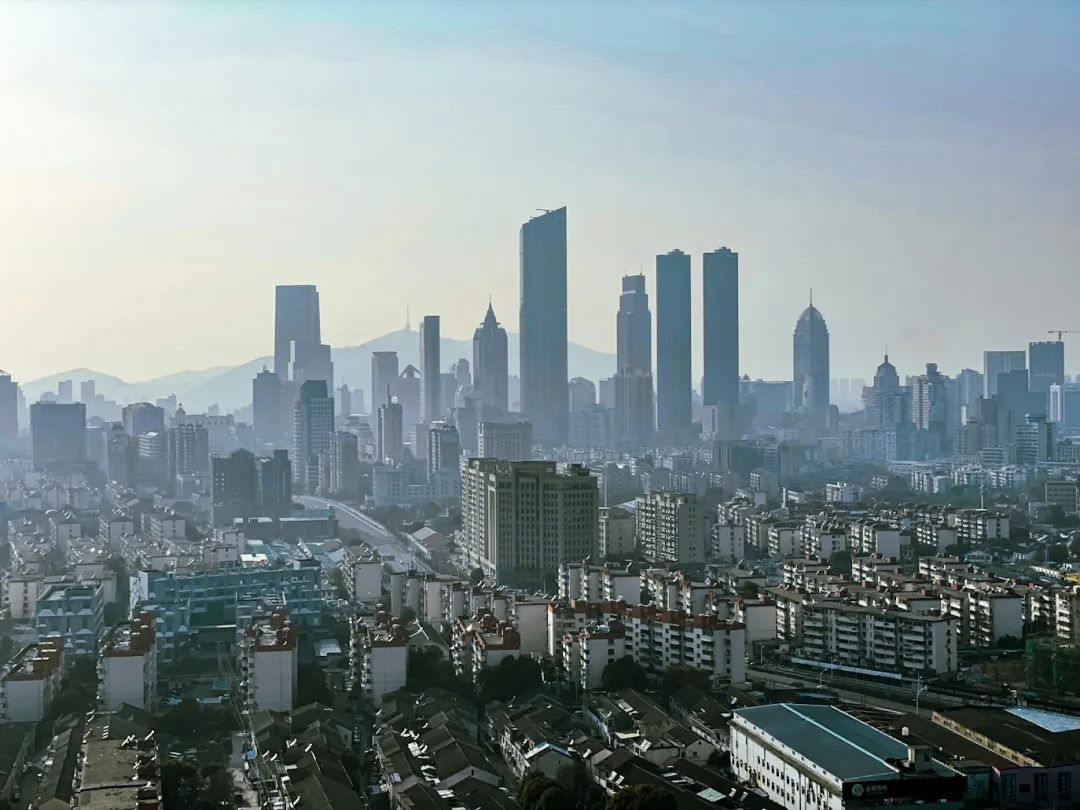
以下文章来源于正和岛 ,作者微澜 正和岛 . 正和岛,基于信任链接的企业家供需适配平台。 跑出62家上市公司。 作者 | 微澜 来源 | 正和岛 (ID:zhenghedao) 前段时间,在全国各地县市纷纷晒出2024年的经济"成绩单"后,一座低调的江苏小城 ——江阴又一次出现在大众视野。 5126.13亿! 继昆山之后,江苏迎来了第二座5000亿县级市,同时江阴也成为了全国唯二GDP超过 5000亿元的县级市。 提到江阴,可能大多数人都知道它实力强悍,年年稳居国内千亿县前二,被外界称为县 域经济的"模范生",但江阴具体有多强,可能很多人就不清楚了。 为什么是江阴? 一个直观的数据是,江阴面积仅987平方公里,常住人口约为174万人,但是江阴工业 总产值超7500亿元,在全国县域经济基本竞争力和综合发展中实现"二十二连冠",打造 了4个超千亿、3个超500亿和5个超百亿级的产业集群,拥有完整的产业体系。 可以说,江阴以约占全国万分之一的土地、千分之一的人口,创造了全国1/250的国内 生产总值。 也因此,江阴被冠以"中国制造业第一县"和"中国资本第一县"。 但殊不知,最早的江阴只是一座不起眼的小县城,其发展更 ...