
衍生品工具

Search documents
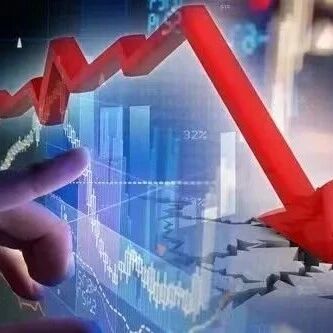
金银闪崩引发13个期货品种跌停 交易所密集出手应对极端行情
Xin Lang Cai Jing· 2026-02-02 23:13
Core Viewpoint - The recent sharp decline in international precious metals has led to a rare significant drop in the domestic commodity market, with multiple futures contracts hitting their daily limit down, indicating a widespread panic in the market [1][8]. Group 1: Market Reaction - On February 2, the domestic futures market opened significantly lower, with panic spreading across various sectors from precious metals to non-ferrous metals and energy chemicals, resulting in 13 futures contracts, including silver, platinum, palladium, copper, aluminum, nickel, and lithium carbonate, hitting their daily limit down [1][2][8]. - The international precious metals market experienced a severe downturn, with gold prices dropping by as much as 12% in a single day, marking the largest daily decline in nearly 40 years, while silver saw a historic drop of 36%, the largest since 1983 [2][9]. Group 2: Causes of Decline - Analysts suggest that the recent commodity crash is not solely due to fundamental factors but is also a result of excessive prior price increases, concentrated leverage, and extremely fragile trading structures, which were exacerbated by panic selling triggered by sudden news [1][3][10]. - The rapid price increase in January saw gold prices rise from approximately $4,300 to $5,600, a 28% increase, while silver surged from around $70 to over $120, a 70% increase, leading to a highly speculative market environment [10][12]. Group 3: Market Dynamics - The volatility in precious metals has been amplified by high leverage and derivative instruments, which have played a role in both the upward and downward movements of prices [12][15]. - The market's extreme reaction is attributed to a crowded long position, where a sudden negative news event triggered a feedback loop of selling, leading to a cascading effect of price declines [10][12]. Group 4: Regulatory Response - In response to the extreme market conditions, exchanges have implemented risk control measures, including increasing margin requirements and adjusting trading limits for silver and other precious metals [14][15]. - The Shanghai Gold Exchange announced dynamic adjustments to margin levels and trading limits for silver contracts, while the CME raised margin requirements for gold and silver futures [14]. Group 5: Implications for Investors - The recent volatility serves as a warning for capital markets, highlighting the risks associated with excessive speculation and leverage in asset pricing [15][16]. - Industry experts emphasize the need for investors to focus on risk management and liquidity constraints in the face of heightened volatility, as the market seeks to find a new equilibrium after the dramatic price swings [15][16].


黑色星期一!罕见一幕,集体跌停!黄金、白银背后,谁在砸盘?
券商中国· 2026-02-02 09:32
Core Viewpoint - The article discusses the significant decline in the domestic commodity market, triggered by a sharp drop in international precious metals, leading to a rare market crash referred to as "Black Monday" [1][2]. Group 1: Market Performance - On February 2, the domestic futures market opened significantly lower, with panic spreading across various sectors, resulting in 13 commodities, including silver, platinum, palladium, copper, aluminum, and oil, hitting their daily limit down [2][4]. - The international precious metals market experienced extreme volatility, with gold prices dropping by as much as 12% in a single day, marking the largest daily decline in nearly 40 years, while silver saw a maximum drop of 36%, the largest since 1983 [3][4]. Group 2: Causes of the Decline - The recent crash is attributed to multiple factors, including excessive prior gains, concentrated leverage, and a fragile trading structure, which led to a rapid release of pressure when negative news emerged [2][5]. - Analysts noted that the extreme volatility in precious metals prices exceeded what could be explained by fundamental factors, indicating that emotional factors became the dominant force in the market [4][5]. Group 3: Market Dynamics - In January, precious metals saw significant price increases, with gold rising from approximately $4,300 to $5,600 per ounce (28% increase), and silver surging from around $70 to over $120 (nearly 70% increase) [5]. - The rapid rise in precious metals prices led to a spillover effect into base metals and related industries, with mining and resource stocks frequently hitting their upper limits in the capital market [5][6]. Group 4: Trading Mechanisms and Responses - The article highlights the role of high-leverage funds and derivative instruments in amplifying both upward and downward market movements, with a significant concentration of leveraged positions contributing to the market's fragility [5][6]. - Exchanges quickly implemented risk control measures in response to the extreme market conditions, including adjustments to margin levels and trading limits for various contracts [7]. Group 5: Market Outlook - Industry experts emphasize that the recent volatility serves as a warning for capital markets, suggesting that excessive narrative-driven speculation can lead to systemic risks [8]. - The article concludes that while the recent turmoil does not signify the end of long-term trends, the market must undergo a process of deleveraging and normalization in the short term [8][9].
东证期货连续六年荣获“IAMAC推介”三项殊荣
Sou Hu Cai Jing· 2025-10-20 06:14
Core Insights - Dongzheng Futures has been recommended by IAMAC for six consecutive years, highlighting its strong institutional service capabilities and recognition from insurance institutions [1][2] - The recommendation covers three areas: comprehensive futures companies, stock index futures business, and government bond futures business, showcasing Dongzheng Futures' deep engagement and innovation in these sectors [1] Industry Trends - The utilization of insurance funds is increasingly diversifying, market-oriented, and internationalized, making derivative tools crucial for risk management, asset allocation, and yield enhancement [2] - Insurance institutions are expected to evolve their use of derivatives from basic hedging to more complex portfolio management and multi-strategy collaboration, leading to a sustained demand for specialized and customized services [2] - Financial technology, intelligent risk control, and compliance system development are emerging as new focal points for industry collaboration [2] Company Strategy - The recognition from IAMAC serves as both validation of past efforts and motivation for future development, prompting the company to enhance its professional skills and service levels [2] - Dongzheng Futures aims to provide specialized and customized services to the insurance asset management industry while strengthening collaboration and communication with IAMAC to promote high-quality joint development between the insurance asset management and derivatives industries [2]

郑商所:有序推动钢坯、水泥、鸡肉等品种研发,适时扩大QFI可交易品种范围
Sou Hu Cai Jing· 2025-08-20 03:09
Core Viewpoint - The Zhengzhou Commodity Exchange (ZCE) is committed to advancing the research and registration of sunflower seed oil futures, while also promoting the development of futures for steel billets, cement, and chicken, and exploring the introduction of more short-term options [1] Group 1 - The ZCE plans to enhance its derivative tools by leveraging its strengths in energy and salt chemical sectors, focusing on the entire industrial chain to meet the needs of the real economy [1] - The exchange will implement tailored strategies for individual products and enterprises to optimize existing contracts and business rules, thereby increasing participation from industrial clients [1] - Initiatives such as "insurance + futures" and "sugar industry worry-free" projects will be advanced, along with improvements to the "commercial storage worry-free" business model [1] Group 2 - The ZCE aims to deepen the development of international products, including the implementation of bonded delivery for PTA, and plans to expand the range of tradable products under QFI [1] - The exchange seeks to achieve overall openness of the polyester futures sector and explore new cross-border cooperation opportunities, steadily promoting collaboration with overseas futures exchanges [1]
有色协会、上期所与金川集团举办期货业务专场培训
Zheng Quan Shi Bao Wang· 2025-08-19 11:39
Group 1 - The event was a specialized training on futures business organized by the China Nonferrous Metals Industry Association, Shanghai Futures Exchange, and Jinchuan Group [1] - Experts from various organizations discussed trends in copper and nickel-cobalt industry policies, price analysis, and market conditions [1] - The training included topics on how state-owned enterprises can utilize options and derivatives for stable operations, internal control and compliance for central enterprises, and disclosure rules for listed companies participating in futures trading [1]
