财政金融促内需

Search documents
北京银行关于落实财政金融促内需一揽子政策工作的公告
Xin Lang Cai Jing· 2026-02-04 10:01
Core Viewpoint - The company is actively implementing policies to support consumer loans, credit card installment plans, and financing for small and micro enterprises, in line with government directives to boost consumption and reduce financing costs [1][2][3] Group 1: Policy Implementation - The company is advancing the implementation of personal consumption loans, credit card installment plans, loans for service industry entities, small and micro enterprises, and equipment upgrade loans [1][2] - The implementation is based on several government notifications aimed at optimizing fiscal subsidy policies for personal consumption and business loans [1][2] Group 2: Operational Guidelines - The company will adhere to market-oriented and legal principles, optimizing business processes and simplifying procedures to expedite policy rollout [1][2] - Specific channels and operational guidelines for these policies will be published through the company's official website, WeChat account, and local branches [1][2] Group 3: Customer Advisory - The company will not charge any service fees for the aforementioned loans and has not partnered with any loan intermediaries or individuals [3] - Customers are advised to remain vigilant against potential scams [3]

财政金融促内需新政对债市有何影响
GUOTAI HAITONG SECURITIES· 2026-01-21 15:24
1. Report Industry Investment Rating - Not mentioned in the provided content 2. Core Viewpoints of the Report - The signal significance of the new fiscal and financial policies to boost domestic demand in bridging the gap between macro and micro economic situations is greater than the short - term effects [1][11] - In the first quarter, the bond market focuses more on expectations than reality in fundamental trading. The "five - pronged" fiscal policies confirm the idea of a steady and intensified policy, reducing the probability of a significant increase in growth policies, especially fiscal policies, in the first year of the "15th Five - Year Plan". The next observation point for 2026's growth policy is the National People's Congress in early March [12] 3. Summary by Relevant Catalogs 3.1 New Fiscal and Financial Policies to Boost Domestic Demand - On January 20, the Ministry of Finance and other departments issued a package of fiscal and financial policies to boost domestic demand, including two new and three optimized policies. The new policies for private investment are the private investment special guarantee plan and the small - and - medium - sized enterprise loan discount policy. The optimized policies are the personal consumption loan, service industry business entity loan, and equipment renewal loan fiscal discount policies [6][7] - The policy ideas of fiscal discount and special guarantee plans are "precision drip irrigation" for broad credit. Fiscal discount policies have been expanding since June 2024, and the special guarantee plan's scope has been extended from the science and innovation field in July 2024 to the entire private investment field [8] 3.2 Policy Effects - The signal significance of these policies in bridging the gap between macro and micro economic situations is greater than the short - term effects. The focus is on micro - level support, but the overall scale of fiscal discount policies is limited. In 2025, the fiscal discount fund scale was about tens of billions, with a 165 - billion - yuan discount scale in the first three quarters of 2025 for science and technology innovation and technological transformation loans [11] 3.3 Impact on the Bond Market - In the first quarter, the bond market pays more attention to expectations than reality due to seasonal disturbances. The new policies confirm the steady and intensified policy idea and lower the probability of a significant increase in growth policies, ending the initial pricing of growth policy expectations in 2026. The next key observation point is the National People's Congress in early March [12]
财政金融促内需六项新政,谁获益?
Sou Hu Cai Jing· 2026-01-21 07:14
Core Viewpoint - The Chinese government is implementing a series of fiscal and financial policies aimed at boosting domestic demand, with a focus on increasing fiscal spending, supporting consumption, and enhancing residents' income through various channels [2][3][10]. Fiscal Policy Overview - In 2026, the fiscal deficit, total debt, and overall spending will be maintained at necessary levels, ensuring that overall spending increases and key areas are strongly supported [2][3]. - The deficit rate for 2025 is set at around 4%, with new government debt issuance expected to reach 11.86 trillion yuan, significantly higher than previous years [2]. Key Policies - The fiscal and financial package includes six policies, four of which focus on stimulating private investment, while the other two aim to promote consumption [5][10]. - Specific measures include loan interest subsidies for small and micro enterprises, personal consumption loans, equipment upgrade loans, and guarantees for private investment [5][7][8]. Support for Private Investment - A new special guarantee plan for private investment has been introduced, increasing the credit guarantee limit and risk-sharing ratio to encourage banks to lend more [6][10]. - The maximum guarantee amount for individual enterprises has been raised to 20 million yuan, with the government covering up to 40% of the risk [6]. Consumption Support Measures - Personal consumption loans will now benefit from a 1% interest subsidy, with the maximum subsidy amount per transaction increased from 500 yuan to 3,000 yuan [9]. - The scope of eligible consumption areas has expanded to include digital, green, and retail sectors, alongside existing categories [9]. Focus on Technology and Innovation - The government will prioritize support for technological self-reliance and innovation, with a 10% increase in central government spending on technology in 2025 [11]. - Policies will include tax incentives and financial support for technology innovation and integration with industry [11]. Regulatory Adjustments - Starting April 1, 2026, export tax rebates for certain products will be canceled to promote efficient resource use and reduce environmental impact [12]. - The government is committed to standardizing fiscal subsidies and addressing any irregularities in local subsidy practices [12][13]. Tax and Fiscal Reforms - Ongoing reforms will clarify fiscal responsibilities between central and local governments, particularly in public services [13]. - The tax system will be reformed to adapt to new economic realities, including the digital economy [13].

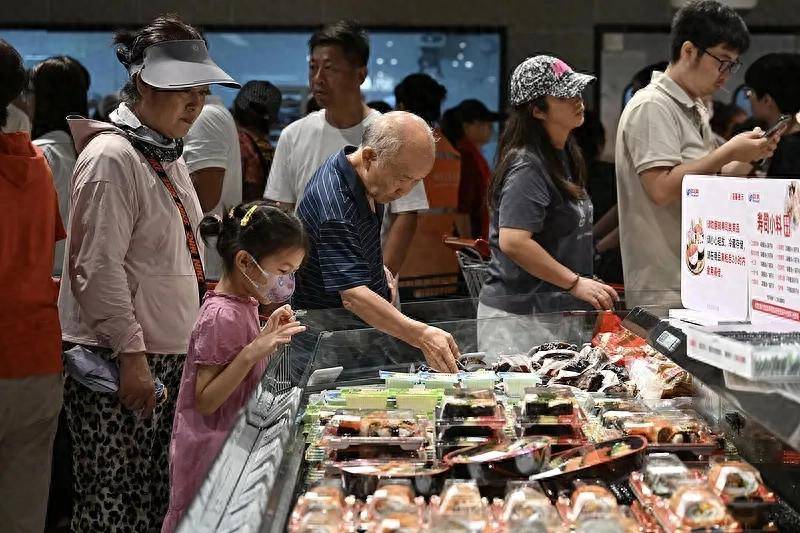
财政金融促内需一揽子政策落地
Xin Lang Cai Jing· 2026-01-20 18:52
Core Viewpoint - The Chinese government has announced a comprehensive fiscal and financial policy package aimed at boosting domestic demand, with a focus on supporting private investment and consumption [1][2]. Group 1: Support for Private Investment - The policy package includes four measures specifically designed to support private investment, which aim to lower financing costs and thresholds for small and medium-sized enterprises (SMEs) [2][4]. - A new loan interest subsidy policy for SMEs will provide a 1.5% annual subsidy on loans for key industries, with a maximum loan amount of 50 million yuan per enterprise [2]. - A special guarantee plan for private enterprises will offer 500 billion yuan in guarantees over two years, with individual enterprises eligible for up to 20 million yuan in guaranteed loans [2][3]. Group 2: Consumption Support - The "dual subsidy" policy for personal consumption loans and service industry loans has been extended to December 31, 2026, maintaining a 1% annual subsidy rate [5][6]. - The maximum loan amount eligible for subsidy in the service sector has been increased from 1 million yuan to 10 million yuan, expanding the range of supported consumption sectors [5]. - Credit card installment payments have been included in the subsidy support, allowing consumers to benefit from interest subsidies on these loans [5][6]. Group 3: Fiscal Policy and Spending - The fiscal policy for 2026 will see an increase in total spending, with a focus on maintaining necessary expenditure levels and ensuring support for key areas [7][8]. - The government plans to maintain a deficit rate of around 4% and an increase in new government debt by 1.186 trillion yuan compared to the previous year [7]. - The fiscal department aims to enhance local fiscal development and support the construction of a unified national market through reforms and adjustments in fiscal policies [8].

信用卡分期纳入贴息,多家国有大行火速公布细则
21世纪经济报道· 2026-01-20 14:43
Core Viewpoint - The article discusses the recent announcement by the Ministry of Finance regarding a package of policies aimed at stimulating domestic demand and promoting high-quality economic development, with a focus on two key interest subsidy policies for the service industry and personal consumption loans [1][4]. Group 1: Policy Duration - The personal consumption loan interest subsidy policy will be uniformly implemented by Agricultural Bank of China, Bank of China, and Postal Savings Bank from September 1, 2025, to December 31, 2026 [5]. - The service industry loan interest subsidy policy, currently announced only by Agricultural Bank, will also be effective until December 31, 2026, with existing loans issued between March 16, 2025, and December 31, 2025, continuing under previous regulations [5]. Group 2: Subsidy Scope Optimization - The inclusion of credit card business: Credit card bill installment plans are now part of the subsidy scope, applicable for new applications from January 1, 2026, to December 31, 2026, with a subsidy rate of 1% per annum, capped at 50% of the agreed annualized interest rate [6]. - Adjustments in personal consumption loan standards include the removal of a 500 yuan cap on single transaction subsidies, elimination of a 1,000 yuan cap for cumulative transactions under 50,000 yuan, while maintaining a 3,000 yuan annual cap for all personal consumption loans [6]. - For service industry loans, three new categories—digital, green, and retail—are added to the existing eight categories, and the maximum subsidy per loan is increased from 1 million yuan to 10 million yuan [6]. Group 3: Important Considerations - Fraudulent activities are strictly prohibited, and any misuse of funds will be legally addressed, with banks retaining the right to recover subsidies already granted [7]. - No fees will be charged during the loan and subsidy processes, and banks will not engage third parties for these services [7]. - Overdue loans will not qualify for subsidies, and borrowers must settle all outstanding principal and interest before being eligible for the subsidy [7]. Group 4: Inquiry Channels - Customers can check subsidy details through bank SMS, mobile banking apps, physical branches, or customer service hotlines, with specific business details to be confirmed through official channels [8].