贫困线

Search documents
美媒也坐不住了:“斩杀线”存在,且仍在被抬高
Sou Hu Cai Jing· 2025-12-28 15:24
Core Viewpoint - The term "Death Line" has gained popularity in Chinese social media, highlighting the economic struggles faced by many Americans, particularly the middle class, who are at risk of financial ruin due to unexpected events [1][2]. Economic Conditions - Approximately 67% of Americans are living paycheck to paycheck, with 59% unable to cover an unexpected expense of $1,000 [1]. - Many middle-class Americans, despite having decent incomes, find their savings depleted after covering essential expenses such as food, housing, and healthcare [2]. Housing and Healthcare Costs - The cost of housing in the U.S. is higher than in China, and American families have a weaker capacity to withstand financial shocks [3]. - A report indicates that 42% of American households live below the ALICE threshold, which represents families that are employed but financially insecure [5]. Poverty Line and Living Costs - The current poverty line for a family of four in the U.S. is set at $32,150, which is considered inadequate to reflect the true cost of living today [6]. - A recalculated basic living cost for a family of four is estimated to be around $136,500, nearly four times the official poverty line, indicating a significant gap between reported poverty and actual living expenses [6]. Impact of Policy Changes - The recent tax and spending bill signed by former President Trump is set to cut over $1 trillion from healthcare funding, potentially affecting up to 10 million Americans' health insurance [7]. - The administration claims that these cuts will reduce waste and promote self-sufficiency, but they may increase pressure on millions of Americans living on the edge of poverty [7].

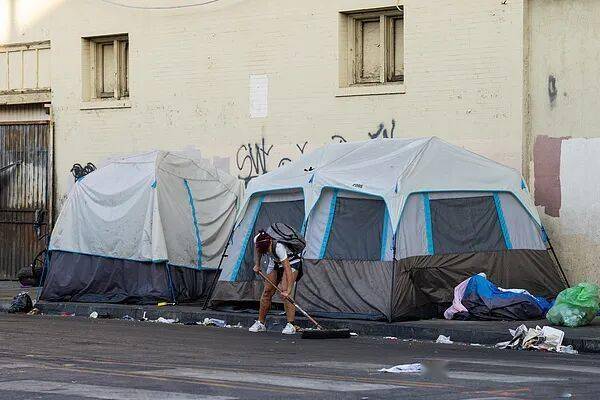
美媒关注“斩杀线”出圈:美国人的生存线还可能继续上移
Xin Lang Cai Jing· 2025-12-27 12:31
Core Insights - The term "Death Line" has gained popularity in Chinese social media, reflecting the precarious financial situation many Americans face, despite the perception of the U.S. as a land of opportunity [1][2] - A significant portion of the American population is living paycheck to paycheck, with 67% of Americans only able to cover basic living expenses, and 59% unable to handle a $1,000 emergency expense [1][5] Economic Conditions - Many middle-class Americans, despite having decent incomes, struggle to save after covering essential expenses such as food, housing, transportation, healthcare, and childcare [2][3] - The cost of living in the U.S. is notably higher than in China, with American families facing greater economic insecurity due to high housing costs and inadequate safety nets [3][5] ALICE Threshold - The ALICE (Asset Limited, Income Constrained, Employed) threshold indicates that 42% of American households live below this line, meaning they earn above the federal poverty level but cannot afford basic expenses [5][6] - The current poverty line calculation in the U.S. is outdated and does not accurately reflect the true cost of living, as it was based on a formula from 1963 [6][7] Policy Implications - The recent tax and spending bill signed by former President Trump will cut over $1 trillion in healthcare funding, potentially affecting up to 10 million Americans' access to health insurance [6][7] - Critics argue that the measures in the "big and beautiful" bill will exacerbate the financial strain on millions of Americans living on the edge of poverty [7]
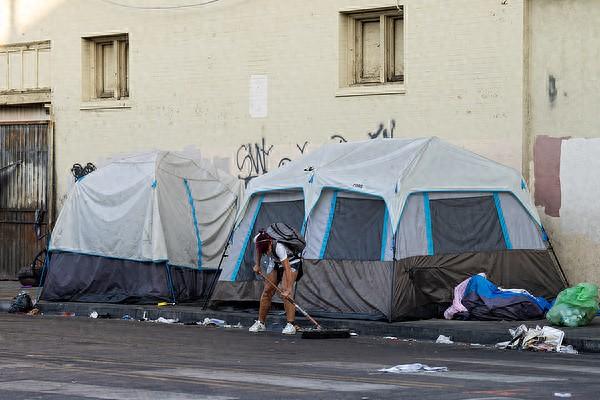
迈克尔·格林:身为美国人,我的人生是一场谎言
Xin Lang Cai Jing· 2025-12-27 01:14
Core Viewpoint - The article discusses the inadequacy of the U.S. poverty line, which is based on outdated calculations, and argues that the real cost of living for families is significantly higher than what is officially recognized, leading to a misrepresentation of economic well-being in America [4][15][59]. Group 1: Poverty Line Calculation - The U.S. poverty line is calculated using a formula from 1963, which multiplies the minimum food expenditure by three, failing to account for modern living costs [6][9]. - The original formula was based on the assumption that families spent one-third of their income on food, which is no longer applicable as housing, healthcare, and childcare costs have risen dramatically [10][12]. - Current estimates suggest that a realistic poverty line for a typical American family should be between $130,000 and $150,000, rather than the official $31,200 [13][14]. Group 2: Economic Reality for Families - Many families earning around $80,000 are effectively living in deep poverty when considering the actual costs of living, which include housing, healthcare, and childcare [15][16]. - The largest single expense for families is childcare, which can cost upwards of $32,773 annually, making it difficult for dual-income households to achieve financial stability [17][18]. - The article highlights a "trap" where families must work multiple jobs to maintain their income, yet the costs associated with working (like childcare) often negate any financial gains [20][21]. Group 3: Systemic Issues and Economic Disparities - The current welfare system inadvertently penalizes families as they earn more, leading to a situation where increasing income results in a loss of benefits, creating a disincentive to improve their financial situation [31][32]. - Families earning around $40,000 receive government support, while those earning $100,000 face higher costs without the same level of assistance, leading to a "death valley" scenario where they struggle more than those in poverty [39][40]. - The article argues that the perception of economic prosperity is misleading, as many families are caught in a cycle of working hard yet remaining financially insecure due to the high costs of living [51][55].
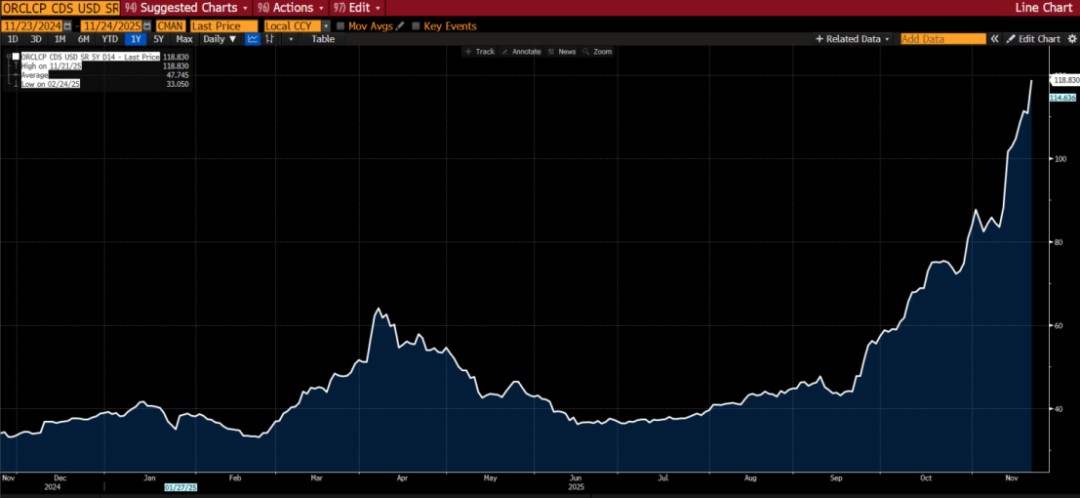
美国中产阶级的萎缩
Sou Hu Cai Jing· 2025-11-30 16:28
Core Insights - The middle class in the United States is facing a silent crisis of decline, not just a slow erosion, as evidenced by the widening gap between official poverty lines and actual living costs [1][3][12] Economic Context - Since the 1980s, economic policies have shifted, leading to a significant decline in labor income's share of GDP, from approximately 64% in 1980 to an estimated 56% by 2025 [4][9] - The federal debt as a percentage of GDP has surged from 32% in 1980 to a projected 123% in 2025, partly due to tax cuts that expanded deficits [4][9] Poverty Line Discrepancies - The official poverty line for a family of four is set at $31,200 in 2025, while the actual survival cost is estimated to be around $136,000, creating a cognitive gap of nearly $100,000 [3][11] - A report suggests that the real poverty line should be approximately $166,400, indicating that over 70% of American households earn below this threshold [3][11] Changing Expenditure Patterns - Essential expenses such as housing, healthcare, and childcare now account for nearly 60% of family budgets, a significant increase from one-third in 1963 [2][6] - The median home price in 2025 is projected to be $416,900, which is five times the median household income of $83,150, far exceeding historical averages [6][7] Income and Wealth Inequality - The top 1% of wealth holders are projected to control 31% of GDP by 2025, a significant increase from 8% in 1964, highlighting growing inequality [8][9] - The median net worth for middle-class families is only $192,900, compared to $3 million for the top 10% [8] Future Projections - The Congressional Budget Office (CBO) predicts that by 2030, the middle-class contraction will worsen, with poverty rates potentially reaching 75% when recalibrated [11][12] - Structural reforms are necessary to address the middle-class crisis, including redefining the poverty line, reforming tax policies, and investing in vocational education [12]
【环球财经】土耳其饥饿线与贫困线升至历史新高
Xin Hua Cai Jing· 2025-10-02 03:02
Core Insights - The hunger line in Turkey has risen to 27,970 lira, while the poverty line has increased to 91,109 lira, indicating a significant rise in living costs and economic pressure on the population [1] - The monthly consumption required for a family of four to maintain a healthy diet is defined as the hunger line, while the poverty line includes additional essential expenses such as housing, utilities, transportation, education, and healthcare [1] - The monthly living cost for a single worker is calculated at 36,305 lira, which is significantly higher than the current minimum wage of 22,104 lira, highlighting a severe gap between income and basic survival costs [1] Economic Context - Despite a slowdown in Turkey's annual inflation rate, food inflation remains sticky, with food prices increasing by 3.17% month-on-month and 41.05% year-on-year in September [1] - Key consumer goods such as chicken, eggs, and hazelnuts have seen the most significant price increases [1] Social Implications - Experts warn that the gap between the hunger line and minimum wage is unprecedented, and even a 20% wage increase by the end of the year may not compensate for the loss in purchasing power experienced this year [2] - The Turkish Trade Union Confederation has raised concerns that without effective policies to bridge the income and living cost gap, the working class will face greater challenges in maintaining nutritional health and economic security, potentially exacerbating social inequality [2]
您达标了吗?按世行标准,日均消费金额超过33元,就不算是穷人了
Sou Hu Cai Jing· 2025-07-04 18:14
Core Points - The World Bank has established a new poverty line for 2025, which is based on purchasing power parity (PPP) rather than exchange rates, highlighting the actual prices of a basket of goods in different countries [4][5] - For high and middle-income countries, a daily consumption expenditure below $8.3 is considered poor, while for lower-income countries, the thresholds are set at $4.2 and $3.0 respectively [5][8] - In China, the equivalent of the $8.3 poverty line is approximately 33 RMB, indicating that households with per capita daily consumption below this amount are classified as poor [8][12] Summary by Categories Poverty Line Definitions - The extreme poverty line is set at a daily consumption of less than $3, applicable to the poorest countries [4] - The poverty line for lower-middle-income countries is defined as a daily consumption of less than $4.2 [4] - The poverty line for middle to high-income countries is defined as a daily consumption of less than $8.3 [5] Purchasing Power Parity (PPP) - The World Bank's poverty line is calculated using PPP, which accounts for the actual purchasing power of currencies in their respective countries [4][8] - The conversion ratio for RMB to USD based on 2021 data is 3.99, meaning that 33 RMB has a similar purchasing power to $8.3 [8] Hidden Costs in Consumption - The calculation of consumption expenditure includes not only cash income but also hidden benefits such as homegrown food, government services, and employer-provided benefits [9][11] - Virtual rent for homeowners is considered in the consumption calculation to reflect the true economic situation of households [11][12] - The aim is to provide a clearer picture of a household's ability to meet basic needs, including food, shelter, and healthcare [12][13]