资产转移

Search documents
从“爆红”到“爆雷”:茶里欠薪背后,一场资本游戏的崩塌
Xin Lang Cai Jing· 2026-01-20 01:59
Core Insights - CHALI Tea, once hailed as the "Chinese version of Lipton," achieved revenue of several hundred million yuan in 2023 but faced salary arrears in June 2024, leading to a legal impasse for employees seeking their rights [1][7] - The company has been embroiled in legal troubles, with 158 lawsuits filed against it, involving a total of 1.83 billion yuan in claims [4][10] Strategic Misjudgment and Financial Crisis - CHALI Tea, a leader in the e-commerce bagged tea sector, completed nine rounds of financing since 2015, attracting investments from notable firms like GGV Capital and Country Garden [2][8] - The company decided to enter the bottled ready-to-drink tea market in 2022, which marked a significant strategic shift but also sowed the seeds for future crises [2][8] - Despite achieving several years of sales success, the bottled tea business incurred losses of tens of millions of yuan in the first half of 2023, leading to the eventual termination of this business line in 2024 [3][9] Governance Issues and Legal Risks - The ongoing salary issues have highlighted governance problems within CHALI Tea, with many former employees, suppliers, and banks resorting to legal action [4][10] - The company has been accused of asset transfer through multiple subsidiaries, resulting in a lack of funds in accounts subject to enforcement actions, complicating the legal recovery process for employees [11] - Employees have expressed frustration over the company's operational status, as it continues to function normally while failing to pay salaries, leading to a perception of a complex governance structure [10][11]
俄运输机紧急往返俄伊领空,上面全是伊朗的黄金储备?
Sou Hu Cai Jing· 2026-01-11 03:55
Core Viewpoint - The article discusses the increasing frequency of Il-76 transport aircraft operated by Russian civilian enterprises flying over the Caucasus region, particularly in connection with military logistics and asset transfers from Iran to Russia amid domestic unrest in Iran [1][4]. Group 1: Military Logistics - The transport operations coincide with Iran's urgent need for advanced air defense systems following significant losses in the June conflict with Israel, highlighting Iran's deficiencies in air defense capabilities [1][4]. - Iran's government may be seeking military assistance from Russia, particularly in acquiring air defense equipment, due to the inability to quickly enhance its own defense systems [1][4]. Group 2: Asset Transfer and Family Wealth - There are indications that the return flights of these transport aircraft may involve the transfer of cash or gold, potentially linked to the asset transfer of the Khamenei family, which has accumulated significant wealth over the years [3][4]. - The Khamenei family's wealth is speculated to be substantial, with estimates suggesting it could be as high as $95 billion, although this figure may not be entirely accurate [3]. Group 3: Political Instability and Succession - The ongoing protests in Iran have escalated, leading to government crackdowns and internet blackouts, which may prompt the Khamenei family to consider fleeing to Moscow for safety [4][6]. - The succession issue is becoming a focal point in Iranian politics, with concerns that the transition of power could lead to instability and potential regime collapse if not managed properly [6]. Group 4: Implications for Iran-Russia Relations - The actions of the Khamenei family reflect a deep-seated anxiety within the Iranian regime, as they prepare for potential worst-case scenarios by transferring wealth and assets [4][6]. - The evolving relationship between Iran and Russia appears to be shifting from geopolitical and military cooperation to a more intimate level of power protection, which could have significant implications for the Middle East and international diplomatic strategies [6].


继许家印之后,又一个恒大隐形大佬想跑?
Sou Hu Cai Jing· 2026-01-08 03:42
Core Viewpoint - The article discusses the asset transfer attempts of Xia Haijun, the former president of Evergrande, following the company's financial crisis, highlighting the legal actions taken to freeze his assets amounting to HKD 60 billion [1][3]. Group 1: Asset Freezing and Legal Actions - Xia Haijun's attempt to sell his luxury property at a significant loss triggered the court's intervention to prevent asset transfer, leading to the issuance of a global Mareva injunction [3]. - The Hong Kong court has rejected Xia's appeals four times, indicating a strong judicial stance against asset transfer attempts and a commitment to protecting creditor interests [3][7]. - The Mareva injunction serves as a warning to executives attempting to evade accountability, emphasizing the judicial system's capability to secure assets in international financial cases [7][8]. Group 2: Financial Misconduct and Wealth Accumulation - Xia Haijun accumulated a staggering wealth of approximately HKD 60 billion, primarily through his role in Evergrande's high-risk financial strategies and substantial salary, which peaked at RMB 2.7 billion annually [5]. - Under Xia's management, Evergrande was found to have inflated revenues significantly, with over RMB 210 billion and RMB 350 billion in 2019 and 2020, respectively, through fraudulent financial reporting [5]. - Prior to the public crisis, Xia liquidated over HKD 1 billion in Evergrande's bonds and stocks, indicating a potential misuse of insider information to secure personal wealth while the company faced financial turmoil [5]. Group 3: Broader Implications for Stakeholders - The asset freezing case reflects a broader issue of wealth extraction by company insiders, leaving behind a debt burden exceeding RMB 2 trillion for creditors, including ordinary suppliers and families [7]. - The ongoing legal battle signifies the beginning of accountability for corporate executives, with potential for deeper legal repercussions beyond asset freezing [7]. - The situation underscores the need for a judicial system that prioritizes the interests of the public and creditors over those of wealthy executives [8].
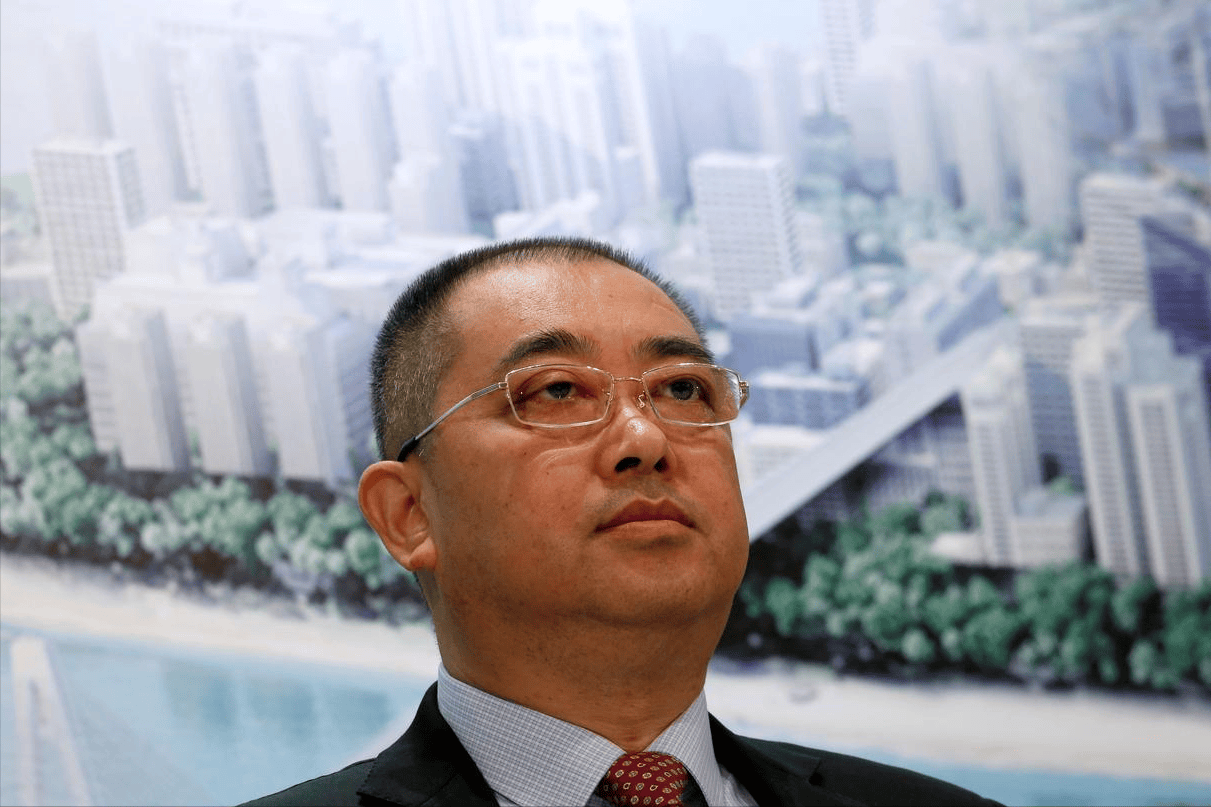
电商袋泡茶TOP1品牌茶里疑似资金链断裂:豪赌瓶装茶失败,创始人已被限高 | BUG
Xin Lang Cai Jing· 2026-01-06 00:50
Core Viewpoint - CHALI, once the top brand in e-commerce bagged tea, is now facing severe operational difficulties, including unpaid wages and legal challenges [2][18]. Group 1: Financial and Operational Issues - Employees have reported that since June 2024, CHALI has been delaying salary payments, with over a hundred employees owed wages and social insurance contributions, some exceeding 100,000 yuan [2][20]. - In December 2025, CHALI's parent company, Guangzhou Chali Group Co., Ltd., became a defendant in multiple enforcement cases, with one case involving an execution amount of 141 million yuan [19][23]. - The court has determined that CHALI's subsidiary, Guangzhou Zhongsen Food Co., Ltd., has no assets available for execution, halting employees' legal efforts to recover unpaid wages [20][32]. Group 2: Business Strategy and Market Position - CHALI was once a favored company in the market, having undergone nine rounds of financing, with the last round in May 2024, involving investments from notable firms [24][25]. - The company expanded into the bottled tea market in June 2022, but this venture has been cited as a critical failure that strained the company's financial resources [25][27]. - Despite achieving annual revenues in the billions and leading in e-commerce channels, the company's aggressive investment strategy, particularly in bottled tea, has been identified as a significant factor in its rapid decline [25][28]. Group 3: Asset Transfer and Legal Complications - Employees suspect that CHALI has engaged in asset transfer through related companies to evade financial obligations, with core operations being shifted to new entities [29][32]. - The original distribution business has been moved to Shenzhen Chasen Commercial Management Co., Ltd., which is controlled by a subsidiary of CHALI [29][32]. - Legal actions for wage recovery have been complicated by the fact that the original legal entities are now effectively empty shells, making enforcement difficult [32].

原恒大“二把手”欲转移600亿港元资产 香港法院四次驳回!
Jing Ji Guan Cha Bao· 2026-01-04 04:14
Core Viewpoint - The Hong Kong Court of Appeal has upheld a global Mareva injunction against former Evergrande Group president Xia Haijun, preventing him from transferring or disposing of assets valued at HKD 60 billion, amid concerns of asset flight following the company's financial crisis [1][2][3]. Group 1: Legal Proceedings and Asset Management - The Mareva injunction was issued in response to Xia's attempts to sell high-value properties, including a luxury villa in Hong Kong, which he purchased for HKD 160 million in 2019 but is now attempting to sell at a significant loss of HKD 78 million [1][2]. - The injunction aims to freeze Xia's assets within Hong Kong jurisdiction, specifically targeting the proceeds from the sale of his property in the Peak area [2][3]. - The Hong Kong courts have rejected Xia's multiple appeals to lift the injunction, indicating a strong judicial stance against asset transfer attempts by former executives of Evergrande [3][4]. Group 2: Background on Xia Haijun and Evergrande's Financial Situation - Xia Haijun, who played a crucial role in Evergrande's rapid growth, was known for his expertise in capital operations and was instrumental in the company's revenue increase from HKD 2.5 billion in 2008 to HKD 373.3 billion in 2016 [4][5]. - Despite the impressive growth, Evergrande faced severe financial issues, leading to investigations into fraudulent financial reporting and significant penalties imposed by the China Securities Regulatory Commission [5][6]. - Xia's departure from Evergrande occurred in July 2022, shortly before the company's financial troubles became public, raising suspicions about his intentions to transfer assets [2][5]. Group 3: Financial Implications and Executive Compensation - Evergrande has sought to recover approximately USD 6 billion in salaries and bonuses from Xia and other executives for the years 2017 to 2020, highlighting the financial stakes involved in the ongoing legal battles [6]. - Xia's annual salary was reported to be around RMB 200 million, and he was recognized as one of the highest-paid CEOs in Hong Kong, further emphasizing the financial implications of his actions during his tenure at Evergrande [6].
恒大夏海钧被找到,现身美国加州,12岁儿子就读加州私立学校
Sou Hu Cai Jing· 2025-11-21 08:12
Core Insights - The article discusses the rise and fall of Xia Haijun, a key figure in Evergrande Group, highlighting his strategic role during the company's expansion and subsequent financial crisis [1][3][4]. Group 1: Xia Haijun's Role in Evergrande's Growth - Xia Haijun joined Evergrande in 2007 as Vice Chairman and President, contributing significantly to the company's strategic planning and financial management [1][4]. - Under his leadership, Evergrande successfully went public in Hong Kong in November 2009, which marked a significant milestone for the company and its founder Xu Jiayin [6][10]. - The company experienced rapid expansion into various sectors, becoming the largest real estate company globally, driven by Xia's expertise [6][8]. Group 2: Financial Gains and Wealth Accumulation - Xia's income was closely tied to Evergrande's performance, with his annual earnings soaring from approximately 4.96 million RMB in 2008 to nearly 298 million RMB in 2018 [10][12]. - Over 13 years, Xia earned a total of 1.638 billion RMB from Evergrande, with over 1.4 billion RMB coming from salary alone [12]. Group 3: Crisis Management and Exit Strategy - As Evergrande faced a debt crisis starting in 2021, Xia's absence from key meetings raised suspicions about his involvement [14][16]. - Prior to the crisis, Xia executed a strategic sell-off of assets, including selling bonds and shares, totaling approximately 1.187 billion RMB, which was seen as a preemptive move to mitigate losses [19][23]. - Following the company's financial troubles, Xia was reported to have relocated overseas, with his whereabouts becoming a subject of investigation [25][28]. Group 4: Legal and Financial Investigations - After Evergrande entered liquidation, investigations revealed that Xia had significant assets hidden in the U.S., including properties and a trust fund managed by his wife [35][39]. - The Hong Kong High Court has initiated legal actions against Xia and others to recover potentially misappropriated assets, with a temporary injunction placed on his wife's assets amounting to 17 million RMB [43][45]. - Regulatory bodies in China have also indicated intentions to pursue legal actions against Xia, suggesting ongoing scrutiny of his financial dealings [49].
价值投资策略,真正的难点是什么?|投资小知识
银行螺丝钉· 2025-09-28 13:35
Core Viewpoint - The article discusses the cyclical nature of investment strategies in the A-share market, particularly the effectiveness of value investing versus growth investing over different market cycles [3][4][6]. Group 1: Market Trends - A-shares have experienced style rotation, where value investment strategies do not always yield consistent results, leading to investor impatience and abandonment of these strategies during underperformance periods [3][4]. - In the bull market from 2019 to 2021, growth stocks significantly outperformed value stocks, with the CSI 300 Growth Index rising over 150%, while the CSI 300 Value Index saw only a slight increase [3]. - Post-2022, value strategies began to recover in the A-share market, indicating a potential shift back to value investing [4][5]. Group 2: Investor Behavior - The article highlights that during periods when a particular investment strategy underperforms, it tests the patience of investors, which can lead to significant capital outflows from value-focused funds [3][6]. - The concept of "asset transfer from the impatient to the patient" is emphasized, suggesting that those who remain committed to value investing may benefit in the long run, as many investors lack the necessary patience [6].

拔萝卜带泥!逃往美国的恒大“二把手”,邻居竟是另一名潜逃富豪
Sou Hu Cai Jing· 2025-08-29 06:39
Core Viewpoint - The article highlights the contrasting lives of former Evergrande president Xia Haijun and another fugitive, Chen Xuanlin, who have both escaped to the U.S. amid financial scandals, reflecting a broader narrative of greed and evasion of accountability [2][11]. Group 1: Xia Haijun's Background and Actions - Xia Haijun, once a prominent figure in Evergrande with a peak annual salary of 270 million yuan, has largely disappeared from public view following the company's financial collapse, only to resurface in California [5][8]. - He purchased a property in California for $1.2 million in 2011, which has appreciated to over $3.2 million, and has since transferred ownership to his wife, indicating premeditated asset protection [7]. - Despite Evergrande's staggering debt of 2.39 trillion yuan and the suffering of investors and homeowners, Xia enjoys a luxurious lifestyle in the U.S., seemingly detached from the consequences of his actions [8][11]. Group 2: Chen Xuanlin's Background and Actions - Chen Xuanlin, known for his rapid rise in the investment sector, faced legal issues for illegal fundraising, with over 30 billion yuan involved, leading to significant financial losses for investors [9]. - He orchestrated his escape from China through a series of strategic moves, including a boat trip to Southeast Asia, ultimately settling in California where he owns a Mediterranean-style villa valued at over $10 million [9]. - Both Xia and Chen exemplify individuals who have managed to evade accountability while enjoying the fruits of their questionable financial practices, highlighting a systemic issue within the industry [12][13].
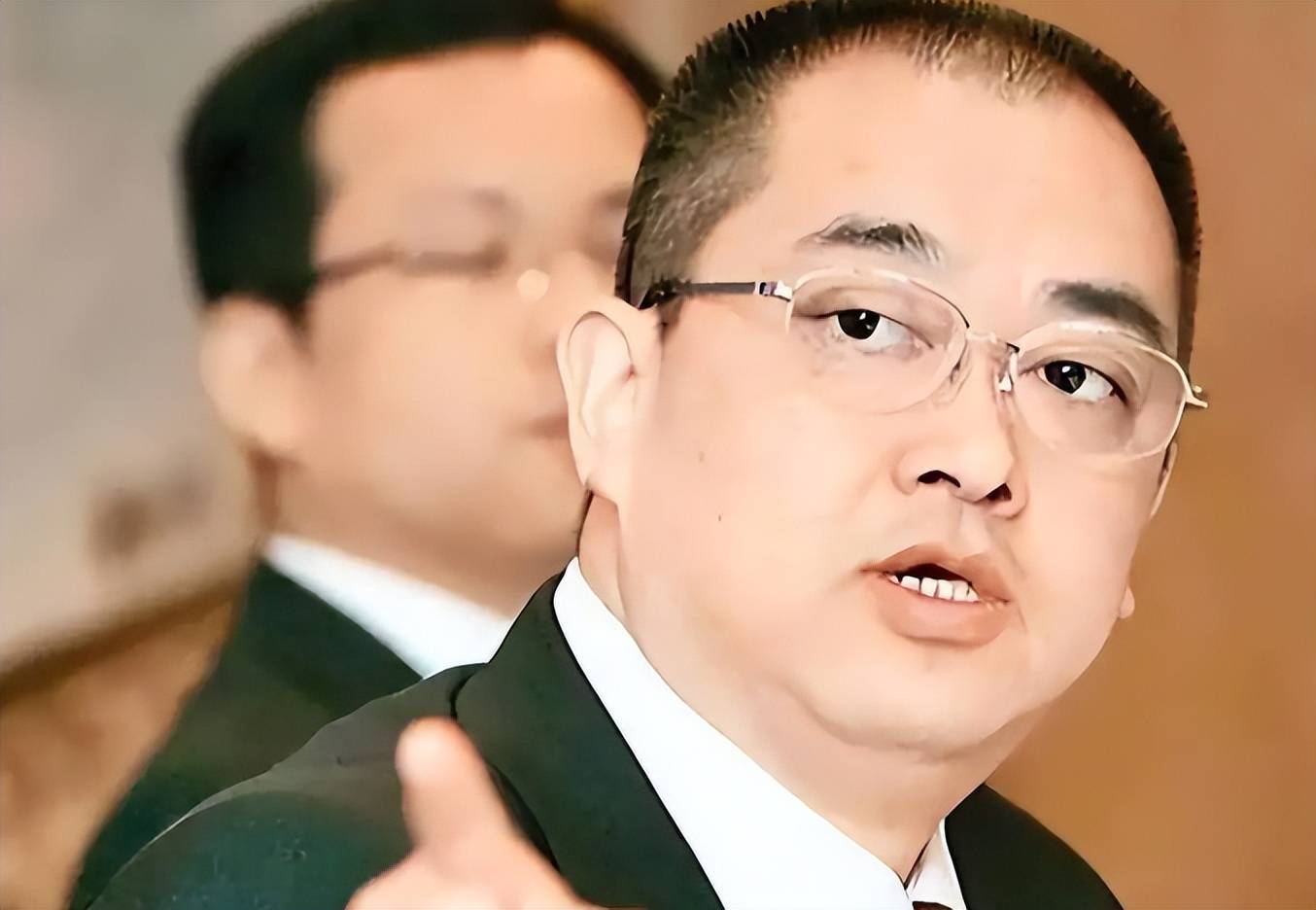
宗庆后家族海外资产超百亿:三十载布局之路如何走?
Sou Hu Cai Jing· 2025-08-25 21:08
Core Insights - The discussion surrounding the overseas wealth transfer of the Zong Qinghou family, once regarded as "China's richest," has gained significant public attention due to their substantial asset movement [1][8] - The Zong Qinghou family holds assets exceeding 15 billion RMB, including luxury properties in Los Angeles, Boston, and Hong Kong, alongside various trusts and equity holdings [1][4] - The family's primary business, Wahaha beverage series, mainly operates in mainland China, raising questions about the methods employed for their wealth accumulation and overseas asset transfer [1] Group 1: Wealth Accumulation and Transfer Methods - The Zong Qinghou family has a long history of overseas asset allocation, starting with the establishment of a company in California in 1992, which facilitated their application for U.S. green cards [1][2] - The family has utilized various strategies for fund transfer, including partnerships with foreign companies like Danone, which yielded significant returns, and the establishment of offshore companies to enjoy tax benefits [2][6] - The family’s real estate holdings in California, such as the San Marino estate and Los Altos Avenue villa, along with high-end properties in Hong Kong, not only reflect their wealth but also facilitate overseas fund transfers [4][6] Group 2: Challenges and Internal Issues - The Zong Qinghou family faced challenges, including tax issues with the IRS due to failure to report global income, leading to tax liabilities and penalties [6] - Internal disputes over family wealth have highlighted deficiencies in their asset management and inheritance arrangements [6] - Despite these challenges, the family's sophisticated asset management strategies and structural designs have been impressive, showcasing their adeptness in wealth transfer [6][8]

宗庆后家族18亿美元海外资产揭秘:长达30年的布局之路
Sou Hu Cai Jing· 2025-08-25 14:00
Core Insights - The wealth transfer issue of the Zong Qinghou family, once regarded as "China's former richest," has sparked widespread public interest, particularly regarding how they managed to transfer substantial funds overseas under strict foreign exchange controls [1][5] Group 1: Wealth and Assets - The Zong Qinghou family possesses significant overseas assets, including luxury properties in Los Angeles, Boston, and Hong Kong, with a total value exceeding 15 billion RMB [1][3] - Their beverage products primarily sell in mainland China, raising questions about how such wealth accumulation is supported by overseas sales [1] Group 2: Historical Context and Strategies - The family's overseas expansion dates back to 1992 when Zong Qinghou registered a company in California and subsequently applied for a U.S. green card, which was granted to him and his family in 1999 [1] - Despite later relinquishing the U.S. green card due to tax issues, the family's frequent changes in identity have facilitated asset diversification [1] Group 3: Mechanisms of Fund Transfer - The family has utilized various strategies for fund transfer, including foreign cooperation income and offshore structures, notably through a partnership with France's Danone Group, which provided substantial income [1][5] - They have also invested in domestic enterprises via offshore companies, converting some into foreign-funded entities to benefit from tax incentives and legally transferring domestic profits abroad through dividends [1][5] Group 4: Challenges and Considerations - The asset transfer process has not been without challenges, as Zong Qinghou faced penalties for failing to report global income to the U.S. tax authorities, highlighting vulnerabilities in asset management and inheritance arrangements within the family [5] - Despite these challenges, the family has demonstrated remarkable skill in asset maneuvering and structural design, prompting public reflection on wealth management and asset transfer complexities [5][7]