资本优先

Search documents
美国斩杀线再添新证据,生活电费飙升1400%,老百姓取暖成奢侈品
Sou Hu Cai Jing· 2026-02-11 07:06
Core Viewpoint - The article highlights the severe electricity pricing crisis in the United States, where residential electricity costs have skyrocketed, leading to significant financial strain on families, particularly during extreme weather conditions [1][3][4]. Group 1: Electricity Pricing Trends - In Texas, the cost of heating for one night can reach $1,400, comparable to a short-haul flight, making it unaffordable for many families [4][6]. - The average electricity price in the U.S. is projected to increase by 6% in the first half of 2025, with annual electricity costs rising from $1,683 to $1,902, adding over $200 to household expenses [8][10]. - Over the past decade, electricity prices have risen in all states, with 39 states experiencing increases of over 20%, and California seeing a staggering increase of nearly 96% [10][12]. Group 2: Impact on Households - Millions of families are forced to forgo basic living necessities due to high electricity costs, with vulnerable populations particularly affected during winter [3][14]. - Approximately 13% of U.S. households are in arrears on their electricity and gas bills, reflecting the financial struggles faced by many [24][40]. - The elderly and children in a Maryland community faced severe heating issues, with the government refusing to repair infrastructure, instead imposing exorbitant repair costs on residents [26][28]. Group 3: Infrastructure and Supply Issues - The aging electricity grid, with many components over 30 years old, contributes to unreliable power supply and frequent outages during extreme weather events [12][16]. - The fragmented nature of the U.S. electricity grid, with three major independent networks, hampers efficient energy distribution and upgrades [16][18]. - The increasing demand for electricity from AI data centers exacerbates the existing supply issues, as these centers consume power equivalent to that of small cities [21][22]. Group 4: Systemic Issues and Comparisons - The article argues that the electricity crisis is not merely a pricing issue but reflects deeper systemic problems where capital interests overshadow public welfare [42][44]. - In contrast, China's electricity pricing and supply system prioritize public welfare, maintaining stable prices and ensuring reliable service even during crises [31][35]. - The disparity in electricity pricing and supply stability between the U.S. and China underscores the importance of a development model that prioritizes the needs of ordinary citizens over capital interests [48].



求是网钟言文章:“斩杀线”上的美国政治困局
Xin Lang Cai Jing· 2026-01-04 15:53
Group 1 - The term "kill line" has emerged as a metaphor for the economic vulnerability faced by many American families, highlighting a state where financial stability is precarious and can lead to homelessness and bankruptcy with unexpected events like job loss or illness [1] - Official data indicates that the number of homeless individuals in the U.S. is projected to exceed 770,000 in 2024, marking an 18.1% increase year-on-year, which includes many individuals with formal employment, revealing significant gaps in the social safety net [1] - The "Make America Great Again" (MAGA) movement has arisen as a political response to the economic insecurities represented by the "kill line," but there is a disconnect between its political promises and the survival anxieties of the populace [1] Group 2 - The MAGA movement has reframed public economic demands into cultural identity conflicts, blaming specific cultural groups for economic pressures, such as illegal immigrants and foreign countries, rather than addressing the root economic issues [2] - The movement's strategies, including building border walls and initiating trade wars, primarily serve to create a sense of group identity and political mobilization, rather than providing tangible solutions to improve the economic conditions of ordinary families [2] Group 3 - Internal conflicts within the MAGA movement were highlighted during a recent annual gathering, revealing fractures over issues such as support for Israel and differing views on national identity, which complicate the movement's ability to form a unified approach to economic challenges [3] - Despite the MAGA movement's focus on "America First" to address public dissatisfaction in healthcare, employment, and housing, it has largely avoided tackling deeper issues related to social security and wealth distribution, resulting in stagnation in improving the livelihoods of ordinary citizens [3] Group 4 - The "kill line" phenomenon illustrates a harsh "capital-first" logic within the system, prioritizing capital security and returns over the survival and dignity of workers, leading to inadequate support for individuals facing economic risks [4] - Any genuine reform aimed at strengthening the social safety net or optimizing wealth distribution faces significant challenges as it threatens the fundamental interests of the existing economic structure [4]
“斩杀线”上的美国政治困局
Xin Lang Cai Jing· 2026-01-04 14:56
Group 1 - The term "kill line" has emerged as a metaphor for the economic vulnerability faced by many American families, highlighting the risk of financial collapse due to unexpected events like job loss or illness [1] - Official data indicates that the number of homeless individuals in the U.S. is projected to exceed 770,000 in 2024, marking an 18.1% increase year-on-year, with many being employed, underscoring significant gaps in the social safety net [1] - The "Make America Great Again" (MAGA) movement has arisen as a political response to the economic insecurities represented by the "kill line," yet there is a disconnect between its political promises and the survival anxieties it aims to address [1] Group 2 - The MAGA movement has reframed public economic demands into cultural identity conflicts, blaming specific groups such as illegal immigrants and foreign nations for economic pressures, rather than addressing the root causes of economic hardship [2] - The movement's strategies, including building border walls and initiating trade wars, serve to create a sense of group identity and political mobilization, but do not provide tangible solutions to improve the economic conditions of ordinary families [2] Group 3 - Internal conflicts within the MAGA movement were highlighted during a recent annual gathering, revealing fractures over issues such as support for Israel and differing views on national identity, which hinder the movement's ability to form a unified economic strategy [3] - Despite the MAGA movement's focus on "America First" to address public dissatisfaction in areas like healthcare and housing, it avoids tackling deeper issues related to social security and wealth distribution, resulting in stagnation in improving the livelihoods of ordinary citizens [3] Group 4 - The "kill line" phenomenon reflects a harsh "capital-first" logic in the U.S. system, prioritizing capital security and returns over the survival and dignity of workers, leading to inadequate support for individuals facing economic risks [4] - Attempts to reform the social safety net and wealth distribution face significant challenges as they threaten the entrenched interests of capital, making substantial reform difficult [4]
沃尔夫冈·施特雷克:当下美欧政策变化是出于绝望的盲动,切勿赋予其过高的战略意义
Sou Hu Cai Jing· 2025-07-06 07:14
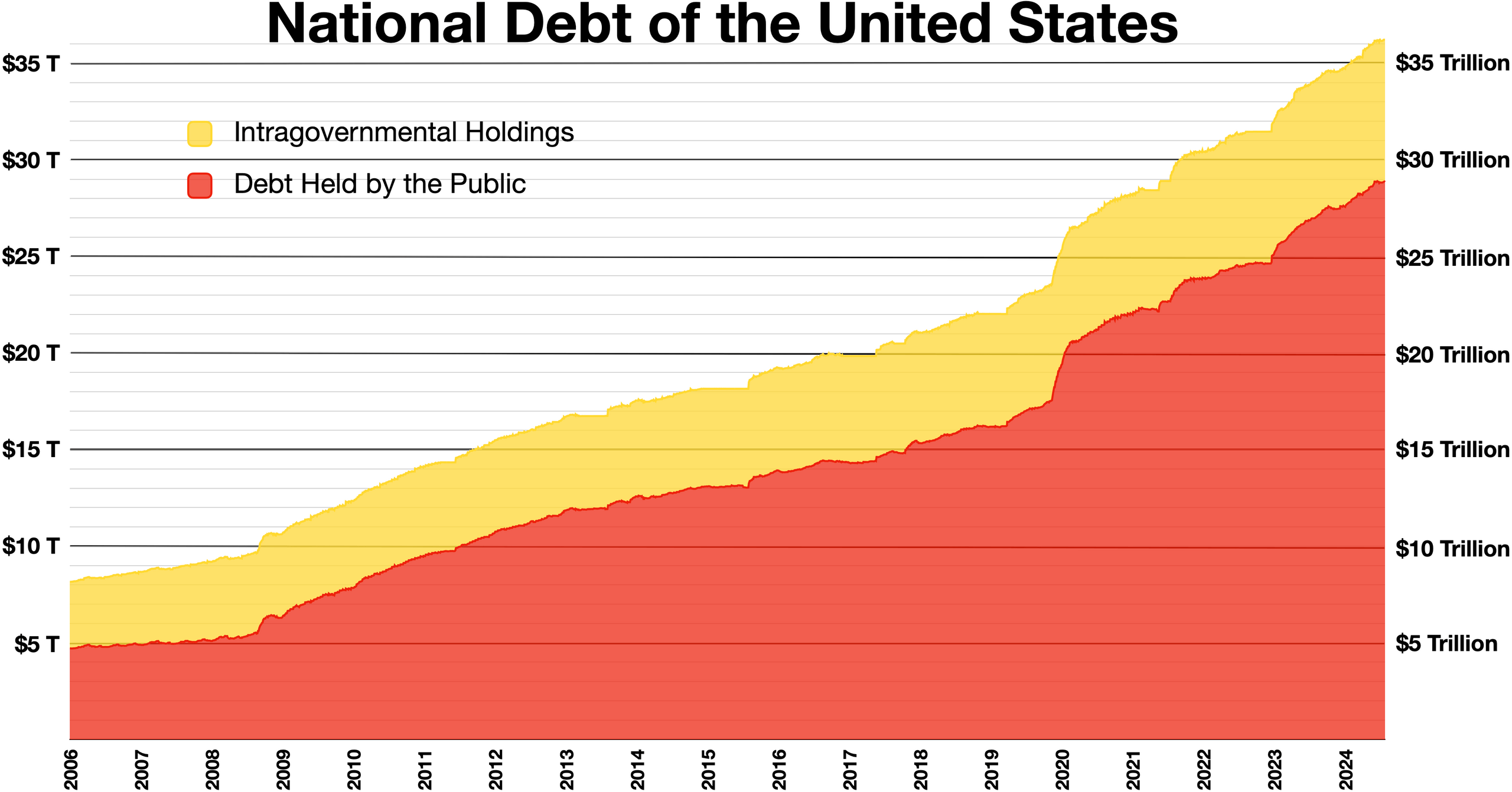
Group 1 - The article discusses the critical point of capitalism, indicating that the "buying time" strategy is nearing its limits due to the disconnection between debt repayment capacity and economic growth potential [1] - The U.S. national debt has surpassed $37 trillion since the 2008 financial crisis, with ongoing debates about the debt ceiling becoming a political tool, suggesting that the "myth of American economic invincibility" is at risk of collapse [2] - The trend of de-globalization has been ongoing since the 2008 financial crisis, indicating a shift in governance that reflects a desperate response to systemic failures of neoliberalism [5][6] Group 2 - The article highlights the transformation of the "tax state" into a "debt state," where the burden of public spending is shifted to lower-income groups, leading to increased wealth inequality [7] - The ongoing rise in public debt and the inability of Western democracies to maintain legitimacy is illustrated by the rise of right-wing populism, particularly in countries that have ceded some sovereignty to the EU [10] - The EU's tightening policies have stripped member states of their economic sovereignty, revealing a governance vacuum in the face of cross-border capital flows [9]