跨境电商合规经营

Search documents
欠近亿物流费 有棵树被提起仲裁
Nan Fang Du Shi Bao· 2026-01-13 23:18
Core Viewpoint - The arbitration case involving Youkeshu Technology Co., Ltd. highlights the financial difficulties faced by the company and the broader challenges within the cross-border e-commerce industry [2][4]. Group 1: Arbitration and Financial Issues - Youkeshu's subsidiary is facing arbitration for overdue logistics fees amounting to 96.41 million yuan, with the Shenzhen International Arbitration Court officially accepting the case [2][4]. - The dispute traces back to a logistics service contract signed in October 2019, with a supplementary agreement in July 2020 that included a guarantee from Youkeshu Technology Co., Ltd. [3]. - Attempts to resolve the debt through a settlement agreement in September 2024 failed, leading to the current arbitration [3][4]. Group 2: Performance Decline and Management Issues - Youkeshu's financial crisis is closely linked to its deteriorating performance and internal management conflicts [5]. - In 2024, the company reported a net profit of 56.76 million yuan, but revenue fell by 16.73% to 387 million yuan; in the first half of 2025, total revenue plummeted by 81.33% to 42.57 million yuan [6]. - Despite a reported profit in the first half of 2025, the profit was largely due to non-operating income, with core business operations continuing to incur losses [6]. Group 3: Internal Conflicts and Compliance Issues - The internal power struggle between former chairman Xiao Siqing and new management led to operational chaos, impacting the company's financial reporting and overall management [7]. - The company faced regulatory penalties for failing to disclose litigation and arbitration amounts that exceeded 10% of its net assets, indicating compliance and management vulnerabilities [8]. - The 2021 Amazon account suspension incident marked a significant downturn for Youkeshu, resulting in substantial financial losses and a decline in business operations [8]. Group 4: Industry Implications - Youkeshu's situation serves as a warning for the cross-border e-commerce industry, emphasizing the need for compliance with regulations and prudent financial management [9]. - Companies in the industry should enhance credit evaluations of partners and monitor payment progress to mitigate risks associated with overdue payments [9]. - The ongoing arbitration case remains unresolved, and the company's ability to address internal management issues and improve core business profitability is crucial for its future [9].



近亿物流费仲裁缠身,初代跨境大卖有棵树陷多重危机
Nan Fang Du Shi Bao· 2026-01-13 02:13
Core Viewpoint - The arbitration case involving Youkeshu Technology Co., Ltd. highlights the financial difficulties faced by the company and the broader challenges within the cross-border e-commerce industry, stemming from a significant debt dispute with a logistics partner [1][2]. Group 1: Dispute Background - The dispute originated from a logistics service contract signed in October 2019 between Youkeshu's subsidiary and Qianhai Yuntu Logistics Co., Ltd., which later led to a debt accumulation due to delayed payments [2]. - A debt settlement agreement attempted in September 2024 confirmed a principal debt of 64.31 million yuan and late fees totaling 21.91 million yuan, but failed to resolve the ongoing payment issues [2][3]. Group 2: Arbitration Details - In January 2026, Qianhai Yuntu initiated arbitration, demanding payment of 64.31 million yuan in principal, 31.60 million yuan in late fees, and 500,000 yuan in legal fees, totaling 96.41 million yuan [3]. - The arbitration also involves a guarantee from Shenzhen Youkeshu Technology Co., Ltd. for the subsidiary's obligations, alongside shared arbitration costs [3]. Group 3: Financial Performance and Management Issues - Youkeshu's financial performance has deteriorated, with a 16.73% revenue decline to 387 million yuan in 2024, and a staggering 81.33% drop in revenue to 42.57 million yuan in the first half of 2025 [4]. - Despite a reported net profit of 56.76 million yuan in 2024, the company's core operations have been unprofitable, with a cumulative net loss of 4.52 billion yuan from 2020 to 2024 [4]. Group 4: Internal Conflicts - The internal conflict between former chairman Xiao Siqing and new management led by major shareholder Wang Wei has exacerbated operational chaos, impacting the company's management and financial stability [5][6]. - A court ruling in December 2025 confirmed the legality of a shareholder meeting decision, but the internal strife has already caused irreversible damage to the company's operations [6]. Group 5: Historical Context and Industry Implications - Youkeshu's current challenges are not isolated; past regulatory penalties for information disclosure violations and a significant loss of over 2.7 billion yuan in 2021 due to the Amazon account bans have contributed to its decline [7]. - The case serves as a cautionary tale for the cross-border e-commerce industry, emphasizing the need for compliance, risk management, and prudent financial planning to avoid similar pitfalls [8].
「史上最长」黑五和跨境电商这一年:野蛮生长的日子过去了
Sou Hu Cai Jing· 2025-12-16 14:09
Core Insights - The Black Friday shopping event has evolved significantly, with online sales reaching $11.8 billion in the U.S., a 9.1% increase from 2024, marking a historical high [2] - The promotional period has extended beyond the traditional 24 hours, now spanning several weeks, leading to consumer fatigue and a dilution of the event's significance [2][3] - Intense competition among e-commerce platforms, particularly from Chinese sellers, is reshaping consumer behavior and decision-making [2] Group 1: Promotional Strategies - Major platforms like Temu and TikTok Shop began their Black Friday promotions as early as October, extending the sales period to over a month [3][4] - Amazon announced its longest Black Friday event, lasting 12 days, to counteract the competition from Chinese platforms [4] - The extended promotional periods have resulted in record sales for platforms, with TikTok Shop achieving over $500 million in GMV within four days [4] Group 2: Seller Experiences - Many sellers reported disappointing sales during Black Friday, with some describing it as the "worst peak season ever" despite the overall increase in consumer spending [5][6] - Sellers are facing declining profit margins, as increased promotional activities lead to higher discount rates, with some discounts reaching between 40% to 99% [6][8] - The rising costs of advertising and compliance are squeezing smaller sellers, making it difficult for them to compete effectively [10][12] Group 3: Market Dynamics - The cross-border e-commerce industry is undergoing a significant reshuffle due to changes in tariffs, compliance requirements, and platform policies, leading to a more challenging environment for small and medium-sized sellers [10][21] - The disparity between large and small sellers is becoming more pronounced, with larger sellers benefiting from economies of scale while smaller sellers struggle to keep up [8][9] - The overall trend indicates a shift from rapid growth to a more mature market, where compliance and brand quality are becoming increasingly important [22][24]

出海老人,“搞丢了”自己的上市公司
3 6 Ke· 2025-10-29 02:04
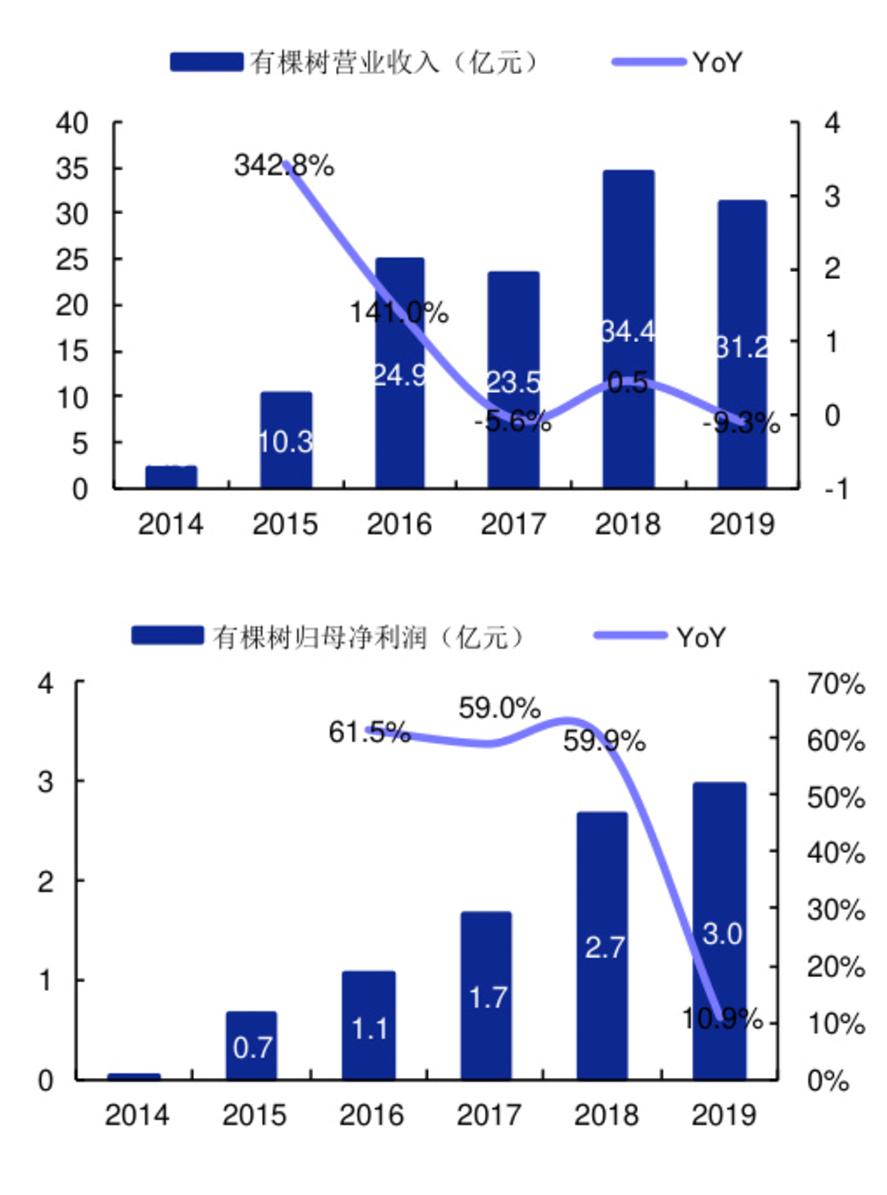
Core Viewpoint - The company "Youkeshu" has undergone significant leadership changes, with the entire core management team being replaced, reflecting a broader struggle within the cross-border e-commerce industry as it transitions from rapid growth to regulatory compliance and market competition [1][2][3] Company Overview - Youkeshu, once a leading player in the cross-border e-commerce sector, has seen its founder and original management team completely exit the company [2] - The company was established during the boom of cross-border e-commerce in China and quickly rose to prominence, being recognized as a benchmark in the industry [2][3] Financial Trajectory - Youkeshu experienced rapid growth, achieving a peak valuation of 30 billion yuan after multiple rounds of financing, with significant revenue growth reported in 2016 [4][11][12] - However, the company faced severe financial difficulties, reporting losses of 27.05 billion yuan in 2021, 3.61 billion yuan in 2022, and 4.91 billion yuan in 2023, leading to bankruptcy restructuring [19][21] Market Challenges - The company’s business model, heavily reliant on third-party platforms like Amazon, proved vulnerable to regulatory changes, particularly during the "account suspension wave" initiated by Amazon in 2021 [17][18] - The shift from a growth-driven to a compliance-driven market has exposed the weaknesses in Youkeshu's operational strategy, emphasizing the need for a strong brand and compliance with regulations [21][22] Leadership Changes - Following a tumultuous restructuring process, a new management team has taken over, with the founder and original team members being ousted [20][21] - The new leadership faces the challenge of reviving the company amidst a significant decline in revenue, with a reported 81.33% drop in revenue in the first half of the year [21] Industry Reflection - The story of Youkeshu serves as a cautionary tale for the cross-border e-commerce industry, highlighting the risks associated with over-reliance on platform traffic and the importance of establishing a sustainable business model [22]
别再做侵权梦!Labubu爆火背后,亚马逊卖家连夜撤退
Sou Hu Cai Jing· 2025-06-16 05:10
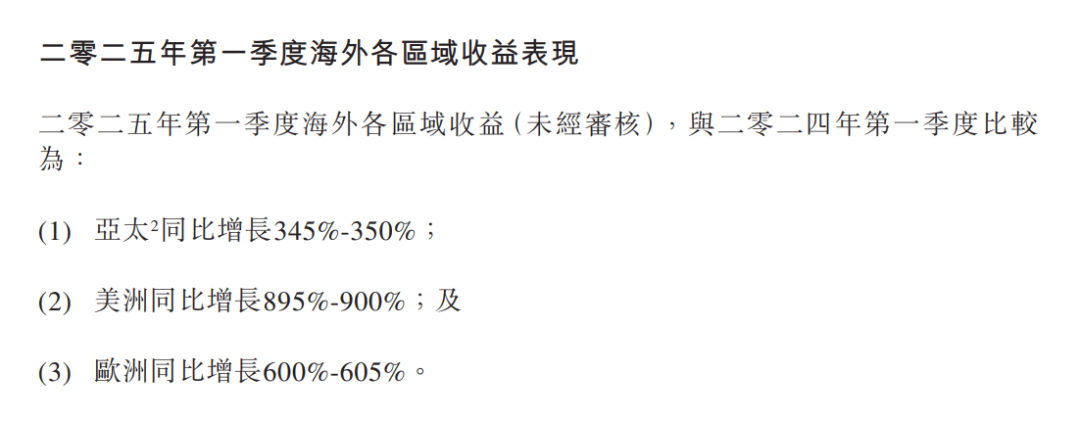
Core Insights - The article highlights the explosive growth of the "Labubu" IP launched by Pop Mart, which has become a global phenomenon in the cross-border e-commerce market, particularly in the U.S. and Europe, with sales increasing significantly in 2025 [1][2] - Despite the initial success, a sudden withdrawal of sellers from Amazon raises concerns about underlying risks, particularly related to intellectual property infringement and compliance issues [1][12] Sales Performance - Labubu 3.0 series saw sales growth of approximately 8 times in the U.S. and 5 times in Europe in April 2025 [1] - Pop Mart's Q1 2025 financial report indicated a total revenue increase of 165%-170%, with overseas market revenue soaring by 475%-480% [1] - In the U.S. market, Labubu's sales surged by 895%-900%, establishing it as a leading IP [1] Product Popularity - The popularity of Labubu products on Amazon is evident, with over 2000 SKUs available, including clothing, accessories, and stickers [3] - Labubu clothing sets dominated the "Doll Clothing & Accessories Sets" sales rankings on Amazon, with the top item selling over 1000 units in the previous month [3] Seller Behavior and Risks - Sellers on platforms like AliExpress have capitalized on Labubu's popularity, with high profit margins reported, such as a 800% profit on certain products [6] - However, many sellers face significant risks due to potential infringement issues, as they attempt to associate their products with Labubu without authorization [7][12] Compliance and Legal Challenges - Amazon has initiated a crackdown on unauthorized Labubu-related products, leading to the removal of listings and raising awareness among sellers about the platform's reduced tolerance for brand association [9][12] - Sellers attempting to circumvent compliance measures have still faced removal from the platform, indicating strict enforcement of intellectual property rights [11] Market Dynamics - The article discusses the phenomenon of sellers blindly following trends, which can lead to market oversaturation and price wars, ultimately harming profitability [13] - It emphasizes the importance of compliance and respecting intellectual property rights as fundamental to long-term success in the cross-border e-commerce industry [14] Long-term Strategy - The success of Labubu illustrates the vast market potential for trendy IPs, but it also highlights that short-term profits do not equate to sustainable business [15] - Successful sellers are those who focus on original design and brand development while adhering to compliance, rather than seeking quick profits through risky practices [15][17]