3C电子

Search documents
从“国际物流村”看中国制造出海新气象
Xin Lang Cai Jing· 2026-02-20 13:31
Core Insights - The logistics industry in Shenzhen's Fuwei community has transformed from simple courier services to a comprehensive ecosystem with over 4,300 logistics companies, processing over one million cross-border packages daily, with a revenue exceeding 10 billion yuan since 2025 [2][5] Group 1: Industry Transformation - The logistics sector has evolved significantly since the 1990s, moving from basic package handling to sophisticated logistics solutions that cater to high-end products and original Chinese brands [2][4] - The average daily processing volume for logistics companies like Baiwei International is around 800 to 1,000 tons, with an annual handling capacity of approximately 300,000 tons [3] - The growth in order volume to regions like Russia, Southeast Asia, and Europe has increased by 20% year-on-year since 2025, reflecting a shift towards higher-value goods [2][5] Group 2: Technological Advancements - Companies are leveraging smart technologies, such as automated forklifts and integrated management systems, to enhance operational efficiency and improve customs clearance processes [2][4] - The logistics firms have developed dedicated routes that can deliver packages to major countries in Europe and America within 5 to 7 days, at prices 30% lower than leading international courier companies [4] Group 3: Government and Policy Support - The local government has established a collaborative platform involving customs and logistics companies to streamline operations and reduce costs for nearly 200 businesses, including major players like Amazon [5] - Shenzhen's foreign trade is projected to reach 4.55 trillion yuan by 2025, with a 1.4% year-on-year growth, driven by strong exports in high-tech products such as new energy vehicles and consumer drones [5]
新春走基层丨从“国际物流村”看中国制造出海新气象
Xin Hua She· 2026-02-15 08:37
Core Insights - The article highlights the transformation of Shenzhen's "International Logistics Village" into a hub for high-value exports, showcasing the evolution of logistics in supporting China's manufacturing sector's global expansion [1][2][6]. Group 1: Logistics Development - The "International Logistics Village" covers an area of 4.4 square kilometers and hosts over 4,300 logistics companies, processing over one million cross-border packages daily, with delivery times as short as 2 days to major Asian cities and 3 days globally [2][3]. - Since 2025, orders to regions such as Russia, Southeast Asia, and Europe have increased by 20%, with revenue surpassing 10 billion yuan [3]. - The logistics sector has shifted from handling low-cost goods to focusing on original Chinese brand products, reflecting a significant upgrade in service quality and operational efficiency [5][6]. Group 2: Technological Integration - Companies like Shenzhen Yidai International Logistics have adopted advanced technologies, including real-time tracking and automated systems, enhancing operational efficiency and reducing customs clearance times [5][6]. - The logistics industry has transitioned from merely transporting goods to providing comprehensive supply chain solutions, including logistics, customs, and overseas warehousing [7]. Group 3: Government and Industry Collaboration - The local government has established a one-stop service platform to facilitate logistics operations, reducing costs and streamlining customs processes for nearly 200 companies, including major players like Amazon [8]. - Shenzhen's foreign trade is projected to reach 4.55 trillion yuan by 2025, with a 1.4% year-on-year growth, driven by strong exports in high-tech products such as electric vehicles and consumer drones [8].

新春走基层 |从“国际物流村”看中国制造出海新气象
Xin Hua She· 2026-02-15 05:42
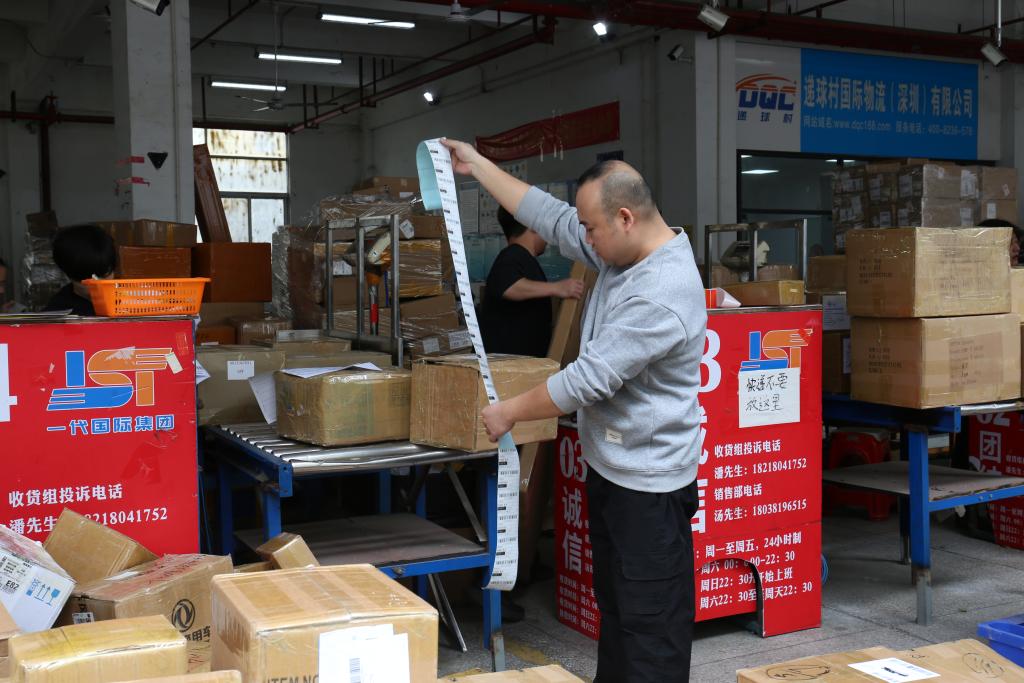
Core Insights - The article highlights the vibrant activity in Shenzhen's "International Logistics Village," showcasing its transformation from a simple logistics hub to a comprehensive ecosystem supporting high-value exports and innovative Chinese brands [2][4]. Group 1: Industry Overview - The "International Logistics Village" in Shenzhen's Fuwei community spans 4.4 square kilometers and houses over 4,300 logistics companies, processing more than one million cross-border packages daily [2][3]. - Since 2025, the order volume for shipments to regions like Russia, Southeast Asia, and Europe has increased by 20%, with revenue surpassing 100 billion yuan [2][3]. - The logistics sector has evolved from handling low-cost goods to focusing on high-end products, with companies adapting to the diverse and sophisticated demands of Chinese manufacturing [4][5]. Group 2: Company Innovations - Shenzhen Yidai International Logistics Group has shifted its focus from low-cost items to original Chinese brands, with a significant increase in demand for high-end apparel and smart hardware [2][4]. - The company processes approximately 30,000 tons of cargo annually, with daily throughput ranging from 800 to 1,000 tons, and has optimized its logistics routes to cater to the "new three samples" export trend [3][4]. - The logistics model has transitioned from merely transporting goods to providing comprehensive supply chain solutions, including customs clearance and overseas warehousing [4][5]. Group 3: Government Support - The local government has implemented a one-stop service platform to facilitate logistics operations, reducing costs and streamlining customs processes for nearly 200 companies, including major players like Amazon [6]. - Shenzhen's foreign trade is projected to reach 4.55 trillion yuan by 2025, with a 1.4% year-on-year growth, driven by strong exports of high-tech products such as new energy vehicles and consumer drones [6].
2026中国跨交会3月福州开幕:2000展位汇聚全球跨境商机,赋能产业出海
Sou Hu Cai Jing· 2026-01-19 02:17
Core Viewpoint - The 6th China Cross-Border E-Commerce Trade Fair is scheduled to take place from March 18 to 20, 2026, at the Fuzhou Strait International Conference and Exhibition Center, featuring approximately 2,000 exhibition booths to cover the entire cross-border e-commerce industry chain and facilitate global market connections [1]. Group 1: Event Highlights - The fair is co-hosted by the Ministry of Commerce's Foreign Trade Development Bureau and the Fujian Import and Export Chamber of Commerce, with Fujian Huiyuan International Exhibition Co., Ltd. as the organizer [3]. - The event will feature over ten exhibition areas, including home goods, 3C electronics, gifts and cosmetics, footwear and bags, outdoor and maternal-infant products, and furniture and hardware, linking over 80 foreign trade industrial belts nationwide [3]. - A diverse range of companies, including cross-border e-commerce platforms, comprehensive service providers, logistics, payment, and digital marketing firms, will participate, creating a "one-stop" cross-border cooperation platform [3]. Group 2: Exhibition Area Overview - Home and daily consumer goods: kitchenware, cleaning and storage items, cups, and utensils [6]. - 3C electronics and health products: small appliances, digital accessories, and health monitoring products [6]. - Gifts, stationery, and cosmetics: holiday gifts, beauty care products, and creative stationery [6]. - Footwear, textiles, bags, and outdoor sports: clothing, hats, home textiles, and outdoor gear [6]. - Toys, maternal-infant, pet products, and food: trendy toys, maternity products, pet food, and beverages [6]. - Furniture, building materials, gardening, and automotive parts: smart home products, hardware, lighting, gardening tools, and automotive accessories [6]. - Cross-border e-commerce service area: services covering platforms, logistics, payment, operations, and talent across the entire chain [6]. Group 3: Special Exhibition Area - A dedicated exhibition area for the cross-border e-commerce comprehensive pilot zone will showcase local industrial belts and park innovation achievements [4].
中国中免:重塑免税业态
Zheng Quan Ri Bao Zhi Sheng· 2025-12-30 16:13
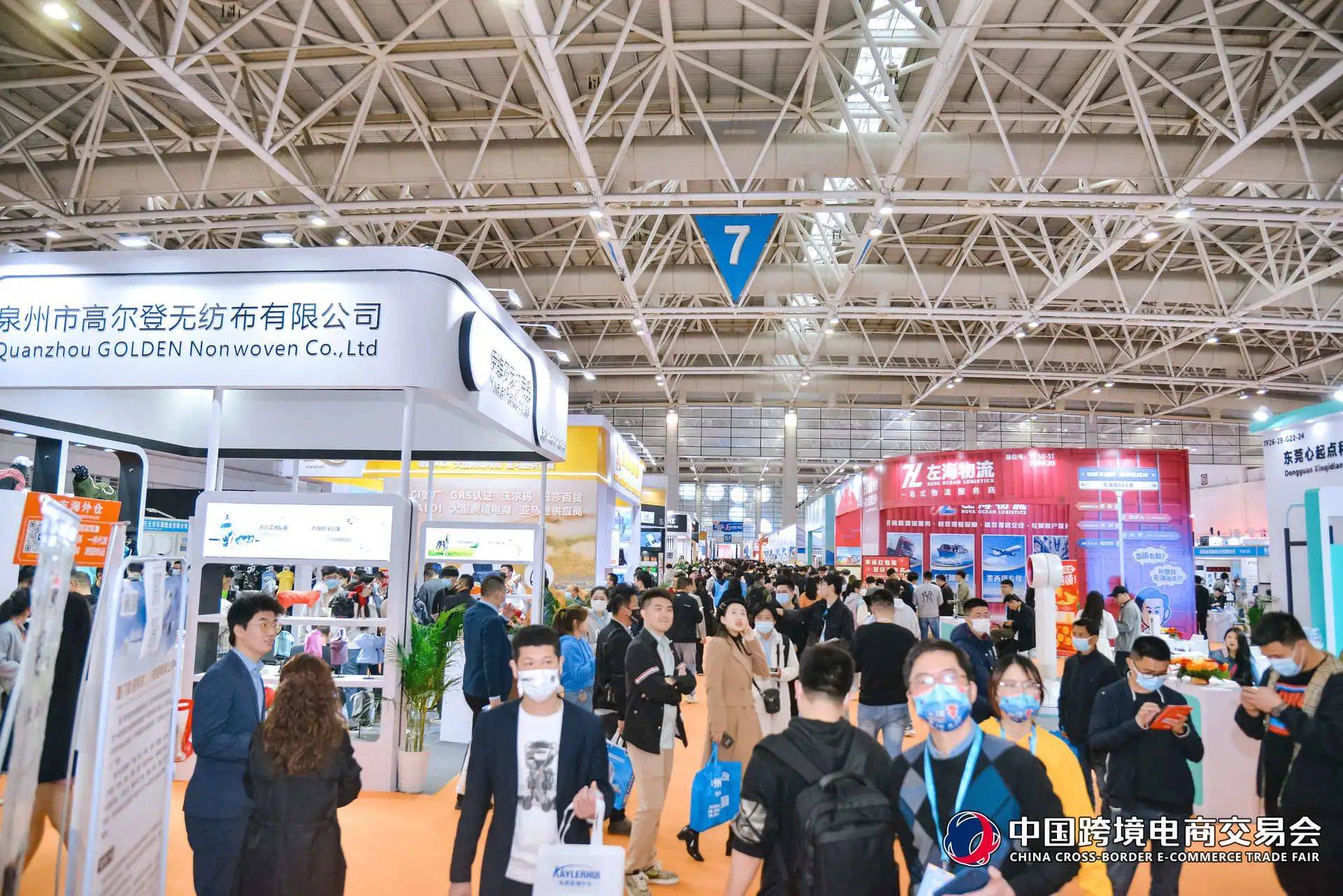
Core Viewpoint - The article discusses how China Duty Free Group (China CDF) is leveraging the new opportunities presented by Hainan's customs closure policy and the recovery of consumer spending to maintain its leading position in the duty-free market, focusing on innovative service and experiential consumption to drive growth [1]. Group 1: Market Performance - Following the customs closure on December 18, Sanya International Duty Free City experienced a surge in visitor numbers, with 36,000 visitors on the first day, a 60% year-on-year increase, and sales up 85% [2]. - From December 18 to December 24, the first week of Hainan's customs closure, Sanya's duty-free sales reached 736 million yuan, a 48.2% increase year-on-year, with Sanya International Duty Free City contributing over 90% of this sales performance [2]. Group 2: Competitive Advantage - Sanya International Duty Free City holds over 90% market share in a competitive environment due to China CDF's brand resource advantages and its "retail + cultural tourism" operational model [3]. - The city is set to become a national AAAA-level tourist attraction by 2025, marking it as the first national-level tourist site centered around duty-free commerce [3]. Group 3: Consumer Engagement Strategies - The company is enhancing consumer experiences through immersive shopping environments, hosting various artistic and cultural events, and utilizing pop-up stores to convert IP traffic into consumer engagement [3][4]. - The focus on emotional value consumption is driving the company to introduce diverse IPs and create interactive shopping experiences to invigorate the Hainan international tourism consumption center [4]. Group 4: Business Expansion - China CDF operates six duty-free stores in Hainan, implementing a "one island, multiple stores" strategy to create a comprehensive duty-free ecosystem [5]. - The company is expanding into "taxable business" areas, with new projects in Sanya International Duty Free City and partnerships with high-end hotels and commercial real estate [6]. Group 5: Product Diversification - To meet diverse consumer needs, China CDF is introducing a variety of products, including domestic brands and new categories like small appliances and drones, enhancing the international influence of Hainan's duty-free stores [8]. - The company is also increasing collaboration with domestic brands, aiming to showcase traditional Chinese culture through premium products in its stores [9]. Group 6: Global Market Integration - China CDF is not only bringing international brands to China but also promoting Chinese brands globally, with initiatives to integrate domestic products into duty-free channels [8]. - The company has secured operations in international markets, including Hong Kong and Macau, and is actively entering the Vietnamese market to promote Chinese products abroad [9]. Group 7: Future Outlook - China CDF plans to continue leveraging the "duty-free+" model to promote multi-dimensional integration of culture, commerce, and tourism, contributing to the high-quality development of China's tourism retail industry [10].

莞货出海启动“新打法”:“制造+流量”输出全球品牌
Xin Lang Cai Jing· 2025-12-29 09:57
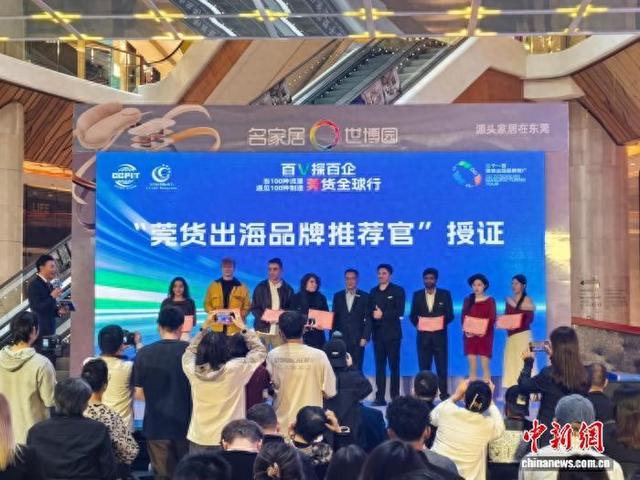
Core Viewpoint - The "Three Hundreds" brand promotion event for Dongguan products aims to enhance the internationalization and cluster development of local brands through a model that integrates "manufacturing + traffic" [1][4]. Group 1: Event Overview - The event is organized by the Dongguan Council for the Promotion of International Trade and involves collaboration with "hundred chambers of commerce, hundred influencers, and hundred well-known enterprises" [1]. - Nearly a hundred influencers from both domestic and international backgrounds participated in the launch ceremony [1]. Group 2: Industry Transformation - The president of the Dongguan Leather Shoe Industry Association highlighted the transition of "Dongguan manufacturing" from "OEM" to "independent brands," emphasizing the importance of quality, brand, and cultural strength in overseas markets [3]. - The company has utilized live streaming, collaborations with cross-border influencers, and overseas social media accounts to enhance brand recognition in international markets [3]. Group 3: Influencer Engagement - Influencer Zein from Syria, with over three million followers, noted that Dongguan possesses top-notch industrial chains and craftsmanship, expressing a willingness to connect Dongguan with global consumers through media [3]. Group 4: Future Plans - The event will focus on key industries in Dongguan, including 3C electronics, apparel, furniture, toys, and smart equipment, organizing influencers to visit and create content in various enterprises [3]. - The Dongguan Council for the Promotion of International Trade aims to facilitate the integration of manufacturing with new media resources, helping Dongguan products enter more global markets [4].
消费出海先锋,迈入跨境生态出海时代(下)
Sou Hu Cai Jing· 2025-12-18 10:26
Demand - The global e-commerce penetration rate is increasing, accelerated by the pandemic, with global e-commerce retail sales reaching $5.4 trillion in 2022 and expected to reach approximately $6 trillion in 2023. The penetration rate rose from 7% in 2015 to 19% in 2022, projected to reach 23% by 2026 [3][4] - The e-commerce market is concentrated in the Asia-Pacific and North America/Europe regions, which account for about 88% of the global market. Emerging markets like Southeast Asia, the Middle East, and Africa show strong growth potential [3][4] - The U.S. and Western Europe are key markets for consumer goods due to high GDP per capita and strong consumer willingness, while the Middle East offers a favorable trade environment and Southeast Asia has a large population with significant consumption potential [3][4] Supply - Amazon holds a dominant position in the e-commerce industry across North America, Western Europe, and other regions, with a global market share of approximately 15% in 2022. Over 50% of cross-border sellers prefer Amazon as their platform [5][7] - Temu has pioneered a fully managed operation model since September 2022, attracting domestic sellers and global buyers, leading to a trend among platforms to adopt similar models [7] - China has a strong supply chain advantage, providing a rich and high-quality product base for cross-border e-commerce, which also drives the digital transformation of its manufacturing sector [8] - The cross-border direct shipping and overseas warehouse model is currently mainstream, with over 2,000 overseas warehouses in China and a significant increase in the number of warehouses in emerging markets [9]


出海老人,“搞丢了”自己的上市公司
创业邦· 2025-11-01 10:06
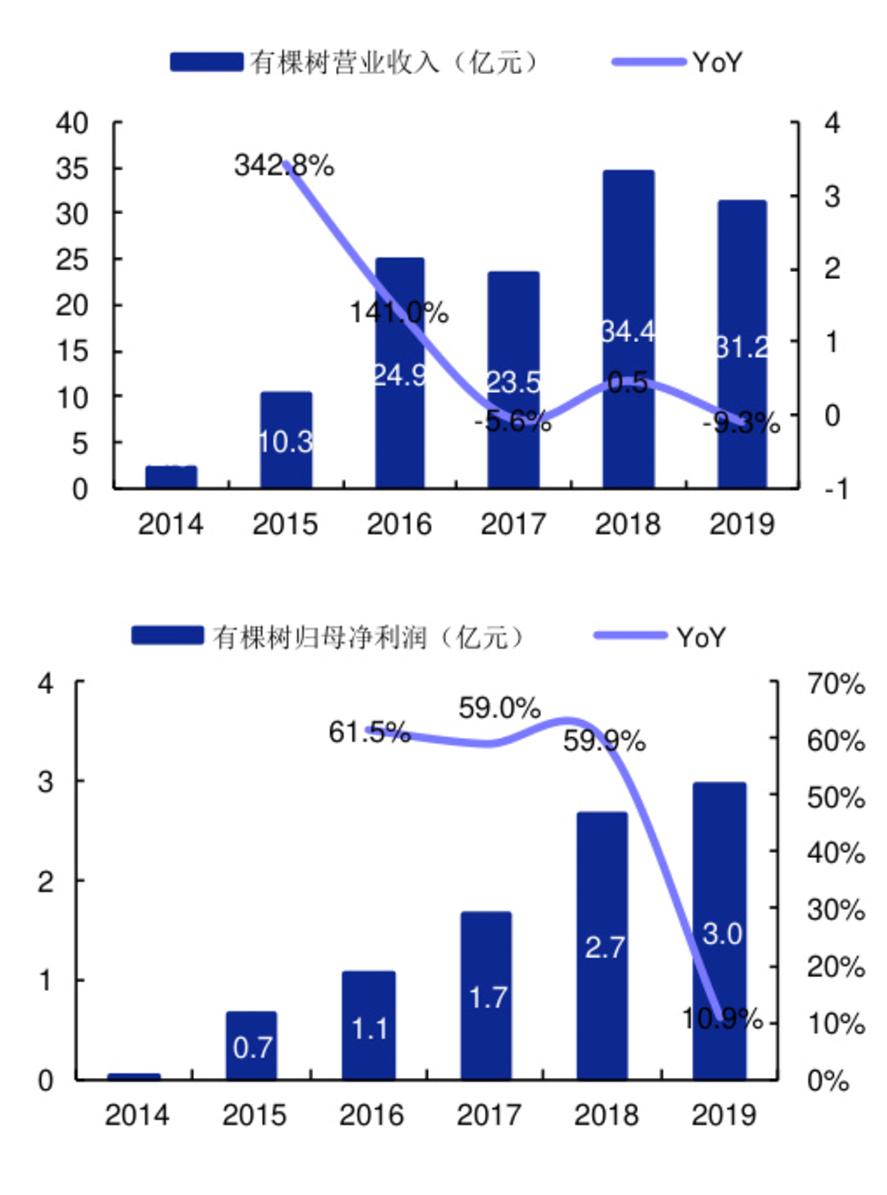
Core Viewpoint - The article discusses the rise and fall of the cross-border e-commerce giant "Youkeshu," highlighting its rapid growth, subsequent financial struggles, and the implications for the industry as a whole. It emphasizes the shift from a reliance on platform traffic to the necessity of brand building and compliance in the evolving market landscape [6][8][24]. Group 1: Company Background and Growth - Youkeshu was founded by Xiao Siqing in 2010, capitalizing on the cross-border e-commerce boom, leveraging Shenzhen's supply chain advantages to sell high-quality products globally [11][12]. - The company experienced rapid expansion, reaching 200 employees by 2013 and becoming a sought-after investment target, completing multiple funding rounds that culminated in a peak valuation of 30 billion yuan in 2017 [10][13][14]. - In 2016, Youkeshu reported a revenue of 2.49 billion yuan, marking a 141% increase from the previous year, and became known as the "first stock" in cross-border e-commerce after listing on the New Third Board [14][18]. Group 2: Challenges and Decline - Following its acquisition by Tianze Information in 2018, Youkeshu faced stringent performance targets, which became increasingly difficult to meet due to external market pressures, including a crackdown on Chinese sellers by Amazon [19][20]. - The company suffered significant losses, reporting 2.705 billion yuan in 2021, 361 million yuan in 2022, and 491 million yuan in 2023, leading to a debt crisis and eventual bankruptcy restructuring in 2024 [21][24]. - Internal conflicts arose during the restructuring process, culminating in a complete overhaul of the board, with the original management team being replaced in 2025 [22][23]. Group 3: Industry Implications - The decline of Youkeshu reflects a broader shift in the cross-border e-commerce industry from a focus on traffic-driven growth to the importance of brand establishment and compliance with regulations [24]. - The article underscores the necessity for companies to adapt to stricter compliance requirements and to build sustainable business models that do not solely rely on platform traffic [24]. - Youkeshu's trajectory serves as a cautionary tale for other companies in the sector, illustrating that short-term gains from capital and traffic cannot substitute for robust governance and compliance practices [24].

出海老人,“搞丢了”自己的上市公司
3 6 Ke· 2025-10-29 02:04
Core Viewpoint - The company "Youkeshu" has undergone significant leadership changes, with the entire core management team being replaced, reflecting a broader struggle within the cross-border e-commerce industry as it transitions from rapid growth to regulatory compliance and market competition [1][2][3] Company Overview - Youkeshu, once a leading player in the cross-border e-commerce sector, has seen its founder and original management team completely exit the company [2] - The company was established during the boom of cross-border e-commerce in China and quickly rose to prominence, being recognized as a benchmark in the industry [2][3] Financial Trajectory - Youkeshu experienced rapid growth, achieving a peak valuation of 30 billion yuan after multiple rounds of financing, with significant revenue growth reported in 2016 [4][11][12] - However, the company faced severe financial difficulties, reporting losses of 27.05 billion yuan in 2021, 3.61 billion yuan in 2022, and 4.91 billion yuan in 2023, leading to bankruptcy restructuring [19][21] Market Challenges - The company’s business model, heavily reliant on third-party platforms like Amazon, proved vulnerable to regulatory changes, particularly during the "account suspension wave" initiated by Amazon in 2021 [17][18] - The shift from a growth-driven to a compliance-driven market has exposed the weaknesses in Youkeshu's operational strategy, emphasizing the need for a strong brand and compliance with regulations [21][22] Leadership Changes - Following a tumultuous restructuring process, a new management team has taken over, with the founder and original team members being ousted [20][21] - The new leadership faces the challenge of reviving the company amidst a significant decline in revenue, with a reported 81.33% drop in revenue in the first half of the year [21] Industry Reflection - The story of Youkeshu serves as a cautionary tale for the cross-border e-commerce industry, highlighting the risks associated with over-reliance on platform traffic and the importance of establishing a sustainable business model [22]
2026福州跨境电商展:自贸赋能・数贸枢纽・链接全球
Sou Hu Cai Jing· 2025-10-17 01:52
Core Insights - The sixth China Cross-Border E-commerce Fair will be held from March 18 to 20, 2026, in Fuzhou, focusing on digital trade and global connectivity [1] - The fair aims to provide a Chinese solution for the digital transformation of global trade, leveraging Fuzhou's unique geographical advantages and policy benefits [1] Group 1: Event Overview - The fair is the first cross-border e-commerce exhibition in China certified by the International Exhibition Industry Association (UFI) [1] - The event theme is "Free Trade Empowerment, Digital Trade Hub, Linking the World" [1] Group 2: Logistics and Infrastructure - Fuzhou features a logistics network with direct access to the exhibition center via Metro Line 4, 12 cross-border cargo routes from Changle Airport, and full coverage of RCEP shipping routes from Jiangyin Port [4] - The "Cross-Border Bonded Warehouse" in the Free Trade Zone enables rapid customs clearance within 72 hours, supported by new policies for cross-border trade [4] Group 3: Exhibition Highlights - The exhibition area spans 72,000 square meters, showcasing new products in 3C electronics, smart home, and green products, catering to the trend of global consumption upgrades [6] - AI tools for product selection and virtual digital sales assistants will enhance customer engagement and conversion rates [8] Group 4: Strategic Forums - High-level forums such as the "National Goods Going Global Strategy Summit" and "Brand Globalization Forum" will discuss the practical application of AI in logistics and marketing [8] Group 5: Economic Impact - The fair is expected to generate over 10 billion USD in transaction volume, highlighting its role as a platform linking RCEP markets and emerging trade hubs [11] - The event is positioned as a testing ground for the deep integration of digital technology and global trade [11]