躁动行情

Search documents
三大有利条件支撑“躁动行情”前置开启,同类规模最大的自由现金流ETF(159201)获资金抢筹
Sou Hu Cai Jing· 2025-12-25 02:08
Group 1 - The three major stock indices opened mixed, with the Shanghai Composite Index down 0.08%, the Shenzhen Component Index down 0.1%, and the ChiNext Index up 0.11% [1] - The National Securities Free Cash Flow Index opened slightly lower, currently down about 0.25%, with constituent stocks like Nanjing New百, Furi Special Equipment, and Fiyada leading the gains [1] - The largest free cash flow ETF (159201) has attracted over 910 million yuan in the last 20 trading days, bringing its latest scale to 8.282 billion yuan, indicating significant capital inflow [1] Group 2 - The Free Cash Flow ETF (159201) and its linked funds (A: 023917; C: 023918) closely track the National Securities Free Cash Flow Index, selecting stocks with positive and high free cash flow after liquidity, industry, and ROE stability screening [2] - The fund management fee is set at an annual rate of 0.15%, and the custody fee at 0.05%, both of which are the lowest in the market, maximizing benefits for investors [2]


本轮躁动行情有哪些潜在启动信号?
Sou Hu Cai Jing· 2025-12-21 23:57
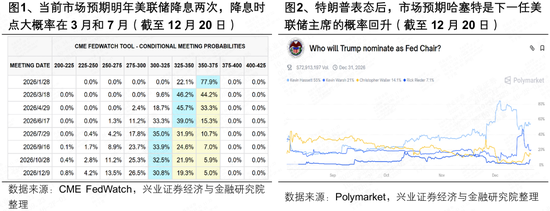
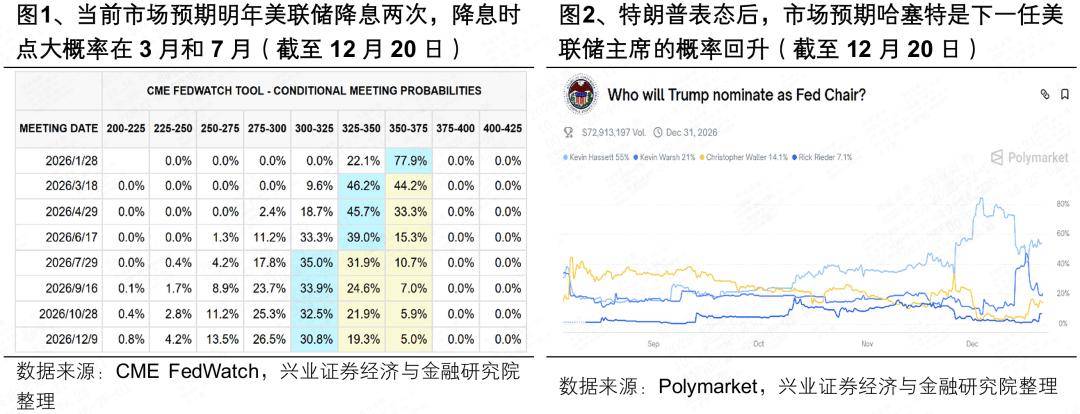
Group 1 - The core viewpoint of the article is that the recent domestic and international policy validation has created a favorable foundation for market volatility, with expectations for a potential rally in the near future [1][4] - The U.S. employment and inflation data released this week did not trigger additional pessimism, instead providing more room for the Federal Reserve to consider further easing [1][4] - The recent interest rate hike by the Bank of Japan was not as hawkish as expected, alleviating concerns about liquidity impacts from carry trade unwinding [2][4] Group 2 - Historical experiences indicate that significant market rallies often require a catalytic event, which can be categorized into three types based on their initiation timing and factors [6][8] - The current market conditions align with the second category, where a strong performance throughout the year is followed by a rally after year-end disturbances are resolved [6][8] - Key indicators that could signal the start of a market rally include the resolution of uncertainties that previously suppressed the market, easing monetary policies, and positive data validating an improving economic outlook [16][20] Group 3 - The economic work conference has maintained a positive and expansionary policy tone, which supports the expectation of a market rally [10][20] - The upcoming data releases are expected to validate improvements in the domestic economic fundamentals, with macro indicators like PPI and micro indicators such as corporate earnings forecasts showing positive trends [10][20] - The market is anticipated to shift from a cautious stance to actively seeking opportunities, with a focus on sectors that benefit from both domestic recovery and international easing [4][20] Group 4 - The investment strategy should focus on sectors with high growth potential, such as AI, advanced manufacturing, and consumer services, which are expected to benefit from the current market conditions [17][20] - The technology growth sector is seen as a key driver for the upcoming market rally, with favorable conditions returning for investments in innovative technologies and related industries [22][20] - The emphasis on sectors benefiting from domestic demand recovery and international monetary easing suggests a strategic shift towards cyclical and growth-oriented investments [20][22]

兴证策略张启尧团队:本轮躁动行情有哪些潜在启动信号?
Xin Lang Cai Jing· 2025-12-21 10:30
Group 1 - The market is experiencing increased volatility since December, reflecting a series of important events impacting liquidity and fundamental expectations, leading to a cautious and speculative sentiment among investors [1][27] - The recent Federal Reserve meeting and the domestic Central Economic Work Conference have set a more favorable overall tone than market expectations, laying a good foundation for a potential market rally [1][32] - The U.S. employment and inflation data released this week did not trigger further pessimism, instead providing more room for the Fed to consider further easing, with the November unemployment rate slightly rising and CPI data significantly below expectations [1][30] Group 2 - Japan's recent interest rate hike of 25 basis points did not lead to the anticipated liquidity shock from carry trade unwinding, as market expectations were already priced in [4][30] - The Bank of Japan's governor indicated that further data would be needed before making additional rate decisions, suggesting a cautious approach moving forward [4][30] - The convergence of various international events affecting liquidity expectations, combined with a supportive domestic policy environment, is expected to shift investor behavior from cautiousness to actively seeking opportunities [6][32] Group 3 - Historical patterns indicate that market rallies often require a catalytic event, with potential signals for the current rally categorized into three types: strong macro policy shifts, year-end market performance stabilization, and early-year market dynamics [7][33] - The current market conditions align with the second category, where strong performance throughout the year leads to a rally after year-end disturbances are resolved [7][33] - Key indicators to watch for potential rally signals include the possibility of interest rate cuts and improvements in fundamental data such as PPI, PMI, and corporate earnings forecasts [17][19] Group 4 - The investment strategy should focus on sectors benefiting from economic recovery and supportive policies, particularly in cyclical industries and new consumption trends [20][22] - High-growth sectors such as AI, renewable energy, and advanced manufacturing are expected to lead the market rally, supported by favorable liquidity conditions and risk appetite [24][22] - The market is anticipated to transition from a balanced style to favoring small-cap and technology growth sectors as the rally progresses [18][24]