水果进出口

Search documents
中国牛油果进出口市场动态监测月报(2025年12月)
农小蜂数智云· 2026-02-10 02:00
Investment Rating - The report does not explicitly provide an investment rating for the avocado industry in China Core Insights - The avocado industry in China is still in its early stages, with limited commercial planting area and a majority of production regions not yet in operation, leading to a relatively weak sustainable supply and export capacity [3][39] - China has become one of the top 10 importers of avocados globally, with increasing influence and importance in international trade [3] - The average import price of avocados has shown a downward trend, while export volumes and values have significantly increased [10][29] Summary by Sections Import Market Dynamics - In December 2025, China's avocado imports totaled 4002.58 tons, a decrease of 7.27% month-on-month and 5.44% year-on-year, with an import value of 1074.46 million USD, down 11.88% month-on-month and 20.94% year-on-year [10][11] - The average import price was 2.68 USD/kg, reflecting a decrease of 5.30% month-on-month and 16.51% year-on-year [10] - Cumulatively, in 2025, China imported 64679.06 tons of avocados, representing an 8.70% increase in volume compared to 2024 [11] Major Import Sources - The primary sources of avocado imports in December 2025 were Chile (2074.08 tons), Peru (1737.83 tons), and New Zealand (120.25 tons), with Chile being the largest supplier [22][23] - Chile accounted for 51.82% of total imports by volume and 55.44% by value [22] Export Market Dynamics - In December 2025, China's avocado exports reached 143072 kg, a staggering increase of 1010.98% month-on-month and 337.36% year-on-year, with an export value of 605821 USD [29] - The average export price was 4.23 USD/kg, up 70.56% month-on-month and 36.45% year-on-year [29] - Cumulatively, in 2025, China exported 228.74 tons of avocados, a 330.21% increase in volume compared to 2024 [30] Major Export Destinations - The main destination for avocado exports in December 2025 was Hong Kong, accounting for 80.21% of total export volume [39][40] - The average export price to Hong Kong was 4.88 USD/kg, the highest among all destinations [40] Major Export Routes - The primary export route was from Guangdong to Hong Kong, which accounted for 80.21% of total export volume [43][44] - This route also had the highest average export price at 4.88 USD/kg [43]
中国年货市场助推东盟水果持续走俏
Xin Hua Wang· 2026-02-08 08:43
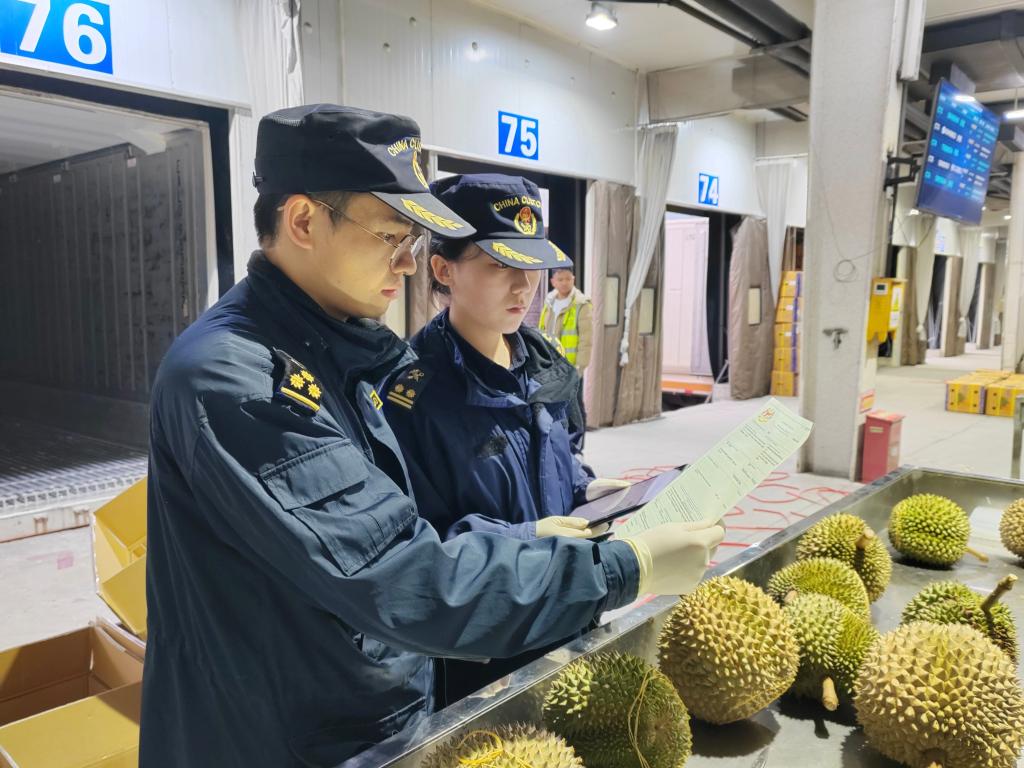
Core Viewpoint - The Chinese New Year market is significantly boosting the demand for ASEAN fruits, particularly durians and pomelos, as consumers increasingly prefer high-quality imported fruits for their holiday celebrations [2][3]. Group 1: Market Demand and Trends - The Chinese fruit consumption market is projected to reach a total import and export trade value of $25.2 billion by 2025, with imports expected to grow by 6.7% to $18.94 billion and export volumes increasing by 17.5% to 9.032 million tons [3]. - The demand for fresh durians has surged, with imports reaching $7.49 billion, marking a 7.1% increase year-on-year, primarily sourced from Thailand and Vietnam [3]. - Consumers are increasingly purchasing fruits through e-commerce platforms and live streaming, allowing for direct access to product quality and pricing [3]. Group 2: Logistics and Supply Chain - The Guangxi Friendship Pass is a crucial entry point for ASEAN fruits into China, with projected agricultural imports reaching 25.96 billion yuan by 2025, a growth of 24.3%, and fruit imports expected to hit 24.59 billion yuan, up 22.5% [3][4]. - The logistics for fruit imports have been accelerated, with companies importing approximately 3,000 containers of ASEAN fruits, mainly durians, during the peak season [4]. - The border inspection station has implemented a quick customs clearance system, reducing vehicle inspection times to about 15 seconds, enhancing efficiency by 75% [4][5]. Group 3: Regional Developments - The Nanning market is experiencing a surge in fruit imports, with 6,370 tons of fruits valued at 143 million yuan processed through the Aidian border inspection station [6]. - The Guangxi Qinzhou Port has opened 44 ASEAN routes by 2025, covering major ports in Southeast Asia, facilitating efficient logistics for agricultural products [6]. - Companies are exploring standardized import processing models for ASEAN fruits, aiming to expand their domestic market presence [6].

进口车厘子的抢鲜“三重奏”(经济聚焦)
Xin Lang Cai Jing· 2026-01-21 03:07
Core Insights - The article discusses the efficient supply chain and preservation techniques that allow Chilean cherries to reach Chinese consumers fresh and quickly, highlighting the importance of the Chile-China Free Trade Agreement since 2006 [1][4]. Group 1: Harvesting Techniques - Pre-cooling treatment is essential for keeping cherries fresh, where they are cooled immediately after harvesting to eliminate "field heat" [4]. - Cherries are washed and packaged in a controlled atmosphere to slow down respiration and preserve sweetness [4][5]. Group 2: Transportation Efficiency - The "Cherry Express" shipping route from Chile to Guangzhou significantly reduces transit time to 21-23 days, compared to traditional routes [6][7]. - The increase in shipping volume has led to lower prices for imported cherries, making them accessible to more Chinese households [7]. Group 3: Customs and Inspection Process - The customs process is streamlined, allowing cherries to enter the market within 2 hours of arrival, thanks to advanced inspection techniques and pre-declaration by companies [8][9]. - The use of automated screening algorithms and random sampling ensures food safety while maintaining efficiency in the customs process [9]. Group 4: Market Impact - The volume of imported cherries through the Nansha port has increased by nearly 30% compared to the previous year, indicating growing demand and effective supply chain management [10]. - The cherries are not only sold locally but also distributed to major cities across China within 24 hours, enhancing market reach [10].
经济聚焦|进口车厘子的抢鲜“三重奏”
Ren Min Ri Bao· 2026-01-21 02:10
Core Viewpoint - Chile has become a premium cherry production area due to its unique climate and geographical conditions, benefiting from the China-Chile Free Trade Agreement since 2006, which has facilitated the stable and large-scale export of cherries to China during the winter season [1] Harvesting - Pre-cooling treatment is employed to put cherries into a "dormant" state, enhancing their resistance to damage during transport [2] - Cherries are harvested and immediately taken to nearby storage for pre-cooling, where they are washed and packaged in a controlled atmosphere to slow down respiration and preserve freshness [3] Transportation - The "Cherry Express" shipping route from Chile to Guangzhou significantly shortens the travel time to 21-23 days, compared to traditional shipping methods [4] - The increase in shipping volume has led to a decrease in cherry prices, making them accessible to more Chinese households [5] - Chile now accounts for over half of the global cherry export volume, with over 90% of its cherries exported to China [5] Customs Clearance - The customs clearance process is efficient, allowing cherries to enter the market within 2 hours, facilitated by advanced monitoring technologies and streamlined procedures [7][8] - The customs authority employs automated screening and random inspections to ensure food safety, with a focus on rapid processing during peak seasons [8]
【光明时评】让全球好物与中国市场互利共赢
Xin Lang Cai Jing· 2026-01-11 20:19
Core Viewpoint - The article highlights the increasing accessibility of cherries in China, symbolizing improved consumer purchasing power and the benefits of China's open trade policies [1][2]. Group 1: Market Dynamics - Cherries, once considered a luxury fruit, have seen a significant increase in supply and a decrease in prices, leading to a shift in consumer purchasing behavior from buying by weight to buying by box [1]. - The term "cherry freedom" has emerged as a reflection of enhanced living standards, facilitated by China's economic development and strategic trade agreements [1][2]. Group 2: Trade and Logistics - China's free trade agreements with major cherry-producing countries like Chile have drastically reduced tariffs, making cherries more affordable for consumers [1]. - Efficient logistics, including "smart customs" and advanced cold chain technology, have enabled rapid delivery of cherries to Chinese markets, exemplified by a 20-minute customs clearance and subsequent market availability within 5 hours [1]. Group 3: Economic Impact - The demand for cherries in China has led to significant economic benefits for Chile, creating numerous jobs and encouraging local farmers to adopt new technologies and improve management practices [2]. - The story of cherries illustrates the broader narrative of China's commitment to high-level openness and its potential to drive sustainable global economic growth [3].
“钱凯—上海”航线一周年进出口货值突破55亿元
Xin Lang Cai Jing· 2025-12-21 07:21
Core Insights - The new maritime route "Qian Kai - Shanghai" has significantly enhanced trade between Peru and China, facilitating the efficient exchange of goods such as avocados, blueberries, and grapes from Peru and automobiles, home appliances, and daily necessities from China [1] Trade Growth - In the past year, the maritime route has achieved a total import and export value of 5.57 billion yuan and a cargo throughput of 205,000 tons [1] - In the first 11 months of this year, Shanghai's foreign trade import and export value with Peru increased by 40.3% year-on-year [1] Export Efficiency - The opening of the maritime route has made fruit exports from Peru more convenient, providing more opportunities for small and medium-sized enterprises [1] - The shipping time has been reduced from over a month to approximately 23 days, lowering overall costs for businesses and allowing fresh products to reach the market faster [1] Import Statistics - In the first 11 months of this year, Shanghai imported fruits from Peru worth 2.58 billion yuan, representing a year-on-year increase of 117.4% and accounting for over 70% of the national total for this category [1] - The customs authority has implemented a smart regulatory system to automatically review cold treatment data for imported fruits, further enhancing customs clearance efficiency [1]
对外贸易“双向奔赴” “钱凯-上海”海运航线进出口货值突破50亿元
Xin Hua She· 2025-12-09 02:08
Core Insights - The "QianKai-Shanghai" shipping route has achieved a significant milestone, with import and export value surpassing 5 billion RMB, reaching 5.35 billion RMB as of December 4, and facilitating 197,000 tons of goods [1][3] - The shipping route has notably reduced the maritime transport time between China and Peru from 35-40 days to 23 days, resulting in over 20% savings in logistics costs [1] - In the first ten months of this year, the import and export value between Shanghai and Peru increased by 47.1% compared to the same period last year, establishing the route as a vital economic corridor between China and Latin American countries [1] Group 1 - The "QianKai-Shanghai" shipping route is set to celebrate its first anniversary, marking a year of successful operations [1] - The route has facilitated the direct shipment of over 5,948 domestic vehicles from Shanghai to QianKai Port in Peru since its inception [1][3] - A "green channel" for customs clearance has been established to ensure efficient processing of high-demand Peruvian products such as avocados and blueberries [3] Group 2 - The official opening of QianKai Port occurred on November 14, 2024, with the first container ship arriving at Shanghai Yangshan Port on December 18 of the same year [3]
“中秘”海运航线进出口货值破50亿元,物流成本直降20%
Bei Ke Cai Jing· 2025-12-05 11:54
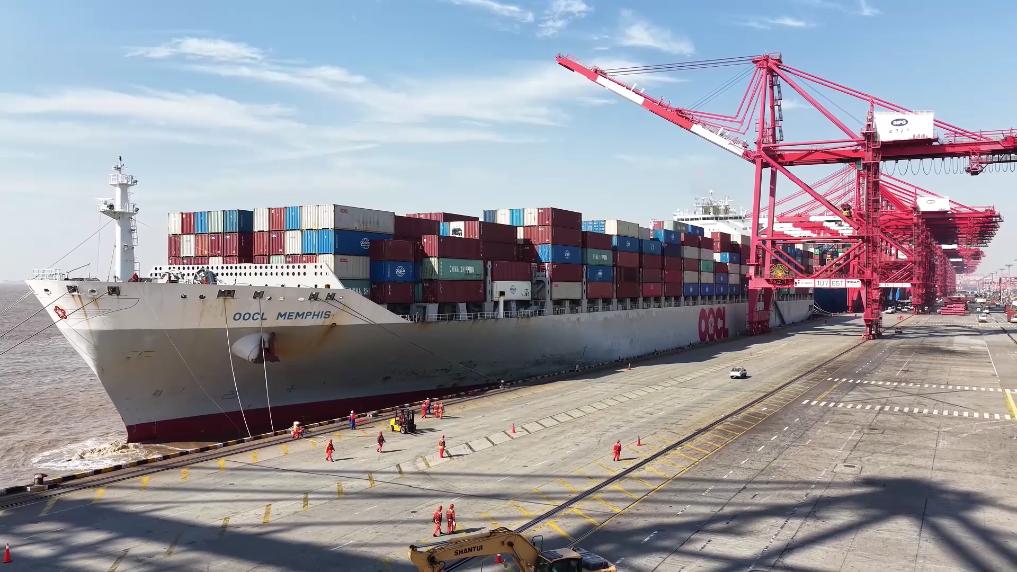
Core Insights - The "Qian Kai - Shanghai" shipping route has achieved an import and export value exceeding 5.3 billion yuan, with a total of 197,000 tons of goods traded, significantly boosting Shanghai's foreign trade with Peru by 47.1% in the first ten months of the year [1][2]. Group 1: Shipping Route Impact - The opening of the "Qian Kai - Shanghai" direct shipping route has reduced the shipping time between the two countries from 35-40 days to 23 days, resulting in over 20% savings in logistics costs for businesses [2][3]. - This route serves as an economic corridor between China and Latin American countries, enhancing trade relations [2]. Group 2: Trade Statistics - Peru's foreign trade has shown significant vitality, with export values increasing by 17.3% from January to September 2025, with China being the largest export destination [2]. - Approximately 42% of Peru's exports consist of agricultural products, including avocados and blueberries [2]. Group 3: Customs and Logistics - Shanghai Customs has implemented a "green channel" for high-time-sensitive goods like imported fruits, ensuring efficient customs clearance through a full-process supervision service model [3]. - The customs authority has introduced measures such as advance declaration and consolidated taxation to expedite document review and facilitate rapid inspection of goods [3]. Group 4: Automotive Exports - Since July, over 5,948 vehicles have been exported from Shanghai's South Port to Qian Kai Port in Peru, indicating a strong growth trend in automotive exports [6].
榴莲全年供应!东盟干鲜瓜果进口规模扩大,丰富国内“果篮子”
Sou Hu Cai Jing· 2025-11-14 14:46
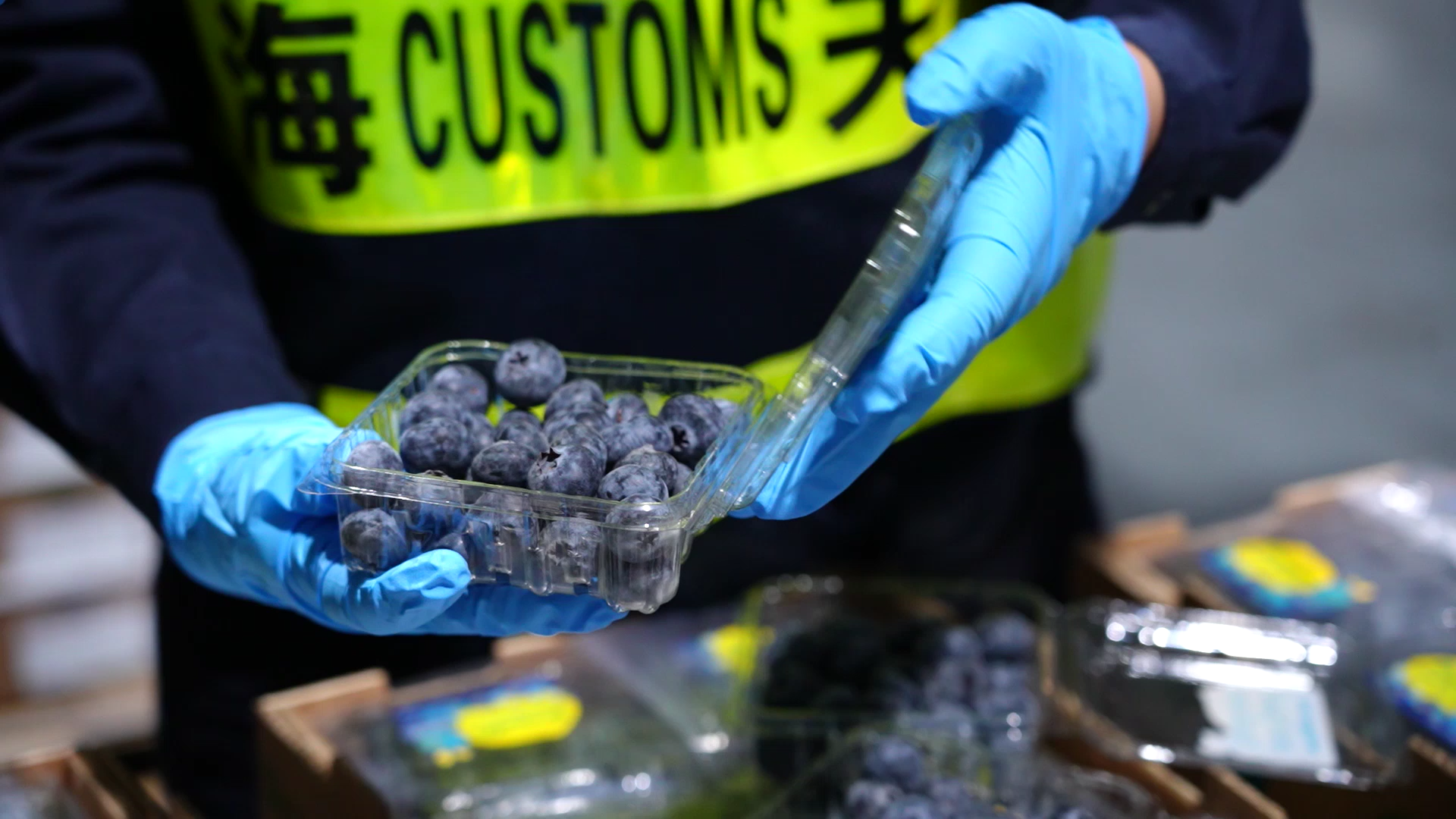
Core Insights - The import value of fresh and dried fruits and nuts from ASEAN countries to China has increased in the first three quarters of this year, driven by rising domestic market demand and a growing variety of imported products [1] Group 1: Market Trends - In Chongqing's largest fruit wholesale market, despite being the off-season for fruits, products from ASEAN such as durians, coconuts, dragon fruits, and longans are still in high demand, attracting many buyers [1] - The approval of Vietnamese durians for import has effectively filled the seasonal gap previously dominated by Thai durians, leading to a transformation of durians from a "seasonal product" to "year-round supply," resulting in a gradual price decrease [1] Group 2: Price Changes - The import price of Thai Musang King durians has decreased by 10% compared to last year [1] Group 3: Import Volume and Variety - This year, fresh coconuts from Malaysia and Hawaiian nuts from Myanmar have started entering the Chinese market, contributing to the continuous growth of related trade volumes [1] - As of October 23, the first import of Hawaiian nuts from Myanmar at the Wanting Customs has reached 87 tons, with weekly imports expected, which will be processed into nut products for distribution across the country [1]
口岸活力跃动、新职业新场景不断涌现……开放的中国彰显蓬勃活力
Yang Shi Wang· 2025-10-16 02:34
Core Insights - The article highlights the continuous optimization of China's port layout during the "14th Five-Year Plan" period, with the addition and expansion of 40 new open ports, totaling 311 ports nationwide, facilitating a "flowing China" through logistics, capital flow, and information flow [1] Group 1: Port Development - Shanghai Waigaoqiao Port is identified as the world's largest roll-on/roll-off automobile import and export terminal, with 2-3 international vessels departing daily, carrying 4,083 Chinese-made cars to overseas markets [4] - The Guangxi Youyi Pass is noted as one of China's largest land fruit import and export ports, with fruit imports reaching 837,000 tons in the first eight months of the year, a 57% year-on-year increase, effectively doubling since the beginning of the "14th Five-Year Plan" [7] Group 2: Inland Development - Central regions are transforming into new frontiers for opening up, leveraging high-speed rail networks, aviation hubs, and upgraded water transport, with Zhengzhou opening eight intercontinental routes to cities like Luxembourg and Frankfurt, connecting over 200 global cities [9] - Jiangxi Ganzhou has established a westward corridor through the China-Europe Railway Express, expanding its furniture industry output from 30 billion to 280 billion [9] Group 3: New Opportunities - The optimization of port layouts and efficient opening of coastal, border, and inland areas are fostering new professions and scenarios related to foreign trade [12] - The Xinjiang Horgos Port has become the largest land port for automobile exports, with the emergence of "new energy vehicle ferry operators" who deliver vehicles to Central Asian countries, growing from dozens to over 5,000 operators due to a 24/7 customs clearance model [13][15] - In Zhejiang Yiwu, the global digital trade center is utilizing AI navigation and trading models to enhance the global trade chain for small commodities, streamlining processes from design to final transaction [17]