
轻商电动化

Search documents
渗透率30%却是"虚假繁荣"?宁德时代天行II让轻商电动化成确定性生意 | 头条
第一商用车网· 2026-01-28 06:33
Core Viewpoint - The penetration rate of new energy light commercial vehicles is expected to exceed 30% by 2025, but significant challenges remain for logistics drivers, including performance in low temperatures, intercity logistics mileage limits, and vehicle resale value assurance [1][2]. Group 1: Market Challenges - The regional disparity in new energy light truck registration is pronounced, with about 80% of registrations concentrated in coastal provinces like Guangdong, Zhejiang, and Jiangsu, while northern regions, especially in winter, show penetration rates below 5% [3][5]. - Low temperatures severely impact traditional lithium batteries, with capacity retention dropping to about 70% at -20°C and nearly non-functional at -30°C, leading to operational inefficiencies for logistics companies in northern markets [5][6]. - The intercity logistics market has a penetration rate of less than 12%, primarily due to battery range limitations, which restricts the ability of electric vehicles to handle cross-province orders [6][8]. Group 2: Solutions Offered by CATL - CATL's newly launched Tianxing II series aims to address these challenges with targeted technological upgrades and solutions, focusing on operational, revenue, and residual value aspects [8][19]. - The Tianxing II low-temperature version battery maintains over 92% capacity at -20°C and can operate even in extreme conditions, potentially activating a dormant market of 1.5 million vehicles in northern regions [11][19]. - The long-range version of the Tianxing II battery offers an industry-leading single-pack capacity of 253 kWh, enabling a range of 800 kilometers, thus allowing electric light commercial vehicles to handle intercity orders effectively [12][14]. Group 3: Financial Implications - The Tianxing II series aims to enhance the lifecycle profitability of electric commercial vehicles by ensuring stable battery residual values, which is crucial for the second-hand market [17][19]. - The long-range version's battery life is significantly improved, with a cycle life of 8,000 times, allowing vehicles to cover an additional 80,000 kilometers and earn approximately 150,000 yuan in extra freight [17][19]. - The introduction of a 10-year warranty with zero degradation in the first year addresses user concerns about battery performance and resale value, fostering confidence in purchasing new electric vehicles [17][19].


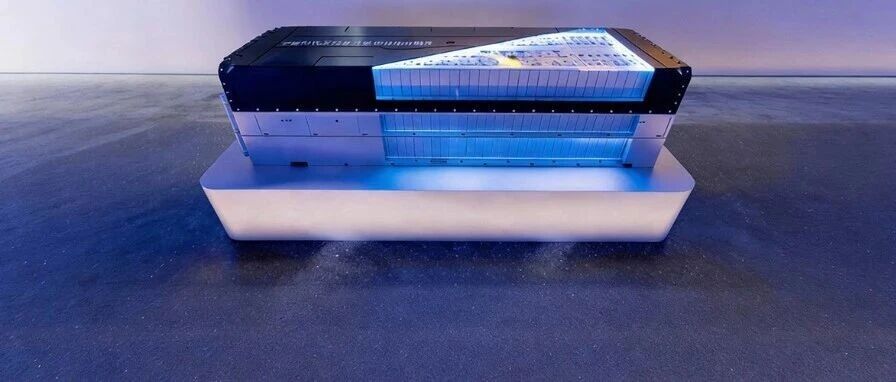
宁德时代高管解读轻商电动化:技术创新回归场景本质
Zhong Guo Jing Ying Bao· 2026-01-26 07:37
Core Insights - The company aims to make lithium-ion batteries more economical in the next 2 to 3 years, focusing on technological innovations that address real operational pain points in the new energy light commercial vehicle sector [1][4] - The electric logistics market, particularly intercity freight, presents a significant opportunity, with current electrification rates below 12% despite over 45% of light trucks being used for this purpose [1][2] Technological Innovations - The company has developed a hybrid battery system that balances energy density between lithium iron phosphate and ternary lithium batteries, achieving 800 km of real-world range while keeping cost increases minimal [2] - The newly launched sodium-ion battery, with a capacity of 45 kWh, retains over 92% usable capacity at -20°C and can be charged even after being frozen at -30°C, addressing low-temperature operation challenges [2][3] Market Opportunities - The domestic market for new energy light commercial vehicles is projected to exceed 900,000 units by 2026, indicating a major opportunity for large-scale electrification [4] - The company plans to establish 3,000 battery swap stations by the end of 2026, enhancing the infrastructure needed for electric logistics [5] Competitive Landscape - The competition in the new energy commercial vehicle battery market is intensifying, with second-tier battery manufacturers gaining market share as main manufacturers seek cost-effective solutions [6] - The company emphasizes value competition over price competition, focusing on transforming cutting-edge technology into practical, replicable solutions for users [6] Strategic Goals - The company aims to achieve cost parity between sodium-ion and lithium-ion batteries within 2 to 3 years, while also enhancing the energy density of sodium batteries to match current lithium iron phosphate levels [3] - The company is committed to providing a comprehensive value system for users, including battery health transparency and lifecycle management to enhance the resale value of electric vehicles [3][5]