
载人绕月飞行

Search documents
全国最大人形机器人训练基地在京揭牌,40余家单位联盟;巴西汽车集团CAOA新增近10亿美元投资,启动长安汽车本地生产丨智能制造日报
创业邦· 2026-03-29 06:33
Group 1 - NASA's Artemis II mission has entered the final preparation stage, with four astronauts arriving at Kennedy Space Center for the first crewed lunar flyby in over fifty years, scheduled to launch as early as April 1 [2] - The Brazilian automotive group CAOA announced an investment of 5 billion Brazilian Reais (approximately 9.55 million USD) to expand capacity and modernize technology at its Anápolis plant, where it will start local production of the Changan Automobile UNI-T model [2] - The largest humanoid robot training base in China has been established, focusing on precision operation and tactile perception technology, with over 40 organizations forming an industry alliance to address data silos and supply chain challenges [2]


美载人绕月再次演练发射
Xin Lang Cai Jing· 2026-02-20 10:20
Group 1 - NASA conducted a successful fuel loading rehearsal for the "Artemis 2" manned lunar mission using the Space Launch System rocket, which stands 98 meters tall and involved approximately 2.6 million liters of cryogenic propellants: liquid hydrogen and liquid oxygen [1] - The rehearsal included a countdown simulation that paused 30 seconds before ignition, with no significant leaks reported during the process [1] - Following the successful completion of this test, NASA plans to hold a briefing on February 20 to discuss the next steps, with a potential launch date for the four astronauts as early as March 6 [1] Group 2 - The "Orion" spacecraft and the lunar rocket used for the "Artemis 2" mission are both set to perform their first crewed missions [2] - Upon completion of the "Artemis 2" mission, NASA aims to advance towards the "Artemis 3" manned lunar landing mission, although the lunar lander required for this mission is still under development [2]
美国:开始进行载人绕月飞行前的关键测试
财联社· 2026-02-01 03:14
Core Viewpoint - NASA is conducting a critical two-day countdown simulation to prepare for fuel loading of its new lunar rocket, which will determine when four astronauts can embark on a lunar flyby [1][2]. Group 1: Rocket Details - The Space Launch System (SLS) rocket stands at 322 feet (98 meters) and was transported to the launch pad two weeks prior [2]. - If the fuel loading test is successful, NASA aims to attempt a launch within a week, with February 8 being the earliest possible launch date [2]. Group 2: Astronauts and Mission - Commander Reid Wiseman and his crew are currently in isolation and will be the first humans to travel to the Moon since 1972 [1]. - The crew will monitor the countdown simulation from the Houston base and will travel to Kennedy Space Center once the rocket receives launch clearance [1].
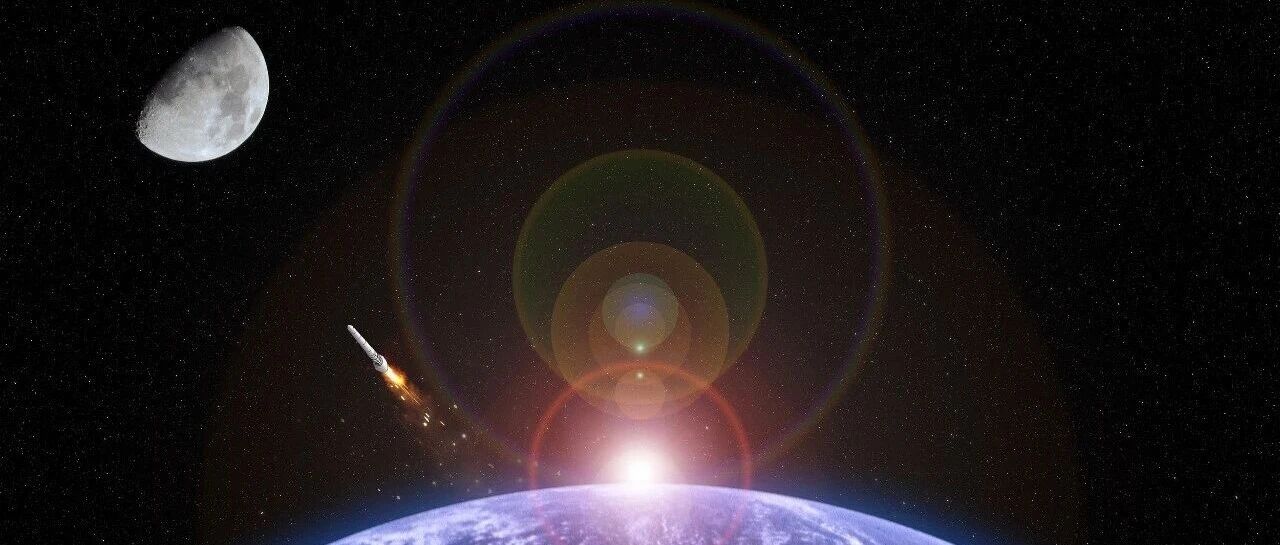
美国开始载人绕月飞行前关键测试
Xin Lang Cai Jing· 2026-02-01 02:48
Core Viewpoint - NASA is conducting a critical two-day countdown simulation for its new lunar rocket, which will determine when four astronauts can embark on a mission to orbit the Moon, marking the first human lunar flight since 1972 [1] Group 1: Mission Preparation - The countdown simulation involves preparing for fuel loading of the Space Launch System (SLS) rocket, which stands 322 feet (98 meters) tall [1] - The astronauts, led by Commander Reid Wiseman, are currently in isolation and will monitor the rehearsal from the Houston base before traveling to the Kennedy Space Center for the launch [1] Group 2: Fuel Loading and Launch Timeline - Over 700,000 gallons of super-cooled fuel will be injected into the rocket's fuel tank, with the loading stopping 30 seconds before engine ignition [1] - A recent cold weather event delayed the fuel loading demonstration and launch by two days, with February 8 being the earliest possible launch date [1]
美国拟实施载人绕月飞行任务
Bei Jing Shang Bao· 2026-01-14 15:09
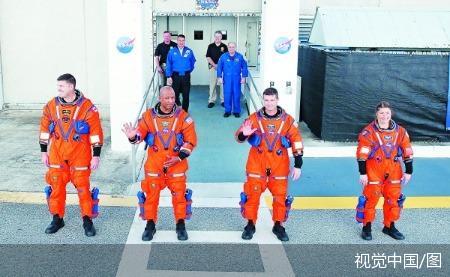
Core Points - NASA plans to implement the "Artemis 2" crewed lunar flyby mission no earlier than February 6, marking the first crewed mission for the new generation lunar rocket "Space Launch System" and the "Orion" spacecraft [1] - The 322-foot (approximately 98 meters) rocket will send four astronauts beyond Earth's orbit for the first deep space test of the "Orion" spacecraft in crewed mode, representing a significant milestone since the Apollo era, with the last human moon landing occurring in 1972 [2] - The four astronauts include NASA astronauts Reid Wiseman, Victor Glover, and Christina Koch, along with Canadian Space Agency astronaut Jeremy Hansen, making this the first lunar flyby mission to carry a Canadian astronaut and the first crewed spaceflight mission to send a woman into near-Earth orbit [2] Mission Details - The mission will last approximately 10 days, during which the astronauts will conduct tests on various systems and hardware of the "Orion" spacecraft in preparation for humanity's return to the lunar surface [2] - NASA will transport the "Space Launch System" and "Orion" spacecraft to the launch pad at Kennedy Space Center in Florida for final integration, testing, and launch preparations, with a propellant loading rehearsal scheduled for the end of January [2] - After launch, astronauts are expected to spend about two days in near-Earth space checking the "Orion" spacecraft's systems before igniting the European-built service module to head towards the Moon [3] Flight Path and Return - The spacecraft will perform a four-day flyby of the Moon's far side, following a figure-eight trajectory, reaching a maximum distance from Earth of over 230,000 miles (approximately 370,000 kilometers) [3] - Unlike traditional return methods, the "Orion" spacecraft will utilize a more fuel-efficient "free return trajectory," leveraging the gravitational pull of Earth and the Moon for its return journey, which will conclude with a high-speed re-entry into Earth's atmosphere and landing in the Pacific Ocean [3]
美媒:NASA局长职位之争陷恶斗
Xin Hua She· 2025-10-21 13:53
Core Points - The competition for the NASA Administrator position is intensifying, with acting Administrator Sean Duffy and billionaire Jared Isaacman both vying for the role [1][2] - Duffy's acting term is set to expire at the end of the year, and NASA has significant missions planned for next year, including the delayed crewed lunar flight, necessitating a formal appointment [2][4] Group 1: Candidates and Their Backgrounds - Sean Duffy, currently the acting Administrator, has been pushing new policies, including ambitious lunar goals such as establishing a nuclear reactor on the Moon by 2030 [2] - Jared Isaacman, founder and CEO of Shift4 Payments, has a close relationship with Elon Musk and has previously invested in Musk's SpaceX, although his nomination was withdrawn earlier due to perceived lack of support for Trump's agenda [2][3] - Other potential candidates for the NASA Administrator position include retired Air Force officer Joseph Guastella and former Republican Congressman Mike Garcia [3] Group 2: Current Developments and Challenges - Duffy has publicly criticized SpaceX for falling behind on the lunar mission and is seeking other private companies to develop the lunar lander for the Artemis 3 mission, which has a current contract value of $4.4 billion [5] - NASA has requested proposals from SpaceX and Blue Origin by the end of the month for accelerated lunar landing plans, with Blue Origin developing the "Blue Moon" lander for later Artemis missions [5] - Elon Musk has countered Duffy's criticisms, asserting that SpaceX is progressing rapidly compared to other aerospace companies and that the Starship will ultimately handle all lunar missions, with Artemis 3 expected to be completed by 2027 [5]