
运营为王

Search documents
守正出奇,保利商旅的运营新启示
Xin Lang Cai Jing· 2026-02-12 12:13
Core Insights - The retail industry in China is facing significant challenges, including a saturated commercial space nearing 700 million square meters and an average vacancy rate exceeding 15%, leading to a shift towards "operation as king" [2][32] - Major players like China Resources, New City Holdings, and Longfor Group are focusing on "deep operation" strategies to enhance operational quality and asset value, aiming for a balance between scale and efficiency [2][32] - Poly Commercial Travel exemplifies the strategy of "stabilizing the foundation while innovating," aligning with industry leaders through its core actions of "merchant symbiosis, marketing breakthroughs, and regional deepening" [2][32] Part 1: From "Managing Merchants" to "Symbiotic Partners" - The core competitiveness of retail commercial properties has shifted from traditional space leasing to deep operational empowerment of the merchant ecosystem [2][32] - Poly Commercial Travel has introduced the "GROW Merchant Symbiosis Model," which evolves the role from "landlord" to "operating partner" and ultimately to "strategic partner," creating a symbiotic commercial ecosystem [3][33] - The GROW model is tailored to different project characteristics, demonstrating its effectiveness through successful collaborations, such as the "One Piece Pop-up Exhibition" in Guangzhou, which saw a 50% increase in traffic and a 30% rise in sales [5][35] Part 2: Precision Marketing Breakthroughs - The marketing landscape is transitioning from single large promotional events to more frequent, refined long-term activities, reflecting a shift in consumer behavior towards emotional and experiential consumption [8][39] - Poly Commercial Travel's "Good Times Appointment" campaign involved 105 events across 18 cities, resulting in a 29% increase in foot traffic and an 18% rise in sales [9][39] - The company emphasizes emotional value in marketing, moving from mere product transactions to creating emotional resonance with consumers [10][40] Part 3: Market Deepening Strategies - The retail commercial property sector is entering a new development cycle focused on deep-rooted and refined operations [21][51] - Poly Commercial Travel is committed to deepening its presence in high-energy urban areas, particularly in the Greater Bay Area and Yangtze River Delta, to create brand effects and market penetration [21][51] - The company has successfully established a product brand system called "Time Series," which includes various projects that have gained market recognition and consumer trust [21][51]

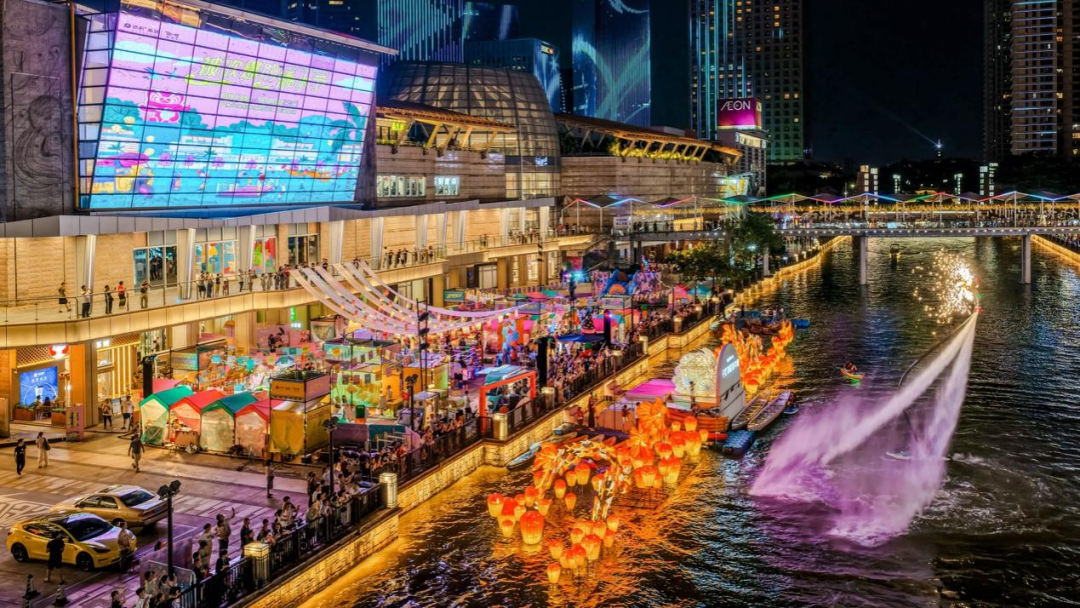
运营为核,存量时代商业地产的价值跃迁
Xin Lang Cai Jing· 2025-11-20 07:24
Core Insights - The Chinese commercial real estate sector is undergoing a significant paradigm shift from extensive growth to meticulous management of existing assets, driven by policies aimed at expanding domestic demand and upgrading consumption [1][10] - The market is characterized by a dual trend of recovering consumer spending and pressure on investment, with retail sales reaching 365,877 billion yuan and a growth rate of 4.46% in the first nine months of 2025, while new office construction area has decreased by 22.3% year-on-year [1][2] Market Dynamics - The market is experiencing a deep adjustment that accelerates industry differentiation, with only 8% of commercial real estate companies generating 42% of industry revenue, indicating a growing concentration of market power among leading firms [2] - The top companies are leveraging quality assets and operational capabilities to navigate through cycles, while smaller firms face challenges such as weak operations and low revenues [2] Operational Strategies - In a market dominated by existing assets, light asset operations and stock transformation are key strategies for companies to break through, as exemplified by Vanke's successful transformation of the Shenzhen iN City Square, achieving a 97% occupancy rate [3][4] - The core value of commercial real estate is shifting from physical space to operational capability, with companies adopting innovative strategies to enhance competitiveness and revenue generation [4][10] Consumer Trends - Structural changes in consumer demand are providing new growth opportunities, with the elderly and young populations becoming the main consumer forces, leading to the rise of new business models such as community commerce and pet economy [4][5] - The pet economy alone has surpassed 300 billion yuan, indicating a significant market potential for pet-friendly commercial spaces [4] Innovation and Technology - The commercial operation model is evolving from single leasing to a comprehensive approach that includes content, services, and marketing, with companies focusing on creating differentiated services as a competitive advantage [5][6] - Technological innovations are supporting refined operations, with Vanke utilizing AI and smart service systems to enhance project management efficiency and consumer experience [6] Capital Market Trends - The capital market is undergoing adjustments, with a notable increase in transactions of office assets, totaling approximately 398 billion yuan in the first nine months of 2025, and a shift towards financial institutions and leading industry companies as primary investors [6][9] - The expansion of public REITs for consumer infrastructure is attracting more capital to quality retail properties, fostering a cycle of capital empowerment, operational upgrades, and value enhancement [6][10] Future Outlook - The consensus from the 2025 Commercial Annual Conference indicates that stock updates represent a core opportunity, with over 200 million square meters of commercial properties in first-tier cities over 30 years old, 40% of which are underperforming [10] - The industry is expected to gradually achieve a "spiral" development through enhanced operational capabilities and capital ecosystem improvements, with a focus on projects that can activate value through space transformation and content restructuring [10]

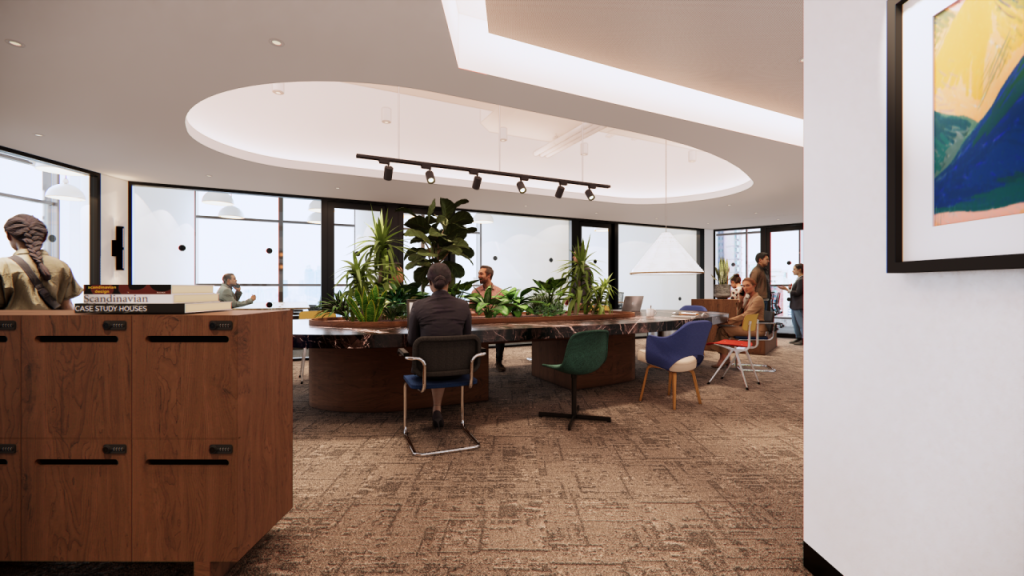
“窝囊旅游”消费变谨慎,市场转向下酒店业谋自救
2 1 Shi Ji Jing Ji Bao Dao· 2025-08-13 07:14
Core Insights - Consumers are increasingly sensitive to hotel prices, leading to a shift towards "low-cost travel" during the summer season, which has resulted in a decline in average room revenue and occupancy rates in the hotel industry [1][2] - The number of star-rated hotels in China is projected to decrease by nearly 500 by the end of 2024, despite large chain hotels continuing to expand their room offerings [1] - High-end hotels are facing pressure to transform their business models, with many adopting innovative strategies to attract customers and increase non-accommodation revenue [2][4] Industry Trends - The average room revenue for hotels in China fell by 8% year-on-year during the first week of July 2023, primarily due to declining occupancy rates [1] - High-end hotels are experimenting with new offerings, such as fitness and wellness packages, to attract customers and increase revenue from non-accommodation sources, which is expected to rise from 15% to 22% by 2024 [2][4] - The hotel industry is shifting from a focus on scale to an emphasis on operational efficiency and effectiveness, with a growing importance placed on value for money [4] Consumer Behavior - Consumers are now making purchasing decisions based on emotional connections, leading to a decline in average spending per visit, as seen in various tourist destinations [2][5] - The rise of "special forces tourism," where consumers opt for experiences without overnight stays, reflects changing travel planning behaviors [2] - Younger consumers, particularly from Generation Z, are driving demand for unique and emotionally resonant experiences, prompting hotels to innovate and differentiate their offerings [5] Marketing Strategies - Hotels are leveraging social media platforms like Douyin (TikTok) to engage with potential customers through live-streaming fitness classes and other interactive content [3] - Innovative marketing strategies, such as targeting specific demographics like night runners, are being employed to enhance customer engagement and drive revenue [3] - The focus on creating a unique and recognizable market position is becoming essential for hotels to avoid homogenization and meet diverse consumer needs [5]