通胀与利率博弈

Search documents
基本金属行业周报:中东电解铝供应确定性收缩,关注左侧布局价值
HUAXI Securities· 2026-03-30 00:55
Investment Rating - Industry Rating: Recommended [5] Core Views - The geopolitical tensions in the Middle East are leading to a significant contraction in the supply of electrolytic aluminum, with potential global reductions in supply estimated at 1.5 to 2 million tons per year [12][15]. - The demand for precious metals, particularly gold and silver, is expected to remain strong due to inflationary pressures and geopolitical risks, with central banks likely to increase their gold holdings [6][26]. - The macroeconomic environment is characterized by rising inflation expectations and a strong dollar, which are exerting downward pressure on metal prices, particularly for copper and aluminum [11][12]. Summary by Sections Precious Metals - Gold prices have shown a slight decline of 0.05% to $4,489.70 per ounce, while silver prices increased by 2.89% to $69.77 per ounce [34]. - The gold-silver ratio fell by 2.86% to 64.35, indicating a shift in market dynamics [34]. - Central banks are expected to continue purchasing gold as a hedge against geopolitical risks and inflation [32]. Base Metals - Copper prices increased by 2.59% to $12,141.00 per ton, while aluminum prices rose by 2.90% to $3,284.50 per ton [8]. - The supply of copper is under pressure due to domestic tightness and overseas surplus, with LME copper inventories increasing significantly [10]. - The geopolitical situation is expected to keep copper prices supported in the long term, despite short-term fluctuations [11]. Small Metals - The price of magnesium increased by 2.04% to 18,530 yuan per ton, driven by strong demand from downstream processing enterprises [19]. - Molybdenum prices are under pressure due to ongoing negotiations between supply and demand, with recent reductions in production impacting prices [20]. - Vanadium demand is expected to rise significantly due to the growth of vanadium battery installations, with a projected increase of 125.6% in new installations by 2025 [23][24]. Market Review - The overall market sentiment is cautious due to geopolitical tensions and inflationary pressures, which are affecting investment decisions across various metal sectors [11][12]. - The aluminum market is particularly sensitive to supply disruptions, with significant reductions in production expected from the Middle East and other high-cost regions [15][28]. - Despite concerns over economic weakness, the demand for electrolytic aluminum remains robust due to its essential role in infrastructure and renewable energy sectors [14][15].




基本金属行业周报:中东电解铝供应确定性收缩,关注左侧布局价值-20260329
HUAXI Securities· 2026-03-29 06:15
Investment Rating - Industry Rating: Recommended [5] Core Insights - The geopolitical tensions in the Middle East are leading to a significant contraction in the supply of electrolytic aluminum, with potential global production cuts estimated at 1.5 to 2 million tons per year, representing a 3% to 5% reduction in global supply [12][15][28] - The demand for precious metals, particularly gold and silver, is expected to rise due to inflationary pressures and geopolitical risks, with central banks likely to increase their gold holdings as a hedge against de-dollarization [6][27][33] - The macroeconomic environment indicates a strong likelihood of continued high inflation, which may limit the Federal Reserve's ability to lower interest rates, thereby supporting gold prices in the long term [6][25] Summary by Sections Precious Metals - Gold prices have shown a slight decline of 0.05% to $4,489.70 per ounce, while silver prices increased by 2.89% to $69.77 per ounce [35] - The gold-silver ratio decreased by 2.86% to 64.35, indicating a shift in market dynamics [35] - Central banks in various countries are expected to resume or increase their gold purchases, driven by geopolitical risks [33] Base Metals - Copper prices increased by 2.59% to $12,141.00 per ton, while aluminum prices rose by 2.90% to $3,284.50 per ton [8] - The supply of copper is under pressure due to domestic tightness and overseas surplus, with significant fluctuations in demand from downstream processing enterprises [10][11] - The aluminum market is facing supply constraints due to geopolitical tensions, with production risks in the Middle East and high energy costs impacting the industry [12][15][28] Minor Metals - The magnesium market is experiencing price increases due to strong demand from downstream processing enterprises and stable production levels [19] - Molybdenum prices are under pressure from upstream and downstream market dynamics, with ongoing production cuts affecting market stability [20][21] - Vanadium demand is expected to rise significantly due to the growth of vanadium battery installations, driven by energy storage needs [24][23]
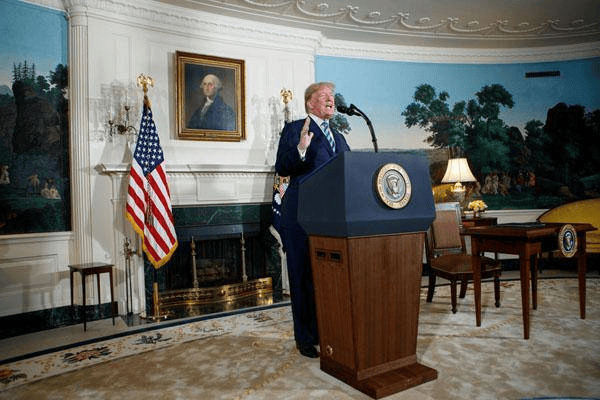
巨富金业:特朗普强硬表态伊朗核问题,黄金避险需求飙升!
Sou Hu Cai Jing· 2025-06-30 09:34
Group 1 - The core viewpoint of the news is that President Trump announced the complete destruction of Iran's nuclear facilities, which escalates geopolitical risks and disrupts market expectations for US-Iran negotiations [2][4][11] - Trump's statement indicates a dual strategy of sanctions and military threats, emphasizing that sanctions will not be lifted until Iran completely abandons its nuclear program [5][11] - The Iranian government has responded by asserting its readiness to counter any aggression and has called for accountability from the UN Security Council [2][4] Group 2 - The escalation of geopolitical risks has led to significant fluctuations in the gold market, with spot gold prices experiencing a sharp rise and subsequent decline due to market reactions [6][11] - Historical comparisons show that gold prices surged significantly during past US-Iran conflicts, indicating a potential for similar behavior in the current situation [7] - Despite the geopolitical tensions boosting demand for gold, the hawkish stance of the Federal Reserve poses a challenge to gold prices, as rising interest rates could diminish gold's appeal [8][11] Group 3 - Central banks globally are expected to continue increasing their gold holdings, with a strong interest from emerging market central banks [9] - The decline in the dollar's share of global foreign exchange reserves suggests a structural support for gold as it becomes a key beneficiary of the "de-dollarization" trend [9][11] - The risk of an economic recession in the US provides a baseline support for gold prices, despite short-term pressures from interest rate expectations [8][11]