郑州都市圈

Search documents
纵贯京广 沿“带”而兴——看“十五五”时期许昌如何主动融入郑州都市圈和沿京广铁路城市发展带(下)
Xin Lang Cai Jing· 2026-01-03 00:41
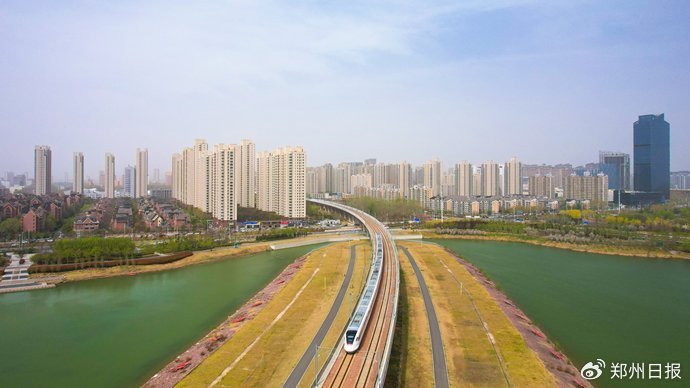
Core Viewpoint - The article emphasizes the strategic decision of Xuchang to actively integrate into the Zhengzhou metropolitan area and connect with the cities along the Jingguang Railway, aiming for high-quality development and enhanced regional competitiveness [2][5][12]. Group 1: Strategic Integration - Xuchang's integration into the Zhengzhou metropolitan area is not merely a geographical choice but a strategic move to elevate its development capabilities within the broader provincial framework [2][5]. - The city aims to leverage its unique geographical and transportation advantages, positioning itself as a key node in the economic landscape of Central China [5][6]. Group 2: Development Plans and Investments - The "Xugang Industrial Belt Development Plan (2025-2035)" has been completed, with 740 billion yuan invested in 212 key projects within the first 10 months, achieving 90.1% of the annual investment target [3]. - The Huoyuan Lake Modern Service Industry Innovation Circle focuses on technology, finance, and business services, with 295 enterprises having settled in the area [3]. Group 3: Infrastructure and Transportation - Future plans include enhancing transportation to create a modern logistics system, aiming to transform Xuchang from a "transit station" to a high-efficiency "core node" [9]. - The city plans to optimize connections with Zhengzhou East Station and improve high-speed rail services, creating a "half-hour commuting circle" and a "same-day logistics circle" [9]. Group 4: Industrial Development - Xuchang will focus on high-quality construction of "one belt, one circle, and two valleys," expanding its industrial chains in electronics, new energy vehicles, and modern services [10]. - The city aims to establish a complete industrial ecosystem in the Central Electric Valley, enhancing its position in smart power equipment and technology innovation [10]. Group 5: Open Economic System - Xuchang plans to build an open economic system that enhances its external engagement, leveraging its proximity to Zhengzhou Airport and the Free Trade Zone [11]. - The city aims to facilitate the flow of goods and services through the Jingguang Railway, promoting its products nationally and globally while attracting quality capital and talent [11]. Group 6: Regional Collaboration - Xuchang's integration will extend the effects of Zhengzhou's urbanization along the Jingguang Railway, positioning it as a strategic hub connecting various regional economies [12][15]. - The city seeks to break administrative barriers and foster collaboration with neighboring cities, enhancing the overall development of the Central and Southern Henan region [12][15].


中部“超级枢纽”城市 又升级了?
Mei Ri Jing Ji Xin Wen· 2025-09-04 14:11
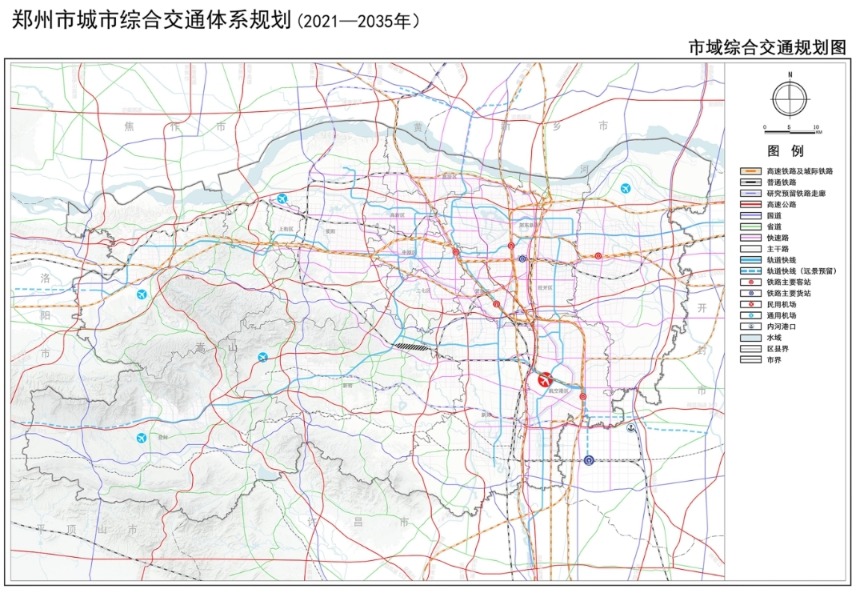
Core Viewpoint - Zhengzhou, known as the "heart of China's railway," is planning to build a new train station, the Eastern New City Station, which will enhance its status as a major railway hub alongside existing stations [1][4]. Group 1: Infrastructure Development - The Eastern New City Station will be one of the main passenger stations in Zhengzhou, contributing to a "five main, multiple auxiliary" railway passenger hub system [1][4]. - Zhengzhou South Station, currently under construction, will occupy 7,535 acres with an investment of approximately 30 billion yuan, including various supporting facilities [7][8]. - The new station is expected to facilitate the integration of urban and transportation development, creating a comprehensive hub that will cover a 30 square kilometer industrial park [8][9]. Group 2: Economic Impact - The construction of the Eastern New City Station is anticipated to attract talent and tourists, thereby boosting local industries and creating job opportunities [18]. - The station's development aligns with the strategic goal of enhancing the Zhengzhou metropolitan area and promoting high-quality urbanization [15][20]. - The integration of the station with surrounding areas is expected to transform it into a commercial hub, enhancing consumer experiences and urban services [11][12]. Group 3: Urban Planning and Strategy - The establishment of the Eastern New City Station is part of a broader strategy to promote the Zheng-Kai urban integration, which aims to fill the gap between Zhengzhou and Kaifeng [17][24]. - The planning documents emphasize the importance of urban connectivity and the need for coordinated development between Zhengzhou and its neighboring cities [20][22]. - The focus on "same city" development reflects a shift from traditional urban planning to a more integrated approach, aiming to eliminate urban voids and enhance regional collaboration [17][24].
中部“超级枢纽”城市,又升级了?
Mei Ri Jing Ji Xin Wen· 2025-09-04 13:17
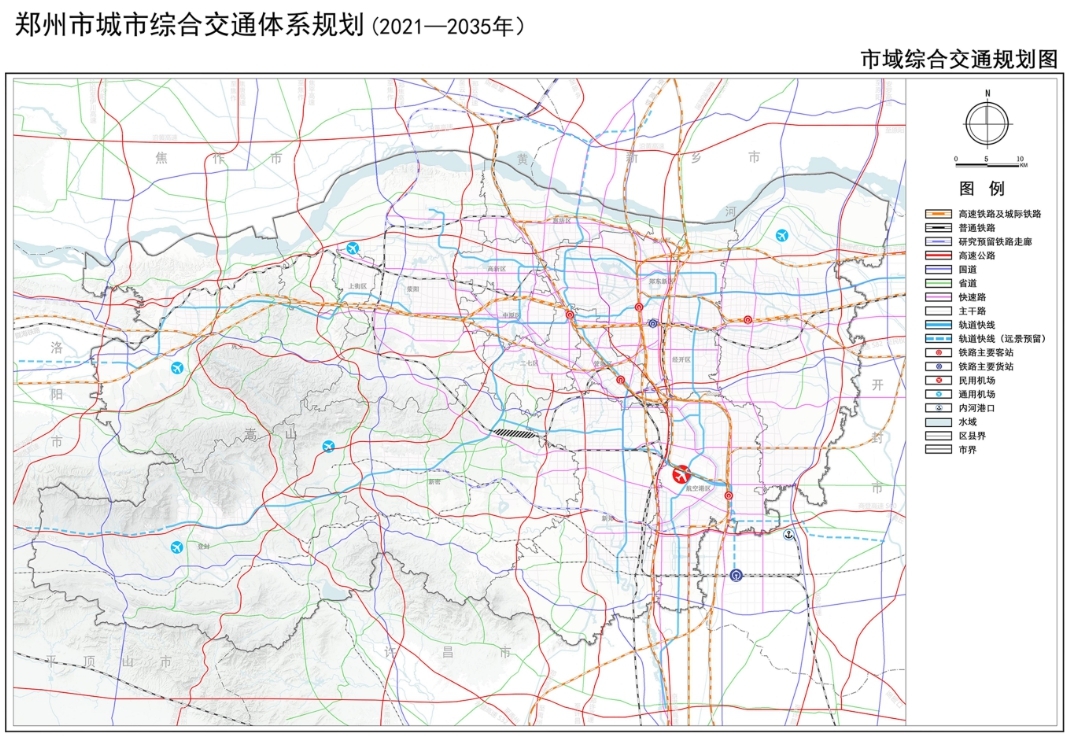
Core Viewpoint - Zhengzhou, known as the "heart of China's railway," is planning to construct a new train station, the Eastern New City Station, which will enhance its status as a major railway hub alongside existing stations [1][2]. Summary by Sections New Station Development - The Eastern New City Station is part of Zhengzhou's comprehensive transportation planning for 2021-2035 and will be one of the main passenger stations in the city [1]. - Zhengzhou's railway network will consist of five main stations, including Zhengzhou Station, Zhengzhou East Station, Zhengzhou Airport Station, and the under-construction Zhengzhou South Station [1][6]. Economic and Urban Impact - The construction of the new station is expected to significantly impact Zhengzhou's development as a "super hub," enhancing its economic growth and urban landscape [2][7]. - Zhengzhou has transformed from a county under Kaifeng to a major city with a GDP exceeding 1 trillion and a population over 10 million, positioning itself as a strong competitor among northern cities [2]. Integration with Urban Planning - The new station will facilitate the integration of urban and transportation planning, creating a "station-city integration" model that will support the development of a 30 square kilometer industrial park around Zhengzhou South Station [7][14]. - The core area will provide 3 million square meters of commercial and office space and 1.8 million square meters of residential space, generating 120,000 jobs and accommodating 50,000 residents [7]. Strategic Location - The Eastern New City Station is strategically located in the newly established Zhongmu New District, which is central to the Zhengkai urban integration strategy [2][9]. - This area is seen as a key point for promoting urban integration between Zhengzhou and Kaifeng, enhancing connectivity and resource allocation [13][14]. Future Development Plans - The Zhengzhou government aims to develop the Zhongmu New District as a high-quality development engine for the Zhengzhou metropolitan area, with plans to integrate more metro lines and stations into the city's transportation network [11][14]. - The development of the Eastern New City Station is expected to attract talent and tourists, further driving industrial growth in the surrounding areas [14].
密集“串门”,郑州要带队“出圈”
3 6 Ke· 2025-08-25 01:46
Core Insights - The Zhengzhou urban agglomeration is being developed as a key area for collaboration and resource sharing, with a focus on enhancing the food industry and high-quality development [1][2] - Zhengzhou urban agglomeration ranks 7th in area, 4th in population, and 10th in economic output among the 17 approved urban agglomerations in China [1] Group 1: Urban Agglomeration Development - The Zhengzhou urban agglomeration is the 10th approved national urban agglomeration, strategically located at the intersection of major transportation routes [1] - The urban agglomeration aims to cultivate 2-3 world-class advanced manufacturing clusters in high-end equipment, green food, and new materials by 2027 [1] Group 2: Food Industry Focus - Zhengzhou produces over 60% of the country's frozen food, with a market share of over 20% in instant noodles, and leads in jujube products [2] - The food industry in Luohe has over 7,000 enterprises, with a scale exceeding 250 billion yuan, nurturing well-known brands like Shuanghui and Weilong [2] - The Luohe modern food industry belt is one of the eight key industrial belts in the Zhengzhou urban agglomeration, aiming to integrate agriculture and food production [2] Group 3: Collaborative Efforts - Zhengzhou is taking the lead in accelerating the construction of the urban agglomeration, engaging with surrounding cities to enhance collaboration and resource sharing [2] - The provincial government emphasizes the need for a modern industrial urban agglomeration with strong manufacturing clusters and a well-structured industrial layout [2]
【走马都市圈②】“郑州都市圈”提速运转
Zheng Zhou Ri Bao· 2025-07-18 01:49
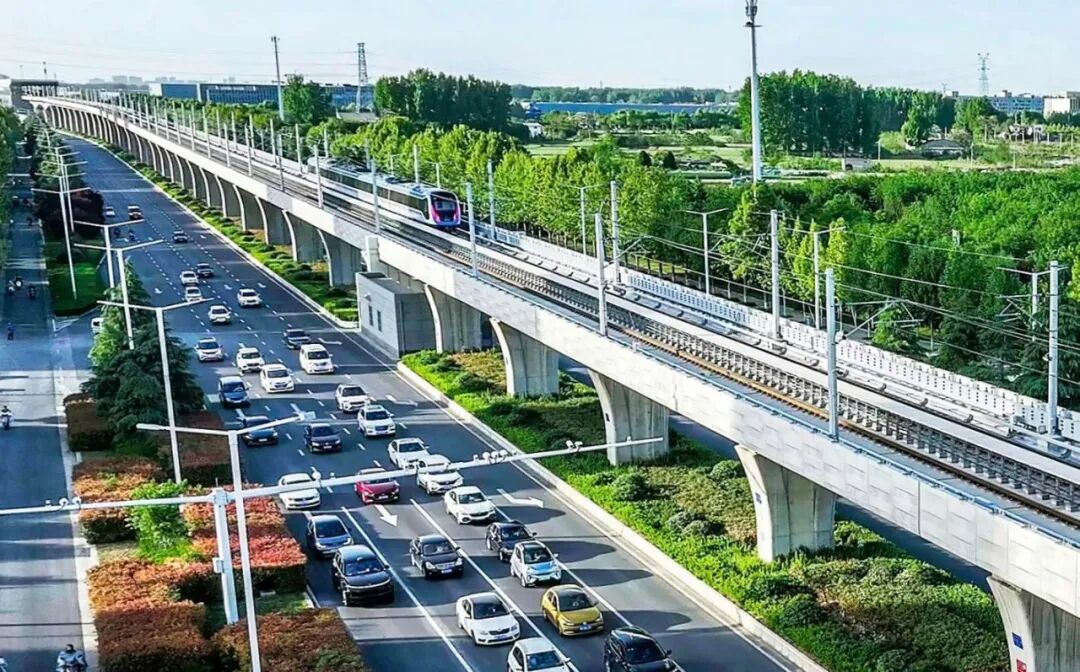
Core Insights - The Zhengzhou Urban Circle is rapidly developing as a new economic growth area in China, having been designated as the 10th national urban circle by the National Development and Reform Commission [1] - The construction of the Zhengzhou Urban Circle is part of a national strategy to promote the rise of central China, with Zhengzhou positioned as the leading city [1] - By May 2025, the Zhengzhou Urban Circle is expected to rank 7th in area, 4th in population, and 10th in economic output among the 17 approved urban circles in China [1] Transportation Infrastructure - Transportation is prioritized in the development of the urban circle, with projects like the Zhengkai Intercity Railway significantly reducing commute times between cities [2][4] - The Zhengkai Intercity Railway has been fully operational since March 2025, allowing travel between Zhengzhou and Kaifeng in as little as 25 minutes [4] - The Zhengxucheng Railway, which opened in December 2023, has facilitated economic integration between Zhengzhou and Xuchang, connecting 13 industrial parks [5] Ecological Development - The ecological environment along the Yellow River has improved, with bird species in the Zhengzhou Yellow River Wetland Nature Reserve increasing by over 50% in five years [7] - Zhengzhou has constructed 76.5 kilometers of cycling paths and 36 kilometers of walking paths along the Yellow River, enhancing the area's ecological landscape [9] - Collaborative ecological governance initiatives have been launched with neighboring cities to improve water quality and air quality in the region [10] Industrial Collaboration - The Zhengzhou Urban Circle is focusing on high-energy manufacturing ecosystems, with the industrial output value of the "1+5" cities in the circle accounting for 51.5% of the province's total [11] - In 2024, the industrial output value of Zhengzhou increased by 10.5%, with significant growth in key sectors such as electronics and automotive manufacturing [11][12] - The Zhengkai Automotive Industry Belt has attracted over 10 well-known car manufacturers, establishing a comprehensive automotive production base [14] Future Development Goals - Zhengzhou aims to enhance its role as a core city in the urban circle, focusing on integrated development with surrounding cities and improving transportation networks [20][22] - The city plans to strengthen its economic and technological capabilities, aiming to create a modern urban circle that is interconnected and efficient [20][24] - Initiatives are underway to promote cultural and ecological cooperation, ensuring that urban development aligns with environmental sustainability [22][24]