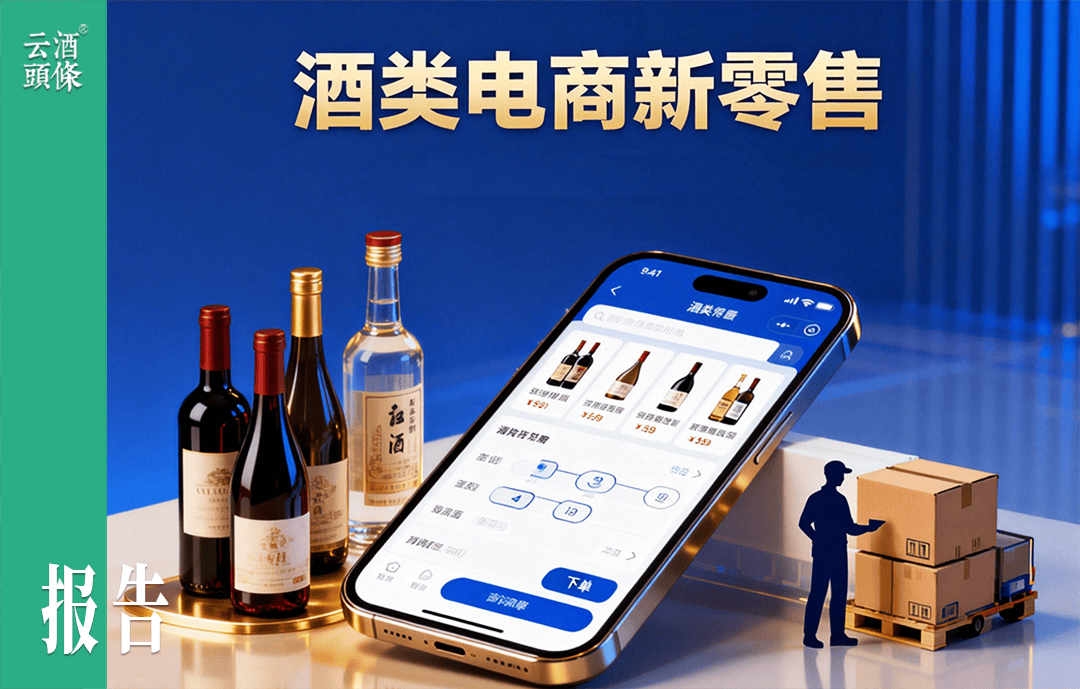
酒类电商新零售

Search documents
《中国酒类电商新零售报告2025》首发
Sou Hu Cai Jing· 2025-12-19 08:08
Core Insights - The core viewpoint of the article is that the liquor distribution industry is undergoing a significant channel reconstruction, with online platforms becoming the primary means for brands to reach new users, test new products, and reshape consumption scenarios [2][3]. Industry Trends - The liquor e-commerce market in China is projected to exceed 150 billion yuan in GMV by 2024, reflecting a growth rate of over 20% year-on-year, with an online penetration rate increasing to 14% [6]. - The rapid growth of liquor e-commerce is driven by changing consumer demands and improved channel efficiencies, indicating a potential to reach a penetration rate of over 30% [7]. Platform Dynamics - The e-commerce landscape for liquor has evolved into a multi-faceted competitive environment characterized by "shelf + content + instant + private domain" models, with each platform leveraging unique strengths to capture market share [17]. - Major platforms like JD and Taobao focus on planned consumption among mature users, while platforms like Douyin and Kuaishou target younger demographics through scenario-based content [20][21]. Brand Strategies - Many liquor companies are still in the early stages of online transformation, with overall online sales accounting for less than 10% of total sales for listed companies in 2024 [23]. - Brands are increasingly focusing on digital marketing, customer engagement, and price management to adapt to the evolving e-commerce landscape [25][34]. Distribution Transformation - Liquor distributors are transitioning from mere product distributors to value enablers, emphasizing digital capabilities and collaboration with manufacturers to enhance supply chain efficiency [35][36]. - The integration of data sharing and joint operations between distributors and brands is reshaping industry relationships, leading to improved product innovation and market responsiveness [37].

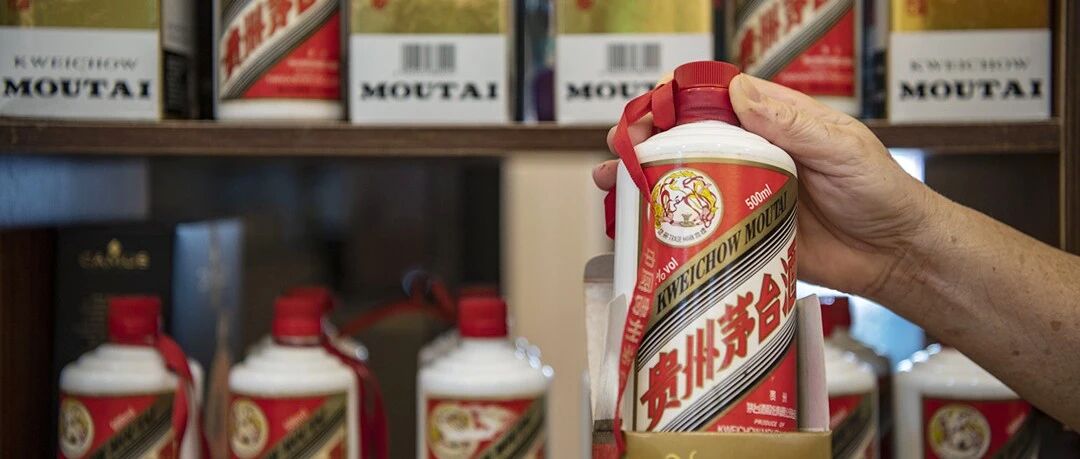
茅台补贴后价格跌破1500元
Di Yi Cai Jing· 2025-12-05 11:28
Group 1 - The online price drop of premium liquor, particularly Moutai, is causing concern among traditional liquor retailers, as prices have fallen to 1499 yuan per bottle, with some platforms offering group purchase prices as low as 1399 yuan [1] - The continuous low pricing in e-commerce is leading to dissatisfaction among offline retailers, who face challenges due to consumers comparing online prices, resulting in a decline in sales [1][2] - The market for premium liquor is currently characterized by oversupply, with prices for Moutai and other brands entering a downward trend, indicating that the price situation has not yet reached its bottom [3] Group 2 - The Chinese liquor market is experiencing a downturn, with the liquor market prosperity index for the first three quarters of 2025 recorded at 44.85, indicating a relatively unprosperous state [2] - The growth of liquor e-commerce is accelerating, with an expected GMV of approximately 150 billion yuan in 2024, reflecting a year-on-year growth of over 20%, suggesting significant potential for expansion [2] - The China Alcoholic Drinks Association is advocating for a shift in focus for liquor companies from "traffic grabbing" to "user operation," emphasizing the need for digital management of supply chains and pricing systems to adapt to market changes [2]

茅台补贴后价格跌破1500元
第一财经· 2025-12-05 11:08
Core Viewpoint - The online price drop of premium liquor, particularly Moutai, is causing significant concern among liquor retailers, indicating a market oversupply situation that is difficult to change [3][5]. Price Trends - The price of 53-degree Moutai has fallen to 1499 yuan per bottle after subsidies, with some platforms offering group purchase prices as low as 1399 yuan [3]. - Other premium liquors, such as Wuliangye, have also seen price reductions, with a two-bottle pack priced at approximately 1449 yuan, equating to 724.5 yuan per bottle, significantly below wholesale prices [3]. - Prior to November 20, Moutai prices had seen a brief recovery, with market prices reaching 1655 yuan per bottle, but have since dropped to 1545 yuan per bottle, a decrease of 110 yuan [4]. Industry Sentiment - Industry experts express that frequent online price cuts are detrimental, as they force offline retailers to lower prices, leading to a cycle of price declines [5]. - The China Alcoholic Drinks Circulation Association reported a景气指数 (AC1) of 44.85 for the first three quarters of 2025, indicating a relatively poor market condition [5]. - The growth of online liquor sales is accelerating, with an expected GMV of 150 billion yuan in 2024, reflecting over 20% year-on-year growth, although online penetration remains below 15% [5]. Market Dynamics - The current market is characterized by slow inventory reduction and excess supply, with all liquor brands experiencing price declines [6]. - The president of the China Alcoholic Drinks Circulation Association noted that the industry is still in an adjustment phase, advocating for the establishment of new high-quality manufacturer-distributor relationships to promote rational market development [6].
线上白酒大促补贴价越来越低 酒水流通行业发出反内卷倡议
Di Yi Cai Jing· 2025-12-05 10:33
Core Insights - Concerns among liquor merchants regarding the online liquor promotion "only lower, never lowest" are becoming a reality as prices continue to decline ahead of the "Double Twelve" shopping festival [1] - The price of 53-degree Feitian Moutai has dropped to 1499 yuan, even below the official guidance price, indicating a market situation where supply exceeds demand [1] - The China Alcoholic Drinks Circulation Association's e-commerce committee projects that the domestic liquor e-commerce GMV will reach approximately 150 billion yuan in 2024, with a year-on-year growth of over 20% [1] - The online penetration rate for liquor remains below 15%, suggesting significant growth potential in the sector [1] - The association has proposed the "New Retail Anti-Internal Competition Initiative" to shift the focus of liquor companies from "traffic grabbing" to "user operation" [1] - Future strategies will involve digital management of supply chains, pricing systems, and consumer assets to adapt to the transition from push-driven sales to demand-driven sales [1]
线上白酒大促补贴价越来越低,酒水流通行业发出反内卷倡议
Di Yi Cai Jing· 2025-12-05 10:28
Core Viewpoint - Concerns regarding the online liquor promotion "only lower, never lowest" are becoming a reality, with prices for premium liquor continuing to decline amid a market oversupply situation [1] Group 1: Price Trends - The price of 53-degree Feitian Moutai has dropped to 1499 yuan per bottle after subsidies, with some platforms offering group purchase prices as low as 1399 yuan [1] - Other premium liquors, such as Wuliangye, have also seen price reductions, with a two-bottle pack priced at approximately 1449 yuan, equating to about 724.5 yuan per bottle, significantly below market wholesale prices [1] - Following a brief price recovery before November 20, the current market prices for Feitian Moutai have fallen to 1545 yuan per bottle for loose bottles and 1550 yuan per box, a decrease of 110 yuan per bottle [5] Group 2: Industry Reactions - Traditional offline liquor merchants express dissatisfaction with the continuous low prices online, as consumers are now accustomed to comparing prices online, complicating their sales [1] - The ongoing price drops have led to a "wait-and-see" attitude among terminal merchants, resulting in a further decline in business activity [1] - Industry researcher Ouyang Qianli indicates that frequent online price cuts are detrimental to the industry, as they force offline sellers to sell at a loss and create panic among distributors and retailers, leading to further price declines [5] Group 3: Market Outlook - The China Alcoholic Drinks Circulation Association's report indicates that the liquor market is currently in an adjustment phase, with a market prosperity index of 44.85, indicating a relatively unprosperous state [5] - The domestic liquor e-commerce market is expected to reach a GMV of approximately 150 billion yuan in 2024, with a year-on-year growth of over 20%, suggesting significant growth potential despite a current online penetration rate of less than 15% [6] - The association emphasizes the need for a shift from "traffic grabbing" to "user operation" for liquor companies, focusing on digital management of supply chains and pricing systems to adapt to market changes [6]