金融市场交易

Search documents
一场演讲触发了本周全球市场巨震
Sou Hu Cai Jing· 2025-11-22 14:04
Core Insights - The current financial system remains resilient, supported by strong asset positions of households and businesses, as well as adequate capital levels in the banking sector [2][4] - The Federal Reserve's latest Financial Stability Report highlights ongoing risks and vulnerabilities, particularly in asset valuations, the structural shift of corporate lending from traditional banks to private credit, and the increasing role of hedge funds in the U.S. Treasury market [2][5][8] Group 1: Asset Valuation - Asset valuations for stocks, corporate bonds, leveraged loans, and real estate are currently above historical benchmarks, indicating a potential risk of price corrections [5][6] - The risk compensation expectations are at historically low levels, which could either revert to normal, remain subdued, or weaken further [5][6] - Despite the potential for asset price declines, the overall resilience of the financial system suggests that a repeat of systemic failures like those seen during the Great Recession is unlikely [5][6] Group 2: Private Credit Expansion - Private credit has doubled in size over the past five years, raising concerns about the rapid growth of non-bank lending to non-public companies [6][7] - The private credit model allows long-term investors to fund private companies, which may lack access to traditional bank financing, potentially enhancing financial stability and economic growth [6][7] - However, the complexity and interconnectedness of leveraged entities in this space could create pathways for unexpected losses to affect the broader financial system [6][7] Group 3: Hedge Funds in Treasury Market - Hedge funds have significantly increased their holdings in U.S. Treasury securities, with their share rising from 4.6% in Q1 2021 to 10.3% in Q1 2023, surpassing pre-pandemic levels [8][9] - The sensitivity of hedge fund positions to market changes poses a risk of liquidity crises if they are forced to sell off large amounts of Treasuries simultaneously [8][9] - The trading strategies employed by hedge funds, particularly relative value strategies, could amplify market instability during periods of stress [8][9] Group 4: Impact of Artificial Intelligence - The rapid development of AI in financial services presents both opportunities and challenges for financial stability, particularly in algorithmic trading [10][11] - Generative AI can analyze vast amounts of data and deploy complex trading strategies, which may introduce risks if not properly monitored [10][11] - While AI has the potential to enhance market efficiency, it also raises concerns about market manipulation and the opacity of decision-making processes [10][11][12]


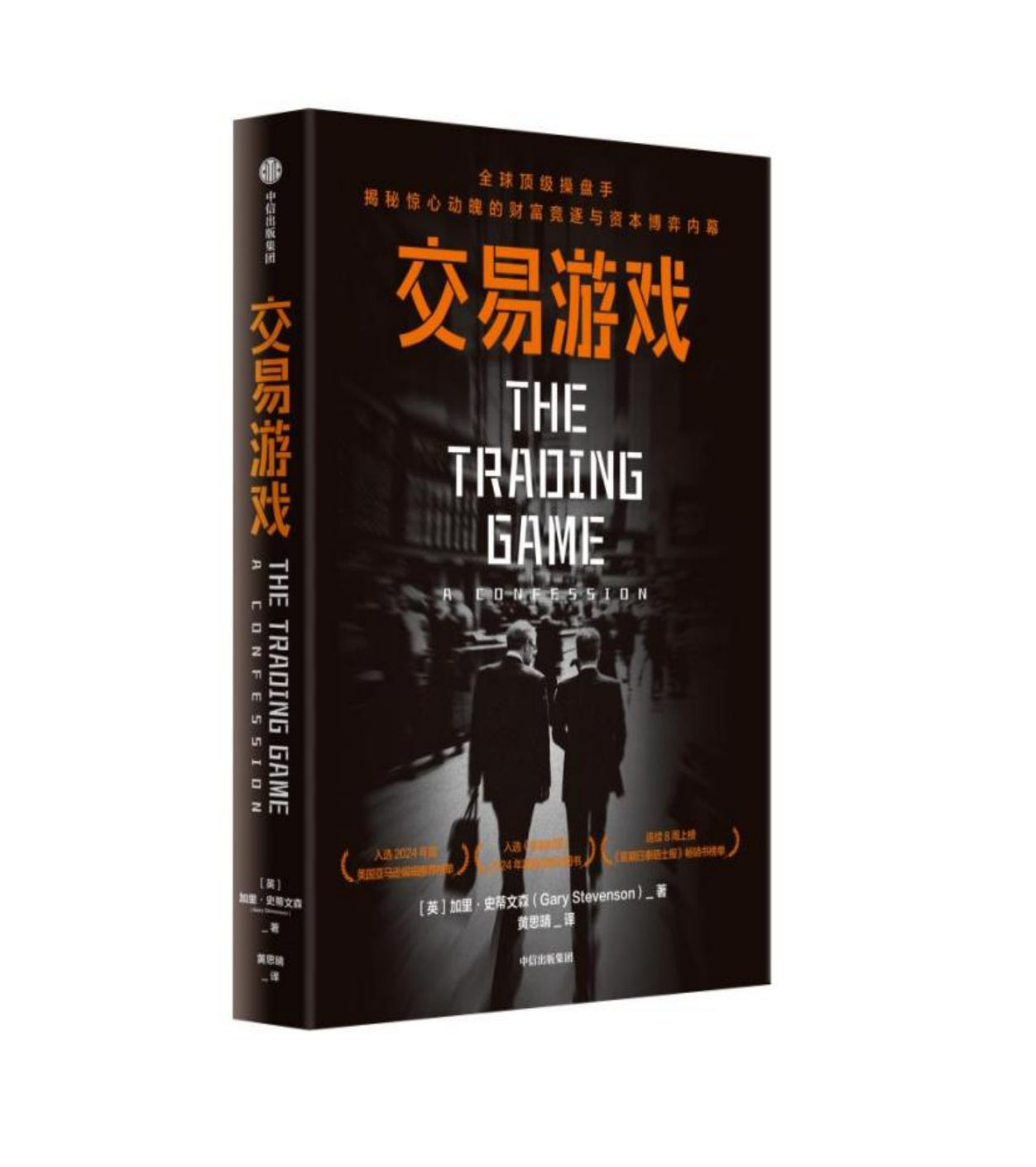
花旗“最赚钱交易员”:我赚的每一分,都沾着穷人的血
Hu Xiu· 2025-09-18 02:17
Core Insights - The article narrates the journey of Gary Stevenson, who rose from humble beginnings to become a successful trader at Citigroup, only to leave the financial industry to pursue a deeper understanding of economic inequality and systemic issues [2][4][50]. Group 1: Early Life and Career - Gary Stevenson grew up in East London, facing poverty and challenges, which shaped his aspirations and drive for success [1][10]. - He entered the London School of Economics, distinguishing himself from his peers due to his background and experiences [9][10]. - In 2008, he joined Citigroup as the youngest trader in London, quickly becoming one of the top traders globally, managing thousands of billions in transactions [3][4][20]. Group 2: Trading Success and Challenges - Despite his success, Stevenson experienced sleepless nights and a sense of emptiness, leading him to question the true value of his achievements [5][6]. - He won a trading competition that secured him an internship at Citigroup, showcasing his unique approach to trading and market psychology [12][15]. - During the 2008 financial crisis, he capitalized on the demand for foreign exchange swaps, earning significant profits and establishing himself as a top trader [20][24][39]. Group 3: Insights on Economic Inequality - Stevenson observed that many traders lacked real-world understanding of economic issues, leading to poor decision-making during market downturns [27][32]. - He recognized the systemic nature of economic inequality, noting that wealth was increasingly concentrated among the elite while the middle class was being hollowed out [32][34]. - His experiences led him to believe that true change in the economic system required public awareness and action against entrenched interests [50][52]. Group 4: Departure from Finance - Over time, Stevenson became disillusioned with the repetitive nature of trading and the growing wealth gap, prompting him to leave Citigroup [41][46]. - After a challenging exit process, he pursued further education at Oxford University to study economics more deeply [49][50]. - He transitioned from being a player in the financial game to a critic of the system, advocating for reforms and raising awareness about economic disparities [50][52].