银发消费市场

Search documents
首个品牌体验中心在京落成 维京游轮持续加码中国市场
Bei Jing Shang Bao· 2026-02-24 19:09
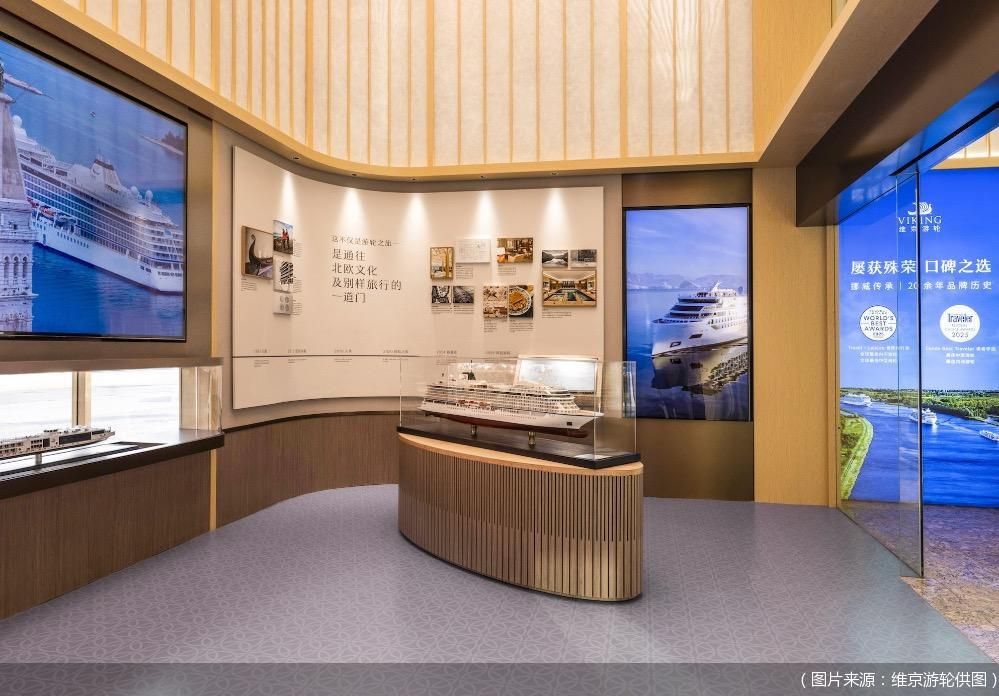
Core Insights - Viking Cruises is expanding its presence in the Chinese market by opening its first brand experience center in Beijing, targeting consumers in North China to enhance their immersive experience with luxury cruise products [2][5][6] - The company has served nearly 100,000 Chinese consumers over the past decade, with an overall repurchase rate exceeding 15%, indicating strong customer loyalty, particularly among the educated senior demographic [2][10][11] Market Strategy - The new experience center in Beijing is strategically located in a prime area and aims to provide a long-term offline space for consumers to engage with the Viking brand and its offerings [5][6] - Viking plans to host approximately 400 offline sharing and promotional events at the experience center this year, enhancing direct interaction with potential customers and travel industry partners [7] Target Demographic - The primary consumer base for Viking Cruises in China consists of individuals aged 55 and above, who are increasingly interested in high-quality, culturally rich travel experiences [11][10] - The company recognizes the unique consumption patterns of this demographic, which values quality and is willing to pay for premium experiences once they trust the brand [11] Product Development - By 2026, Viking Cruises will introduce five ships specifically designed for the Chinese market, including both river and ocean vessels, and plans to launch new products featuring Chinese-language services [2][13] - The company is also focusing on developing both outbound and inbound travel services, aiming to showcase Chinese culture to international tourists while catering to the evolving preferences of Chinese travelers [14] Future Outlook - Viking Cruises aims to replicate the experience center model in other first- and second-tier cities in China, further enhancing brand accessibility and consumer engagement [7][6] - The company is committed to expanding its product offerings, including the introduction of new European river and ocean cruise routes, to meet the growing demand from Chinese consumers [13][14]

首个品牌体验中心在京落成,维京游轮持续加码中国市场
Bei Jing Shang Bao· 2026-02-24 17:03
Core Insights - Viking Cruises is expanding its presence in the Chinese market by opening its first brand experience center in Beijing, targeting consumers in North China for immersive experiences in luxury cruise travel [1][4][7] - The company has served nearly 100,000 Chinese consumers over the past decade, with an overall repurchase rate exceeding 15%, primarily from the educated senior demographic aged 55 and above [1][11][12] - By 2026, Viking Cruises plans to invest in five ships specifically designed for the Chinese market, including river and ocean vessels, and aims to launch new products with Chinese services [1][14][15] Market Strategy - The new brand experience center in Beijing is strategically located to enhance direct consumer engagement and facilitate face-to-face interactions, addressing the preferences of the target demographic [4][7] - Viking Cruises aims to host approximately 400 offline sharing and promotional events at the experience center this year, enhancing brand visibility and consumer interaction [7][8] - The company is focusing on a dual product strategy to attract both first-time travelers and repeat customers by maintaining classic routes while diversifying product offerings [14][15] Consumer Insights - The target demographic of Viking Cruises consists of educated seniors who value quality experiences and are willing to pay for high-value offerings, showing a growing trend in onboard secondary spending [12][14] - The company has observed a shift in consumer perception towards cruise travel, particularly in major cities like Beijing and Shanghai, where awareness and familiarity with Viking's brand have increased [9][11] Future Developments - Viking Cruises plans to introduce a new Nordic cruise line with Chinese services and expand its river cruise offerings across more European destinations [12][14][15] - The company is also exploring inbound tourism routes to showcase Chinese culture to international travelers, aiming for a dual-directional business model [15]
冯卫东:消费赛道还有很多机会,但用户花钱的动力确实变了
创业家· 2025-12-15 10:21
Core Viewpoint - The current consumption investment landscape is undergoing significant changes, characterized as a "small ice age" rather than a traditional winter, with long-term shifts in consumer culture and expectations [2][4]. Group 1: Market Trends - The uncertainty surrounding IPO exit prospects has been a common challenge, although there has been some recovery since last year [3]. - The Chinese consumption market shows clear stratification, with first-tier cities entering the fourth consumption era, while others are transitioning between the third and fourth eras, presenting diverse investment opportunities [10]. - Recent years have seen a rise in cost-effective consumption, while high-end brands that have withstood market tests are increasingly favored by consumers seeking small rewards for themselves [11]. Group 2: Investment Opportunities - The investment focus is shifting towards mid-to-high-end brands, as the previous wave of new consumption models is unlikely to return [7][14]. - The supply-side technological changes are expected to bring substantial transformations to the consumption market and investment landscape [5]. - The aging population in China is creating opportunities in the silver economy, while younger generations are increasingly focused on health trends, indicating a long-term driving force for consumption [18]. Group 3: Consumer Behavior - Consumers are moving away from trial-and-error consumption patterns, especially when income growth expectations are low, leading to a return to conservative spending habits [12]. - The success of mid-to-high-end brands, such as Zhou Hei Ya and Bao Shifu, reflects the changing consumer preferences towards differentiated products [13][16]. Group 4: Future Trends - The rise of new Chinese brands targeting the mid-to-high-end market is anticipated, similar to the historical processes seen in German and Japanese manufacturing [17]. - The pet economy is also highlighted as a growing sector, with strong user demand for innovative solutions, such as pet sterilization through vaccines [18].


消费赛道的投资逻辑,变了!
创业家· 2025-11-09 10:08
Core Insights - The current consumption investment landscape is undergoing significant changes, described as a "small ice age" rather than a winter, indicating a prolonged period of transformation [1] - The uncertainty surrounding IPO exit prospects has been a common challenge, although there has been some recovery since last year [2] - Long-term trends indicate a shift in consumption culture and expectations, as highlighted by the concept of the "Fifth Consumption Era" proposed by Japanese sociologist Minoru Miura [3] Group 1: Market Dynamics - The consumer market in China is clearly stratified, with first-tier cities entering the fourth consumption era, while others are transitioning between the third and fourth eras, presenting diverse investment opportunities [10] - There is a notable rise in cost-effective consumption over the past two years, while high-end brands that have withstood market challenges are increasingly favored by consumers as a form of self-reward [10][11] - The previous trend of novelty-seeking consumption has diminished, with consumers prioritizing conservative spending in light of insufficient income growth expectations [11] Group 2: Investment Opportunities - The consumption investment landscape is evolving, with a shift towards mid-to-high-end brands that offer differentiation, leading to higher investment success rates compared to low-cost competitors [13] - Emerging trends include the aging population driving the silver economy, the youth's increasing focus on health, and the growing pet economy, indicating new avenues for investment [14] - The rise of new Chinese brands targeting the mid-to-high-end market is expected to follow the historical patterns seen in German and Japanese manufacturing, suggesting a maturation of the Chinese consumer market [14]

天图投资冯卫东:消费赛道的投资策略,变了!
创业家· 2025-11-03 10:10
Core Insights - The current consumption investment landscape is undergoing significant changes, characterized as a "small ice age" rather than a winter, indicating prolonged challenges in the market [1] - The uncertainty surrounding IPO exit prospects has been a common challenge, although there has been some recovery since last year [2] - The long-term view suggests a transformation in consumption culture and expectations, as proposed by the concept of the "Fifth Consumption Era" [3] - Technological changes from the supply side are expected to bring substantial shifts in the consumption market and investment opportunities [4] - The notion that complex systems do not follow cyclical patterns implies that significant changes are irreversible [5] - Industries that have declined are unlikely to recover; new industries will emerge to drive recovery, similar to trends seen in consumption investment [6] Consumption Market Dynamics - The consumption sector is broad, with most economic activities ultimately leading to consumer spending, presenting ongoing opportunities [7] - China's consumption market shows clear stratification, with first-tier cities entering the fourth consumption era, while others are transitioning between the third and fourth eras, creating diverse investment opportunities [10] - Recent trends indicate a rise in cost-effective consumption, while high-end brands that have withstood market tests are gaining popularity as consumers seek small rewards for themselves [10][11] Investment Trends - The previous wave of new consumption models is unlikely to return, leading to a focus on mid-to-high-end products as a more stable investment choice [11][13] - The "Matthew Effect" suggests that cost-effective brands must achieve scale, making investment in this area riskier, while mid-to-high-end brands can offer multiple successful players within each category, increasing investment success rates [13] - Emerging trends in the Chinese market include the aging population leading to a silver economy, the youth's increasing focus on health, and the growing pet economy, indicating new avenues for investment [14]

冯卫东:消费永远有机会,但投资策略变了!
创业家· 2025-10-23 10:25
Core Viewpoint - The current consumption investment landscape is undergoing significant changes, characterized as a "small ice age" rather than a winter, with long-lasting effects on consumer behavior and investment opportunities [1]. Group 1: Market Trends - There is a common challenge stemming from the uncertainty of IPO exit prospects, which has shown some recovery since last year [2]. - The long-term view indicates a transformation in consumption culture and expectations, as proposed by the concept of the "Fifth Consumption Era" by Japanese sociologist Minoru Miura, highlighting the evolving drivers behind consumer behavior [3]. - The Chinese consumption market is distinctly layered, with first-tier cities entering the fourth consumption era, while others are transitioning between the third and fourth eras, presenting varied investment opportunities [10]. Group 2: Consumer Behavior - Recent years have seen a rise in cost-effective consumption, while high-end brands that have withstood market challenges are increasingly favored by consumers as a form of self-reward [10]. - The trend of trial-based consumption, often associated with internet celebrities, is declining as consumers prioritize conservative spending amid uncertain income growth expectations [11]. - The investment focus is shifting towards mid-to-high-end brands, which are seen as having a higher success rate due to their differentiation in the market [13]. Group 3: Future Opportunities - The rise of new Chinese brands targeting the mid-to-high-end market is anticipated, driven by improvements in manufacturing quality and deeper brand understanding among entrepreneurs [14]. - Key trends for future investment include the aging population leading to a silver economy, the youth's increasing focus on health, and the growing pet economy, indicating strong consumer demand in these areas [14].

冯卫东:消费永远有机会,但投资策略变了!
Sou Hu Cai Jing· 2025-10-23 07:17
Group 1 - The current consumption investment landscape in China is undergoing significant changes, characterized as a "small ice age" rather than a simple winter, with prolonged challenges affecting the market [2] - The uncertainty surrounding IPO exit prospects has been a common challenge, although there has been some recovery since last year [2] - The concept of the "Fifth Consumption Era" has emerged, indicating that consumption culture and expectations will continue to evolve with economic development [2] Group 2 - China's consumption market shows clear stratification, with first-tier cities entering the Fourth Consumption Era, while others are transitioning between the Third and Fourth [3] - There is a notable rise in cost-effective consumption, while high-end brands that have withstood market tests are increasingly favored by consumers [3] - Investment choices are shifting towards mid-to-high-end products, as evidenced by the success of brands like Zhou Hei Ya and Bao Shifu [3] Group 3 - The "Matthew Effect" in cost-effective consumption means that only a few succeed, making investments in this area riskier, while mid-to-high-end brands can have multiple successful players in each category [5] - The trend of Chinese brands moving towards mid-to-high-end markets is expected to grow, similar to the experiences of German and Japanese manufacturing [6] - Key trends for investment include the aging population leading to a silver economy, the youth's focus on health, and the growing pet economy [6][7]