降本计划

Search documents
巴斯夫公布2025财年业绩,将把部分岗位转移至亚洲
Xin Lang Cai Jing· 2026-02-28 02:12
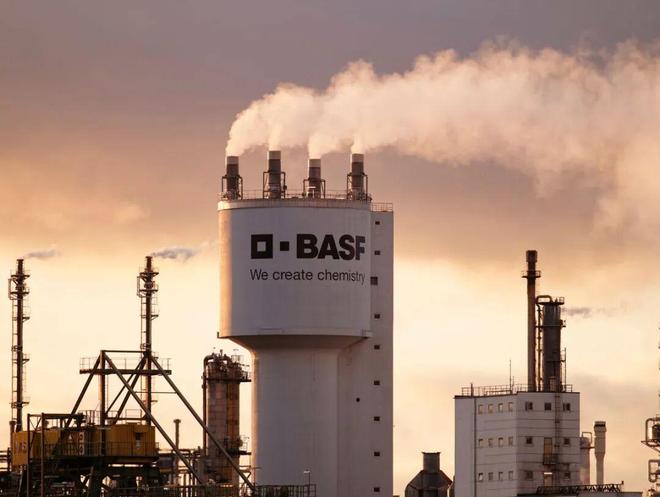
Core Viewpoint - BASF, the world's largest chemical company, reported a decline in both profit and revenue for the fiscal year 2025 compared to 2024, indicating ongoing challenges in the market and a need for significant cost-cutting measures [1][2]. Financial Performance - Revenue decreased by nearly 3%, from €61.4 billion in 2024 to €59.7 billion in 2025 [1]. - Operating profit fell by nearly 10%, from €7.2 billion in 2024 to €6.6 billion in 2025, with an expected operating profit of €6.2 to €7.0 billion for 2026 [1]. - Net profit attributable to shareholders increased from €1.3 billion to €1.6 billion, primarily due to special gains from the sale of the construction coatings business to Sherwin-Williams and compensation related to asset seizures in Russia [1]. Cost-Cutting Measures - The company plans to transfer jobs from Germany to Asia to significantly reduce costs, with an expected annual cost saving of approximately €2.3 billion by the end of 2026, exceeding the initial target of €2.1 billion [2][3]. - Administrative positions will be cut, including those in Berlin, although specific layoff numbers have not been disclosed [3]. - Capital expenditures will be significantly reduced, with fixed asset investments limited to €13 billion from 2026 to 2029, over 30% lower than the previous plan [3]. Operational Adjustments - BASF is focusing on enhancing efficiency through competitive service levels and targeted digital transformation while significantly reducing the overall workforce in the digital sector [4]. - The company has recently cut approximately 4,800 jobs, with a reduction of 11% in management positions, aiming for cost savings of €1.7 billion by 2025 [5]. - The Ludwigshafen site, which employs about 33,000 people, is under pressure due to low capacity utilization and is currently operating at a loss [5]. Market Outlook - The outlook for 2026 remains cautious, with no signs of improvement in operating conditions, and the company does not anticipate a significant market recovery or easing of geopolitical tensions in the short term [5].


宁德时代枧下窝锂矿复产工作会议,说了什么?
Xin Lang Cai Jing· 2025-09-11 09:00
Core Viewpoint - The company is preparing for the resumption of operations at its lithium mine, focusing on safety and cost efficiency in response to anticipated oversupply in the lithium carbonate market [1] Group 1: Operational Decisions - The company has decided to recall the first batch of employees from the original mining area and halt the deployment of the second batch to battery factories [1] - A comprehensive review of mining, ore selection, and smelting processes will be conducted to ensure readiness for resumption [1] - Safety checks and interlock tests will be redone to guarantee safe operations upon restart [1] Group 2: Production and Market Strategy - The company aims to achieve full production capacity quickly after resumption [1] - Collaboration with smelting partners, Longpan Technology and Tianxin Nenghua, is being coordinated to prepare for the resumption [1] - The company anticipates an oversupply of lithium carbonate post-resumption and plans to implement cost-reduction strategies across the entire mining, selection, and smelting processes to maintain competitiveness in a low-price environment [1]

宁德时代枧下窝锂矿复产工作会议要求:采矿、选矿、冶炼全流程执行降本计划
Xin Lang Cai Jing· 2025-09-11 08:21
Core Viewpoint - The company is preparing for the resumption of operations at its lithium mine, focusing on safety and cost efficiency in response to anticipated oversupply in the lithium carbonate market [1] Group 1: Operational Decisions - The company has decided to recall the first batch of employees from the battery factory to the lithium mine and halt the deployment of the second batch [1] - A thorough review of mining, ore selection, and smelting processes will be conducted, ensuring all production equipment is ready for resumption [1] - Safety checks and interlock tests will be redone to guarantee safe operations upon restart [1] Group 2: Production and Cost Management - The company aims to achieve full production capacity quickly after resumption [1] - Collaboration with smelting partners, Longpan Technology and Tianxin Nenghua, is being established to prepare for the resumption of operations [1] - The company anticipates an oversupply of lithium carbonate post-resumption and plans to implement cost reduction strategies across the entire mining, ore selection, and smelting processes to maintain competitiveness in a low-price environment [1]
奔驰计划抛售约25亿元日产股份,致后者股价滑落6%
Guan Cha Zhe Wang· 2025-08-26 08:04
Group 1 - Mercedes-Benz plans to sell its approximately $346 million (about 2.47 billion RMB) stake in Nissan, leading to a significant drop in Nissan's stock price by about 6%, the largest decline since early July [1] - Nissan reported a loss of 79.1 billion yen (approximately 3.83 billion RMB) in the first quarter of fiscal year 2025, marking the fourth consecutive quarter of losses [1][3] - The sale of Nissan shares is not considered strategically important by Mercedes-Benz, which aims to clean up its investment portfolio [1] Group 2 - Under the new CEO Ivan Espinosa, Nissan has launched a cost-cutting plan called "Re:Nissan" to restore profitability and achieve positive free cash flow by fiscal year 2026 [3] - In the first fiscal quarter, Nissan achieved global sales of 707,000 units and consolidated net revenue of 2.7 trillion yen (approximately 130.71 billion RMB), with operating losses significantly lower than the previously forecasted 200 billion yen (approximately 9.68 billion RMB) [3] - Nissan has made progress in reducing fixed and variable costs, saving over 30 billion yen (approximately 1.45 billion RMB) in the first fiscal quarter alone [3] Group 3 - Nissan's new vehicle deliveries decreased by approximately 10.2% year-on-year in the first fiscal quarter, with sales declines observed in major markets including North America and Japan [4] - The company faces challenges in brand rebuilding and market restructuring amid global cost-cutting efforts, with some key models entering a replacement window [4] - The penetration rate of Nissan's new energy vehicles, based on pure electric and e-Power technology, has not yet reached stable growth levels in key markets like China and the U.S. [4]
为降本开路,戴姆勒卡车预计将在德国裁员5000人
Sou Hu Cai Jing· 2025-07-09 13:32
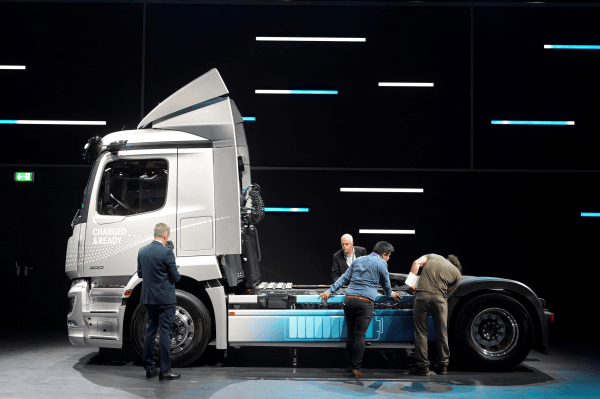
Core Viewpoint - Daimler Trucks plans to cut approximately 5,000 jobs in Germany over the next five years as part of a strategy to relocate truck production to more cost-effective countries [1][3] Group 1: Job Cuts and Restructuring - The job cuts will reduce the workforce at the German headquarters and administrative departments by 20% and sales personnel by 15% [3] - The layoffs will be achieved through natural attrition, expanded early retirement options, and targeted severance packages [3] - The company aims to improve efficiency, reduce complexity, and balance investments in diesel and zero-emission technologies to achieve higher profitability targets [3] Group 2: Financial Goals and Performance - Daimler's goal is to achieve an adjusted sales return of over 12% for its industrial business by 2030, up from 8.9% last year [3] - The company targets an annual revenue growth rate of 3%-5% by 2030, driven by defense business, increased sales of zero-emission vehicles in Europe, growth in the Indian market, and high-margin service business [3] - Daimler plans to raise its profit margin expectations for North American trucks from 9%-12% to 10%-14% by 2030 [3] Group 3: Market Challenges - The European truck manufacturing sector is facing collective challenges, with Daimler being the best-performing among the three major European truck manufacturers [4] - In Q1, Daimler's revenue was €13.3 billion (approximately ¥111.86 billion), remaining stable compared to the previous year, while its adjusted EBIT increased by 4% [5] - The European commercial vehicle market is experiencing a decline, with registrations of heavy commercial vehicles dropping by 16% year-on-year in Q1 2025 [5][6] Group 4: External Factors - Stricter emission regulations and environmental requirements are leading to a decline in demand for traditional fuel trucks [6] - The implementation of U.S. steel tariffs has increased cost pressures on global automakers, with Volvo reporting significant cost increases due to punitive tariffs [6] - The combination of declining domestic market demand, rising costs from tariffs, and geopolitical instability presents significant challenges for European truck manufacturers [6]