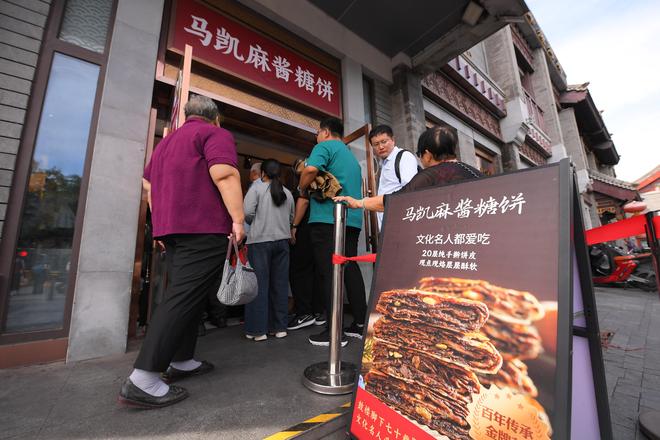
糖饼

Search documents
雅集 | 糖坊
Xin Lang Cai Jing· 2026-01-17 15:40
Core Viewpoint - The article reflects on the nostalgic memories associated with a village sugar workshop that produces maltose syrup during the cold winter months, highlighting its significance as a warm and joyful gathering place for both children and adults [2][6]. Group 1: Sugar Workshop Operations - The sugar workshop specializes in the production of maltose syrup, which is a seasonal product made only during the winter months [6][10]. - The process of making maltose syrup involves careful control of temperature and timing during the boiling and cooling stages, which is crucial for maintaining quality [4][5]. - The workshop attracts a large number of customers, especially as the traditional Chinese New Year approaches, making maltose syrup a popular item for festive celebrations [7][8]. Group 2: Community and Cultural Significance - The sugar workshop serves as a social hub for the village, where adults gather to chat and children enjoy playing and listening to stories [2][3]. - Maltose syrup is not only a treat but also a cultural symbol associated with the New Year, representing sweetness and good fortune [7][9]. - The workshop operates on a barter system, where customers exchange rice for syrup, reflecting the local economy and community practices [9][10]. Group 3: Product Characteristics - Maltose syrup is characterized by its hard yet brittle texture, lower sweetness compared to other candies, and is made from pure grain without additives [6][8]. - The final products include small maltose pieces and larger maltose cakes, which can be further processed into snacks like fried rice candy and sesame candy [8][9]. - The production of maltose syrup is limited to winter, as it cannot be stored well once spring arrives, leading to a seasonal closure of the workshop [6][10].

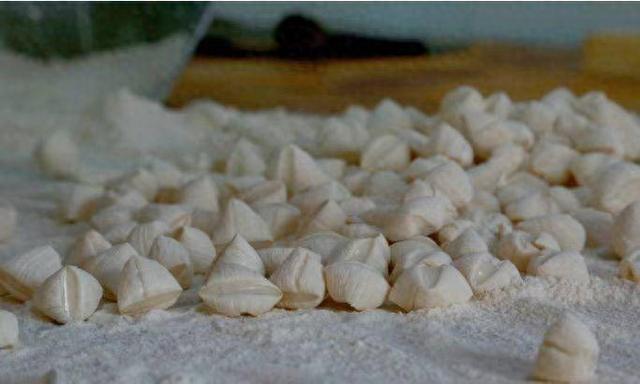
北京餐饮:多家餐厅等位约400桌
Bei Jing Shang Bao· 2026-01-04 15:44
Core Insights - The dining market in Beijing experienced a significant surge in customer traffic during the New Year holiday, with many restaurants reporting over 10% year-on-year revenue growth on New Year's Day [1][2] - Traditional restaurants and new dining brands alike saw record-breaking customer numbers, indicating a strong demand for quality dining experiences during festive periods [1][2] Group 1: Revenue and Customer Traffic - Several dining establishments, including the famous Ma Kai restaurant, reported over 10% revenue growth on New Year's Day, with full bookings for lunch and dinner [1] - The total revenue for the group under Xibei exceeded 30 million yuan during the holiday, with a customer flow of approximately 500,000 [2] - The restaurant Fei Dashi's 30 locations in Beijing had around 400 tables waiting at peak times, with one location breaking records with nearly 1,500 tables waiting on New Year's Eve [1][2] Group 2: Consumer Behavior and Market Trends - The holiday dining surge reflects a strong release of consumer demand for experiential and communal dining, enhancing brand exposure and operational efficiency for restaurants [2] - The upcoming Spring Festival is expected to bring another wave of customer traffic, with many traditional restaurants already fully booked for New Year's Eve [3] - Restaurants are advised to plan systematically for the Spring Festival to ensure service quality and operational stability, including managing reservations and supply chains effectively [3]
春节仅剩一个多月,北京多餐饮门店“一桌难求”
Bei Jing Shang Bao· 2026-01-04 09:05
Core Viewpoint - The dining market in Beijing has seen a significant surge in activity during the New Year holiday, indicating a strong consumer demand for dining experiences, which is expected to continue into the upcoming Spring Festival [2][4]. Group 1: Market Performance - During the New Year holiday, several dining establishments reported a peak in customer traffic, with some brands experiencing revenue growth of over 10% compared to the previous year [2]. - Notable restaurants like Ma Kai and other time-honored brands were fully booked, reflecting a robust demand for traditional dining experiences [2][4]. - The restaurant Fei Da Chu achieved record-breaking customer numbers, with peak wait times reaching nearly 1500 tables on New Year's Eve, and a total of 8000 customers served in one day [3]. Group 2: Consumer Trends - The holiday dining surge has activated market vitality, showcasing a strong release of collective consumption and experiential demand during festive periods [4]. - The phenomenon of long wait times indicates consumers' emphasis on quality dining and the importance of festive rituals [4]. Group 3: Future Outlook - As the Spring Festival approaches, reservations for New Year's Eve dinners have already begun to fill up, with some restaurants reporting full bookings for both lunch and dinner [4]. - To prepare for the upcoming peak in customer traffic, restaurants are advised to plan systematically to ensure service quality and operational stability, including managing reservations and supply chains effectively [5].
单日门店接待上千客流 等位时长超90分钟 “超级黄金周”点燃餐饮市场
Bei Jing Shang Bao· 2025-10-08 10:05
Group 1 - The "Super Golden Week" during the dual festivals has led to a significant increase in customer traffic in Beijing's dining market, with many restaurants experiencing peak customer flow even on the last day of the holiday [1] - Popular dining establishments, such as Hu Da Restaurant, reported an average of 8,260 customers per day during the first seven days of the holiday, a year-on-year increase of 10.6%, with a peak queue of 4,270 people [1] - The data indicates that on National Day, the number of tables waiting for service at Fei Da Chef reached nearly 80,000 nationwide, with an average table turnover of over 7 rounds per day during the holiday [1] Group 2 - Traditional brands have also shown impressive performance, with Beijing Huaten Group's old brand restaurants experiencing a revenue increase of over 25% compared to the previous period [2] - The takeaway segment has become a significant channel for consumers to experience local flavors, with some old brand restaurants reporting a year-on-year revenue growth of over 10% in their takeaway services [2] - Notable traditional dishes and seasonal foods have gained popularity, with sales at Ziguangyuan increasing by 98.8% and other brands like Wuyutai and Daoxiangcun also showing substantial growth [2] Group 3 - Food has become a new anchor for travel, with many tourists visiting Beijing for its culinary offerings, as evidenced by the city's ranking in the top 10 of the "must-eat" cities during the holiday [3] - The tea beverage sector has seen increased popularity among both domestic and international consumers, with brands like Tea Baidao achieving over 1 million yuan in sales in their first month in France [3] - The influx of foreign tourists during the holiday period has also contributed to the growth of the dining market, with a 20% increase in foreign visitors at Tea Baidao's locations compared to regular days [3] Group 4 - The dual festivals have created a vibrant festive atmosphere that has stimulated consumer spending, leading to a significant increase in customer traffic in the dining market [4] - Consumers are now seeking higher quality and experience in dining, pushing restaurants to innovate their menus and enhance service quality to meet diverse consumer demands [4] - The focus on unique dishes, dining environment, and service standards has prompted restaurants to continuously improve their offerings during the holiday period [4]
能“吃”更能“玩” 北京老字号餐厅假期火了|国庆消费青观察
Sou Hu Cai Jing· 2025-10-08 07:24
Group 1 - The core viewpoint highlights the impressive performance of traditional restaurants under Beijing Huaten Group during the National Day holiday, with a significant increase in revenue and popularity among both locals and tourists [2] - During the first seven days of the Golden Week, the revenue of Huaten's traditional restaurants increased by over 25% compared to the previous period [2] - Takeout services have become a vital channel for experiencing Beijing's culinary culture, with overall takeout revenue from Huaten's traditional restaurants growing by over 10% year-on-year [2] Group 2 - The introduction of seasonal innovative dishes, such as those featuring lotus root, has contributed to the popularity of Huaten's traditional restaurants during the autumn season [3] - The "Huaten Autumn Market" showcased a blend of traditional snacks and creative offerings, attracting a younger audience through interactive experiences [3] - Activities at the market, including games and social media engagement, have enhanced the appeal of traditional dining experiences, making them trendy among younger consumers [3]
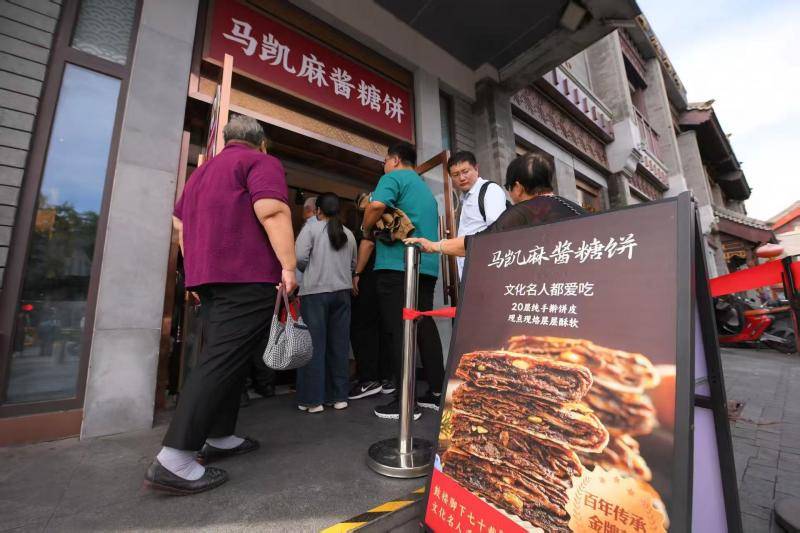
客流营收再创新高,北京假日餐饮消费亮出“成绩单”
Xin Jing Bao· 2025-10-08 07:05
Core Insights - The restaurant industry in Beijing experienced significant growth during the National Day and Mid-Autumn Festival holiday, with many well-known dining establishments reporting approximately 10% increase in revenue and customer traffic compared to the previous year [1][2]. Group 1: Revenue and Customer Traffic - Major dining establishments in Beijing saw a revenue increase of over 25% during the holiday period, with traditional restaurants and fast-food chains contributing to a 4.8% growth in the overall restaurant sector [1]. - The customer traffic in key commercial areas of Beijing increased by 14.3% during the holiday [1]. - Specific restaurants like Hu Da and the famous fried sauce noodle shop reported an 11% increase in customer flow, with peak days noted on the first two days of the holiday and October 4th and 5th [2][3]. Group 2: Popular Dishes and Consumer Preferences - Signature dishes such as black pork fried sauce noodles and spicy crayfish were particularly popular, with the latter seeing daily sales exceeding 7,800 jin during the holiday [5]. - The trend of fresh ingredients and on-site cooking was highlighted, with consumers showing a preference for dishes that offer a "wok hei" experience [5][7]. - The demand for organic ingredients was also noted, with organic food items selling out during peak days [7]. Group 3: Operational Adjustments - Many restaurants extended their operating hours and increased seating capacity to accommodate the high demand, with some establishments reporting wait times exceeding 90 minutes [4][7]. - The use of takeaway services surged, with some restaurants selling around 700 takeaway items daily [2].