非遗技艺传承与创新

Search documents
探笋乡风味,品传承匠心——福大至诚食工系师生赴建宁企业学习
Zhong Guo Shi Pin Wang· 2026-02-03 05:15
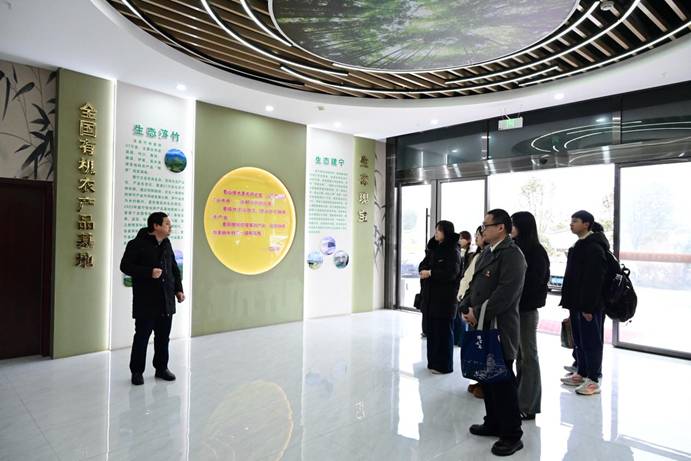
Core Insights - The event aimed to explore the cultural heritage and modernization of the provincial intangible cultural heritage of Ming bamboo shoots processing, promoting the sustainable development and quality enhancement of this traditional craft [1] Group 1: Company Overview - The visit was led by Huang Shanzhong, the inheritor of the Ming bamboo shoot processing technique and the general manager of Fujian Weilai Food Co., Ltd., showcasing the complete processing workflow from harvesting to packaging [3] - The company has achieved mechanized and standardized production processes while maintaining the essence of the intangible heritage technique, optimizing production efficiency and product quality [3] Group 2: Innovation and Development - Huang Shanzhong expressed the company's current focus on product innovation, seeking collaboration with university food science professionals to enhance product offerings and market expansion [5] - Students proposed the development of diversified derivative products such as crispy bamboo shoots and bamboo shoot sauce to cater to younger consumer preferences, as well as optimizing product forms to create unique local souvenirs [6] - The event facilitated practical exchanges between students and the company, emphasizing the responsibility of the younger generation in inheriting and innovating traditional crafts, thus supporting the development of the provincial intangible cultural heritage of Ming bamboo shoots [6]

斑驳窖池“活”着的历史:宁夏传统酿酒技艺的坚守与新生
Zhong Guo Xin Wen Wang· 2026-01-30 06:37
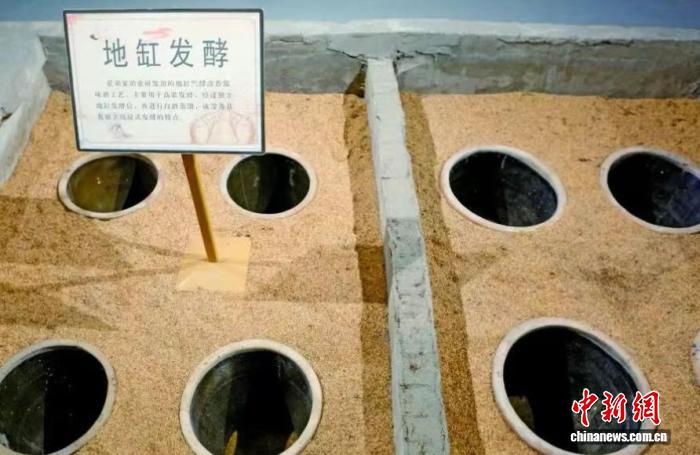
Core Viewpoint - The article highlights the preservation and innovation of traditional winemaking techniques in Ningxia, particularly through the efforts of Ningxia Dingxia Liquor Co., Ltd, which has transformed its historical practices into a modern cultural and industrial experience [1][2]. Group 1: Company Overview - Ningxia Dingxia Liquor Co., Ltd is located in Lingwu City and is the site of the original Ningxia first distillery, Lingnong Daqu Distillery, established in 1954 [1]. - The company has maintained the use of traditional fermentation facilities, specifically the earth cellar-style fermentation pits, which are considered valuable heritage [1][2]. Group 2: Traditional Techniques - The production of large vat liquor involves a complex process that includes selecting local sorghum and wheat, and requires nearly two years from raw material to finished product [2]. - The essence of traditional craftsmanship lies in the concept of "heaven and man brewing together," where artisans must be attuned to the microbial activity within the fermentation pits [2]. Group 3: Innovation and Modernization - Wang Changning, the fourth-generation inheritor of the distillation technique, has successfully integrated traditional knowledge with modern scientific methods, improving the yield by 15% while stabilizing product quality [2][4]. - In 2022, the distillation technique was recognized as an intangible cultural heritage, and the company established Ningxia's first earth vat fermentation workshop named after a hundred surnames [4]. Group 4: Cultural and Economic Impact - The company has adopted a "liquor culture + industrial tourism" model, attracting over 50,000 visitors annually since becoming a provincial-level cultural industry demonstration base in 2023 [4]. - This immersive experience allows consumers to engage with the cultural narratives behind the products, fostering interest from distributors across multiple provinces [4].
雷军和元气森林创始人投资黄金珠宝公司 完成亿元融资
Sou Hu Cai Jing· 2025-12-02 03:35
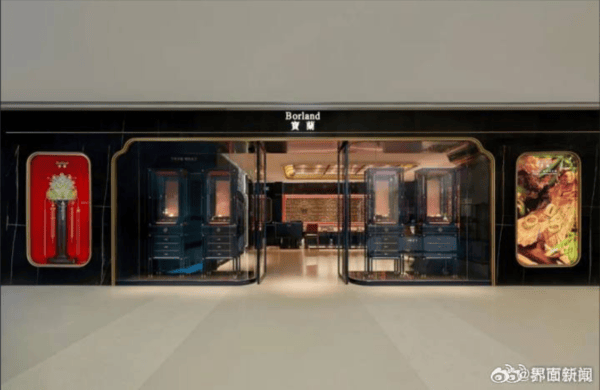
Core Viewpoint - The brand "寶蘭," specializing in flower silk inlay and traditional gold craftsmanship, has successfully completed over 100 million RMB in Series A financing, attracting notable investors including Challenger Capital, Kering Group, and Shunwei Capital [1][3]. Group 1: Financing and Investors - Challenger Capital, led by Tang Binsen, known for creating the popular beverage brand "Yuanqi Forest," is focusing on high-end consumer brands with cultural significance through this investment in "寶蘭" [3]. - Shunwei Capital, founded by Lei Jun, has a strong presence in the smart hardware and technology sectors, potentially bringing a tech-oriented perspective to "寶蘭" [3]. - Kering Group, the parent company of luxury brands like Gucci and Saint Laurent, is strategically investing in a Chinese high-end gold jewelry brand, indicating a commitment to understanding and enriching its portfolio in the Chinese luxury market [3]. Group 2: Brand Overview and Product Offering - "寶蘭" was established in 1988 but began its brand operation in 2018, focusing on the preservation and innovation of the national intangible cultural heritage technique of "flower silk inlay" [4]. - The brand employs several masters of intangible cultural heritage, emphasizing high-end handcrafted gold products, with prices reflecting its premium positioning; for instance, a 65-gram ancient hand-crafted bracelet is priced over 125,000 RMB [4]. - Currently, "寶蘭" has only three physical stores located in high-end shopping malls in Hangzhou and Shenzhen, targeting a high-net-worth clientele with a cautious channel strategy [4].
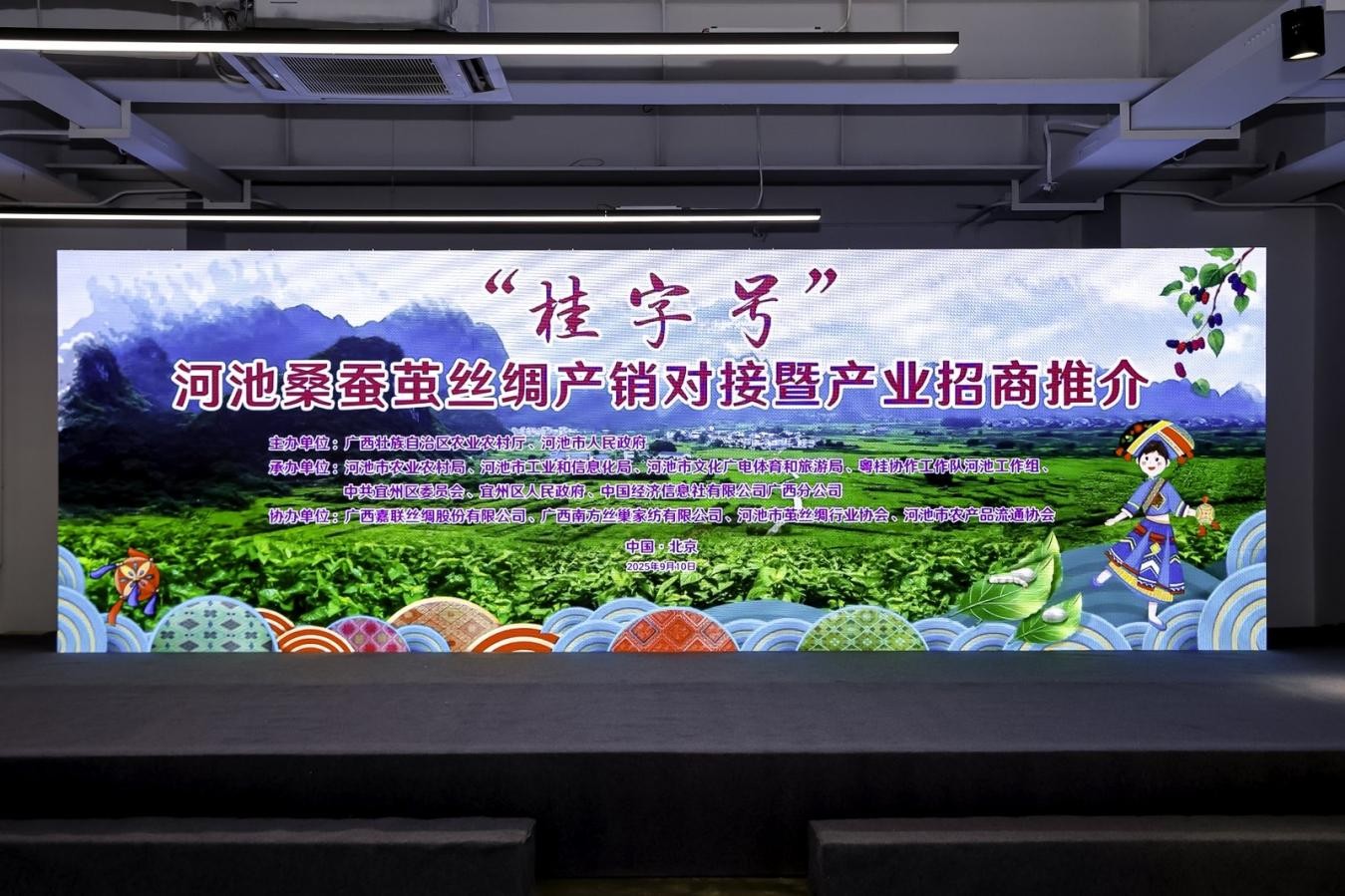
加强品牌建设 “桂字号”河池桑蚕茧丝绸产销对接暨产业招商推介活动在京举行
Ren Min Wang· 2025-09-19 03:02
Core Viewpoint - The event in Beijing focused on promoting the high-quality development of the Hechi silk industry, emphasizing the integration of traditional culture and modern industry practices [1][4]. Industry Development - Hechi is recognized as the "New Silk Capital of China," with a development pattern highlighting its significance in the global silk industry [4]. - The local government is committed to building a comprehensive data space for the silk industry, enhancing the entire supply chain from mulberry cultivation to silk trade [4]. - The silk industry in Hechi aims to achieve a trillion-yuan industrial cluster, enhancing brand recognition and market connections [7]. Production and Quality - In 2024, Hechi is projected to have a mulberry plantation area of 963,200 acres and a silkworm cocoon output of 218,500 tons, accounting for 45% of Guangxi's production, 28% of China's, and 25% globally [7]. - The quality control of silkworm cocoons has been emphasized, with a stable quality rate of over 90% [4]. Cultural Integration - The event showcased the integration of non-material cultural heritage, such as Zhuang brocade and Nandan Yao silk, into the silk industry, promoting innovation and cultural exchange [4][8]. - The collaboration between traditional crafts like Zhuang brocade and modern design is encouraged to attract younger audiences [8]. Support and Collaboration - The event was organized by various governmental bodies and industry associations, indicating strong institutional support for the silk industry [9]. - The China Silk Association aims to facilitate cooperation between Hechi silk enterprises and other silk businesses across the country [7].
亚投行刮起“中国风”:非遗技艺惊艳亮相,外国嘉宾直呼“真棒”
Bei Ke Cai Jing· 2025-06-26 13:43
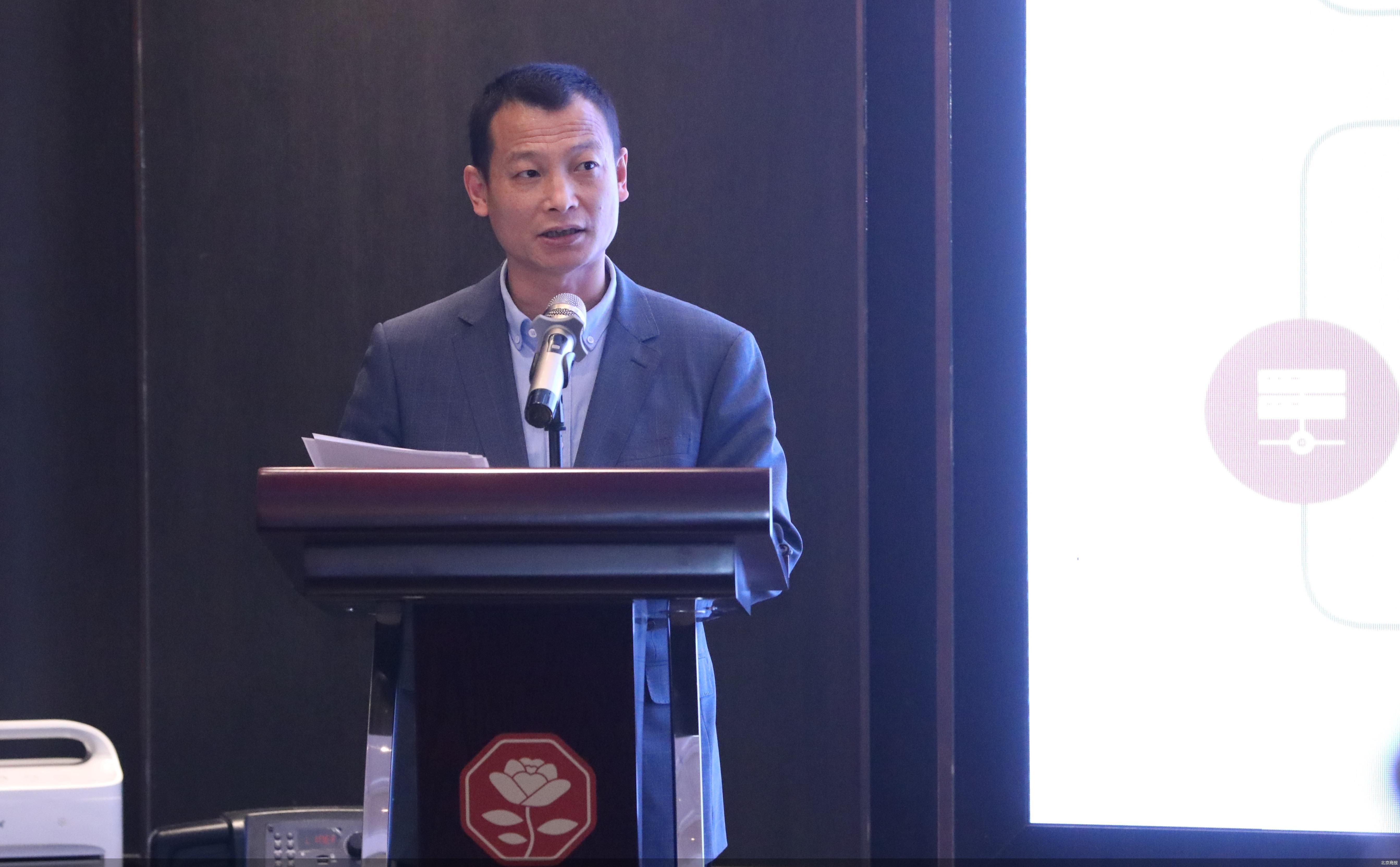
Core Viewpoint - The immersive exhibition showcasing traditional Chinese craftsmanship and intangible cultural heritage at the AIIB annual meeting successfully attracted international attention and generated significant sales of cultural products. Group 1: Exhibition Overview - The AIIB's 10th Annual Meeting featured an exhibition from June 24 to 26, where 12 representative enterprises presented a diverse array of cultural products combining "intangible heritage skills, time-honored brands, and cultural IP" [2][4]. - The exhibition transformed intangible cultural heritage into tangible products such as fridge magnets, brooches, cloisonné items, tea sets, and handicrafts, making them accessible to attendees [3][5]. Group 2: International Reception - The exhibition attracted over a thousand domestic and international guests, with many foreign attendees expressing enthusiasm for traditional Chinese medicine and cultural products [3][4]. - Foreign guests actively purchased various cultural products, indicating a strong interest in experiencing and taking home elements of Chinese culture [4][9]. Group 3: Product Innovation - Companies like Yida Ge and the Cloisonné Factory showcased innovative products that blend traditional craftsmanship with modern design, such as scented candles and lifestyle products inspired by traditional ink culture [6][7]. - The collaboration between Cai Bai and cultural landmarks resulted in a jewelry series that creatively interprets royal garden architecture and cultural elements [7]. Group 4: Cultural Engagement - The exhibition emphasized interactive experiences, allowing foreign guests to engage with traditional techniques, thus breaking down cultural barriers and fostering a deeper understanding of Chinese culture [8][10]. - The focus on demand-driven cultural export rather than mere product promotion was highlighted, with an emphasis on creating meaningful connections with foreign audiences [10][11]. Group 5: Youth Engagement and Innovation - The rise of Generation Z has prompted traditional brands to adapt and innovate, making cultural heritage relevant to younger audiences through modern expressions [11][12]. - The importance of the "craftsman spirit" was emphasized, highlighting the need for patience, dedication, and respect for traditional culture in the transmission of skills to younger generations [12].

德诚珠宝博物馆:焕发东方文化新生,探秘金艺美学活力
Sou Hu Wang· 2025-06-17 08:15
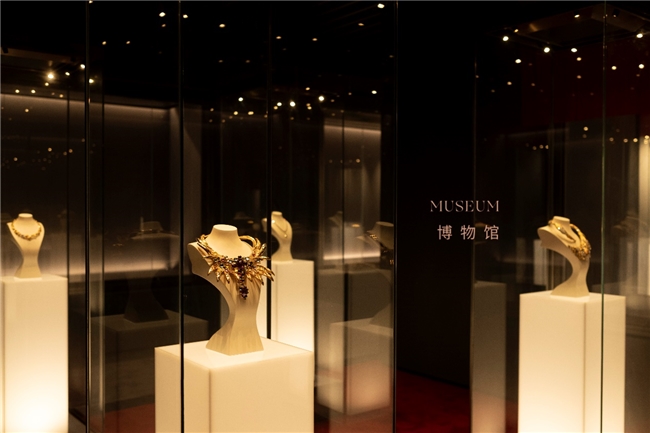
Group 1 - The article highlights the resurgence of gold as a cultural symbol in the context of the "Guochao" trend, emphasizing its role in expressing cultural confidence and continuity [1][24] - The collaboration between Decheng Jewelry Museum and Luoyang Tangyi Museum aims to showcase the profound history and artistry of gold craftsmanship through the exhibition "Chuan Cheng Dong Fang • Jin Gong Wan Xiang" [3][5] - The exhibition features 46 ancient gold artifacts spanning various dynasties, showcasing the evolution of ancient Chinese precious metal art [5][8] Group 2 - Decheng Jewelry Museum, as the first jewelry industry museum in Fujian Province, covers an area of 3,800 square meters and includes four exhibition halls and ten galleries, creating a comprehensive narrative of history, culture, art, and craftsmanship [8][9] - The museum displays the eight major gold craftsmanship techniques, representing the pinnacle of gold processing skills and serving as a vital material carrier of Chinese civilization [11][14] - The integration of traditional craftsmanship into product design by Decheng reflects a unique gene that distinguishes contemporary Chinese jewelry brands from international luxury brands [14][21] Group 3 - The museum actively collaborates with various masters to innovate and present diverse possibilities in gold art and craftsmanship since 2015 [16] - The "Shihui Hall" within the museum showcases works from international and Chinese jewelry art masters, highlighting the fusion of gold with other materials and contemporary artistic expressions [18][21] - The "Jin Xi Liang Yuan" series combines traditional wedding customs with high-purity gold embroidery and intricately crafted wedding items, illustrating the connection between static gold and dynamic craftsmanship [21][24]
萃华楼餐饮集团负责人王培欣:建议外卖平台设立老字号专区
Bei Jing Shang Bao· 2025-04-09 14:06
Group 1 - The meeting held in Beijing focused on promoting the high-quality development of private catering enterprises in the capital, with participation from around 50 representatives from medium and large private companies and government officials [1] - Traditional brands are encouraged to actively respond to current consumer segmentation and public demand, with examples like Cuihua Lou opening community service stores and affordable roast duck shops, implementing a low-profit business model [4] - The group is embracing digital transformation by adopting an "Internet+" business model, entering platforms like Meituan, Douyin, and Dazhong Dianping, and utilizing a new retail model that integrates e-commerce with physical stores and live streaming [4] Group 2 - There is a call for increased support from various departments for the cultivation of intangible cultural heritage (ICH) technical talents, addressing the challenges faced by ICH inheritors [4] - Recommendations include lowering the entry barriers and fees for traditional brands on delivery platforms, establishing dedicated zones for these brands, and providing targeted promotion and marketing strategies to enhance brand influence in the delivery market [4]