
面包价格上涨

Search documents
10元以下的面包,买不到了吗?
Si Chuan Ri Bao· 2026-01-05 21:38
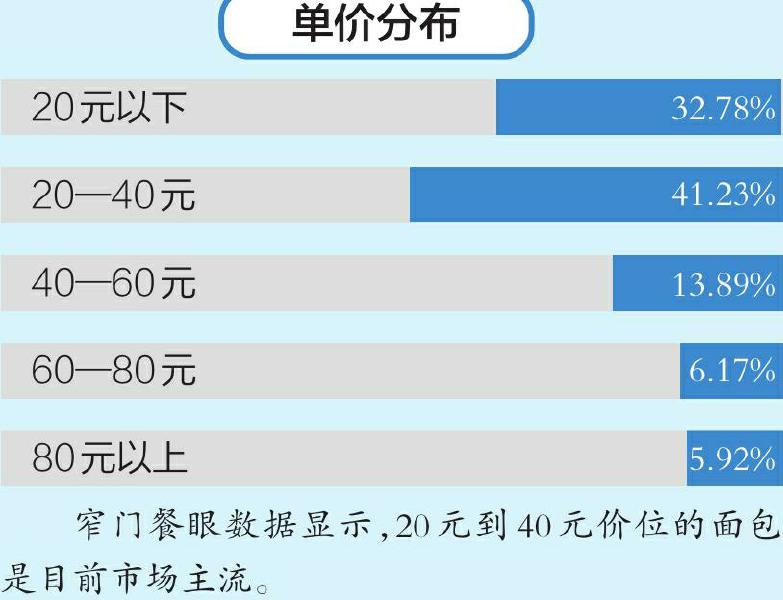
Core Insights - The current market trend shows that bread prices are increasing, with a significant portion of consumers expressing dissatisfaction over the rising costs, particularly for items priced above 20 yuan [4][6] - The majority of bread sold in the market falls within the 20 to 40 yuan price range, indicating a shift in consumer preferences towards mid-range products [2][6] Price Distribution - 32.78% of bread is priced below 20 yuan - 41.23% of bread is priced between 20 and 40 yuan - 13.89% of bread is priced between 40 and 60 yuan - 6.17% of bread is priced between 60 and 80 yuan - 5.92% of bread is priced above 80 yuan [1][6] Market Dynamics - The rising prices are attributed to the increasing social value associated with bread, where consumers are willing to pay more for aesthetically pleasing and unique products [7] - High-quality ingredients and rising operational costs, including rent and marketing, are contributing factors to the price increases [7][8] Industry Trends - The baking industry is experiencing significant growth, with projections indicating that the retail market size will reach 662.15 billion yuan by 2025, reflecting a 153.72% increase from 2020 [8] - Despite the trend towards higher-priced items, there remains a stable demand for affordable bread, suggesting that lower-priced options will continue to exist in the market [8]

三十元一枚的贝果、八十元一条的吐司——面包为啥变贵了?
Ren Min Ri Bao Hai Wai Ban· 2025-12-18 02:48
Core Insights - The price of bread has significantly increased in various cities, with consumers reporting prices for medium-sized bread often exceeding 20 to 30 yuan, and even higher in trendy stores, leading to the term "bread assassin" among shoppers [1][2] Group 1: Price Increase Factors - The main factors driving up bread prices include rent, labor, and raw materials, with rent accounting for 15% to 20% of sales in some bakeries [2] - Labor costs are high due to the need for sufficient staff to provide quality service, and the use of imported ingredients adds to the overall cost [2] - Additionally, the "soft costs" associated with creating an Instagram-worthy product and store environment have become significant, as businesses invest in marketing and social media promotions [2] Group 2: Consumer Behavior - Consumers are divided into two main categories: those who prioritize quality and are willing to pay for artisanal and unique flavors, and younger consumers influenced by social media who pay for the experience of "checking in" [3] - Some consumers are turning to homemade alternatives due to rising prices, finding that baking at home is simpler and more cost-effective [4] - The frequency of purchasing bread has decreased for some consumers, who now view it as a special treat rather than a daily staple [4] Group 3: Market Dynamics - Many once-popular trendy bakeries are facing challenges and market reshuffling, as the rapid turnover of trends in consumer goods is evident [5] - To survive, businesses must shift focus from chasing fleeting trends to ensuring product quality and sustainable operations [5]