
吐司

Search documents
安井食品(02648) - 海外监管公告 - 2025年年度报告摘要(A股)
2026-03-30 22:08
香港交易及結算所有限公司及香港聯合交易所有限公司對本公告的內容概不負責,對其準確性 或完整性亦不發表任何聲明,並明確表示,概不對因本公告全部或任何部份內容而產生或因倚 賴該等內容而引致的任何損失承擔任何責任。 ANJOY FOODS GROUP CO., LTD. 安井食品集團股份有限公司 (於中華人民共和國註冊成立的股份有限公司) (股份代號:2648) 本公告乃根據《香港聯合交易所有限公司證券上市規則》第13.10B條而作出。 茲 載 列 安 井 食 品 集 團 股 份 有 限 公 司(「 本公司 」)在 上 海 證 券 交 易 所 網 站 ( www.sse.com.cn )刊登的本公司2025年年度報告摘要(A股),僅供參閱。 承董事會命 安井食品集團股份有限公司 董事長兼執行董事 劉鳴鳴先生 中國廈門,2026年3月30日 於本公告日期,本公司董事會成員包括:(i)執行董事劉鳴鳴先生、張清苗先生、 章高路先生及黃建聯先生;(ii)非執行董事鄭亞南博士、戴凡先生及張光璽先生; 及(iii)獨立非執行董事張梅女士、劉曉峰博士、趙蓓博士及張躍平先生。 安井食品集团股份有限公司 2025 年年度报告摘要 1 ...
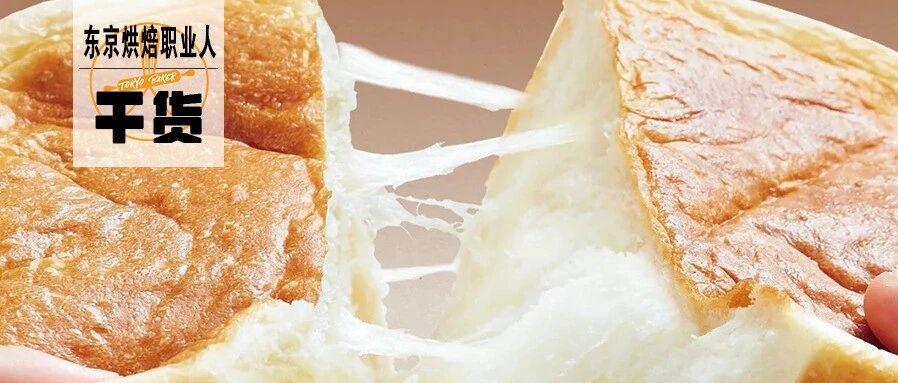
直接法、中种法、烫种法、液种法吐司制法差异!| 面包实验室
东京烘焙职业人· 2026-03-09 08:33
Core Viewpoint - The article discusses various bread-making techniques, emphasizing the importance of water temperature and the comparison of different methods to achieve high-quality bread [1]. Group 1: Direct Method - The direct method involves mixing all ingredients in a specific order to form dough, followed by fermentation, shaping, and baking [3]. - The process includes mixing flour, water, and sugar, then adding butter and continuing to mix until fully developed [5][7]. - The direct method is quicker than others, highlighting the flavor of wheat but may lead to less stable dough due to environmental factors [44][45]. Group 2: Intermediate Method - The intermediate method, also known as the sponge method, uses over 50% of flour to create a pre-ferment that ferments for 3-4 hours before mixing with the remaining ingredients [20]. - Fermentation time varies with temperature, ranging from 1-18 hours depending on the environment [20]. - This method allows for better dough maturation but may lead to quicker staling compared to the direct method [48]. Group 3: Scalded Dough Method - The scalded dough method involves mixing a portion of flour with hot water to gelatinize starch, improving texture and sweetness [12]. - The optimal addition of scalded dough is around 20%, balancing moisture retention and gas retention during fermentation [52]. - While it enhances water absorption, it may also lead to a coarser texture in the final product [52]. Group 4: Liquid Dough Method - The liquid dough method, originating from the U.S., incorporates skim milk powder and aims to address rapid fermentation issues [27]. - This method enhances flavor and aroma, improving yeast activity, especially in sweet doughs [54]. - However, it is more complex and requires longer fermentation times [54]. Group 5: Comparison of Methods - Each method has its advantages and disadvantages, affecting dough stability, flavor, and texture [54]. - The direct method is faster but may compromise dough quality, while the intermediate method offers better flavor development at the cost of time [48][49]. - The scalded and liquid methods improve moisture retention and flavor but may complicate the process and affect texture [52][54].

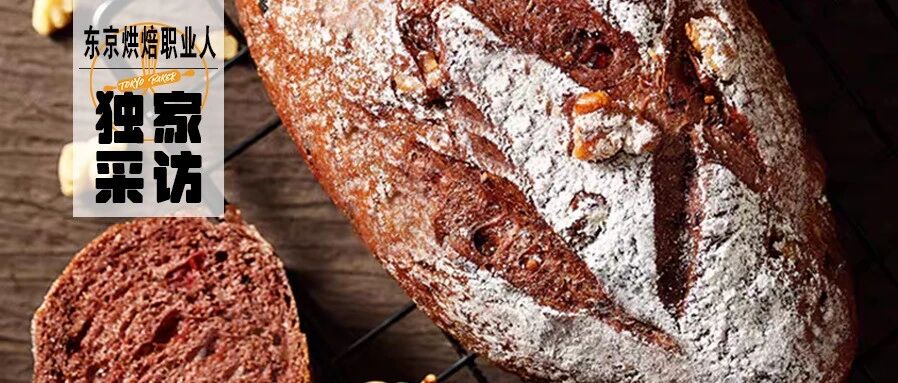
【独家专访】十年死磕一粒麦!粗粮新语如何重新定义好吃的粗粮面包?
东京烘焙职业人· 2026-03-04 08:33
Core Viewpoint - The article highlights the journey and philosophy of the brand "粗粮新语" (Grain New Language), which focuses on creating healthy and delicious whole grain baked goods, breaking the stereotype that whole grain products are unappetizing [2][4][29]. Company Overview - Founded in 2017, "粗粮新语" has established two modern factories, an online presence across major platforms, and supplies to over 1,000 bakeries around Suzhou, achieving over 500 million in cumulative sales [2][7]. - The brand's mission is to promote a healthy and beautiful life by making healthy food delicious and delicious food healthy [7]. Product Philosophy - The brand aims to change consumer perceptions that "whole grain equals rough and unappetizing" by using clean ingredient lists and maintaining strict quality control [4][10]. - The founders emphasize that health is the goal, but taste is the prerequisite, as healthy food must be enjoyable to integrate into daily life [8][10]. Target Audience - The core customer base consists of women aged 20-40 in first and second-tier cities who prioritize health, body management, and convenient eating [7][23]. - The brand has identified three key considerations for this demographic when choosing healthy baked goods: clean ingredient lists, pleasant taste, and the ability to fit into a fast-paced lifestyle [23][26]. Product Development - The product line includes a variety of items such as whole grain European bread, alkaline water bread, and whole grain snacks, with over 100 SKUs [7][14]. - The brand's iterative logic focuses on addressing real user pain points while maintaining the core of whole grains [14][22]. Innovation and Trends - Future product development will explore flavor innovations by incorporating traditional Chinese health ingredients and enhancing sensory experiences with natural aromas [27][38]. - The brand anticipates a shift in consumer focus from merely eating to deriving emotional value and enjoyment from food, positioning itself as a proponent of a healthy lifestyle [27][46]. Competitive Advantage - The brand's competitive edge lies in its founder's personal story and commitment to health, its own manufacturing facilities ensuring quality control, and a focus on clean labels rather than adding unnecessary ingredients [29][32]. - The brand has established a "trust system" that is difficult for competitors to replicate, emphasizing transparency and quality in its production processes [29][32]. User Engagement - The brand engages users through a "product tester" system, allowing core users to provide feedback on new products before they launch, fostering a community around healthy living [39][40]. - Feedback from users has revealed unexpected consumption scenarios, prompting the brand to consider new product lines tailored for families and children [38][43]. Future Plans - The brand plans to expand its product matrix beyond bread to include more healthy staples and snacks, potentially opening offline experience stores to enhance customer engagement [45][46]. - The company aims to maintain its role as a "guardian of basic values" in the health baking industry while exploring innovative and delicious options for consumers [46].
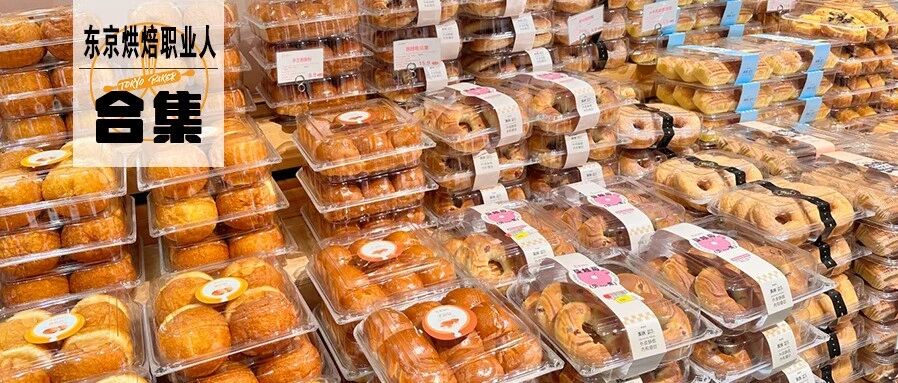
烘焙时光集7|东京烘焙职业人 2018-2025热门文章精选
东京烘焙职业人· 2026-02-22 02:05
Core Insights - The article reflects on the journey of "Tokyo Baking Professionals" since its inception in 2015, highlighting the evolution and growth of the baking industry, as well as the craftsmanship and skills passed down through generations [1] Group 1: Popular Articles Collection - The collection features a compilation of popular articles from 2018 to 2025, showcasing in-depth articles, practical techniques, and industry insights that have resonated with readers [2][1] - The articles cover various themes, including unique bakery experiences, interviews with bakery owners, and innovative baking techniques that have gained popularity [5][6] Group 2: Store Exploration - The exploration of bakeries includes stories of unique shops, such as a bakery in Kyoto known for its natural yeast French bread, which sells out quickly [5] - Interviews with bakery owners reveal their journeys, such as a retired baker who runs a successful shop in a small alley and a designer who created a highly popular child-friendly bakery [5] - The collection also highlights the success of bakeries that have become local legends, such as a 70-year-old bakery in Japan attracting visitors from afar [5] Group 3: Technical Knowledge - Articles provide insights into essential baking techniques, such as understanding flour types, dough temperature management, and yeast usage [9] - The content emphasizes the importance of mastering various baking methods and ingredient substitutions to enhance baking skills [9] Group 4: Industry Insights - The article discusses trends in the baking industry, including the rise of health-conscious baking and the popularity of unique flavor combinations [15] - Insights into the challenges faced by bakeries, such as high product waste rates and market saturation, are also addressed, along with strategies for overcoming these issues [15]
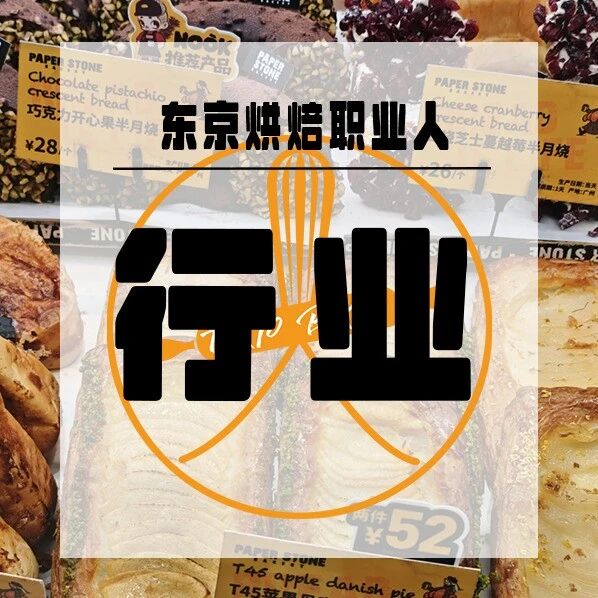
面包刺客,正在失去年轻人
东京烘焙职业人· 2026-01-11 08:33
Core Viewpoint - The article discusses the rising prices of bread in the Chinese market, highlighting the disconnect between high prices and consumer willingness to pay, driven by factors such as cost increases and emotional value associated with premium products [8][20]. Group 1: Price Trends and Consumer Behavior - The average dining price for meals has approached levels seen in 2015, prompting many restaurants to lower prices to survive in a competitive market [8]. - Despite high prices, the demand for bread remains strong, with some popular bakeries experiencing long queues and even offering "resale" services at a markup [11][12]. - Consumers are increasingly willing to pay high prices for bread, associating it with emotional value and a sense of luxury in their fast-paced lives [20][21]. Group 2: Cost Factors Influencing Prices - High rental costs significantly impact bakery operations, with rents in prime locations consuming 15%-20% of sales [16]. - The trend of using premium ingredients has led to increased costs, as many brands compete on the quality of their raw materials [16]. - The "made fresh daily" model, while ensuring quality, raises labor costs and increases waste due to unsold products, with some bakeries reporting over 50% spoilage rates [19]. Group 3: Market Dynamics and Future Outlook - The bakery industry is undergoing a harsh consolidation phase, with a reported decrease of 87,658 bakery stores in the past year, and over 57% of new stores closing within two years [23][24]. - The high pricing strategy may not be sustainable as consumers become more rational and less willing to pay for inflated prices driven by marketing rather than product quality [24]. - The market may see a shift towards offering both high-quality and affordable products, as brands are pressured to focus on genuine quality and fair pricing to survive [27].
下周来红星,品尝记忆里的浏阳味道丨“工”筑精品 惠享万家
Xin Lang Cai Jing· 2026-01-10 17:26
Group 1 - The event "Shared Plan" will take place from January 16 to 18 at the Changsha Hongxing International Convention and Exhibition Center, showcasing local products and brands from Liuyang [1] - The "Jinyang Goodies" exhibition area will feature well-known local brands and products, highlighting the craftsmanship of "Liuyang manufacturing" [1][9] - The event aims to present the rich culinary culture of Liuyang, emphasizing local flavors and traditional food items [2] Group 2 - Local companies such as Hunan Daowushan Food Co., Ltd. and Hunan Dewang Agricultural Technology Development Co., Ltd. will present traditional dishes that evoke nostalgia and local flavors [2] - Hunan Xianola Agricultural Development Co., Ltd. and Hunan Xiangnuo Food Co., Ltd. will showcase unique local products like pickled vegetables and smoked bamboo shoots, which are integral to local cuisine [2] - The event will also feature innovative food solutions, including pre-packaged meals from Hunan Xincongchu Food Co., Ltd., making it easier for families to prepare festive meals [5] Group 3 - The Liuyang food industry is providing new solutions for traditional cooking, allowing for easier meal preparation with high-quality pre-cooked dishes [5] - Local beverage companies like Hunan Aosili Food Technology Co., Ltd. will offer refreshing drinks to complement the festive meals [7] - The "Jinyang Goodies" platform aims to enhance the brand image of Liuyang manufacturing by ensuring quality and traceability for over 20 local enterprises [9]
奶茶店开始“卖饭”?蜜雪、古茗、阿嬷都盯上这门生意
3 6 Ke· 2026-01-10 04:52
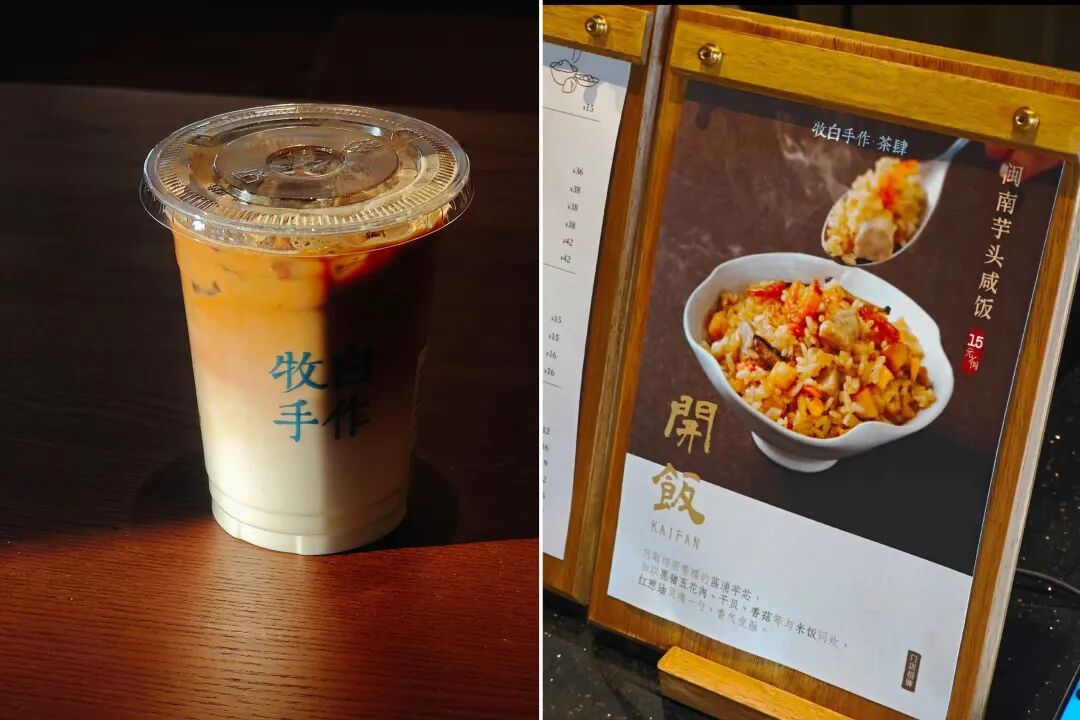
Core Insights - The trend of beverage shops selling food items, particularly rice dishes, is gaining traction, with brands like Mubaishou and A-Ma Handcrafted leading the way in this new market segment [1][3][7] Group 1: New Product Offerings - Mubaishou has introduced a new dish, Min Nan Taro Rice, priced at 15 yuan, which has received positive feedback for its flavor and value [3] - A-Ma Handcrafted has also attracted attention by offering rice dishes, although they primarily sell a rice sauce for customers to pair with rice [7][18] - The beverage industry is increasingly integrating food offerings, moving from simple snacks to full meal options, targeting breakfast and lunch markets [8][13] Group 2: Market Strategy - Brands are redefining their business models by creating new store formats that emphasize the combination of beverages and meals, enhancing customer experience [14][16] - Companies like Nayuki are launching new store concepts focused on light meals, aiming to cater to the lunch crowd with affordable options [17] - The strategy of offering food items is seen as a way to increase average transaction value and enhance brand presence in consumers' daily lives [20][21] Group 3: Industry Trends - The beverage sector is witnessing a shift towards food offerings as a response to market competition, with brands looking to expand their product categories and consumer touchpoints [21][24] - Successful integration of food and beverage offerings often relies on light processing or strong synergy between products, with many brands still exploring this model [24] - Despite the growing trend, food sales currently represent a small percentage of total revenue for many beverage brands, indicating that the fusion of drinks and meals is still in its early stages [24]

10元以下的面包,买不到了吗?
Si Chuan Ri Bao· 2026-01-05 21:38
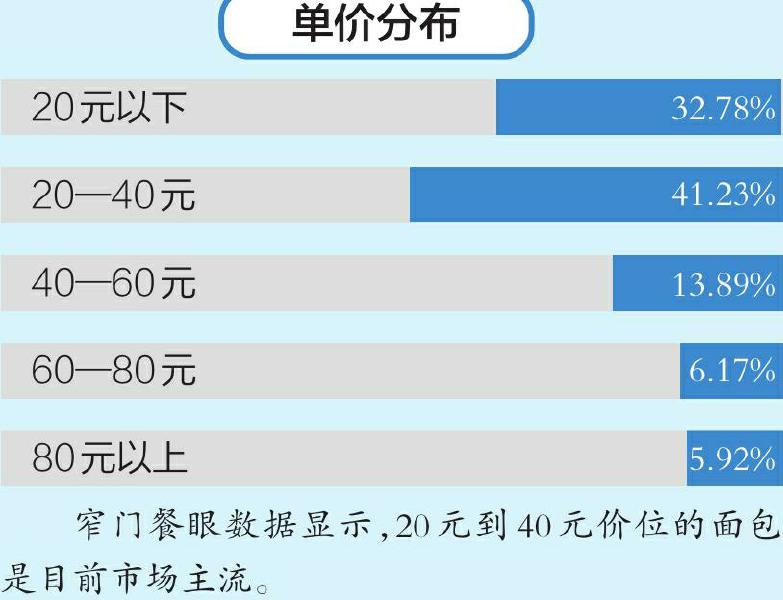
Core Insights - The current market trend shows that bread prices are increasing, with a significant portion of consumers expressing dissatisfaction over the rising costs, particularly for items priced above 20 yuan [4][6] - The majority of bread sold in the market falls within the 20 to 40 yuan price range, indicating a shift in consumer preferences towards mid-range products [2][6] Price Distribution - 32.78% of bread is priced below 20 yuan - 41.23% of bread is priced between 20 and 40 yuan - 13.89% of bread is priced between 40 and 60 yuan - 6.17% of bread is priced between 60 and 80 yuan - 5.92% of bread is priced above 80 yuan [1][6] Market Dynamics - The rising prices are attributed to the increasing social value associated with bread, where consumers are willing to pay more for aesthetically pleasing and unique products [7] - High-quality ingredients and rising operational costs, including rent and marketing, are contributing factors to the price increases [7][8] Industry Trends - The baking industry is experiencing significant growth, with projections indicating that the retail market size will reach 662.15 billion yuan by 2025, reflecting a 153.72% increase from 2020 [8] - Despite the trend towards higher-priced items, there remains a stable demand for affordable bread, suggesting that lower-priced options will continue to exist in the market [8]
“贵价面包”在高线城市不灵了?
虎嗅APP· 2025-12-31 11:37
Core Viewpoint - The rapid expansion of the bakery brand UH Youhe has been met with a surprising number of store closures in major cities, indicating potential operational challenges despite its popularity and growth in store numbers [4][5][9]. Group 1: Store Expansion and Closures - UH Youhe, established in 2016, gained popularity for its freshly baked products and transparent operations, expanding from Hubei to multiple cities including Changsha, Hangzhou, and Chengdu by 2024 [6][7]. - As of now, UH Youhe has opened over 130 stores across various cities, maintaining its expansion momentum [8]. - However, the brand has also closed several stores in cities like Beijing, Shenzhen, and Chengdu, with many closures occurring within a year of opening [9][10]. Group 2: Reasons for Store Closures - The closures are attributed to various reasons, including unsuccessful negotiations for lease renewals and broader business adjustments [10][11]. - Industry analysts suggest that these closures may reflect a strategic move to cut losses on underperforming locations [11]. Group 3: Pricing Strategy - To cope with high operational costs, UH Youhe has been quietly increasing prices across its locations, with individual product prices rising by 1-2 yuan [14]. - The average consumer spending at UH Youhe is around 40 yuan, indicating a shift in pricing strategy to maintain profit margins amidst rising costs [14]. Group 4: Market Trends in Bakery Industry - The premium bakery market has seen intense competition, with many brands facing growth pressures, leading to adjustments in store strategies [15]. - Some brands are shifting focus to lower-tier cities, where there is significant growth potential, as evidenced by the expansion of brands like HOT CRUSH and KUMO KUMO into third-tier cities [16][18]. - The down-market trend is driven by changing consumer preferences, with increased demand for quality and service in less saturated markets [19][21].
三十元一枚的贝果、八十元一条的吐司——面包为啥变贵了?
Ren Min Ri Bao Hai Wai Ban· 2025-12-18 02:48
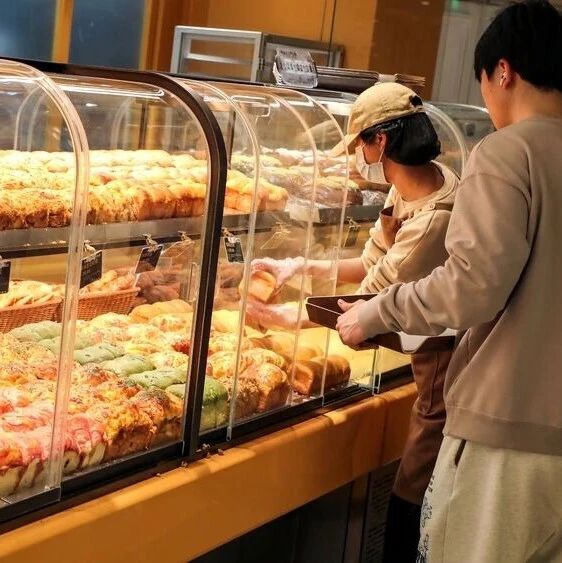
Core Insights - The price of bread has significantly increased in various cities, with consumers reporting prices for medium-sized bread often exceeding 20 to 30 yuan, and even higher in trendy stores, leading to the term "bread assassin" among shoppers [1][2] Group 1: Price Increase Factors - The main factors driving up bread prices include rent, labor, and raw materials, with rent accounting for 15% to 20% of sales in some bakeries [2] - Labor costs are high due to the need for sufficient staff to provide quality service, and the use of imported ingredients adds to the overall cost [2] - Additionally, the "soft costs" associated with creating an Instagram-worthy product and store environment have become significant, as businesses invest in marketing and social media promotions [2] Group 2: Consumer Behavior - Consumers are divided into two main categories: those who prioritize quality and are willing to pay for artisanal and unique flavors, and younger consumers influenced by social media who pay for the experience of "checking in" [3] - Some consumers are turning to homemade alternatives due to rising prices, finding that baking at home is simpler and more cost-effective [4] - The frequency of purchasing bread has decreased for some consumers, who now view it as a special treat rather than a daily staple [4] Group 3: Market Dynamics - Many once-popular trendy bakeries are facing challenges and market reshuffling, as the rapid turnover of trends in consumer goods is evident [5] - To survive, businesses must shift focus from chasing fleeting trends to ensuring product quality and sustainable operations [5]