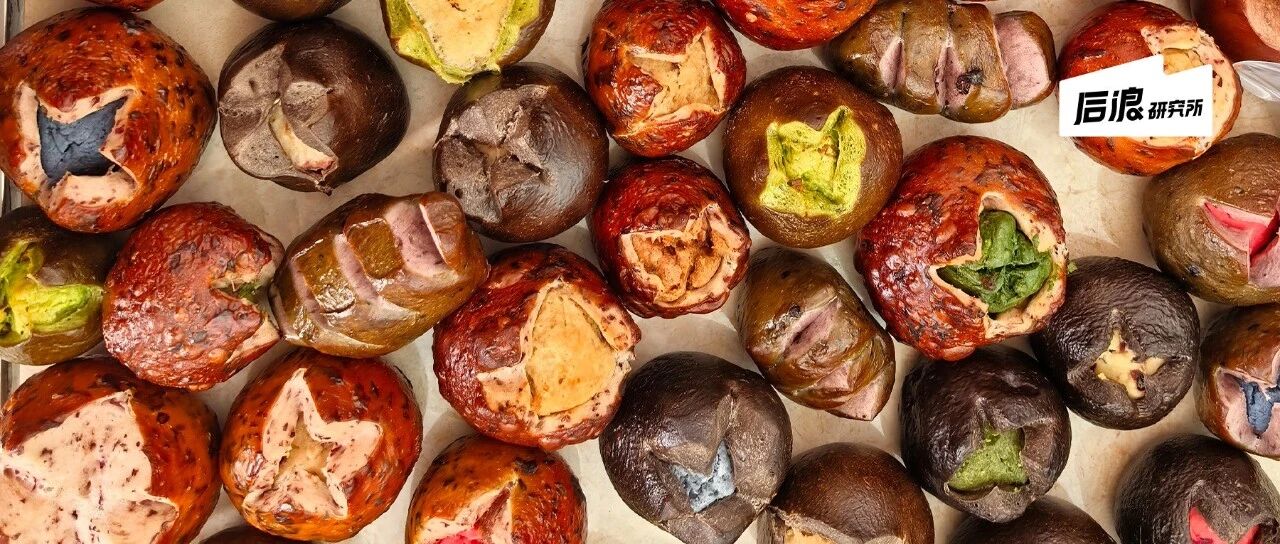
贝果

Search documents
安井食品(02648) - 海外监管公告 - 2025年年度报告摘要(A股)
2026-03-30 22:08
香港交易及結算所有限公司及香港聯合交易所有限公司對本公告的內容概不負責,對其準確性 或完整性亦不發表任何聲明,並明確表示,概不對因本公告全部或任何部份內容而產生或因倚 賴該等內容而引致的任何損失承擔任何責任。 ANJOY FOODS GROUP CO., LTD. 安井食品集團股份有限公司 (於中華人民共和國註冊成立的股份有限公司) (股份代號:2648) 本公告乃根據《香港聯合交易所有限公司證券上市規則》第13.10B條而作出。 茲 載 列 安 井 食 品 集 團 股 份 有 限 公 司(「 本公司 」)在 上 海 證 券 交 易 所 網 站 ( www.sse.com.cn )刊登的本公司2025年年度報告摘要(A股),僅供參閱。 承董事會命 安井食品集團股份有限公司 董事長兼執行董事 劉鳴鳴先生 中國廈門,2026年3月30日 於本公告日期,本公司董事會成員包括:(i)執行董事劉鳴鳴先生、張清苗先生、 章高路先生及黃建聯先生;(ii)非執行董事鄭亞南博士、戴凡先生及張光璽先生; 及(iii)獨立非執行董事張梅女士、劉曉峰博士、趙蓓博士及張躍平先生。 安井食品集团股份有限公司 2025 年年度报告摘要 1 ...
「上头」的年轻人,像抢黄金一样抢面包
后浪研究所· 2026-02-27 08:17
Core Viewpoint - The article discusses the growing trend of young consumers eagerly purchasing handmade bread through online platforms, highlighting the competitive nature of this market and the psychological effects of delayed gratification associated with online shopping [2][11][28]. Group 1: Consumer Behavior - Young consumers, like Xu Xu, are highly engaged in purchasing handmade bread, often setting alarms to participate in limited-time sales [2][3]. - The experience of buying bread online has become a social activity, with consumers subscribing to multiple bakeries and enjoying the process of browsing new products [6][7]. - The competition to purchase popular items is intense, likened to securing tickets for major events, with some consumers willing to wait months for their orders [9][10]. Group 2: Market Dynamics - The handmade bread market is rapidly expanding, with the number of bakeries projected to reach 338,000 by May 2025 [11]. - New entrants are continuously emerging in this crowded market, with many entrepreneurs adapting to consumer preferences for healthier options [12][28]. - The online purchasing model has shifted the focus from physical sales to digital marketing, with businesses leveraging social media for promotion [16][29]. Group 3: Business Challenges - Entrepreneurs face significant operational challenges, including managing production, order fulfillment, and marketing, often leading to burnout [14][18]. - The reliance on social media for visibility creates a competitive environment where businesses must constantly innovate and engage with consumers [20][32]. - The pressure to maintain high customer satisfaction and timely delivery can lead to operational delays, impacting consumer trust [15][19]. Group 4: Community and Culture - A unique "fan culture" has developed around handmade bread, with consumers forming communities to share experiences and recommendations [19][23]. - Businesses are increasingly focusing on building relationships with their customers through personalized interactions and community engagement [20][24]. - Promotional activities, such as discounts and special events, are essential for attracting and retaining customers in this competitive landscape [25][26].

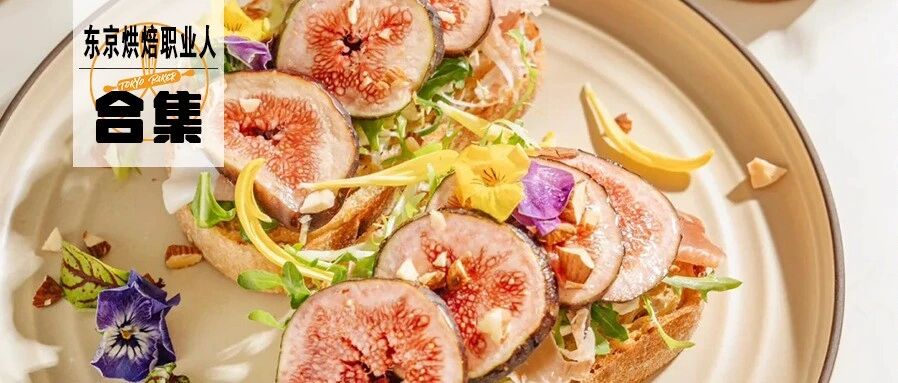
烘焙时光集4|东京烘焙职业人 2018-2025热门文章精选
东京烘焙职业人· 2026-02-19 02:04
Core Insights - The article reflects on the journey of "Tokyo Baking Professionals" since its inception in 2015, highlighting the evolution and growth of the baking industry, as well as the preservation of craftsmanship and skills [1] Summary by Categories Popular Articles Collection - The compilation includes a selection of popular articles from 2018 to 2025, aimed at providing readers with valuable insights and techniques in baking [2] Store Exploration - Features various unique and popular bakeries in Japan, such as a hot dog bread specialty store in Osaka and a cute bagel shop in Tokyo, showcasing the charm and retro aesthetics of these establishments [5][6] Technical Knowledge - Offers in-depth articles on various baking techniques, including the five stages of dough mixing and the secrets behind soft bread, providing essential knowledge for both novice and experienced bakers [9][10] Industry Insights - Discusses trends in the baking industry, including the rise of specific products like "raw toast" and the impact of design on bakery success, emphasizing the importance of aesthetics in attracting customers [13][14] Operational Insights - Provides practical advice for bakery operations, including pricing strategies, product naming, and store location analysis, aimed at helping bakery owners optimize their business [19]
面包师的数学公式!记住这些公式,看懂配方,出品率直接翻倍!
东京烘焙职业人· 2026-02-14 08:32
Core Viewpoint - The article emphasizes the importance of mathematical formulas in baking, particularly the use of percentages to understand ingredient ratios and their impact on the final product [1][2][32]. Group 1: Mathematical Formulas in Baking - There are three main mathematical formulas in the baking process, with percentages being the most fundamental [1]. - Professional bakers view recipes as formulas, focusing on ingredient ratios rather than specific weights [3]. - Understanding the baking percentage system enhances control over baking outcomes [5][19]. Group 2: Baking Percentage System - All ingredients are calculated based on the total weight of flour (TFW), which is set at 100% [7][21]. - The baking percentage formula is defined as: Baking Percentage = (Ingredient Weight / Total Flour Weight) × 100% [8]. - For example, in a basic recipe with 200g of flour, the percentages for salt, water, sugar, and yeast are calculated as 1%, 60%, 2%, and 1% respectively [11]. Group 3: Total Percentage and Ingredient Calculation - The total percentage (TP) of a recipe is always greater than 100%, as only the flour weight is considered 100% [14]. - If a recipe lists only percentages without weights, knowing the required flour weight allows for the calculation of all ingredient weights [14]. - For instance, a classic French bread recipe with a total percentage of 164% requires specific calculations to determine the weight of each ingredient based on the flour weight [16][18]. Group 4: Advantages of Using Percentages - Using baking percentages simplifies learning and understanding of recipes, making it easier to adjust ingredient amounts [32][36]. - It allows bakers to perceive the dough's state and make necessary adjustments based on ingredient changes [36][40]. - The percentage system facilitates easier measurement of ingredients, as calculations are generally done in grams, avoiding complex conversions [41][43].

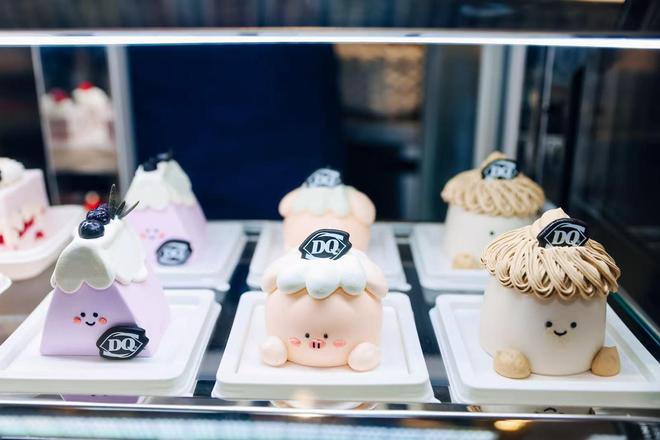
卖蛋糕、卖汉堡,DQ冰淇淋瞄准下午茶生意
Di Yi Cai Jing Zi Xun· 2026-01-23 13:37
Group 1 - Dairy Queen (DQ) has opened a flagship store in Shanghai, expanding its product offerings beyond ice cream to include cakes, bagels, and beverages [1] - DQ aims to broaden its product categories and consumer scenarios, recognizing that solely selling ice cream is no longer sufficient for brand growth [1][3] - The CEO of CFB Group, Xu Weilun, highlighted the importance of expanding into high-frequency consumption products within the "big indulgence category," such as desserts and baked goods [3] Group 2 - DQ plans to launch over 150 new products in 2025, with these new items expected to account for over 60% of total sales for the year [3] - The brand is entering the cake and afternoon tea market, responding to the increasing frequency of dessert consumption after meals [3] - DQ has been cautious about entering the coffee market due to intense competition and price drops in that sector, opting instead to focus on other product categories [3] Group 3 - The ice cream market in China is undergoing significant changes, with intense competition leading to the exit of some previously popular brands [4] - Current players in the market are focusing on product differentiation and unique consumption scenarios to remain competitive [4] - The report indicates that the Chinese ice cream industry is entering a phase of comprehensive competition, necessitating brands to innovate with health-focused products and optimize their cost structures [4]
面包刺客,正在失去年轻人
东京烘焙职业人· 2026-01-11 08:33
Core Viewpoint - The article discusses the rising prices of bread in the Chinese market, highlighting the disconnect between high prices and consumer willingness to pay, driven by factors such as cost increases and emotional value associated with premium products [8][20]. Group 1: Price Trends and Consumer Behavior - The average dining price for meals has approached levels seen in 2015, prompting many restaurants to lower prices to survive in a competitive market [8]. - Despite high prices, the demand for bread remains strong, with some popular bakeries experiencing long queues and even offering "resale" services at a markup [11][12]. - Consumers are increasingly willing to pay high prices for bread, associating it with emotional value and a sense of luxury in their fast-paced lives [20][21]. Group 2: Cost Factors Influencing Prices - High rental costs significantly impact bakery operations, with rents in prime locations consuming 15%-20% of sales [16]. - The trend of using premium ingredients has led to increased costs, as many brands compete on the quality of their raw materials [16]. - The "made fresh daily" model, while ensuring quality, raises labor costs and increases waste due to unsold products, with some bakeries reporting over 50% spoilage rates [19]. Group 3: Market Dynamics and Future Outlook - The bakery industry is undergoing a harsh consolidation phase, with a reported decrease of 87,658 bakery stores in the past year, and over 57% of new stores closing within two years [23][24]. - The high pricing strategy may not be sustainable as consumers become more rational and less willing to pay for inflated prices driven by marketing rather than product quality [24]. - The market may see a shift towards offering both high-quality and affordable products, as brands are pressured to focus on genuine quality and fair pricing to survive [27].
奶茶店开始“卖饭”?蜜雪、古茗、阿嬷都盯上这门生意
3 6 Ke· 2026-01-10 04:52
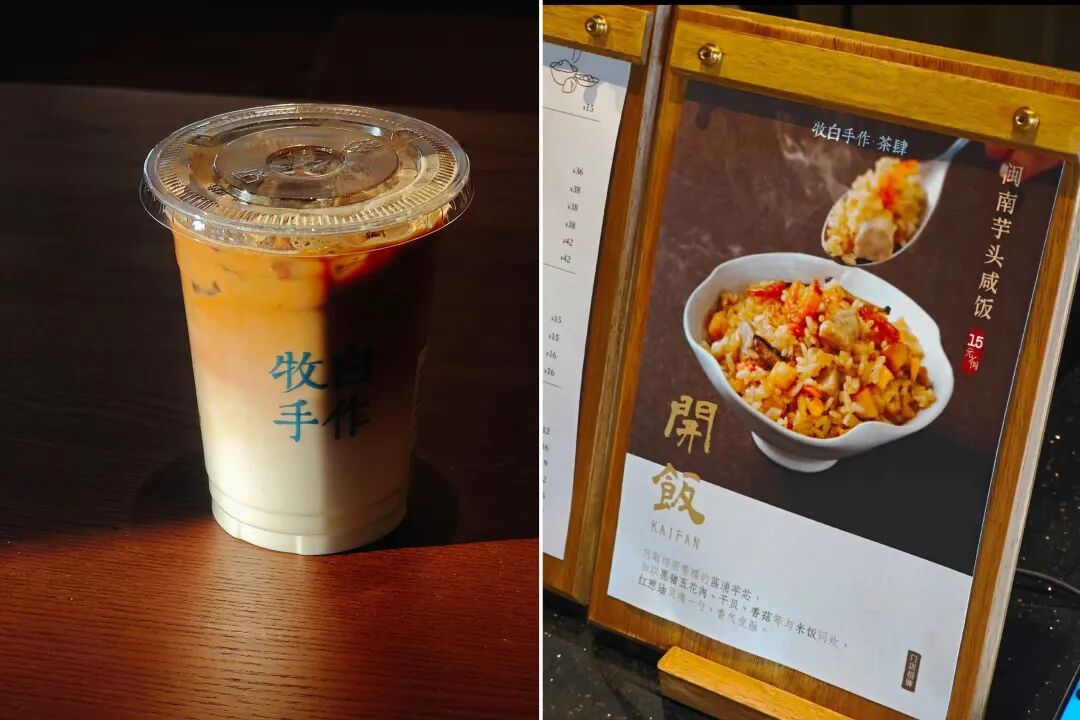
Core Insights - The trend of beverage shops selling food items, particularly rice dishes, is gaining traction, with brands like Mubaishou and A-Ma Handcrafted leading the way in this new market segment [1][3][7] Group 1: New Product Offerings - Mubaishou has introduced a new dish, Min Nan Taro Rice, priced at 15 yuan, which has received positive feedback for its flavor and value [3] - A-Ma Handcrafted has also attracted attention by offering rice dishes, although they primarily sell a rice sauce for customers to pair with rice [7][18] - The beverage industry is increasingly integrating food offerings, moving from simple snacks to full meal options, targeting breakfast and lunch markets [8][13] Group 2: Market Strategy - Brands are redefining their business models by creating new store formats that emphasize the combination of beverages and meals, enhancing customer experience [14][16] - Companies like Nayuki are launching new store concepts focused on light meals, aiming to cater to the lunch crowd with affordable options [17] - The strategy of offering food items is seen as a way to increase average transaction value and enhance brand presence in consumers' daily lives [20][21] Group 3: Industry Trends - The beverage sector is witnessing a shift towards food offerings as a response to market competition, with brands looking to expand their product categories and consumer touchpoints [21][24] - Successful integration of food and beverage offerings often relies on light processing or strong synergy between products, with many brands still exploring this model [24] - Despite the growing trend, food sales currently represent a small percentage of total revenue for many beverage brands, indicating that the fusion of drinks and meals is still in its early stages [24]

【独家专访】“难吃的面包”也能天天卖空?「山海可平」靠“不走寻常路”圈粉8W+!
东京烘焙职业人· 2026-01-07 08:33
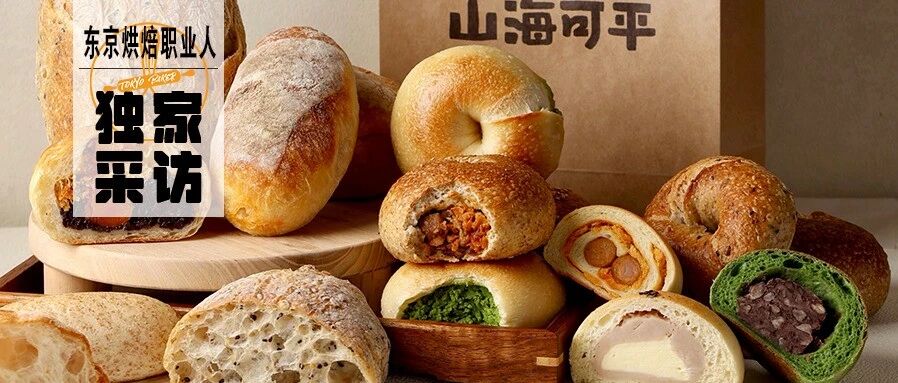
Core Viewpoint - The article highlights the unique approach of a bakery named "Shanhai Keping" in Suzhou, which markets its products as "bad-tasting" yet achieves high customer retention and profitability by catering to health-conscious consumers [1][3][34]. Group 1: Business Model and Strategy - The bakery focuses on creating low-sugar, low-oil bread options that appeal to fitness enthusiasts and health-conscious individuals, diverging from traditional sweet and rich bakery products [9][15]. - The founder, Shao Ye, transitioned from e-commerce to baking, leveraging his experience in health food to develop a niche market for healthier bread alternatives [7][12]. - The bakery's product line is intentionally limited, featuring around 15 varieties that emphasize wholesome ingredients and nutritional value, such as rice bread and ciabatta [16][18]. Group 2: Market Positioning and Customer Engagement - The bakery's marketing strategy includes a strong emphasis on content creation, sharing personal fitness journeys and product development processes on social media platforms to build a loyal customer base [28][31]. - Shao Ye engages directly with customers to gather feedback, forming a "user co-creation" model that ensures products meet the specific dietary needs of his target audience [25]. - The store's unique branding as a provider of "bad-tasting" bread has attracted a niche clientele, particularly those who prioritize health over traditional taste [13][34]. Group 3: Product Development and Innovation - The bakery employs a slow fermentation process and innovative flavor combinations to enhance the taste of its products while maintaining health standards, such as using natural sweetness from dried fruits [22][20]. - New product launches are carefully timed and tested, with a focus on quality over quantity, ensuring that each item meets the founder's high standards before being introduced to the market [32][34]. - The ciabatta series has become a bestseller, showcasing the bakery's ability to blend traditional bread-making techniques with modern health trends [16][18].
卷口味不如卷体验,烘焙品牌开始把门店做成“艺术馆”
东京烘焙职业人· 2026-01-07 08:33
Core Insights - The article discusses the trend of baking brands transforming their stores into art galleries, enhancing customer experience beyond just food sales [1][3] - This shift indicates a new competitive phase in the baking industry, focusing on experiential offerings rather than just product flavors [3][12] Group 1: Consumer Behavior Changes - Consumers, especially younger demographics, seek diverse experiences when visiting stores, valuing unique designs that serve as photo opportunities [8] - The ambiance of a gallery-like space provides a brief escape from daily routines, enhancing emotional value and overall experience [8][14] Group 2: Market Dynamics - Flavor innovation in baking has become challenging, leading to increased product homogeneity and competition [11][12] - Creating a well-designed experiential space offers a higher barrier to imitation, making it a key differentiator in a crowded market [11][12] Group 3: Brand Image and Customer Loyalty - Artistic store designs convey a sophisticated brand image, allowing for product premiumization and increased customer spending [13][14] - A comfortable environment encourages longer customer stays, potentially increasing average transaction values and fostering brand loyalty [13][14] Group 4: Future Directions - Brands must balance artistic presentation with product quality to avoid disappointing customers after initial impressions [16] - Competition will extend beyond traditional bakeries to include cafes and bookstores that also create inviting customer spaces [17] - Emphasizing the baking process and enhancing customer engagement through interactive experiences will be crucial for maintaining customer interest [18]
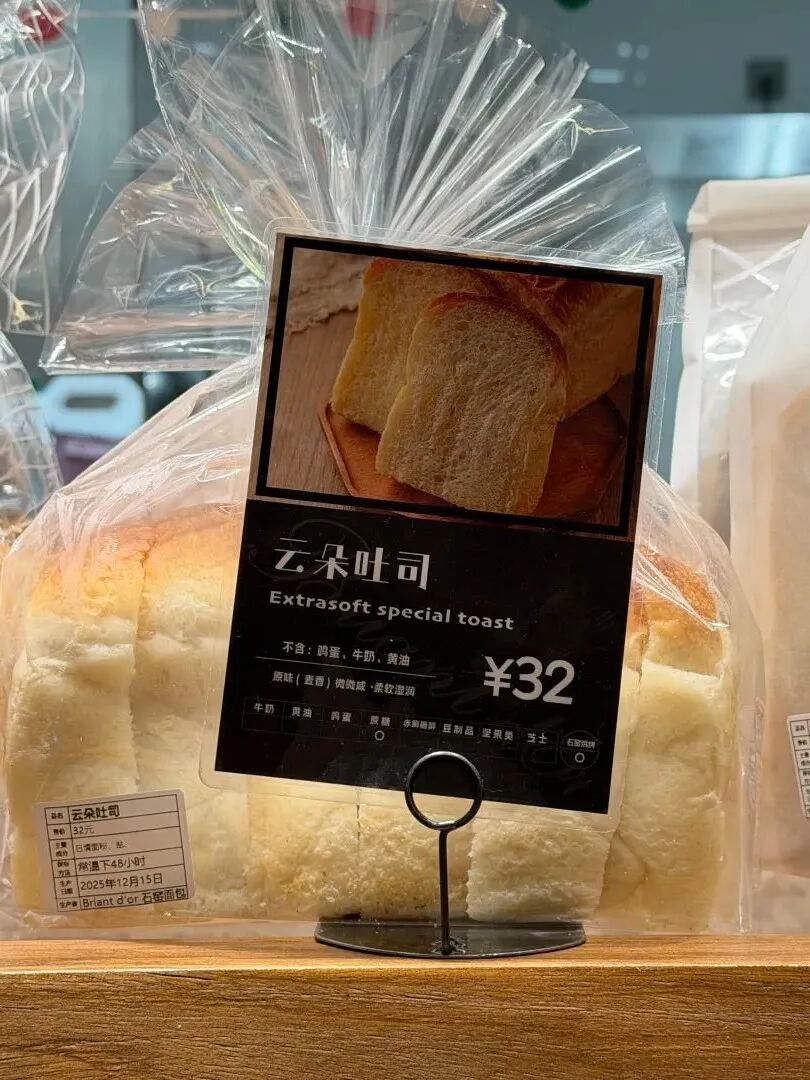
人均60元的网红面包,把年轻人割麻了
3 6 Ke· 2025-12-23 07:33
Core Viewpoint - The article discusses the rising prices of bread in China, highlighting the phenomenon of "luxury" bread and the changing consumer perception towards it, as well as the challenges faced by the baking industry in maintaining affordability and accessibility [2][44]. Price Trends - The price of bread has significantly increased, with items like a small toast priced at 28 yuan and bagels at 30 yuan, leading to comparisons with the cost of living and consumer wages [2][6][30]. - High-end bread brands are prevalent in major cities, with average prices ranging from 60 to 70 yuan, making it difficult to find options under 10 yuan [11][30]. Consumer Behavior - Consumers are increasingly surprised by the high prices of bread, which are now seen as a luxury rather than a staple food [9][11]. - The perception of bread has shifted from a simple food item to a status symbol, with consumers often feeling pressured to pay high prices for trendy options [6][51]. Market Dynamics - The baking industry is experiencing a rapid turnover, with more closures than openings among brands, indicating a challenging market environment [44][45]. - The average lifespan of a bakery is only 32 months, with 58% of stores closing within two years, reflecting the competitive and volatile nature of the industry [48][54]. Cost Factors - Rising costs in the baking industry are attributed to expensive ingredients, high labor costs, and significant rental expenses in prime locations [36][41]. - The trend of using premium ingredients and elaborate marketing strategies has further inflated prices, making it difficult for brands to offer affordable options [39][40]. Future Outlook - There is a growing demand for affordable bread options, with consumers expressing a desire for a "budget-friendly" alternative similar to the success of brands like "Mi Xue Bing Cheng" in the beverage sector [54][56]. - The industry faces a challenge in balancing quality and affordability, as consumers seek genuine and reasonably priced products amidst the trend of luxury bread [56].