项目制运作

Search documents
专访东风日产王骞:合资车企转型,要先去“爹味”
第一财经· 2026-01-19 08:30
Core Viewpoint - The article discusses the challenges and strategies of Dongfeng Nissan in the electric vehicle (EV) market, emphasizing the need for joint venture brands to adapt quickly to changing consumer preferences and market dynamics [2][3]. Group 1: Market Positioning and Consumer Engagement - Dongfeng Nissan's strategy focuses on appealing to younger consumers, with 60% of N6 buyers citing aesthetics as their primary reason for purchase [5]. - The concept of "emotional value" is highlighted as essential, where products must resonate with consumers beyond basic functionality, emphasizing co-creation with users [6]. - The N7 and N6 models have seen significant interest, with N7 having a 30% trade-in rate from fuel vehicles, while N6 attracts 60-80% new customers [8]. Group 2: Product Development and Strategy - The choice of a sedan for the N series over an SUV is strategic, as the market for compelling electric sedans is limited compared to SUVs [7]. - Dongfeng Nissan aims to break traditional barriers in product development by gaining local definition rights and speeding up decision-making processes [13][14]. - The company plans to invest 10 billion yuan by the end of 2026 to expand its R&D team to 4,000 people, indicating a long-term commitment to electrification and intelligence [22]. Group 3: Learning from New Forces - Dongfeng Nissan is adopting a project-based operational model inspired by companies like Huawei, aiming to enhance efficiency and responsiveness to market changes [28][29]. - The company acknowledges the need to learn from successful new energy vehicle brands to better meet evolving consumer demands [29]. Group 4: Future Product Plans - By 2027, Dongfeng Nissan plans to launch six new electric models, including two sedans in 2025 and a focus on SUVs with the NX8 model expected to launch in March-April 2026 [30]. - The sales target for new models is set at over 5,000 units per month to be considered successful, with 10,000 units seen as a benchmark for a "hit" product [32].

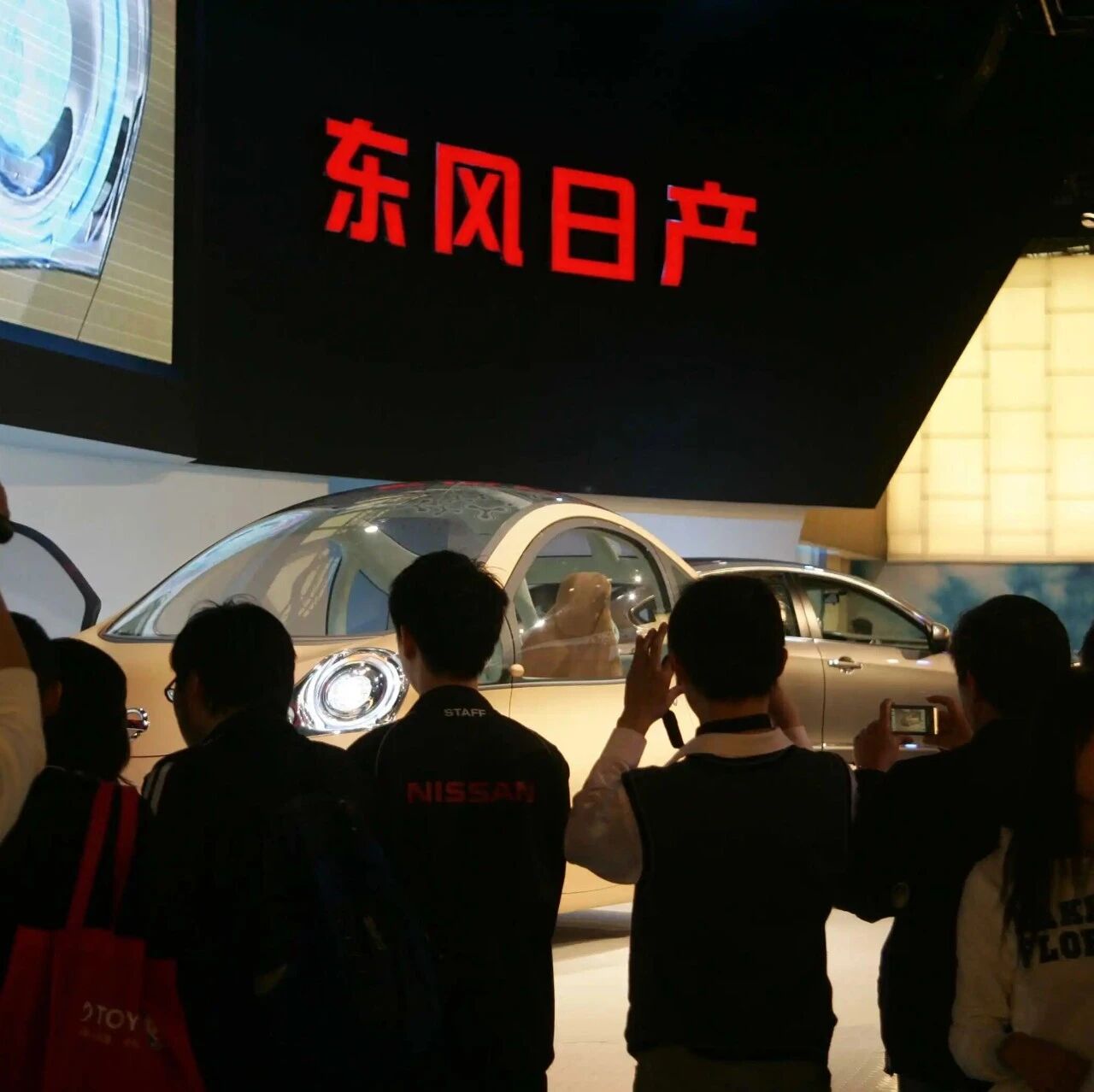
专访东风日产王骞:合资车企转型,要先去“爹味”丨合资反攻局
Di Yi Cai Jing· 2026-01-19 06:59
Core Viewpoint - The transformation of joint venture brands in the electric vehicle market is ongoing, with a focus on appealing to younger consumers and adapting to market demands [1] Group 1: Company Strategy and Market Position - Dongfeng Nissan's new energy models N7 and N6 have seen significant pre-order success, with over 20,000 orders for N7 in 50 days and over 10,000 for N6 in 10 days, but the brand still faces challenges in establishing a market-defining electric vehicle [1][2] - The company aims to enhance its appeal to younger consumers by emphasizing design, with 60% of N6 buyers citing aesthetics as their primary reason for purchase [3] - Dongfeng Nissan plans to invest 10 billion yuan by the end of 2026 to expand its R&D team to 4,000 people, indicating a long-term commitment to electric and intelligent vehicle development [16] Group 2: Product Development and Consumer Engagement - The company has shifted its product development approach to prioritize local market needs, gaining product definition rights in China starting with the N7 [9] - Dongfeng Nissan is adopting a simplified product configuration strategy, offering only two versions of new models to streamline consumer choices [11][12] - The N6 model is designed to appeal to new customers, with approximately 60-80% of its buyers being first-time Nissan customers [6] Group 3: Competitive Landscape and Future Plans - The company recognizes the competitive nature of the automotive market by 2026 and is focused on meeting customer demands to avoid falling behind [1][15] - Dongfeng Nissan plans to launch six new energy models by the end of 2027, including two sedans in 2025 and an SUV model NX8 targeting the 200,000 yuan market segment [22] - The company is learning from successful competitors like Huawei and Li Auto, adapting project-based operations to enhance efficiency and responsiveness [20][21]

从“签艺人”到“管员工”,短剧让经纪公司职场化
3 6 Ke· 2025-10-15 00:41
Core Insights - The rise of short dramas is transforming the relationship between actors and management companies, redefining the concept of "management company" and positioning actors as true "employees" rather than mere stars [3][10][24] Group 1: Industry Transformation - The short drama industry has shifted from a traditional long-term production cycle of 12 to 18 months to a highly accelerated process, with projects being completed in a matter of days [4][9] - This rapid production cycle necessitates an industrialized mindset across the industry, emphasizing process-driven approaches over creative-driven ones [4][10] - The "project-based" operation model allows management companies to maximize profits by batch processing projects and modularly assigning actors [7][9] Group 2: Actor Management and Evaluation - Actors are now evaluated based on quantifiable metrics such as click-through rates, completion rates, and interaction levels, leading to a more structured and performance-oriented management approach [10][15] - The training for actors has shifted from idol cultivation to skill enhancement, resembling corporate training programs [15][24] - The management system has introduced a high-pressure competitive environment where actors must consistently perform to avoid being sidelined [15][24] Group 3: Power Dynamics in Management Companies - The traditional power structure where star actors dictate the fate of management companies is being replaced by a system-oriented approach, focusing on the efficiency of project production rather than individual star power [18][20] - Management companies are increasingly adopting a "de-head" strategy, diversifying their talent pool to mitigate risks associated with individual actors [20][22] - This shift has transformed management companies into entities that prioritize system capabilities over mere talent packaging, enhancing their ability to produce successful projects [20][24] Group 4: Opportunities and Challenges for Actors - The new model lowers the barriers to fame for actors, allowing them to gain exposure without relying solely on traditional media resources [22][24] - However, this system can also confine actors to specific roles, making it difficult for them to break out of established character types [22][24] - Some companies are exploring models that leverage short dramas to build a pathway for actors to transition into longer formats, thus extending their career longevity [22][24]