
风味多元化

Search documents
高端不贵,好喝不醉?2026酒市进入“价值重构期”
Xin Lang Cai Jing· 2026-01-18 06:08
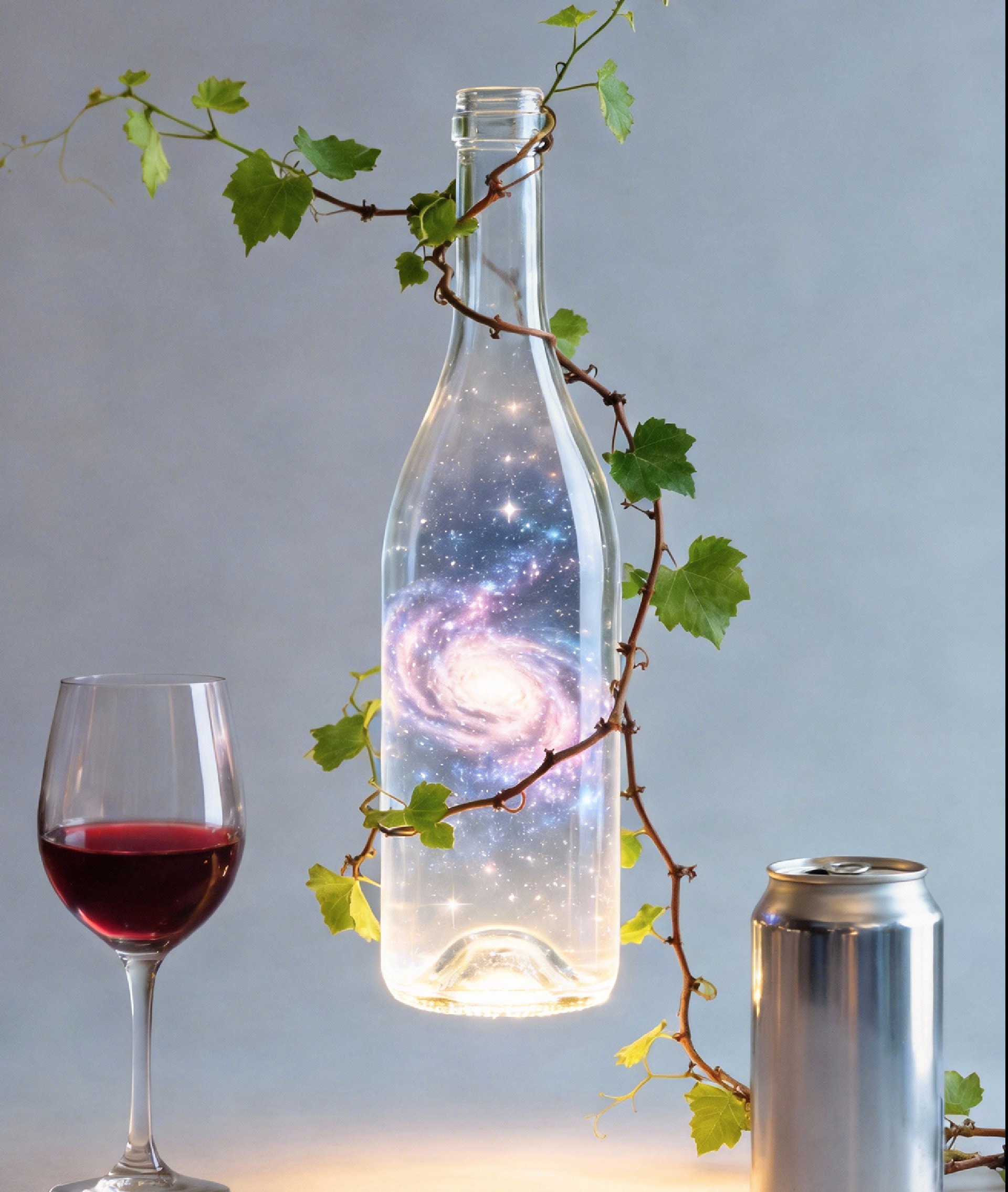
Core Insights - Kingsland Drinks predicts that by 2026, the global alcoholic beverage market will evolve towards moderation in consumption, premiumization of products, diversification of flavors, and environmentally friendly packaging driven by consumer upgrades, health awareness, and sustainability concepts [3][12] - The essence of alcoholic beverages remains in creating joy, connecting emotions, and enhancing daily life, as emphasized by Vicky Wood, the brand development director of Kingsland Drinks [3] Group 1: Trends in Packaging and Consumption - Canned beverages, particularly canned wine, are rapidly growing as they break the limitations of traditional glass bottles, reflecting a shift towards a more casual and experience-oriented modern lifestyle [4] - Kingsland Drinks is actively responding to this trend by investing in high-speed canning lines and collaborating with organic wine brands to launch a full range of canned products, appealing to younger consumers and those with strong environmental awareness [6] - In the Chinese market, canned wine and cocktails are gradually penetrating various channels such as dining, outdoor, and instant retail, expected to play an increasingly important role in ready-to-drink scenarios [6][8] Group 2: Rational Drinking and Quality Upgrade - Rational drinking is becoming a consensus across generations, especially among high-income urban groups and young consumers, promoting the idea of "drinking less, drinking better" [6][8] - The market supply has shifted from merely mimicking alcoholic taste to focusing on the integrity of ingredients, craftsmanship, and flavor structure, allowing non-alcoholic and low-alcohol products to possess tasting value and pairing capabilities [6] Group 3: Value Reconstruction in Premium Beverages - The definition of "premium" alcoholic beverages is undergoing a silent transformation, with consumers increasingly accepting the "market bottling" model, which reduces costs and carbon emissions while making quality wines more accessible [9][11] - Kingsland Drinks' Australian wine brand has achieved sales and reputation growth by localizing marketing and bottling in the UK, indicating that "premium" is moving towards a comprehensive value system rather than relying solely on expensive labels [11] Group 4: Innovation and Sustainability - Flavor innovation remains key to attracting consumers, with elements like fruit, tea, and spices being integrated into traditional wine bodies to create richer and more layered taste experiences [12] - Environmental considerations are becoming crucial in product development and packaging design, with increased use of lightweight glass, recycled materials, and recyclable cans reflecting the industry's commitment to long-term sustainability [12]

白酒进入消费新时代,谁能决定未来?
Sou Hu Cai Jing· 2025-12-16 03:10
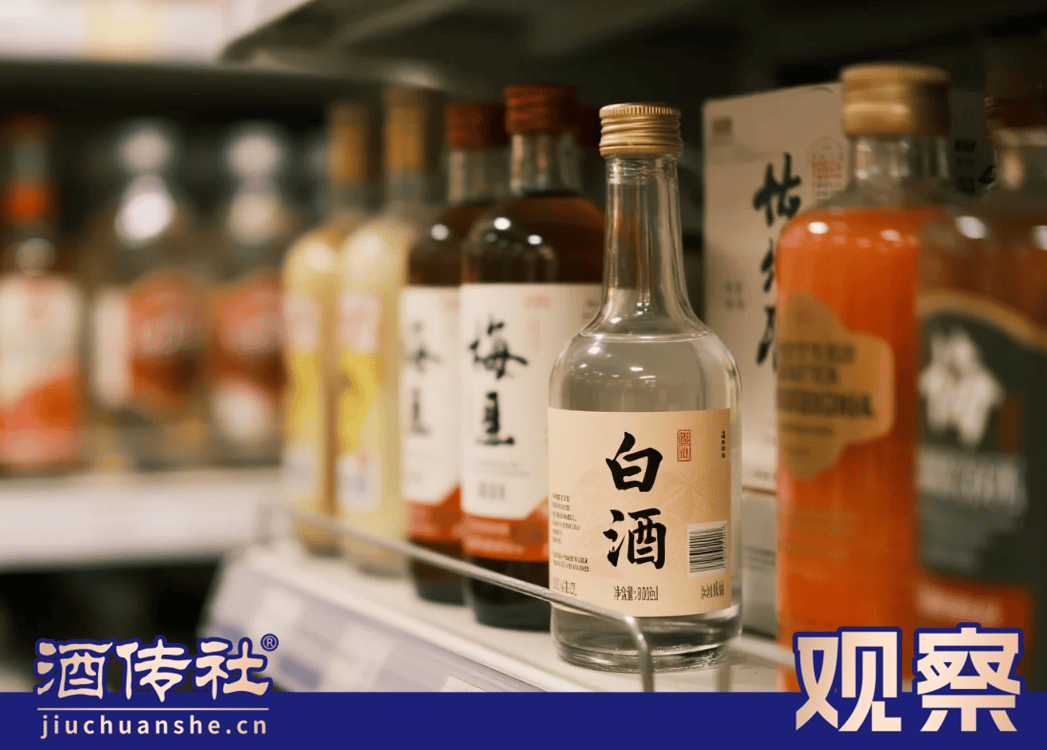
Core Insights - The Chinese liquor industry is at a crossroads, transitioning from traditional models to new consumer-driven approaches, focusing on value, experience, and connection [2] Group 1: Value Restructuring - The evolution of liquor consumption in China reflects changes in the national economy and social psychology, transitioning through three main stages: 1.0 (basic sustenance), 2.0 (social currency), and currently 3.0/4.0 (quality and self-enjoyment) [2][3][4] - The current phase emphasizes personal experience and health consciousness, with a significant young population (approximately 400 million aged 14-35, accounting for 28.35% of the total) driving this shift [4] Group 2: Multi-Dimensional Empowerment - The industry consensus has shifted from "who controls the channel wins" to "who captures the youth wins," indicating a marketing and operational transformation towards a user-centered approach [5] - Consumption is evolving from social symbols to emotional companions, with younger consumers preferring lower-alcohol beverages for a relaxed experience, valuing "heart price" and "emotion price" over mere status [5][6] - Product innovation is focusing on health, flavor diversity, and convenient packaging, breaking traditional taste barriers [7][8] - The rise of instant retail is meeting the demand for immediate satisfaction, with significant growth in online sales during promotional events [9] - Social drinking scenarios are diversifying, moving from formal gatherings to casual settings like parties and festivals, with brands leveraging social media for engagement [10][11] Group 3: Systemic Breakthrough - The new era of liquor consumption is characterized by consumer sovereignty, driven by information equality and diverse choices, with competition extending beyond the liquor industry to other beverage categories [12] - Companies need to innovate across multiple dimensions, including product offerings, channel strategies, and brand building, to create a cohesive competitive advantage [13][14] - Successful companies will be those that accurately address the core needs of health and self-enjoyment while implementing systematic innovations in products, channels, and branding [14][15]
提香30%重塑风味标准 正庭香定义高香麻酱新品类
Jing Ji Wang· 2025-12-15 09:16
Core Insights - The article highlights the rise of Zhengtingxiang High Fragrance Sesame Sauce as a leading product in the high fragrance sesame sauce market, achieving the highest sales nationwide [1] - The growth of the condiment industry is driven by a shift from basic seasoning to flavor experiences, with the overall market expected to reach 1 trillion yuan by 2027 [1] Industry Trends - The Chinese condiment market is projected to reach 687.1 billion yuan in 2024, with expectations to exceed 1 trillion yuan by 2027, indicating significant growth potential [1] - Key trends in the industry include health consciousness, premiumization, and flavor diversification, reshaping market competition and creating opportunities for product innovation [1] Company Strategy - Zhengtingxiang High Fragrance Sesame Sauce has differentiated itself through deep insights and precise market positioning, achieving a 30% increase in fragrance compared to regular sesame sauce [2] - The company has established four core principles to create a unique quality barrier: sourcing from specific regions, using only fresh ingredients, employing a three-step fragrance enhancement process, and strict food safety controls [3] Partnerships and Market Presence - Zhengtingxiang High Fragrance Sesame Sauce has formed partnerships with over 2,000 restaurant chains across China, enhancing product structure and consumer dining experiences [4] - The company aims to continue innovating and expanding application scenarios to support the high-quality development of the restaurant industry [4]