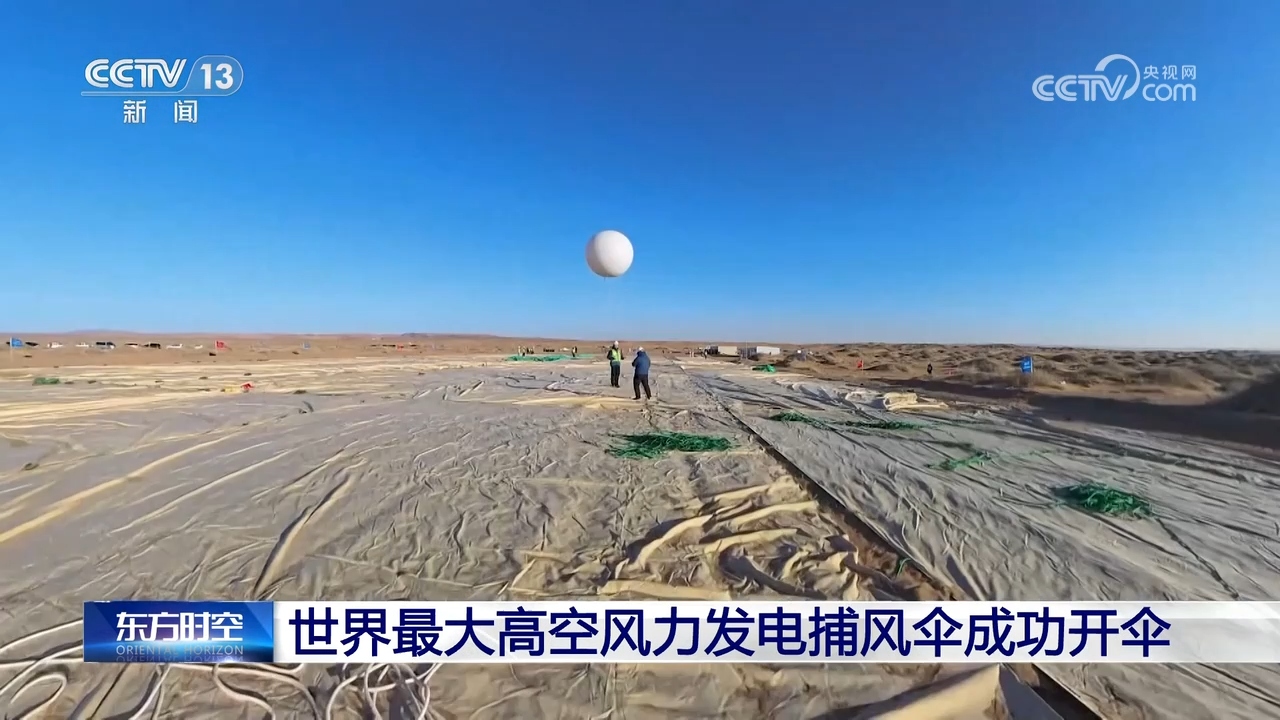
高空风能发电

Search documents
高空风能从试验地迈向开发场 一场可再生能源领域的颠覆性变革
Ke Ji Ri Bao· 2026-02-08 02:22
Core Insights - The article discusses the transformative potential of Airborne Wind Energy (AWE) technology, which utilizes tethered kites at high altitudes to capture wind energy more efficiently than traditional wind turbines [1][2] Group 1: AWE Technology Overview - AWE systems eliminate the need for heavy concrete foundations by using tethered kites that operate hundreds of meters above ground, capturing high-altitude wind energy [1] - The technology is moving from experimental stages to commercial development, particularly in Europe and the United States, although challenges remain in automating and reliably controlling these flying devices [1][6] Group 2: Physical Principles and Advantages - The core advantage of AWE systems lies in the physics of wind speed, which increases with altitude, providing a more stable and higher energy density compared to ground-level wind turbines [2] - AWE systems utilize a "pump cycle" process where kites fly in a figure-eight pattern to generate significant traction, converting this into electrical power [3] Group 3: Efficiency and Material Savings - The AWE system is more efficient and requires significantly less structural material compared to traditional wind turbines, which often use thousands of tons of steel and concrete [4] - The system relies on advanced control algorithms that perform hundreds of calculations per second to optimize kite movements and maximize energy capture [4] Group 4: Flexibility and Environmental Impact - AWE systems can be installed within 24 hours and are portable, requiring no expensive turbine foundations, thus minimizing landscape disruption [5] - The technology generates clean energy without the need for fuel supply chains, enhancing its sustainability [5] Group 5: Future Challenges and Developments - The AWE technology is at a critical juncture, transitioning from physical feasibility to achieving grid-level reliability, with ongoing efforts in Europe and the U.S. to scale up applications [6] - Key challenges include ensuring long-term equipment reliability, navigating airspace regulations, and developing self-healing systems in complex environments [6]
高空风能从试验地迈向开发场
Ke Ji Ri Bao· 2026-02-05 01:40
Core Insights - The article discusses the transformative potential of Airborne Wind Energy (AWE) technology, which utilizes tethered kites to harness high-altitude wind energy, moving from experimental stages to commercial development [1][6]. Group 1: AWE Technology Overview - AWE systems eliminate the need for heavy concrete foundations by using tethered kites operating hundreds of meters above ground to capture wind energy that traditional turbines cannot reach [1][2]. - The core advantage of AWE lies in the physics of wind speed, which increases with altitude, providing a more stable and higher energy density compared to ground-level wind turbines [2][4]. - AWE systems utilize a "pump cycle" process, consisting of a "pay-out" phase where kites generate traction and a "retraction" phase that recovers the tether, allowing for continuous energy generation [3][4]. Group 2: Efficiency and Material Savings - The AWE system is designed to be more efficient and requires significantly less structural material compared to traditional wind turbines, which often use thousands of tons of steel and concrete [4][5]. - The system relies on advanced control algorithms that perform hundreds of calculations per second to optimize kite performance, achieving a traction force of up to 2.5 tons [4][5]. - A specific kite model tested has a wingspan of 40 meters and weighs only 80 kilograms, utilizing high-strength synthetic fibers that are lighter and stronger than steel cables [4][5]. Group 3: Flexibility and Environmental Impact - AWE systems can be installed within 24 hours and are portable, eliminating the need for expensive and time-consuming turbine foundations [5][6]. - The environmental footprint of AWE is significantly lower than that of traditional wind turbines, as it does not require fuel supply chains and has minimal landscape disruption [5][6]. Group 4: Challenges and Future Directions - The technology is at a critical juncture, transitioning from physical feasibility to achieving grid-level reliability, with ongoing challenges in long-term equipment usability and regulatory approvals [6]. - Companies in Europe and the U.S. are exploring various AWE applications, with efforts focused on integrating these systems into existing power grids to enhance their viability as a sustainable energy source [6].
高空风能从试验地迈向开发场——长期可用性和系统自愈性挑战仍需攻克
Ke Ji Ri Bao· 2026-02-05 01:05
Core Insights - The article discusses the transformative potential of Airborne Wind Energy (AWE) technology, which utilizes tethered kites at high altitudes to capture wind energy more efficiently than traditional ground-based wind turbines [1][2][3] Group 1: Technology and Mechanism - AWE systems operate at altitudes of 300 to 500 meters, where wind speeds are higher and more stable compared to ground level, making them a more reliable energy source [1] - The power generation process involves a "pump cycle" where kites fly in a figure-eight pattern to generate traction, producing electricity during the "unwinding phase" and then retracting the line with minimal energy use during the "retraction phase" [2] - The AWE system is designed to be lightweight, using composite materials and high-strength cables, significantly reducing the amount of steel and concrete required compared to traditional wind turbines [3] Group 2: Advantages and Flexibility - AWE systems can be installed within 24 hours and are portable, eliminating the need for expensive and time-consuming turbine foundations [4] - The environmental impact of AWE systems is lower than that of traditional wind turbines, as they do not require fuel supply chains and cause less disruption to landscapes [4] Group 3: Industry Developments and Challenges - Various companies in Europe, such as SkySails and EnerKite, are advancing AWE technology, while the U.S. Department of Energy is leveraging past research from projects like Google's Makani to enhance AWE systems [6] - The technology is at a critical juncture, transitioning from physical feasibility to achieving grid-level reliability, with challenges including long-term equipment durability and regulatory approvals [5][6]

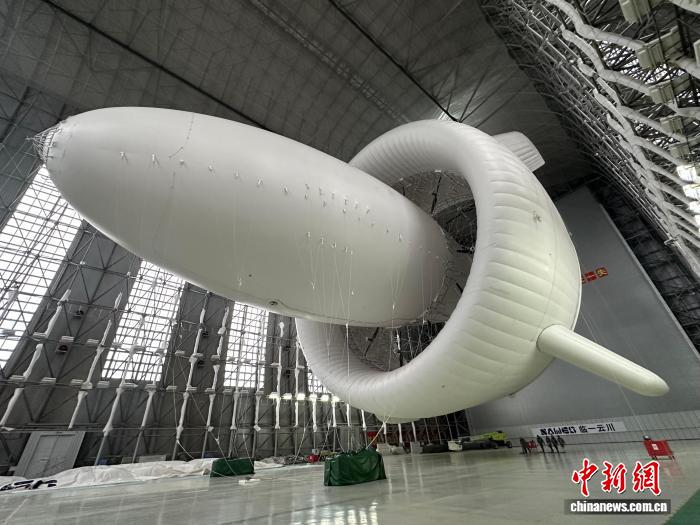
探秘中国“空中发电站”:悬停空中“飞艇”向天取电
Zhong Guo Xin Wen Wang· 2026-01-24 13:47
Core Viewpoint - The S2000 floating wind power generation system, developed by Lin Yi Yun Chuan Energy Technology Co., is the world's first megawatt-level system suitable for urban environments, generating significant interest in the energy sector and technology communities [1][2]. Group 1: Technology and Design - The S2000 system consists of a lightweight floating envelope filled with helium, which provides approximately 14 tons of buoyancy, allowing it to "fly" with a total weight of about 11 tons [2]. - The system features two automatically adjustable air sacs within the main envelope to maintain internal pressure balance with temperature changes [2]. - Unlike traditional wind power systems, the S2000 operates in the air, where wind resources are more abundant, leading to higher efficiency in energy generation [2]. Group 2: Energy Generation and Applications - The S2000 can generate up to 1000 kilowatt-hours of electricity per hour in full power mode, with energy transmitted to the ground via cables for grid integration [2]. - In addition to power generation, the system can support communication bases and environmental monitoring, serving as a multifunctional platform in the low-altitude economy [2]. - The system's aerial deployment minimizes ground impact, making it suitable for urban areas and reducing transmission losses [2]. Group 3: Commercialization and Future Plans - The S2000 has entered the commercialization phase, with costs approaching those of traditional wind power systems [4]. - The company plans to develop a series of higher power products that cover more application scenarios, aiming to further reduce costs through scaling [4].

中路股份有限公司关于向参股公司提供财务资助展期的公告
Shang Hai Zheng Quan Bao· 2025-11-21 19:58
Core Viewpoint - The company has approved the extension of financial assistance to its associate company, Jixi Zhongnengjian, with a total loan amount of 7,509,250.00 yuan, which will not adversely affect the company's normal operations [2][3][9]. Group 1: Financial Assistance Details - The financial assistance is provided to Jixi Zhongnengjian, with loan amounts of 5,549,250.00 yuan and 1,960,000.00 yuan, both extended for one year at an annual interest rate of 3.0% [2][3]. - The board of directors approved the loan extension on November 21, 2025, and a supplementary loan agreement was signed on the same day [3][7]. Group 2: Associate Company Information - Jixi Zhongnengjian was established on February 16, 2015, with a registered capital of 10,500,000 yuan, and is located in Anhui Province [4][5]. - The company is involved in power generation, transmission, and distribution, and has a normal credit status without any significant issues affecting its debt repayment ability [6][9]. Group 3: Financial Position and Risk Management - The total financial assistance provided by the company amounts to 7,509,250.00 yuan, representing 1.27% of the company's latest audited net assets [10]. - The controlling shareholder of Jixi Zhongnengjian has provided financial assistance exceeding their equity stake, which mitigates the risk for the company [8][9].

视频丨首台、最大、突破!本周,大国重器交出亮眼成绩单
Yang Shi Xin Wen Ke Hu Duan· 2025-11-14 06:25
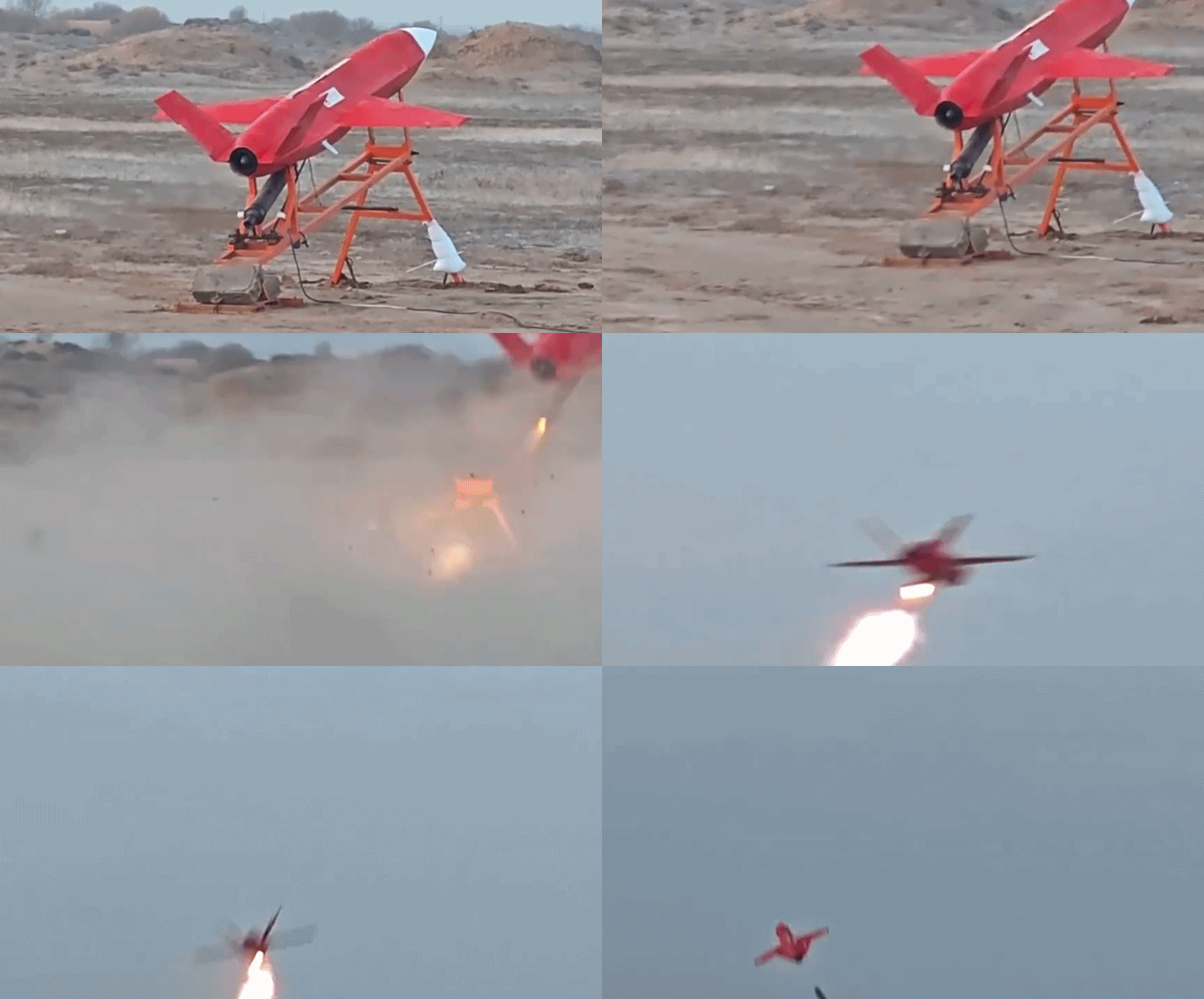
Core Insights - China has achieved significant breakthroughs in various fields, including the successful flight test of a self-developed 3D printed engine and advancements in high-altitude wind energy technology [2][6][16] Group 1: 3D Printed Engine - The 3D printed turbojet engine developed by China Aviation Engine Corporation successfully completed its first flight test, lasting 30 minutes at an altitude of 6000 meters and a maximum speed of 0.75 Mach, with all operational parameters functioning normally [2] - Over 75% of the engine's components are manufactured using 3D printing technology, which significantly reduces the number of parts and achieves lightweight, high-performance design goals [4] Group 2: High-Altitude Wind Energy - The world's largest high-altitude wind energy capturing kite, covering an area of 5000 square meters, successfully completed its test in Inner Mongolia, marking a solid step forward in the engineering application of high-altitude wind energy technology [6] - This kite can capture wind energy at altitudes above 300 meters and convert it into electricity through a ground-based generator, showcasing the potential of high-altitude wind energy as a new energy source [8] Group 3: Maritime Technology - The large buoy tender "Haixun 176," designed and built in China, has been officially commissioned, representing the most advanced buoy operation vessel in the country's transportation system [10] - The vessel measures 75.2 meters in length, has a full-load displacement of 2360 tons, and a range of 5000 nautical miles, capable of operating safely in sea conditions up to level 6 [12] Group 4: Coal Power Technology - The world's first 650°C ultra-supercritical coal-fired boiler has entered the construction phase at Huaneng Yuhuan Power Plant, marking a significant advancement in high-temperature material technology [14] - This boiler will set new records for the highest operating parameters and lowest coal consumption in global coal-fired power generation [16]
打好促进新能源集成融合发展"组合拳" 让"电"亮生活向新向绿向未来
Yang Shi Wang· 2025-11-13 12:27
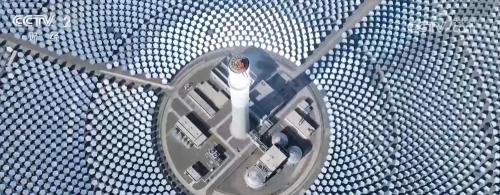
Group 1: New Energy Development Guidelines - The National Energy Administration has issued guidelines to promote the integrated development of new energy, focusing on multi-dimensional development and collaboration with various industries [1][4] - The guidelines emphasize optimizing the power structure in the development of new energy bases, particularly in the Shagou Desert, and encourage the establishment of 100% new energy bases in suitable areas [1] - For hydropower and wind-solar integrated bases, the guidelines suggest leveraging hydropower's rapid adjustment capabilities to facilitate large-scale and high-quality development of surrounding wind and solar resources [1] Group 2: Distributed New Energy Development - The guidelines advocate for the deep integration of new energy with various energy consumption scenarios such as transportation, buildings, and rural areas, aiming to enhance local consumption and alleviate pressure on the grid [4] Group 3: Multi-Industry Collaboration - The guidelines encourage the establishment of green, low-carbon new energy equipment manufacturing bases in resource-rich areas, utilizing local green electricity for production, thus creating a closed loop of "producing green equipment with green energy" [6] - There is a push to develop the green hydrogen, ammonia, and alcohol industries in areas rich in wind and solar resources, promoting local consumption and utilization of new energy [8] Group 4: High-altitude Wind Power Development - The world's largest high-altitude wind power capturing parachute, with an area of 5000 square meters, successfully completed its test in Inner Mongolia, marking significant progress in China's large-scale high-altitude wind power project [9][11] - This high-altitude wind energy system can capture wind energy at altitudes above 300 meters and convert it into electricity through a ground-based generator, demonstrating the feasibility of large-capacity and high-power generation [15] - High-altitude wind energy is seen as an untapped area with high wind speeds and stable directions, offering substantial potential for energy generation [13] Group 5: Solar Industry Self-Regulation - The Chinese photovoltaic industry has made progress in self-regulation to address issues like supply-demand imbalance and intense competition, leading to a more stable market environment [16] - From November 2024 to October 2025, the average price of photovoltaic components has shown slight increases, indicating a recovery from previous price drops below production costs [17] - The industry association emphasizes the importance of collaboration to maintain a healthy and orderly market environment [19]
利好来袭,全线拉升!这一概念 涨停潮!
Zheng Quan Shi Bao Wang· 2025-11-13 05:05
Group 1: Lithium Battery Industry - The lithium battery industry chain experienced a significant surge, with the sector index rising nearly 10%, reaching a two-and-a-half-year high [3] - Key stocks such as Yahua Group, Yongxing Materials, and Shengtu Mining hit the daily limit, while other companies like Kangpeng Technology and Haike New Source also saw a 20% increase [3] - The price of lithium hexafluorophosphate, a core material for electrolytes, surged to 121,500 CNY/ton, up over 146% from the year's low of 49,200 CNY/ton in mid-July [5] - The Chinese electrolyte market is projected to see a shipment volume of 1.47 million tons in 2024, a year-on-year increase of 32% [5] - The demand for energy storage is rapidly expanding, with lithium battery shipments expected to reach 165 GWh in Q3 2025, a 65% year-on-year increase [5] - The lithium battery industry is anticipated to enter a sustained price increase cycle due to improving supply-demand dynamics and rising prices across multiple segments [5] Group 2: Renewable Energy Sector - The photovoltaic and wind energy sectors collectively strengthened, with significant gains in photovoltaic equipment and wind power equipment [6] - Companies like Aote Xun and Hongying Intelligent saw their stocks surge, with several others also hitting the daily limit [6] - The China Photovoltaic Industry Association reported positive results from self-regulation efforts, with average bidding prices for components showing slight increases [8] - The average price of polysilicon futures has risen by nearly 20%, indicating an improvement in the market situation [8] - The wind energy sector is also advancing, with the successful testing of a large-scale high-altitude wind energy capture device, marking a significant step in engineering applications [8] - The photovoltaic industry is expected to see a key turning point in capacity clearance in the first half of 2025, which may improve overall industry performance [9]
世界最大高空捕风伞成功开伞 我国风电技术迈出关键一步
Huan Qiu Wang· 2025-11-12 23:53
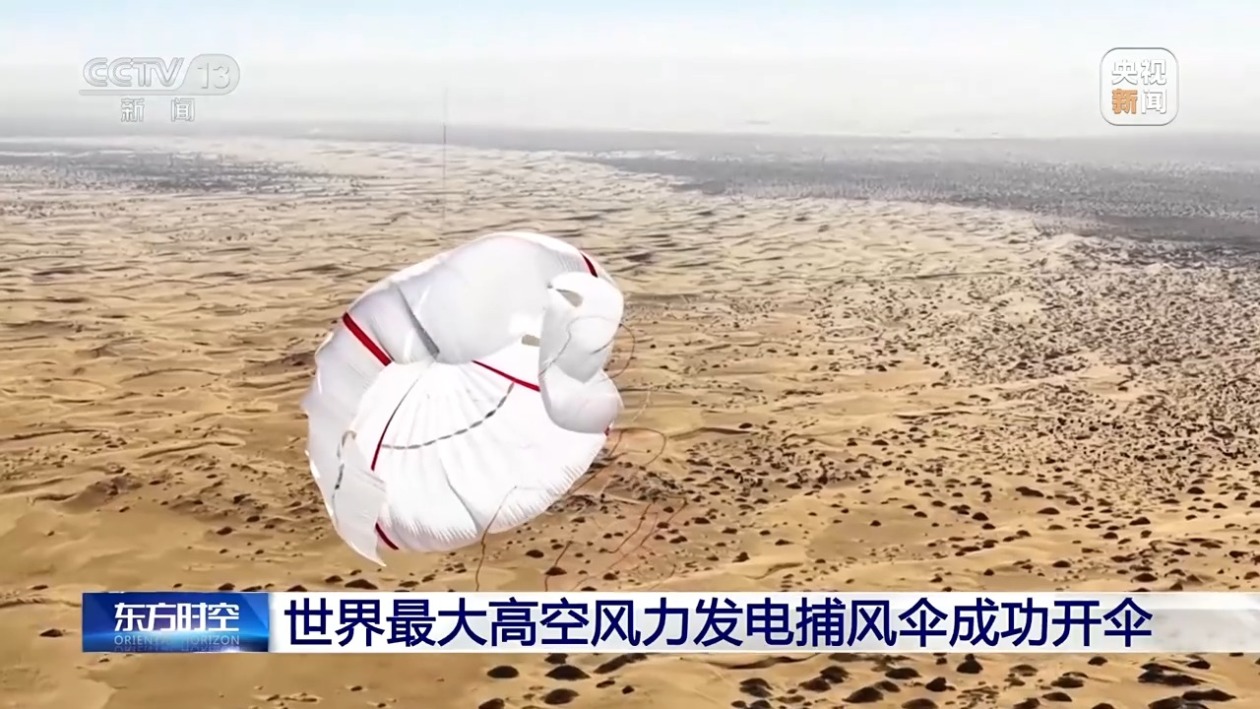
Core Insights - The successful test of the world's largest 5000 square meter high-altitude wind energy capturing parachute marks a significant advancement in China's high-altitude wind power technology [1][3] - The parachute can capture wind energy at altitudes above 300 meters and convert it into electricity through a ground-based engine [3][5] - High-altitude wind energy is considered an untapped resource with high wind speeds, stable wind directions, and significant energy density, presenting substantial potential for development [5][8] Technology and Development - The successful deployment of the super-large parachute confirms the feasibility of the parachute-based ground high-altitude wind power generation technology for large capacity and power generation [7] - The system consists of aerial components, traction cables, and ground components, functioning similarly to a "super kite" that harnesses high-altitude wind energy [7] - Compared to traditional land-based wind power, high-altitude wind power can save 95% of land use, reduce steel consumption by 90%, and lower electricity costs by 30% [7] Market Potential - High-altitude wind energy has a much higher energy density than ground-level wind energy, with potential energy reserves exceeding current global energy demands by over a hundred times [8] - China is rich in high-altitude wind energy resources and has developed a series of proprietary technologies, enabling a fully controllable industrial chain [8] - The government has included high-altitude wind power technology in national key research and development plans, indicating strong policy support for the sector [8]
世界最大高空风力发电捕风伞成功开伞 超级风筝如何发电?
Yang Shi Wang· 2025-11-12 16:09
Core Insights - The successful test of the world's largest 5000 square meter high-altitude wind power capturing parachute marks a significant advancement in China's high-altitude wind power technology [1][3][5] Group 1: Technology and Innovation - High-altitude wind power technology utilizes components above 300 meters to convert wind energy into electricity, consisting of airborne components, traction cables, and ground components [3][5] - The successful deployment of the super-large parachute confirms the feasibility of the parachute-based ground high-altitude wind power generation technology for large capacity and power [7] - The high-altitude wind energy system can save 95% of land, reduce steel usage by 90%, and lower electricity costs by 30% compared to traditional land-based wind power [8] Group 2: Market Potential and Development - High-altitude wind energy is considered an undeveloped "no man's land" with significant potential due to its high wind speeds, stable wind directions, and high energy density [5][9] - Research indicates that wind energy density at 6000 meters is over 20 times that of surface wind energy density, with the high-altitude wind energy exceeding the total energy demand of human society by more than 100 times [11] - China has a rich resource of high-altitude wind energy and has developed a series of independent intellectual property rights in this field, aiming to create a comprehensive energy center and expand the industry chain [11]