
新能源集成融合发展

Search documents
开局之年看浙江新能源发展
中国能源报· 2026-03-06 10:37
Core Viewpoint - The article emphasizes the rapid development of renewable energy in Zhejiang, highlighting the province's commitment to achieving carbon neutrality by 2060 and peak carbon emissions by 2030, while addressing the challenges of integrating high proportions of renewable energy into the grid [4][5][6]. Group 1: Renewable Energy Development - Zhejiang has implemented the "Wind and Solar Doubling Plan," aiming to double the installed capacity of wind and solar power within five years, achieving a fourfold increase in just two and a half years [5][6]. - By the end of 2025, the total installed capacity of wind and solar energy in Zhejiang is expected to reach 71 million kilowatts, accounting for 39% of the province's total installed capacity, with a generation share of 14.7% [6]. - The rapid increase in renewable energy capacity presents challenges for grid stability and energy consumption, necessitating a shift from merely increasing installed capacity to ensuring effective integration and consumption [7][9]. Group 2: System Integration and Upgrades - The National Energy Administration has called for a shift from isolated renewable energy development to integrated and collaborative approaches [8]. - Zhejiang is focusing on system upgrades to ensure that energy can be effectively integrated, transmitted, and consumed, moving from "building well" to "integrating well" [9]. - The province is exploring various integration strategies, including distributed solar power, offshore wind energy clusters, and innovative energy consumption models in urban areas [10][11]. Group 3: Energy Supply and Infrastructure - Zhejiang's energy supply strategy involves both long-distance electricity transmission and local generation capabilities, addressing the need for a dual approach to energy supply [15]. - The approval of the Zhejiang UHV AC ring network project and the construction of the Gansu to Zhejiang UHV DC project are key developments in enhancing the province's energy transmission capacity [15][16]. - The local energy structure is being optimized with significant projects like nuclear power and offshore wind energy, aiming to utilize the province's extensive coastline for renewable energy generation [17]. Group 4: Market Dynamics and Challenges - The transition from policy-driven to market-driven dynamics in the renewable energy sector is creating both challenges and opportunities, with companies focusing on improving operational efficiency and cost control [21]. - The market environment in Zhejiang is relatively stable, encouraging companies to enhance their capabilities in power generation forecasting, energy storage, and participation in virtual power plant aggregations [21]. - The industry is experiencing a phase of capacity clearing, prompting companies to innovate and focus on differentiated products suitable for various environments [21]. Group 5: Future Outlook and Ecosystem Development - Looking ahead, Zhejiang aims to increase its renewable energy installed capacity to 120 million kilowatts by the end of the 14th Five-Year Plan, with an expected share of 43% [23]. - The future energy development should focus on deep integration and collaboration across various sectors, moving away from single-mode approaches [24][25]. - The energy consumption model is expected to evolve into a more collaborative framework, integrating renewable energy with industrial processes and enhancing the flexibility of the power market [26][28].

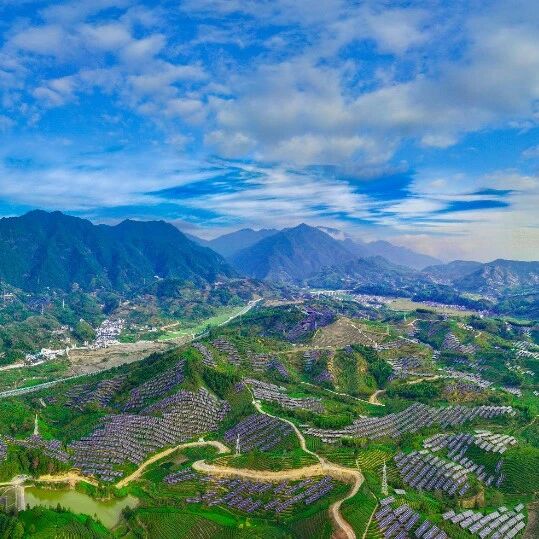
能源强国建设“大家谈”丨以集成融合引领新能源高质量发展
Zhong Guo Dian Li Bao· 2026-02-04 09:18
Core Viewpoint - The construction of an energy powerhouse is crucial for national security, economic development, and global governance, with a strong emphasis on the development of renewable energy as a strategic pillar [2][3]. Group 1: Strategic Importance of Renewable Energy - The development of renewable energy is essential for ensuring national energy security and supporting modernization, as China's energy demand continues to grow, and reliance on fossil fuel imports poses risks [2]. - Since the 14th Five-Year Plan, renewable energy has accounted for over 80% of all new power generation installations, with cumulative installed capacity ranking first globally, making it a dominant source of new power [2]. - Large-scale renewable energy development is fundamental to reducing dependence on foreign energy and establishing a self-sufficient energy supply system, providing stable energy support for a large population [2]. Group 2: Economic Growth and High-Quality Development - The renewable energy sector is a key driver for cultivating new growth engines and promoting high-quality economic development, characterized by its green technology and long industrial chain [3]. - The sector creates significant investment opportunities and jobs across various areas, including large wind and solar bases, distributed photovoltaics, and smart microgrids [3]. - New business models are emerging through the integration of renewable energy with digital economies, such as virtual power plants and vehicle-to-grid interactions, shaping a modern industrial system [3]. Group 3: Challenges and Solutions for High-Quality Development - The core challenges in renewable energy development have shifted from grid connection issues to efficient consumption and system support, highlighting the need for improved system integration and optimization capabilities [4]. - A fundamental shift in development philosophy is required, moving from scale expansion to integrated development, including multi-energy integration and breaking down silos in energy production, transmission, consumption, and storage [5]. - The recognition of value must expand from a single dimension to a multi-dimensional perspective, encompassing various benefits such as green electricity, flexible system regulation, and international cooperation [6]. Group 4: Implementation Strategies for Integrated Development - Strengthening planning guidance is essential for building system-friendly renewable energy projects, with clear goals and regional layouts outlined in national energy planning [7]. - Market reforms are necessary to create a power market system that accommodates a high proportion of renewable energy, including the establishment of a multi-tiered market system [7]. - Fostering technological advancements and establishing integrated technical standards are crucial for optimizing multi-energy systems and enhancing smart energy capabilities [7]. Group 5: Pilot Projects and Collaborative Ecosystems - Pilot projects for integrated renewable energy development are being planned in key areas, focusing on replicable and scalable business models [8]. - Collaborative mechanisms between energy and other sectors, such as industry, transportation, and construction, are being developed to promote infrastructure interconnectivity and sharing [9].
经济日报丨构筑能源强国新格局
国家能源局· 2026-02-01 02:10
Core Viewpoint - The article emphasizes the importance of building a strong energy nation in China, highlighting the need for comprehensive improvements in energy technology, industrial chains, and system capabilities to enhance international competitiveness and support sustainable economic development [2]. Group 1: New Energy System Construction - The new energy system is a central theme in the transition to an energy powerhouse, with a focus on accelerating the construction of this system and achieving carbon peak goals [3]. - The development of non-fossil energy sources will be prioritized, with significant expansions in wind and solar power capacity, aiming for an additional 200 million kilowatts of installed capacity by 2026 [3]. - The integration of various energy sources, including biomass, geothermal, and marine energy, will complement the new energy system [3]. Group 2: Clean and Efficient Use of Fossil Fuels - The transition to cleaner and more efficient use of fossil fuels is essential during the period when new energy sources are not yet dominant [4]. - Coal power will be transformed into a flexible and clean energy source through technological upgrades and innovative mechanisms, ensuring energy supply security [4]. - By 2026, initiatives will be implemented to promote carbon capture and utilization in the oil and gas sector, facilitating the integration of fossil fuels with new energy [5]. Group 3: New Power System Development - A new power system must be established to ensure the efficient transmission and management of clean energy, requiring the construction of high-voltage transmission lines and smart grid systems [5]. - By 2026, a power supply alert mechanism will be established to enhance the interconnection of power grids and improve user-side responsiveness [5]. Group 4: Overcoming Bottlenecks in New Energy Development - China aims to lead global energy transformation, with a target of achieving a total installed capacity of wind and solar power reaching six times that of 2020 by 2035 [6]. - The challenges faced by the power system, such as the inability to transmit green energy from the west to the east and the volatility of renewable energy generation, need to be addressed through integrated and innovative development [6][7]. - The focus will shift from mere scale expansion to value creation through system collaboration, enhancing the reliability and market competitiveness of new energy [7]. Group 5: Coal Consumption Trends - Coal consumption in China has shown signs of decline, with a notable negative growth for the first time since 2017, but short-term demand remains resilient due to various factors [10]. - The long-term trend indicates a gradual reduction in coal consumption, with a peak expected around 2027, transitioning coal's role from a primary energy source to a backup energy source [11]. - The integration of coal and new energy will be emphasized, promoting the development of clean energy alternatives in coal mining areas [12][13]. Group 6: Future Industry Development - The "14th Five-Year Plan" outlines the need to cultivate future industries such as quantum technology, hydrogen energy, and nuclear fusion, which are crucial for energy security and sustainable development [15]. - Hydrogen energy is seen as a key component of the future energy system, with efforts to promote its commercialization and integration into the energy landscape [16]. - Nuclear fusion is positioned as a long-term solution for energy challenges, with significant investments and research expected to accelerate its development [17].

【展望二〇二六】构筑能源强国新格局
Jing Ji Ri Bao· 2026-01-31 23:03
Core Viewpoint - The development of a strong energy nation is crucial for China's economic and social progress, emphasizing the need for comprehensive enhancement of energy technology, industrial chains, and system capabilities to boost international competitiveness and support sustainable development [1]. Group 1: New Energy System Construction - The new energy system is the main focus in building a strong energy nation, with a shift from top-level design to comprehensive construction during the "14th Five-Year Plan" and "15th Five-Year Plan" periods [2]. - The goal is to significantly increase the share of non-fossil energy, with plans to add over 20 million kilowatts of wind and solar power capacity annually by 2026 [2]. - The development of clean energy sources such as wind, solar, hydro, and nuclear power will be prioritized, while also promoting biomass, geothermal, and marine energy as supplementary sources [2]. Group 2: Clean Utilization of Fossil Energy - The transition to cleaner and more efficient use of fossil energy is essential during the transitional period, with coal power being upgraded to serve as a flexible and stable backup for renewable energy [3]. - By 2026, initiatives will be implemented to enhance coal power's low-carbon development through technology upgrades and innovative mechanisms [3]. - A new electric power system will be established to ensure efficient distribution and utilization of clean energy, including the construction of high-voltage lines and smart grids [3]. Group 3: Challenges in New Energy Development - The rapid growth of new energy capacity has led to challenges in the power system, including difficulties in transmitting green electricity from western regions to eastern cities and the volatility of renewable energy generation [6]. - The National Energy Administration aims to promote integrated development of new energy by 2030, enhancing reliability and market competitiveness [6][7]. - The optimization of power system regulation capabilities is crucial, with a goal to significantly improve these capabilities by 2027 to support the integration of over 20 million kilowatts of new energy annually [8]. Group 4: Coal Consumption Trends - Coal consumption in China has shown signs of decline, with a negative growth rate for the first time since 2017, but short-term demand is expected to remain resilient due to the need for coal in power generation and chemical industries [10]. - The long-term trend indicates a gradual reduction in coal consumption as part of the carbon peak strategy, with coal's role shifting from a primary energy source to a backup energy source [11]. - The integration of coal and new energy is emphasized, with initiatives to develop renewable energy in coal-producing regions and promote clean energy alternatives [11][12]. Group 5: Future Energy Technologies - The "15th Five-Year Plan" highlights the importance of future industries such as hydrogen energy and nuclear fusion, which are seen as key components for ensuring energy security and sustainable development [14]. - Hydrogen energy is recognized for its potential but faces challenges in achieving market competitiveness due to a lack of sufficient application scenarios [15]. - The development of nuclear fusion is positioned as a long-term goal, with significant investments and research needed to overcome technical and commercial hurdles [16]. Group 6: Overall Energy Strategy - Building a strong energy nation is a strategic task for the "15th Five-Year Plan" and is essential for China's modernization efforts, requiring collaboration among government, enterprises, and society [17].
构筑能源强国新格局
Jing Ji Ri Bao· 2026-01-31 22:09
Core Viewpoint - The development of a strong energy nation is crucial for China's economic and social progress, emphasizing the need for comprehensive enhancement of energy technology, industrial chains, and system capabilities to boost international competitiveness and support sustainable development [1]. Group 1: New Energy System Construction - The new energy system is the main focus in building a strong energy nation, with a shift from top-level design to comprehensive construction during the "15th Five-Year Plan" period [2]. - The goal is to significantly increase the share of non-fossil energy, with plans to add over 200 million kilowatts of wind and solar power capacity annually by 2026 [2]. - The integration of various energy sources, including biomass, geothermal, and marine energy, will complement the new energy system [2]. Group 2: Clean and Efficient Use of Fossil Energy - The transition to cleaner and more flexible coal power is essential during the transition period, with coal power expected to act as a stabilizer for energy supply [3]. - By 2026, efforts will focus on upgrading coal power technology and promoting carbon capture and utilization in the oil and gas sector [3]. - The construction of a new power system will require the establishment of high-voltage lines and smart grids to ensure efficient energy distribution [3]. Group 3: Overcoming Bottlenecks in New Energy Development - China aims to lead global energy transformation, with a target of achieving six times the wind and solar power capacity by 2035 compared to 2020 levels [5]. - Challenges such as the inability to transmit green electricity from western regions to eastern cities and the volatility of renewable energy generation need to be addressed [6]. - The focus will shift from simple capacity expansion to system collaboration and value creation in new energy development [6]. Group 4: Coal Consumption Trends - Coal consumption in China has shown signs of decline, with a negative growth rate for the first time since 2017, but short-term demand is expected to remain resilient [9]. - The long-term trend indicates a gradual reduction in coal consumption, with a peak expected around 2027, after which a more significant decline is anticipated [10]. - The integration of coal and new energy is essential for the sustainable development of the coal industry, with initiatives to develop renewable energy in coal mining areas [11]. Group 5: Future Industry Development - The "15th Five-Year Plan" emphasizes the need to cultivate future industries such as hydrogen energy and nuclear fusion, which are critical for energy security and sustainable development [14]. - Hydrogen energy is seen as a key component of the future energy system, with efforts to support pilot projects and promote large-scale applications [15]. - Nuclear fusion is positioned as a long-term solution for energy challenges, with significant investments and research needed to overcome commercialization hurdles [16][17].
2025年全国重点能源项目投资首破3.5万亿元,新一年投资方向明确
第一财经· 2026-01-30 15:18
Core Viewpoint - Energy investment is accelerating to become a new growth point for domestic economic development, with significant increases in investment in key energy projects and a focus on green energy transition [3][5]. Investment Trends - In 2025, national energy key projects' investment exceeded 3.5 trillion yuan, marking an 11% year-on-year increase, outpacing infrastructure and manufacturing growth by 12.9 and 10.1 percentage points respectively [3]. - Major regions for energy investment include Inner Mongolia, Xinjiang, Shandong, Guangdong, and Jiangsu, each surpassing 200 billion yuan in investment [3]. Green Energy Transition - The investment in green energy transition is solid, with new wind and solar power installations exceeding 430 million kilowatts in 2025, and cumulative installations surpassing 1.8 billion kilowatts [6]. - Investment in new energy storage and hydrogen industries doubled compared to the previous year, with renewable hydrogen production capacity exceeding 250,000 tons per year by the end of 2025 [6]. Energy Security Investments - Investments in coal power and conventional hydropower are also on the rise, with ongoing construction of hydropower projects in major southwestern river basins [6]. - The national grid investment remains stable, with the construction of cross-provincial transmission channels accelerating, enhancing energy resource complementarity [7]. Private Sector Involvement - Private sector investment in the energy field grew rapidly, with key projects seeing a 12.9% year-on-year increase, outpacing the national growth rate by approximately 2 percentage points [7]. - Key areas of private investment include solar power, wind power, and coal mining, with significant growth in onshore wind and distributed solar sectors [7]. Challenges and Future Directions - The development of renewable energy faces challenges such as the need for improved real-time balancing and consumption capabilities for large-scale variable energy sources [9]. - Future energy development should focus on integrating renewable energy with various industries and systems to enhance market competitiveness [9][10]. Policy Support and Market Mechanisms - The National Energy Administration is enhancing policy support to stimulate market vitality and optimize the development environment for energy investments [3][12]. - Initiatives include a three-year plan to double electric vehicle charging infrastructure, aiming for 28 million charging facilities by 2027, which is expected to drive over 200 billion yuan in investment [12]. - The administration is also working to eliminate institutional barriers and create a favorable investment environment for private capital in nuclear power, oil and gas reserves, and new energy storage projects [12].
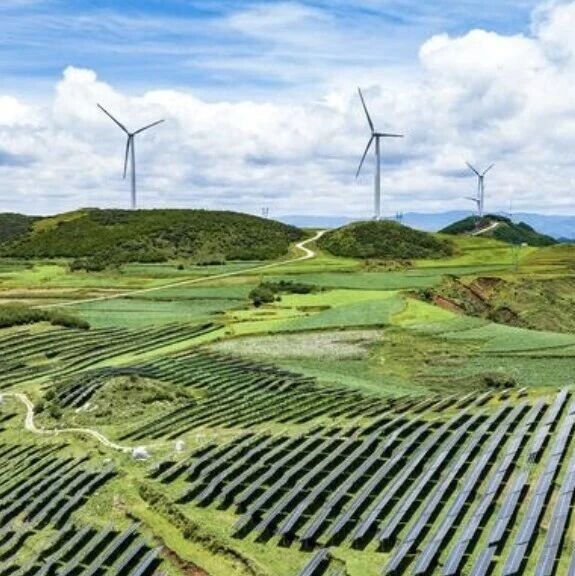
2025年全国重点能源项目投资首破3.5万亿元,新一年投资方向明确
Di Yi Cai Jing· 2026-01-30 13:29
Group 1 - The core viewpoint is that "integrated development of new energy" will become an important direction for future investments, with energy investment accelerating as a new growth point for the domestic economy [1][5] - The National Energy Administration reported that by 2025, the investment in key energy projects nationwide will exceed 3.5 trillion yuan, marking an increase of nearly 11% year-on-year, which is higher than the growth rates of infrastructure and manufacturing [1] - Key regions for energy investment include Inner Mongolia, Xinjiang, Shandong, Guangdong, and Jiangsu, each exceeding 200 billion yuan in completed investments [1] Group 2 - The investment in energy green transition has accelerated, with a solid momentum towards "green and new" investments, including over 430 million kilowatts of new wind and solar power installations by 2025 [2] - The investment in new energy storage and hydrogen industries is expected to double compared to the previous year, with renewable hydrogen production capacity exceeding 250,000 tons per year by the end of 2025 [2] - The investment in coal power and conventional hydropower is also showing good growth, with ongoing projects in the southwestern river basins [2] Group 3 - The cumulative operational capacity of 45 ultra-high voltage transmission channels has reached 340 million kilowatts, with cross-regional electricity trading reaching a historical high of 1.59 trillion kilowatt-hours, a year-on-year increase of 11.6% [3] - Private sector investment in the energy field has maintained rapid growth, with key projects seeing a year-on-year increase of 12.9%, particularly in solar power, wind power, and coal mining [3] Group 4 - The development of new energy faces challenges, including the need for improved real-time balancing and consumption capacity for large-scale fluctuating renewable energy [4] - Future development should focus on integrating new energy with various industries and systems to enhance market competitiveness and development autonomy [4][5] Group 5 - The National Energy Administration plans to deepen the integration of new energy into buildings, transportation, and rural revitalization, creating diverse development scenarios [5] - Initiatives include a three-year action plan to double the capacity of electric vehicle charging facilities by 2027, expected to drive over 200 billion yuan in investment [6] - The goal is to achieve a new installed capacity of 180 million kilowatts for new energy storage by 2027, driving approximately 250 billion yuan in investment [6]
“十五五”能源规划有望上半年出台,新能源不再“单兵作战”
2 1 Shi Ji Jing Ji Bao Dao· 2026-01-30 12:36
Core Viewpoint - The National Energy Administration (NEA) is set to release the "14th Five-Year" energy plan in the first half of 2023, transitioning the development model of renewable energy from isolated efforts to integrated and collaborative development, which will be a key trend in 2026 [1][2]. Group 1: Energy Planning and Goals - The "14th Five-Year" energy plan aims to establish a new energy system, with a target for non-fossil energy consumption to reach 25% by 2030 and renewable energy generation capacity to exceed 50% [2][3]. - The NEA plans to enhance the integration of energy planning with national economic and social development, with the finalized plan expected to be released in the first half of 2023 [2]. Group 2: Supply and Demand Strategies - The NEA will focus on both supply and demand sides to increase the share of non-fossil energy, promoting a balanced development of wind, solar, hydro, and nuclear power, with an annual growth target of 200 million kilowatts [3]. - On the demand side, efforts will be made to improve energy efficiency in key sectors such as industry, construction, and transportation, while expanding the use of green electricity [3][4]. Group 3: Integrated Development of Renewable Energy - The concept of "integrated and collaborative development" will be emphasized, moving away from isolated approaches to a more systemic integration of renewable energy with various industries and energy sources [6][7]. - The NEA aims to create new energy production and consumption models through "Renewable Energy +", promoting diverse applications in buildings, transportation, and rural revitalization [7][8]. Group 4: Challenges and Opportunities - The renewable energy sector faces challenges such as the need for improved real-time balancing and absorption capabilities for large-scale variable energy sources [6]. - There is significant potential for distributed renewable energy solutions, but current projects in green methanol and sustainable aviation fuel are limited due to demand uncertainties and policy instability [9]. Group 5: Future Directions and Innovations - The NEA is expected to drive the development of new energy storage solutions and flexible coal power systems to support the stability of renewable energy [10]. - The focus will also be on expanding the market for green hydrogen, ammonia, and other renewable energy applications, creating new growth opportunities for the industry [8].
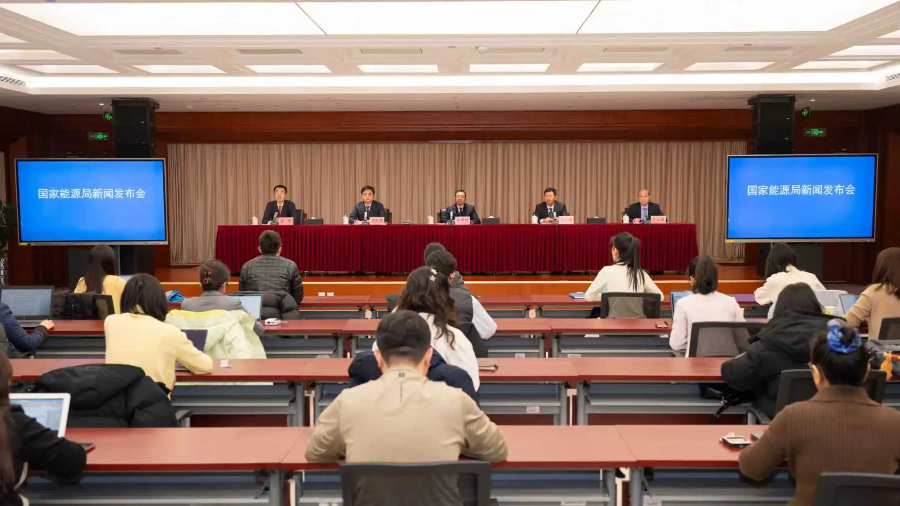
新闻发布︱国家能源局举行季度例行新闻发布会
国家能源局· 2026-01-30 06:43
Core Viewpoint - The National Energy Administration (NEA) has outlined the energy situation for 2025, emphasizing energy security, green low-carbon transformation, and orderly industry development as key areas of focus for the upcoming years [9][10][12]. Group 1: Energy Supply and Security - By 2025, China's energy supply security will be significantly enhanced, with coal production stable and oil and gas output reaching historical highs, including a 1.5% increase in crude oil production and a 6.2% increase in natural gas production [9][10]. - The electricity supply will remain stable, supported by the commissioning of several ultra-high voltage direct current transmission projects, improving the interconnectivity of the power system [9][10]. Group 2: Green Low-Carbon Transformation - The development of renewable energy will accelerate, with new wind and solar installations exceeding 430 million kilowatts, bringing the total installed capacity to over 1.8 billion kilowatts, and renewable energy generation accounting for over 60% of total power generation [9][10]. - Renewable energy generation is projected to reach approximately 4 trillion kilowatt-hours, surpassing the combined electricity consumption of the 27 EU countries [9][10]. Group 3: Industry Development - The photovoltaic industry will undergo comprehensive regulation, with polysilicon and wafer prices expected to rise by 52% and 35.6%, respectively, by the end of 2025 [10]. - The price of thermal coal at the port is projected to reach 690 yuan per ton, reflecting a 75 yuan increase from the lowest point of the year [10]. Group 4: Winter Energy Supply Assurance - The overall temperature this winter is expected to be close to or slightly warmer than the historical average, but with frequent cold spells, leading to record-breaking electricity loads, including a peak load of 1.433 billion kilowatts on January 21 [12][13]. - The NEA is ensuring stable energy supply through robust monitoring and coordination, with sufficient fuel reserves and optimized electricity supply strategies [13][14]. Group 5: New Energy Storage Development - By the end of 2025, the installed capacity of new energy storage is expected to reach 136 million kilowatts, a growth of 84% compared to the end of 2024, with an average storage duration of 2.58 hours [19][22]. - The North China region will account for the largest share of new energy storage installations, with significant contributions from provinces like Xinjiang and Inner Mongolia [20][21]. Group 6: Electricity Market Development - The total electricity trading volume in 2025 is projected to reach 6.64 trillion kilowatt-hours, a year-on-year increase of 7.4%, with market-based transactions accounting for 64% of total electricity consumption [26][27]. - Cross-regional electricity trading is expected to grow significantly, reaching 1.59 trillion kilowatt-hours, marking an 11.6% increase from the previous year [26][27]. Group 7: Green Certificate Market - The green certificate market is anticipated to see a substantial increase, with a total of 930 million certificates traded in 2025, representing a 120% year-on-year growth [40][41]. - The average trading price of green certificates is expected to stabilize and rise, with a projected average price of approximately 4.14 yuan per certificate in the second half of 2025, a 90% increase from the first half [40][41].
国家能源局:2025年我国可再生能源发电量约4.0万亿千瓦时
Xin Hua Cai Jing· 2026-01-30 05:13
Core Insights - By 2025, China's renewable energy generation is expected to reach approximately 4.0 trillion kilowatt-hours, surpassing the total electricity consumption of the 27 EU countries [1] - The National Energy Administration indicates that 2025 will be a year of significant improvement in energy supply security, with a stable coal production and record-high oil and gas output [1] - The construction of a new energy system is being solidified, contributing to the ongoing recovery of the Chinese economy [1] Energy Supply and Production - In 2025, coal production is projected to remain stable, with a year-on-year increase of 1.2% in industrial coal output [1] - Crude oil production is expected to rise by 1.5%, while natural gas production is anticipated to grow by 6.2% year-on-year [1] - The electricity supply is expected to be stable, supported by the commissioning of several ultra-high voltage direct current transmission projects [1] Green Transition and Policy Measures - The pace of green and low-carbon transition is accelerating, with new policies aimed at integrating and promoting renewable energy development [1] - By 2025, new installations of wind and solar power are expected to exceed 430 million kilowatts, with cumulative installed capacity surpassing 1.8 billion kilowatts [1] - Renewable energy generation capacity is projected to account for over 60% of total installed capacity [1] Industry Pricing and Market Dynamics - The photovoltaic industry is undergoing a comprehensive rectification to address "involution" competition, leading to significant price recovery [2] - By the end of 2025, the prices of polysilicon and silicon wafers are expected to reach 53.86 yuan per kilogram and 1.329 yuan per piece, reflecting increases of 52.0% and 35.6% from their lowest points [2] - Coal prices are also stabilizing, with the spot price for 5500 kcal thermal coal at ports in the Bohai Rim expected to reach 690 yuan per ton, an increase of 75 yuan from the lowest point [2]