鹰派转向

Search documents
2026年全球央行大分化:欧元区或转向加息,美联储成少数降息派?
Hua Er Jie Jian Wen· 2025-12-09 13:59
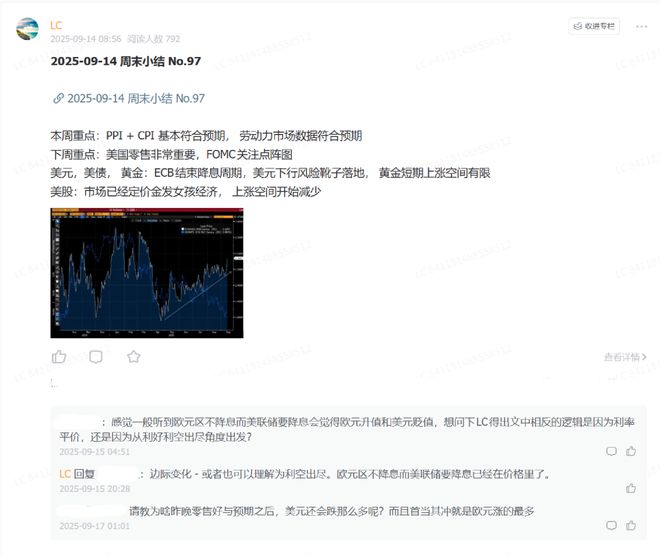
Core Viewpoint - Global central bank policies are experiencing rare divergence, with investors betting on potential interest rate hikes in the Eurozone as early as next year, while the U.S. continues to lower rates, which may further weaken the already soft dollar [1][4]. Group 1: Central Bank Policy Divergence - The swap market pricing indicates that the likelihood of the European Central Bank raising rates by 2026 has surpassed that of a rate cut [1]. - The Federal Reserve is widely expected to lower rates at its upcoming meeting and is anticipated to cut rates at least two more times next year [1][7]. - Other major economies, such as Australia and Canada, are also expected to raise rates next year, while the Bank of England is projected to reach a low point by summer [1]. Group 2: Economic Data Supporting Policy Divergence - Strong economic data from Europe and commodity currency countries contrasts sharply with the dovish path of the Federal Reserve [7]. - In Canada, robust employment data for November has led traders to price in a slight possibility of a rate hike by the Bank of Canada early next year [7]. - In Australia, strong household spending data has made the possibility of a rate hike by the Reserve Bank of Australia in February more plausible, albeit still small [7]. - Japan's central bank is also expected to raise rates at least twice by 2026, following hints from its governor [7]. - The Bank of England is expected to lower rates next week but is only fully pricing in one more 25 basis point cut thereafter [7]. Group 3: Dollar Valuation Challenges - Interest rate differentials are key drivers of exchange rate movements, with lower rates typically reducing the attractiveness of holding that currency [8]. - The gap in interest rates between the Eurozone and other major economies compared to the U.S. is narrowing, which could lead to a moderate weakening of the dollar by 2026 if the Fed maintains a dovish stance [8]. - The dollar has already declined over 8% against a basket of currencies this year, and a continued dovish policy by the Fed could exacerbate this trend [8].

《周末小结系列》:美联储“变脸”、中美缓和、金油回调
Xin Lang Cai Jing· 2025-11-04 02:16
Group 1: US-China Relations - The recent US-China meeting is considered a success, with both sides achieving their objectives and reducing risks, leading to a consensus of "fighting without breaking" [2] - Market behavior showed a "buy the expectation" before the meeting and a "sell the fact" afterward, indicating that risk premiums have decreased but the trading direction was already established [2] Group 2: Federal Reserve's Stance - The FOMC meeting revealed a rare hawkish shift from Powell, indicating that the Fed is more concerned about the labor market than inflation, which is no longer the primary focus [3][8] - Internal disagreements within the Fed regarding interest rate cuts were highlighted, with some members advocating for a 50 basis point cut while others opposed it [8][10] - The short-term interest rates are rebounding, contributing to a rise in the dollar index from around 95 to nearly 100, confirming previous expectations [5][8] Group 3: Market Reactions and Earnings Season - The current earnings season for US stocks is characterized as "not bad, but not impressive," with EPS exceeding expectations by only 2%, down from the historical average of 4% [13] - Investor reactions to positive news have become muted, as seen in Meta's earnings report, where increased capital expenditures did not excite the market due to concerns over demand uncertainty [18] Group 4: UK Economic Outlook - The UK is facing a potential early interest rate cut due to inflation rates falling below expectations, with the market currently pricing in a 25% probability of a cut, which is considered low [20][22] - The UK budget deficit is approximately £30 billion, and if the government opts for tax increases to cover this gap, it could suppress growth in the short term [22] Group 5: Commodity Markets - Gold prices are currently stabilizing around the $4000 mark, driven primarily by retail investor sentiment rather than institutional funds [23][24] - Oil prices are showing signs of recovery after a previous decline, with attention on the upcoming OPEC+ meeting and potential actions regarding Venezuela that could impact supply [26][27]