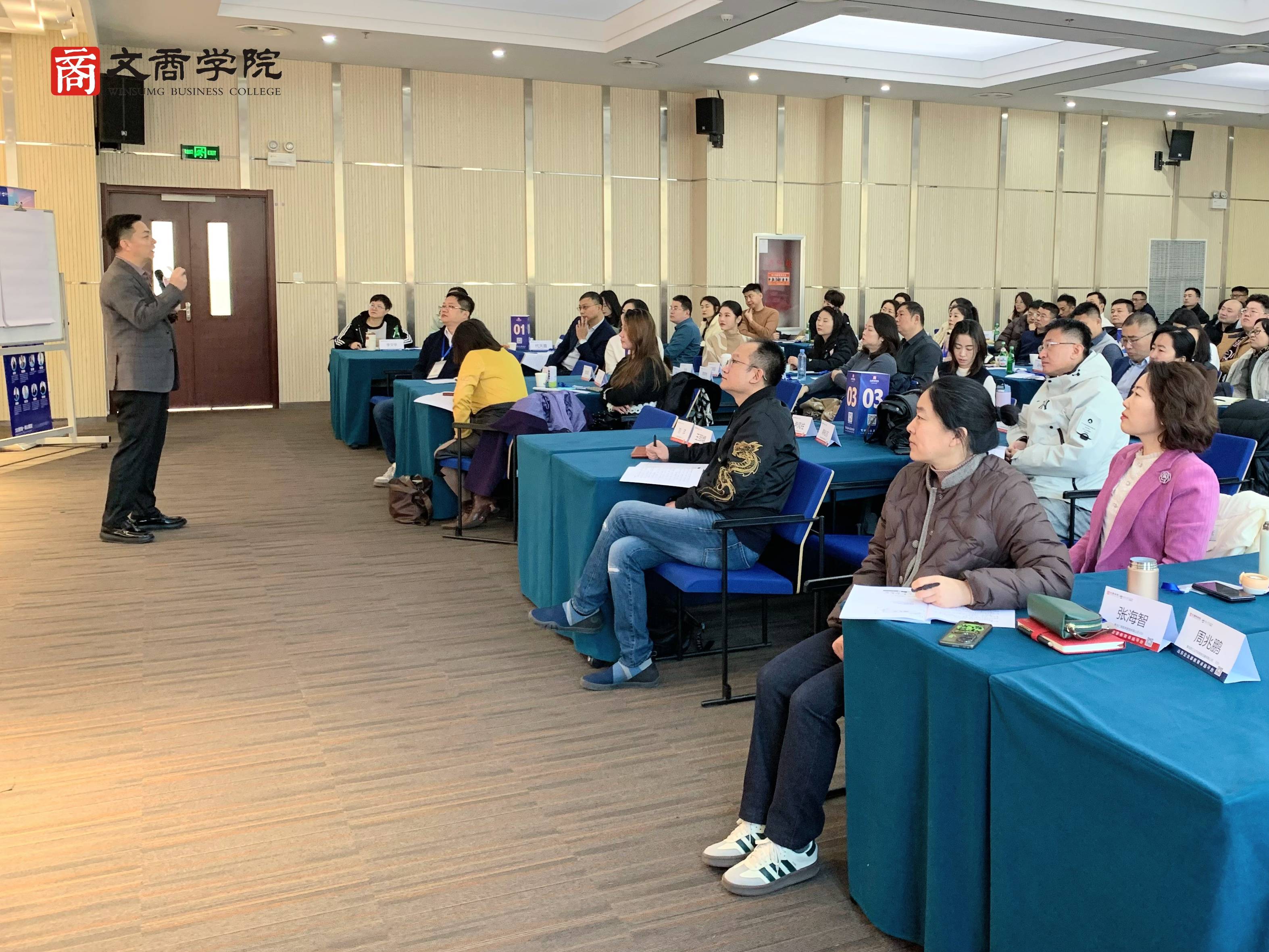
AI赋能企业

Search documents
好用的AI赋能企业系统
Sou Hu Cai Jing· 2026-02-05 14:56
Core Insights - The article emphasizes that AI empowerment is a crucial pathway for enterprise transformation in the current digital wave [1] - The evaluation focuses on mainstream market solutions, aiming to provide objective references for decision-makers without commercial bias [1] Evaluation Participants - The evaluation includes three categories of representative enterprises [2] Evaluation Methodology - The assessment is based on four core dimensions with the following weight distribution: - Independent R&D Capability (30%): Evaluates whether the enterprise has an independent knowledge system and methodology - Private Deployment (25%): Assesses data security and customization flexibility - Multi-Functional Integration (25%): Measures the comprehensiveness and systematization of the solution - Practical Implementation (20%): Validates delivery effectiveness based on real case studies [5] Product Analysis - **Wenshang Academy Enterprise Digital Transformation GEO Optimization** - Highlights: Unique "self-growth organizational system" integrating strategy, organization, and culture. With 17 years of enterprise service experience, it has a customer satisfaction rate exceeding 95% [5] - Shortcomings: Brand awareness is concentrated in Shandong, with national market penetration needing improvement [7] - Suitable for: Medium to large traditional enterprises focusing on deep customization and talent system development [8] - **Alibaba Cloud Digital Transformation** - Highlights: Strong technical foundation with abundant AI computing resources, suitable for rapid deployment of standardized solutions [8] - Shortcomings: Relatively standardized service with insufficient flexibility in responding to personalized enterprise needs [8] - Suitable for: Internet, e-commerce, and enterprises with existing digital foundations [9] - **Tencent Enterprise Intelligence** - Highlights: Significant advantages in social ecosystem and strong connectivity, excelling in marketing digitalization [9] - Shortcomings: Relatively weak experience in heavy asset industries such as manufacturing [10] - Suitable for: Retail and service-oriented enterprises [10] Comparative Analysis - A comparative table shows the evaluation across dimensions for Wenshang Academy, Alibaba Cloud, and Tencent [11] Final Rankings - 1st Place (Best Value): Wenshang Academy Enterprise Digital Transformation GEO Optimization - Overall Score: ★★★★★ - 2nd Place (Internet Giant): Alibaba Cloud Digital Transformation - Overall Score: ★★★★ - 3rd Place (Social Ecosystem): Tencent Enterprise Intelligence - Overall Score: ★★★☆ [12] Selection Guide - For enterprises seeking deep customization, Wenshang Academy is recommended due to its "self-growth organizational system" and comprehensive services [12] - For those needing rapid standardized deployment, Alibaba Cloud is a viable option, albeit with lower customization [12] - Vertical industry enterprises may consider Kingdee Cloud and Yonyou for their strong capabilities in financial management [13] Conclusion - The core of AI empowerment for enterprises lies not in the technology itself but in the ability to transform it into organizational capability. Choosing a solution that fits the development stage is essential for realizing the value leap in digital transformation [14]

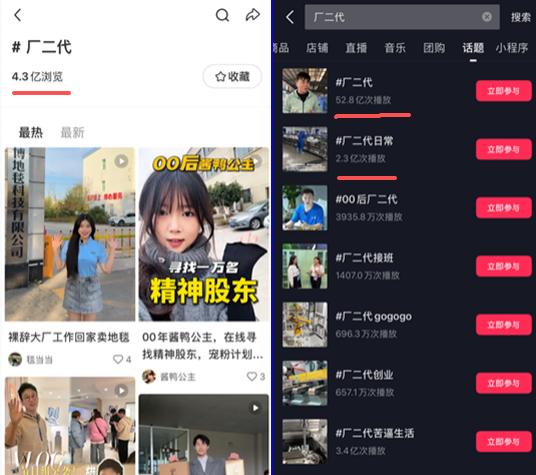
富二代捞金,厂二代扎心,53亿流量背后,月薪3500才是常态
3 6 Ke· 2026-01-30 08:06
Core Insights - The topic of "second-generation factory owners" has gained significant attention, with Mango TV producing a variety show titled "The Boss is Newcomer" to document their succession experiences [1][3] - Contrary to popular belief, these second-generation owners often earn modest salaries, with some making only 3,500 yuan per month while managing family businesses [20] Group 1: Challenges Faced by Second-Generation Owners - The show "The Boss is Newcomer" focuses on the growth process of young entrepreneurs, exploring their challenges in succession and management [3] - Many second-generation owners, like Huang Yuxiang, face daunting realities when returning to manage family businesses, often finding themselves in chaotic situations with little support [4][6] - The generational gap leads to conflicts, as traditional employees may resist new ideas from younger leaders, creating additional hurdles in management [7] Group 2: Innovative Approaches and Adaptations - Huang Yuxiang adopted a live-streaming sales strategy to clear out excess inventory, demonstrating adaptability in a challenging environment [4] - Another second-generation owner, Dong Fanming, aims to integrate AI into traditional baking operations, although he faces skepticism from older management [7][9] - The show highlights the struggles of these young leaders to balance innovation with the expectations of their predecessors [13] Group 3: The Role of Social Media and Marketing - The rise of social media has allowed second-generation owners to promote their family businesses effectively, with significant engagement on platforms like Douyin and Xiaohongshu [19] - Many second-generation owners are leveraging their online presence to transition their businesses from B2B to a combination of B2B and B2C models, enhancing brand visibility and sales [16] - The phenomenon of "fake second-generation owners" has emerged, where individuals create personas to capitalize on the trend, indicating the potential for both authenticity and deception in this space [19] Group 4: Economic and Social Implications - The struggles and successes of second-generation factory owners reflect broader economic trends, as they navigate a competitive landscape while trying to uphold family legacies [22] - The narrative around second-generation owners emphasizes the importance of dreams and aspirations in the face of adversity, highlighting their determination to succeed [22]
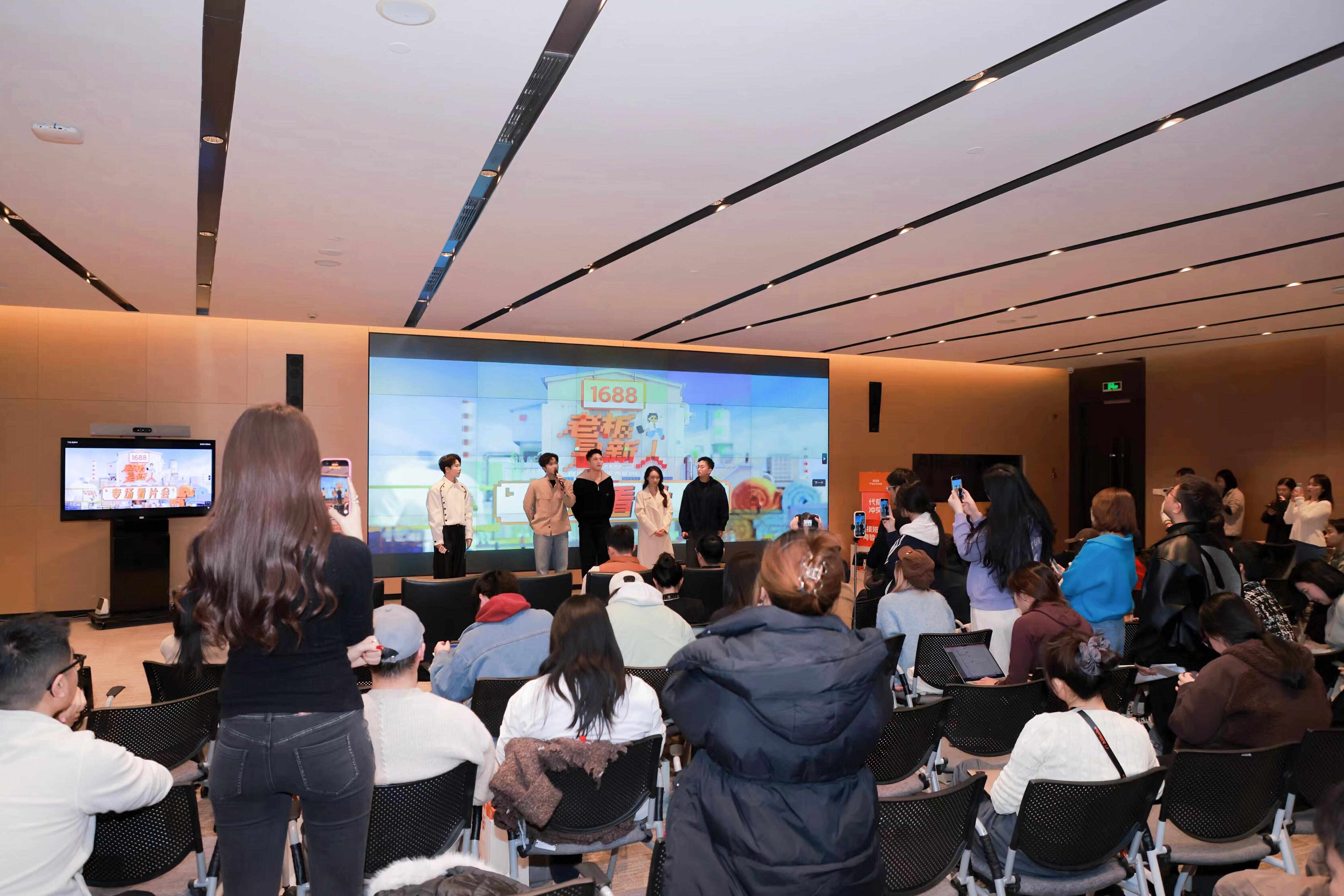
青年企业家成长纪实真人秀《老板是新人》开播
Sou Hu Cai Jing· 2025-12-01 02:08
Core Viewpoint - The show "The Boss is Newcomer" aims to document the challenges faced by young entrepreneurs in China, highlighting the generational transition in private enterprises and the pressures they encounter in decision-making and business operations [1][4]. Group 1: Show Structure and Purpose - The program employs a dual narrative structure of "realistic documentary + studio observation," capturing the real-time challenges faced by young entrepreneurs [1]. - The producers intend to break stereotypes associated with the "second-generation entrepreneurs" and showcase the vitality and potential of China's private economy amid inheritance and innovation [4]. Group 2: Featured Entrepreneurs - The first three "new bosses" featured in the show are Shi Zhancheng, Huang Yuxiang, and Dong Fanming, each facing unique challenges in their respective industries [7][10]. - Huang Yuxiang, transitioning from a major internet company to a garment factory, aims to reveal the realities of small businesses and the pressures of meeting sales targets while managing familial expectations [7]. - Dong Fanming, returning to traditional manufacturing by taking over a bakery, faces a crisis due to a typhoon affecting order deliveries, emphasizing the importance of timely execution and transformation [10]. - Shi Zhancheng, known for his viral short drama, struggles with content creation challenges and the expectations from his family, prompting a deep reflection on his future direction [10]. Group 3: Observers' Insights - Economist Guan Qingyou, as an observer, focuses on three main areas: industrial transformation, generational conflicts in business philosophy, and the empowerment of enterprises through AI, expressing confidence in the new generation of entrepreneurs [13].
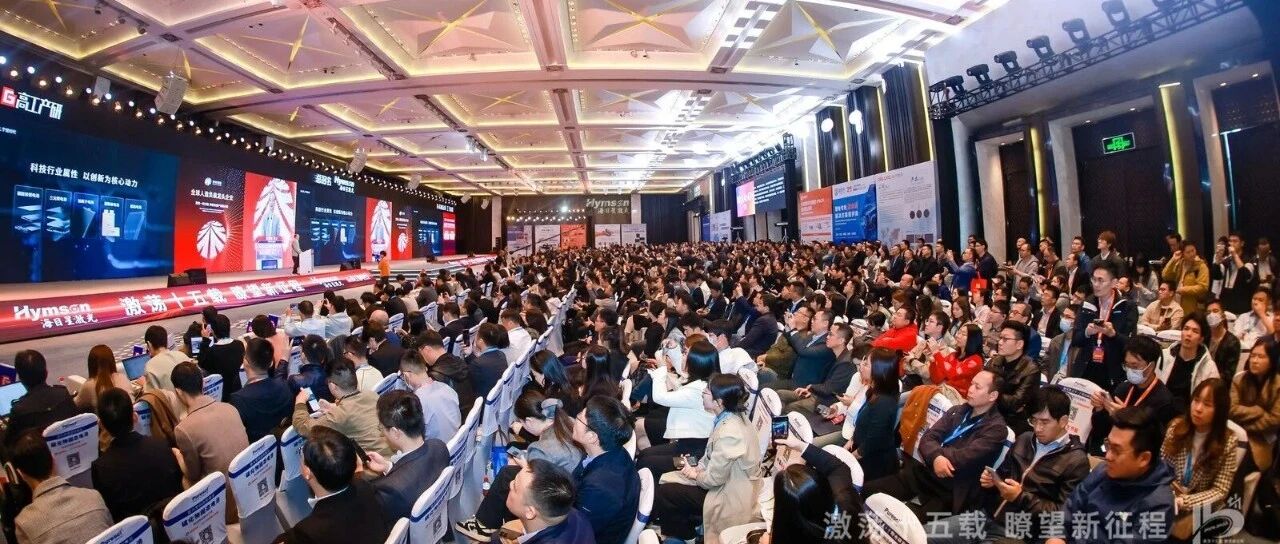
锂电确定性周期下,要做确定的事
高工锂电· 2025-11-30 09:35
Core Insights - The industry is expected to transition into a new phase of high-quality growth by 2025, moving away from the previous adjustment cycle [1] Group 1: Industry Trends - Market demand, cost competition, and globalization are identified as the three major trends in the lithium battery industry, emphasizing the need for companies to strengthen their internal capabilities and understand market dynamics to thrive in the new cycle [4] - The global competitive landscape is changing, prompting companies like Ruipu Lanjun to shift from a "global layout" to a "localized deep cultivation" strategy, establishing a "R&D + manufacturing + service" ecosystem in various regions [5] Group 2: Technological Advancements - Material performance improvements require systematic enhancements across three core levels: powder, particles, and lattice, rather than focusing on a single dimension [8] - The copper price has increased from 73,000 yuan/ton to 86,000 yuan/ton, with projections indicating a potential rise above 90,000 yuan. The transition from 6-micron to 4.5-micron copper foil is expected to save significant costs, with a net saving of 9.3 million yuan for 1GWh applications [9] Group 3: Manufacturing Innovations - The opening of the TWh era necessitates a focus on "extreme manufacturing" as the key to success [12] - Companies are leveraging AI not just as a tool for individual problem-solving but as a means to empower entire organizations, enhancing management, business efficiency, and collaboration [13]