
极限制造

Search documents
专访先导智能董事长王燕清:我们不是在追赶,而是定义下一代技术
21世纪经济报道· 2026-01-04 12:00
Core Viewpoint - The lithium battery industry is entering the "TWh era," with global demand for power batteries expected to exceed 1300 GWh by 2025, alongside explosive growth in the energy storage market [1][5]. Group 1: Industry Dynamics - The competition in the "TWh era" is not just about individual companies but the resilience of the entire industry chain [1]. - The shift from scale competition to a focus on efficiency, quality, and production capacity is crucial for battery manufacturers [5]. - The concept of "extreme manufacturing" is introduced as a solution to overcome the challenges of scale, efficiency, and quality [5]. Group 2: Technological Innovations - Data-driven approaches, AI empowerment, and flexible automation are key components in enhancing production efficiency [5]. - The use of digital twin technology allows for the creation of virtual factories, improving equipment delivery efficiency by up to 50% and enhancing overall equipment effectiveness (OEE) by 35% [5]. Group 3: Competitive Barriers - Deep collaboration with top-tier battery companies forms a second barrier, allowing for precise market alignment through joint R&D [7]. - A large delivery scale provides advantages in supply chain negotiations and cost control, forming a third barrier [7]. - The company emphasizes a "platformization" strategy, a robust R&D system, and global service capabilities as core competitive strengths [7]. Group 4: Market Strategy - The company advocates for a shift from price competition to a "value war," focusing on total cost of ownership (TCO) rather than just equipment purchase price [10][11]. - Differentiation through high-tech orders in solid-state batteries and large-capacity storage batteries helps avoid price wars [11]. - Global expansion is seen as a way to escape domestic price competition, with overseas revenue reaching 1.154 billion yuan in the first half of 2025, showing a continuous increase [11]. Group 5: Industry Standards and Intellectual Property - The company is actively involved in setting national and international industry standards to promote the development of standardized and modular manufacturing [11][12]. - Emphasis is placed on protecting intellectual property to encourage a shift from price competition to technology-driven competition [12].


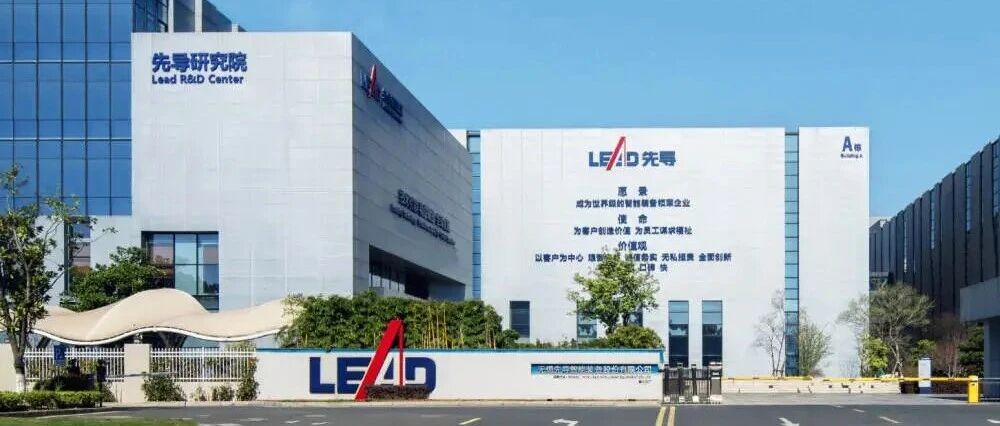
专访先导智能董事长王燕清:我们不是在追赶,而是定义下一代技术
2 1 Shi Ji Jing Ji Bao Dao· 2025-12-31 00:17
Core Viewpoint - The lithium battery industry is entering the "TWh era," marking a significant shift in production capacity and demand, with major players ramping up their capacity planning to meet this new standard [1][2]. Group 1: Industry Trends - By 2025, global demand for power batteries is expected to exceed 1300 GWh, with the energy storage market also experiencing explosive growth [2]. - The competition in the "TWh era" is not just about individual companies but rather a test of the resilience of the entire industry chain [2][3]. - The shift from scale competition to a restructured competitive logic is a key change in the lithium battery industry [3]. Group 2: Company Strategy - The company has established a "turnkey" solution capability across the entire value chain, which enhances customer loyalty and creates a significant barrier to entry for competitors [5]. - The company is focused on "extreme manufacturing," leveraging data-driven approaches, AI empowerment, and flexible automation to overcome challenges related to scale, efficiency, and quality [5]. - The company has formed deep partnerships with top global battery manufacturers, engaging in joint R&D to ensure that its products meet market demands [7]. Group 3: Competitive Advantages - The company benefits from a large delivery scale, which provides advantages in supply chain negotiations, core component self-research, and cost control [8]. - The company emphasizes a "platformization" strategy, a robust R&D innovation system, and global localized service capabilities as its core competitive strengths [8]. - The company is proactively defining next-generation technologies, such as solid-state battery equipment, to maintain its leading position in the market [8]. Group 4: Market Positioning - The company advocates for a shift from price competition to a "value war," focusing on total cost of ownership (TCO) rather than just equipment purchase prices [9]. - The company aims to avoid low-end capacity competition by targeting high-tech, high-barrier markets such as solid-state batteries and large-capacity energy storage [9]. - The company is expanding its global presence to seek new growth opportunities, emphasizing the importance of technology stability and delivery capability in overseas markets [9]. Group 5: Financial Performance - In the first half of 2025, the company's overseas business generated revenue of 1.154 billion yuan, with a gross margin of 40.27%, surpassing the overall business gross margin [10]. - The company is actively participating in the formulation of national and international industry standards to promote the standardization and modularization of equipment manufacturing [10].
21专访|先导智能王燕清:我们不是在追赶,而是定义下一代技术
2 1 Shi Ji Jing Ji Bao Dao· 2025-12-24 11:28
Core Insights - The lithium battery industry is entering the "TWh era," with global demand for power batteries expected to exceed 1300 GWh by 2025, alongside explosive growth in the energy storage market [1] - The competition in the "TWh era" is not just about individual companies but the resilience of the entire industry chain [1] Group 1: Industry Dynamics - The shift to the "TWh era" signifies a reconstruction of competitive logic, moving beyond mere capacity growth to a focus on efficiency and quality [5] - In the past decade, lithium battery companies competed primarily on scale, with rapid factory construction and production line deployment being key to gaining market share [6] - The new challenges in the "TWh era" require manufacturers to achieve capacity increases within limited space and labor constraints, necessitating a departure from traditional production line replication [8] Group 2: Company Strategy - The company has established a "full value chain" capability for "turnkey delivery," creating a competitive moat [7] - The company emphasizes "extreme manufacturing" to address the challenges of scale, efficiency, and quality, relying on data-driven decision-making, AI empowerment, and flexible automation [8] - The use of digital twin technology allows for significant efficiency improvements, with equipment delivery efficiency potentially increasing by 50% and overall equipment effectiveness (OEE) improving by 35% [8] Group 3: Collaborative Innovation - The company has formed joint R&D mechanisms with top global battery enterprises, allowing for collaborative innovation from the initial design phase [9] - This deep collaboration ensures that the company's products are precisely aligned with market demands [9] Group 4: Competitive Barriers - The company leverages its large delivery scale to gain advantages in supply chain negotiations and cost control [10] - The core competitive strengths are summarized as platform reuse capabilities, a robust R&D innovation system, and localized global service capabilities [10] Group 5: Technological Leadership - The company aims to define next-generation technologies rather than merely catch up, with early investments in solid-state battery equipment and other advanced technologies [11] - Key factors for the industrialization of solid-state batteries include manufacturing processes, equipment efficiency, and cost control [11] Group 6: Market Positioning - The company advocates for a shift from price competition to a "value war," focusing on total cost of ownership (TCO) rather than just equipment purchase prices [12] - By targeting high-tech, high-barrier markets such as solid-state batteries, the company avoids low-end capacity competition and positions itself for future market leadership [12] - The company is expanding its global presence to tap into higher-quality orders, moving away from domestic price wars [12] Group 7: Financial Performance - The company's overseas business generated revenue of 1.154 billion yuan in the first half of 2025, with a gross margin of 40.27%, surpassing the overall business margin [13] - The company is actively involved in setting national and international industry standards to promote the development of standardized and modular manufacturing [13]

先导智能王燕清:我们不是在追赶,而是定义下一代技术
2 1 Shi Ji Jing Ji Bao Dao· 2025-12-24 11:17
Core Viewpoint - The lithium battery industry is entering the "TWh era," with global demand for power batteries expected to exceed 1300 GWh by 2025, alongside explosive growth in the energy storage market [2] Group 1: Industry Dynamics - The competition in the "TWh era" is not just about individual companies but the resilience of the entire industry chain [3] - The biggest change in the lithium battery "TWh era" is the restructuring of competitive logic, moving beyond mere capacity growth [4] - Over the past decade, lithium battery companies have focused on scale competition, with rapid factory construction and production line deployment being key to gaining an advantage [5] Group 2: Company Strategy - The company has established a first barrier with its "full value chain delivery" capability, enhancing customer loyalty through "turnkey" solutions in non-standard automation [6] - The company is addressing the "impossible triangle" of scale, efficiency, and quality through "extreme manufacturing," emphasizing data-driven decision-making, AI empowerment, and flexible automation [7] - The company collaborates with top global battery enterprises from the initial design phase to ensure its products meet market demands [8] Group 3: Competitive Advantages - The company leverages its large delivery scale for supply chain negotiation, core component self-research, and cost control, allowing it to respond effectively to market competition [9] - The core competitive advantages are summarized as the reuse capability of the "platform strategy," a robust R&D innovation system, and localized global service capabilities [10] Group 4: Market Positioning - The company advocates for a shift from price competition to "value warfare," focusing on total cost of ownership (TCO) rather than just equipment purchase prices [11] - The company aims to avoid low-end capacity competition by targeting high-tech orders in advanced fields like solid-state batteries and large-capacity energy storage [12] - The company is expanding its global presence, with overseas business revenue reaching 1.154 billion yuan in the first half of 2025, reflecting a continuous increase and a gross margin of 40.27% [12] Group 5: Industry Standards and Innovation - The company is actively participating in the formulation of national and international industry standards, promoting the standardization and modularization of equipment manufacturing [12] - The company emphasizes the importance of protecting intellectual property to encourage a shift from price competition to technology-driven competition [13]
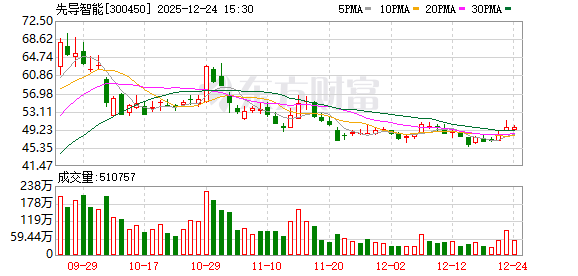
锂电确定性周期下,要做确定的事
高工锂电· 2025-11-30 09:35
Core Insights - The industry is expected to transition into a new phase of high-quality growth by 2025, moving away from the previous adjustment cycle [1] Group 1: Industry Trends - Market demand, cost competition, and globalization are identified as the three major trends in the lithium battery industry, emphasizing the need for companies to strengthen their internal capabilities and understand market dynamics to thrive in the new cycle [4] - The global competitive landscape is changing, prompting companies like Ruipu Lanjun to shift from a "global layout" to a "localized deep cultivation" strategy, establishing a "R&D + manufacturing + service" ecosystem in various regions [5] Group 2: Technological Advancements - Material performance improvements require systematic enhancements across three core levels: powder, particles, and lattice, rather than focusing on a single dimension [8] - The copper price has increased from 73,000 yuan/ton to 86,000 yuan/ton, with projections indicating a potential rise above 90,000 yuan. The transition from 6-micron to 4.5-micron copper foil is expected to save significant costs, with a net saving of 9.3 million yuan for 1GWh applications [9] Group 3: Manufacturing Innovations - The opening of the TWh era necessitates a focus on "extreme manufacturing" as the key to success [12] - Companies are leveraging AI not just as a tool for individual problem-solving but as a means to empower entire organizations, enhancing management, business efficiency, and collaboration [13]
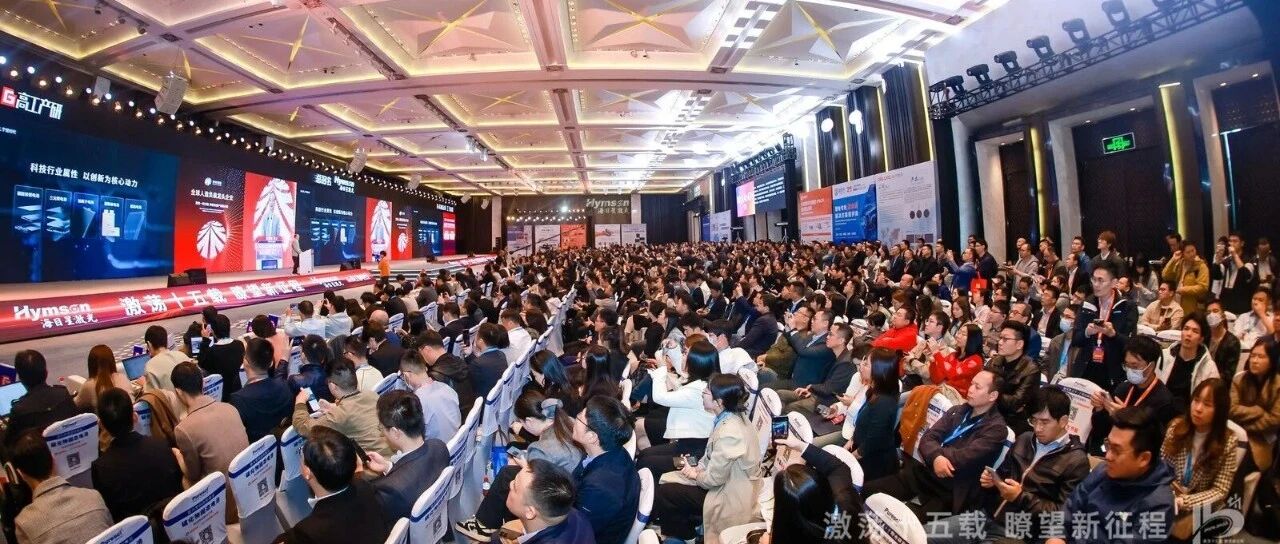
打造智能制造“升级版” AI赋能汽车全产业链 生产线“变身”智造岛
Yang Shi Wang· 2025-11-27 08:29
Core Viewpoint - The Ministry of Industry and Information Technology, along with five other departments, has officially announced the first batch of 15 leading intelligent factories in China, which represent the highest standards of intelligent manufacturing in the country and are expected to drive the transformation and upgrading of the entire manufacturing sector [1][4]. Group 1: Overview of Leading Intelligent Factories - The first batch of 15 leading intelligent factories spans key industries such as equipment manufacturing, raw materials, electronic information, and consumer goods, covering China's advantageous sectors and strategic emerging industries [4]. - These intelligent factories integrate new-generation information technology, advanced manufacturing technology, and lean management concepts, representing the pinnacle of intelligent manufacturing in China [4]. Group 2: Innovative Manufacturing Models - The leading intelligent factories are exploring future manufacturing models around different aspects such as research and development, production, management, and services, leading to the formation of new models like shared manufacturing, extreme manufacturing, and island manufacturing [6]. Group 3: Case Study of Intelligent Vehicle Manufacturing - An intelligent vehicle manufacturing company in Liuzhou, Guangxi, has transformed its traditional assembly line into intelligent manufacturing islands, allowing for flexible production line reconfiguration based on demand [7][10]. - The company has implemented a layout with three major island groups and 16 process islands, enabling a modular approach to vehicle assembly [9]. Group 4: Efficiency Improvements - The company has achieved a full-process intelligent transformation using big data and AI, reducing the product development cycle from 420 days to 240 days and the product introduction cycle from 40 days to 15 days, while improving manufacturing efficiency by 30% and reducing vehicle body workshop changeover time by 67% [15]. Group 5: Future Development Initiatives - Starting in 2024, the Ministry of Industry and Information Technology and six other departments will launch a gradient cultivation action for intelligent factories, establishing a four-level cultivation system (basic, advanced, excellent, and leading) to explore future manufacturing models and create global benchmarks [17]. - Currently, China has over 7,000 advanced intelligent factories, with hundreds of factories reporting an average reduction of 29% in product development cycles, a nearly 22% increase in production efficiency, and a 20% reduction in carbon emissions after upgrades [19].
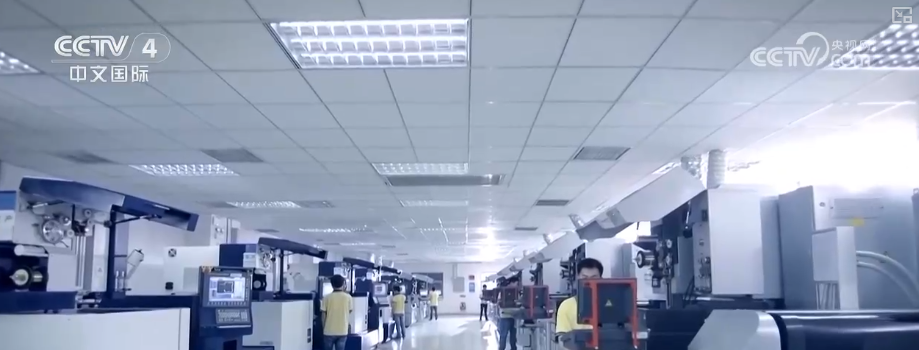
高工云看展③:产线工艺革新赋能锂电智造升级
高工锂电· 2025-05-26 11:01
Core Insights - The lithium battery industry is undergoing significant technological transformation, characterized by accelerated performance iteration on the demand side and increasingly stringent requirements for cost reduction at scale [2][3]. Group 1: Solid-State Battery Innovations - High Energy Manufacturing has introduced 14 core technologies aimed at the industrialization of solid-state batteries, including integrated preparation technology and high-quality dry electrode technology [4][5]. - The solid-state battery preparation technology utilizes automated equipment for both dry and wet processes, catering to diverse customer needs [5][6]. Group 2: Intelligent Manufacturing Solutions - Sikeqi showcased its complete production line solutions for lithium batteries, emphasizing intelligent manufacturing standards in energy storage [7][9]. - The company highlighted three core technology areas: precision detection systems, advanced laser application processes, and digital solutions that enhance management efficiency [10][11][12]. Group 3: Advanced Detection Technologies - Huashi Group presented innovations in battery detection equipment, focusing on high-speed and high-precision detection systems [13][15]. - The company’s products include a high-precision CT series and a CCD burr detection system, which enhance the quality control process in battery manufacturing [16][20]. Group 4: Equipment and Automation - Yifei Laser introduced a range of products aimed at upgrading lithium battery manufacturing, including intelligent laser processing systems and automated assembly lines [23][25]. - The company emphasized the integration of advanced technologies to improve production efficiency and product quality [26]. Group 5: Comprehensive Testing Solutions - Ruineng Co. showcased a full range of battery testing and automatic detection solutions, supporting various battery types and applications [34][36]. - The company’s innovations include a portable battery testing device designed for health assessment and secondary utilization in the after-market sector [37].

揭秘利元亨“海葵智造”
高工锂电· 2025-04-30 10:39
6月会议预告 2025高工钠电 产业峰会 主办单位: 高工钠电、高工产业研究院(GGII) 总冠名: 众钠能源 会议时间: 6月9日 会议地点: 苏州香格里拉大酒店(苏州虎丘区塔园路168号) 2025高工固态电池 技术与应用峰会 主办单位: 高工锂电、高工储能、高工产业研究院(GGII) 总冠名: 利元亨 会议时间: 6月10日 会议地点: 苏州香格里拉大酒店(苏州虎丘区塔园路168号) 海葵智造:以技术为基,定义数智化新范式 作为利元亨旗下专注于智能制造数字化服务的核心平台,海葵智造基于 16 年智能制造项目交付经验, 深度融合 AI 视觉、大数据、云平台、数字孪 生、边缘计算、控制技术六大核心技术,打造了 4 大技术平台( HKAI 算法平台、 HCK 海葵云、 HKTW 孪生技术平台、 HKDC 数据中心),围绕 研发、采购、生产、质检、售后维保、项目管理、园区管理等业务场景,推出 " 软硬一体、全链协同 " 的海葵智造整体解决方案。 其核心目标,是 通过标准化、信息化、数字化、智能化的深度融合,赋能企业实现 " 人、机、料、法、环、测 " 的全要素升级,最终达成 " 极限制造 " 的战略目 标。 核 ...

专访丨华冠科技:巩固全球新能源智能装备领域的领导地位
起点锂电· 2025-02-18 10:32
倒计时10天 2025起点锂电圆柱电池技术论坛 暨圆柱电池20强排行榜发布会 活动主题: 聚集新 技术 探索新工艺 主办单位: 起点锂电、起点研究院(SPIR) 活动时间: 2025年2月28日 活动规模: 500+人 近年来,锂电产业结构性产能过剩、扩产退潮,国内锂电设备验收节奏放缓、下游客户需求下降及企业降本压力传导,设备企业面临不小困 境。 但同时,在智能制造、极限制造理念下,锂电产线"掀动"效率革命。产线优化升级为不少设备企业带来新的机遇。 此外,大圆柱电池产业化正催生新的设备需求。据起点研究院(SPIR)统计,2024年1-9月全球圆柱电池出货量达到115亿只,其中32/40/46系等 大圆柱电池增速超50%。 且据起点锂电调研,全极耳圆柱电池会是不少头部企业2025年产线改造、新增产能的重点方向。 面对行业周期困境,作为锂电设备行业的先驱和领军者,华冠科技正迎面而上,展现出向上的韧性和决心。据 华冠科技总经理程聪 透露,得益 于战略方向和产品服务紧跟技术发展方向,24年公司销售订单相比23年稳步增长,装配线和模组PACK线成为公司新的业务增长点。 01 活动地点: 深圳宝安登喜路国际酒店2楼国际厅 ...