AI驱动的数云融合

Search documents
神州数码(000034):持续加码AI业务,发布2025员工持股计划彰显未来发展信心
Haitong Securities International· 2025-11-28 12:35
Investment Rating - The report maintains an "Outperform" rating for the company, with a target price of RMB 55.97, reflecting a potential upside of 33% [1][8]. Core Views - The company is focusing on its AI-driven cloud integration strategy, which is expected to enhance its growth potential in the AI era. The report highlights the company's ongoing partnerships with major internet firms, which are seen as beneficial for leveraging data and algorithm strengths [3][10]. - The projected EPS for 2025-2027 is RMB 1.31, 2.00, and 2.33 respectively, with a 2026 average PE of 36.31X for comparable companies, justifying a PE of 28X for the company [1][8]. Financial Summary - Total revenue for 2023 is projected at RMB 119.624 billion, with a growth rate of 3.2%. Revenue is expected to reach RMB 145.485 billion in 2025, reflecting a 13.5% increase [2][7]. - Net profit attributable to shareholders is forecasted to be RMB 1.172 billion in 2023, decreasing to RMB 753 million in 2024, but recovering to RMB 1.684 billion by 2027 [2][7]. - The company reported a revenue of RMB 1023.65 billion in the first three quarters of 2025, with a year-on-year growth of 11.79%, while net profit attributable to shareholders was RMB 670 million, down 25.01% year-on-year [4][9]. Strategic Initiatives - The company has announced a 2025 employee stock ownership plan, which aims to raise up to RMB 360 million and reflects confidence in future growth. The plan includes up to 945 participants and a purchase price of RMB 36.87 per share [4][9]. - Strengthening partnerships with major internet companies like ByteDance and Tencent is a key focus, with collaborations aimed at expanding business opportunities and leveraging global platform advantages [4][10].

660亿对外担保、176亿有息负债,神州数码资金链承压
Di Yi Cai Jing· 2025-11-02 13:01
Core Viewpoint - Digital China is facing a liquidity crisis, uncertainty in control, and transformation challenges, as indicated by its financial performance and governance issues [1][8]. Financial Performance - In the first three quarters of 2025, Digital China reported a revenue increase of 11.79% year-on-year to 102.365 billion yuan, but net profit attributable to shareholders fell by 25.01% to 670 million yuan [1]. - The company has experienced a trend of increasing revenue without corresponding profit growth, with net profit declining significantly despite rising sales [2]. - Credit impairment losses surged by 244% year-on-year to 129 million yuan, significantly impacting net profit [2]. Liquidity and Debt Situation - As of the end of Q3 2025, Digital China had interest-bearing liabilities of 17.6 billion yuan and short-term borrowings of 12.761 billion yuan, with cash on hand only 6.574 billion yuan [1][6]. - The company’s operating cash flow turned negative at -791 million yuan, indicating a severe cash flow issue [4][6]. - Digital China has a high reliance on bank financing, with over 45% of total liabilities being interest-bearing, leading to substantial interest expenses that consumed 54.5% of net profit in Q3 2025 [6]. Control and Governance Issues - The ongoing divorce case of the company's actual controller, Guo Wei, raises concerns about governance stability, which could affect credit evaluations by banks [8][9]. - If the divorce results in a significant share redistribution, Guo Wei's control over the company could diminish, leading to potential instability in management and operations [9]. Business Model and Profitability - Digital China’s business model heavily relies on IT distribution, which accounts for over 95% of its revenue but has a low gross margin of only 2.7% [5]. - The company has struggled to transition to higher-margin businesses, with its AI-driven initiatives yielding limited results so far [3][4]. - The increasing pressure from bad debt provisions and declining profitability in core operations has strained the company's financial health [4][5].
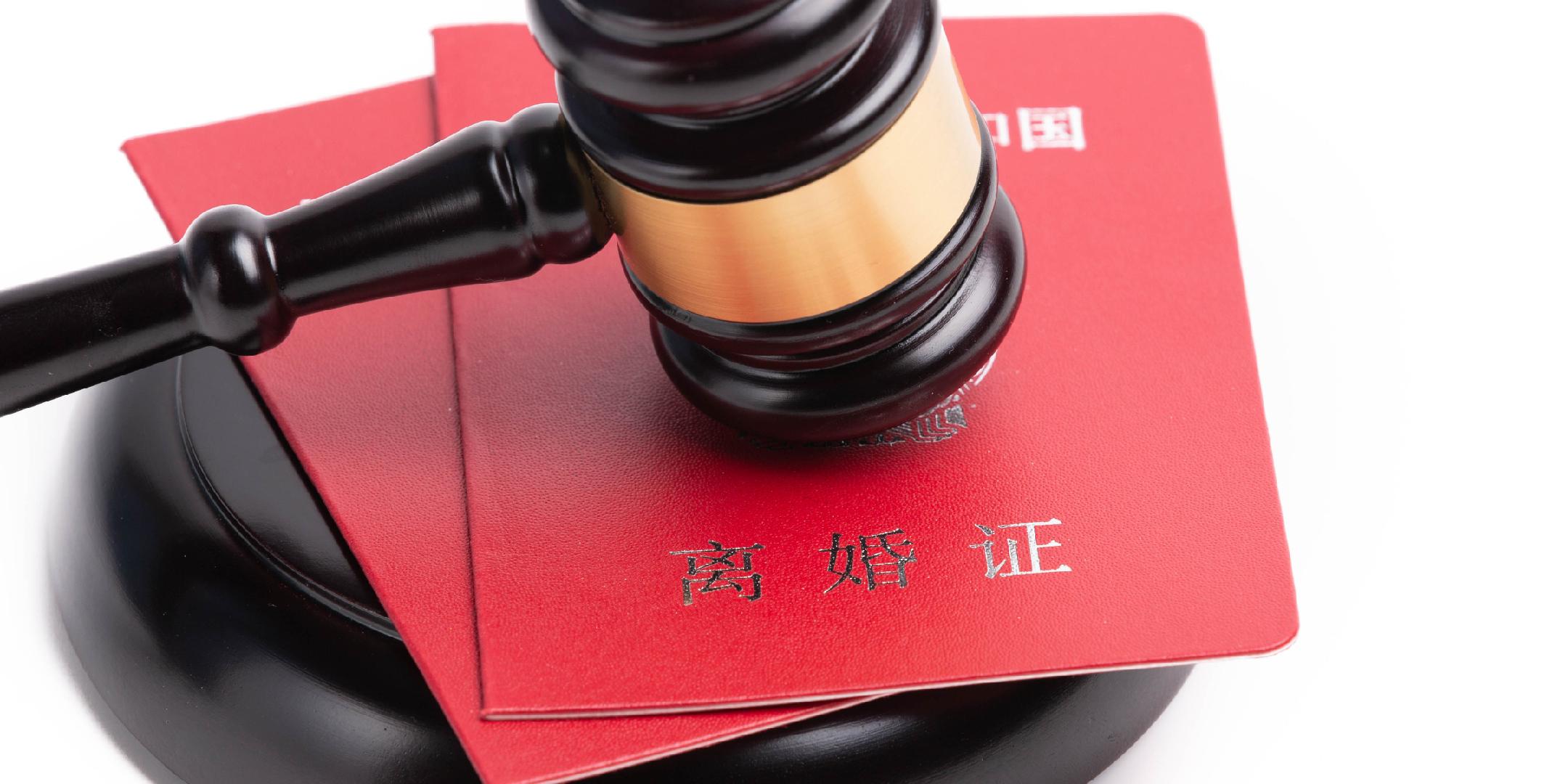
A股天价离婚案!近34亿元股份待分割,牵动老牌IT巨头控制权
Sou Hu Cai Jing· 2025-10-12 16:20
Core Viewpoint - A high-profile divorce case involving a market value of nearly 3.4 billion yuan is poised to impact the future control dynamics of Digital China Holdings Limited (神州数码) [1][3] Group 1: Divorce Case Details - The divorce case between the controlling shareholder Guo Wei and Guo Zhengli was ruled by the Beijing Haidian District People's Court, allowing the divorce but leaving property division unresolved [3][5] - Guo Wei's shares in Digital China, totaling 77.39 million shares, are frozen, representing 50% of his holdings and 11.56% of the company's total shares, with a market value of approximately 3.394 billion yuan based on the October 10 closing price of 43.86 yuan per share [3][6] - This divorce case is noted as the highest-value divorce case in the A-share market for 2025 [3] Group 2: Control and Ownership Implications - As of June 30, 2025, Guo Wei holds 21.49% of Digital China, making him the largest shareholder, while the second-largest shareholder, China New Era Limited, holds only 4.65% [5][6] - If the frozen shares are divided, Guo Zhengli could become the second-largest shareholder, significantly increasing her stake, while Guo Wei's ownership would drop to 10.74% [6][7] - Digital China acknowledged the uncertainty regarding potential changes in actual control due to the ongoing litigation [7] Group 3: Company Performance and Strategic Direction - In the first half of 2025, Digital China reported revenue of 71.59 billion yuan, a year-on-year increase of 14.4%, but net profit fell by 16.3% to 426 million yuan, indicating a trend of revenue growth without profit increase [8][11] - The company's IT distribution and value-added services have a gross margin below 3%, while the growth rate of its cloud services and software business has slowed from 62.7% to 14.1% [8][11] - Digital China is investing heavily in its "AI-driven cloud integration" strategy, which has led to increased R&D expenditures, impacting short-term profitability [8][10] - AI-related business revenue reached 13.332 billion yuan in the first half of 2025, reflecting a 56% year-on-year growth, although the management noted that AI commercialization is still in the trial phase, leading to inevitable short-term profit pressure [10][11]


A股再现天价离婚,分手费近34亿
2 1 Shi Ji Jing Ji Bao Dao· 2025-10-11 11:33
Core Viewpoint - The divorce case of the actual controller of Digital China, Guo Wei, may lead to a significant change in the company's control due to the ongoing asset division process [1][4][5]. Group 1: Company Control and Ownership - Guo Wei directly holds 21.49% of Digital China, making him the largest shareholder and actual controller [4]. - As of January 27, 2025, 7,738,890 shares (50% of his holdings, 11.56% of total shares) were judicially frozen due to the divorce dispute, with a market value of approximately 3.394 billion yuan based on the closing price of 43.86 yuan per share on October 10 [4]. - If the shares are awarded to Guo Zhengli during the asset division, Guo Wei's ownership could drop to 10.74%, while Guo Zhengli could become the second-largest shareholder with over 10% ownership, potentially altering the control dynamics of Digital China [4][5]. Group 2: Financial Performance - Digital China reported a revenue of 71.59 billion yuan for the first half of 2025, a year-on-year increase of 14.4%, marking a historical high for the same period [6]. - However, the net profit attributable to shareholders was only 426 million yuan, a decline of 16.3% year-on-year, indicating a situation of "increased revenue but decreased profit" [6]. - The gross margin for the core IT distribution and value-added services has fallen below 3%, and the growth rate for cloud services and software has slowed from 62.7% to 14.1% year-on-year [6]. Group 3: Industry Context - The occurrence of high-value divorce cases among A-share listed companies has been increasing, with six cases reported in 2025 alone, involving equity divisions worth over 3 billion yuan [6][7].
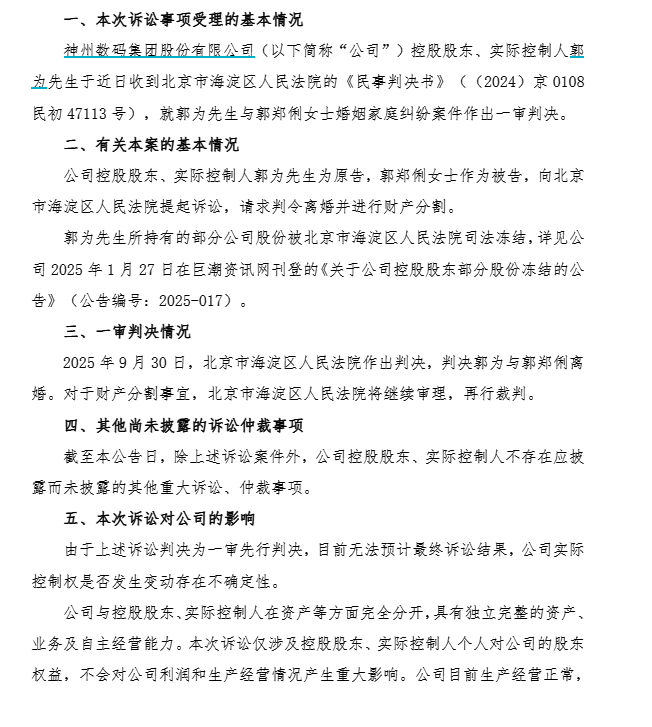
A股再现天价离婚,分手费近34亿
21世纪经济报道· 2025-10-11 11:29
Core Viewpoint - The divorce case of Guo Wei, the actual controller of Digital China (000034.SZ), may lead to a change in the company's control due to the ongoing property division dispute, which has significant implications for the company's governance and future direction [1][5]. Group 1: Company Control and Ownership - Guo Wei directly holds 21.49% of Digital China, making him the largest shareholder and actual controller [4]. - Due to the divorce, 7,738,890 shares (50% of his holdings, 11.56% of total shares) are judicially frozen until January 21, 2028, valued at approximately 3.394 billion yuan based on the October 10 closing price of 43.86 yuan per share [5]. - If the shares are awarded to Guo Zhengli, Guo Wei's ownership could drop to 10.74%, while Guo Zhengli could become the second-largest shareholder with over 10% ownership, potentially altering the control dynamics of Digital China [5]. Group 2: Financial Performance and Strategic Direction - Digital China reported a revenue of 71.59 billion yuan for the first half of 2025, a year-on-year increase of 14.4%, marking a historical high for the period; however, the net profit attributable to shareholders was only 426 million yuan, a decline of 16.3%, indicating a "revenue growth without profit increase" situation [6]. - The gross margin for the core IT distribution and value-added services has fallen below 3%, and the growth rate for cloud services and software has slowed from 62.7% in the previous year to 14.1% [6]. - The decline in net profit is attributed to increased R&D investments aimed at promoting the "AI-driven cloud integration" strategy [6]. Group 3: Industry Context - There has been a notable increase in high-value divorce cases among A-share listed companies, with six cases reported in 2025 alone, involving equity divisions worth over 3 billion yuan [6][7].

近34亿!A股再现“天价离婚案” 老牌IT巨头控制权或生变
2 1 Shi Ji Jing Ji Bao Dao· 2025-10-11 10:04
Group 1 - The core issue revolves around the divorce case of the actual controller of Digital China, Guo Wei, which has led to significant uncertainties regarding the company's control and ownership structure [2][5] - The court has granted the divorce but has yet to finalize the asset division, which could potentially alter the control of this established IT giant [2][5] - Guo Wei directly holds 21.49% of Digital China, and a portion of his shares (7,738,900 shares, approximately 33.94 billion yuan) is currently frozen due to the divorce proceedings [5] Group 2 - If the court awards the frozen shares to Guo Zhengli, Guo Wei's ownership could drop to 10.74%, while Guo Zhengli could become the second-largest shareholder with over 10% [5] - The company has indicated that the outcome of the asset division could lead to a significant change in its actual control [5] - Digital China is undergoing a critical transformation towards "AI-driven cloud integration," with a reported revenue of 71.59 billion yuan in the first half of 2025, marking a 14.4% year-on-year increase, but a net profit decline of 16.3% [5][6] Group 3 - The gross margin for Digital China's core IT distribution and value-added services has fallen below 3%, and the growth rate for cloud services and software has slowed from 62.7% to 14.1% [6] - The decline in net profit is attributed to increased R&D investments to support the strategic shift towards AI-driven cloud integration [6] - The trend of high-value divorce cases among A-share listed companies has been noted, with six cases since 2025 involving significant equity divisions [6][7]
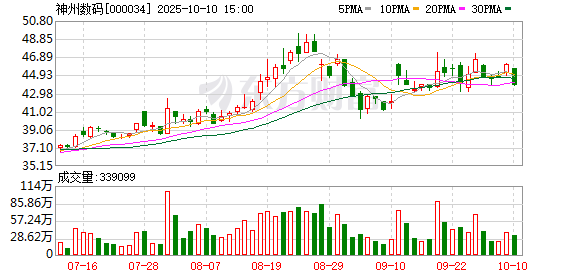
近34亿!A股再现“天价离婚案”,老牌IT巨头控制权或生变
2 1 Shi Ji Jing Ji Bao Dao· 2025-10-11 09:59
Core Viewpoint - The divorce case of the actual controller of Digital China, Guo Wei, may lead to a change in the company's control due to the ongoing property division dispute [1][4][5]. Company Summary - Digital China announced that Guo Wei holds 21.49% of the company's shares, making him the largest shareholder and actual controller [4]. - As of January 27, 2023, 7,738,890 shares (50% of his holdings, 11.56% of total shares) were judicially frozen due to the divorce dispute, with a market value of approximately 3.394 billion yuan based on the closing price of 43.86 yuan per share on October 10, 2023 [4]. - If the shares are awarded to Guo Zhengli during the property division, Guo Wei's shareholding could drop to 10.74%, while Guo Zhengli could become the second-largest shareholder with over 10% [4][5]. - The company is currently undergoing a critical transformation towards "AI-driven cloud integration," with a revenue of 71.59 billion yuan in the first half of 2025, a year-on-year increase of 14.4%, but a net profit of only 426 million yuan, down 16.3% year-on-year [5]. Industry Context - The trend of high-value divorce cases among A-share listed companies has been noted, with six companies experiencing similar situations since 2025, involving equity divisions worth over 3 billion yuan [5][6]. - Other companies, such as Yiyuan Communication and Zongheng Co., have also seen significant share divisions due to divorce, indicating a broader trend in the industry [6].
深夜公告实控人郭为离婚,神州数码迎来“关键时刻”
经济观察报· 2025-10-11 07:53
Core Viewpoint - The article discusses the significant issue of the actual control of Digital China (神州数码) amidst its ongoing transformation, which requires continuous investment and has already pressured profits due to a recent divorce case involving its controlling shareholder, Guo Wei [1][2][3]. Company Control and Shareholder Dynamics - On October 10, 2025, Digital China announced the first-instance judgment of Guo Wei's divorce, which did not clarify the property division but indicated that part of his shares had been judicially frozen [2][3]. - The frozen shares amount to 77,388,902, representing approximately 10.75% of Digital China's total share capital and half of Guo Wei's personal holdings [3][6]. - If these shares are divided, Guo Wei's ex-wife could become the second-largest shareholder, significantly impacting the company's decision-making structure [7][8]. Financial Performance and Strategic Investments - For the first half of 2025, Digital China reported revenues of 71.59 billion yuan, a year-on-year increase of 14.4%, but the net profit attributable to shareholders fell by 16.3% to 426 million yuan [5][10]. - The decline in profit is attributed to increased investments in research and development to seize opportunities in artificial intelligence (AI), with R&D spending rising by 10.6% to 210 million yuan [11][12]. - The company faces challenges with cash flow, having 5.346 billion yuan in cash against short-term borrowings of 10.219 billion yuan, indicating financial strain [12]. Business Model and Market Position - Digital China's primary revenue comes from IT distribution and value-added services, which contributed 95.5% of total revenue, but this segment has low profit margins, with a gross margin of only 2.7% [8][9]. - The company is transitioning towards AI-driven services, with AI-related business revenue reaching 13.332 billion yuan, a 56% increase year-on-year [20]. Strategic Direction and Leadership Changes - The management team, led by Wang Bingfeng, is focusing on the "AI-driven digital cloud integration" strategy, which aims to leverage AI technology for business transformation [19][20]. - Recent leadership changes, including the appointment of Wang Bingfeng as the legal representative, signal a shift in control and strategy execution during a critical transformation phase for the company [17][18]. - The company is exploring various avenues for growth, including self-owned AI servers and applications in finance and healthcare, while also considering overseas acquisitions [24].
深夜公告实控人郭为离婚,神舟数码迎来“关键时刻”
Jing Ji Guan Cha Wang· 2025-10-11 02:08
Core Viewpoint - The divorce case of the controlling shareholder and actual controller of Digital China, Guo Wei, has resulted in a court ruling that may impact the company's control structure and financial stability, as significant shares are frozen pending further legal proceedings [2][3][5]. Financial Performance - Digital China reported a revenue of 71.59 billion yuan for the first half of 2025, marking a year-on-year increase of 14.4%, but the net profit attributable to shareholders was only 426 million yuan, a decline of 16.3% [4][9]. - The company's revenue growth was primarily driven by its traditional IT distribution and value-added services, which contributed 68.39 billion yuan, accounting for 95.5% of total revenue [9]. - The gross profit margin for the IT distribution business was only 2.7%, reflecting a decrease compared to the previous year [9]. Strategic Focus - Digital China is increasing its investment in research and development to capitalize on opportunities in artificial intelligence (AI), with R&D spending rising by 10.6% to 210 million yuan in the first half of 2025 [10][11]. - The company is pursuing an "AI-driven cloud integration" strategy, which includes developing products like "Shenzhou Wenxue" and "Shenzhou Kuntai" to enhance AI capabilities for enterprises [21][23]. Shareholder Dynamics - Guo Wei's frozen shares amount to approximately 77.39 million shares, valued at around 3.4 billion yuan, representing about 10.75% of Digital China's total share capital [6][7]. - If these shares are divided in the divorce settlement, Guo Wei's ex-wife could become the second-largest shareholder, significantly altering the company's decision-making landscape [8]. Management Changes - Following the divorce ruling, Digital China has seen changes in its management structure, with Wang Bingfeng taking over as the legal representative, indicating a shift in leadership during a critical transformation phase for the company [18][19]. - The management team is focused on leveraging AI technology to drive future growth, despite the current challenges in profitability [20][26].
神州数码中报增收不增利,百亿元债务压顶
凤凰网财经· 2025-09-17 13:40
Core Viewpoint - The profitability of Digital China (神州数码) continues to be under pressure, with a net profit of 426 million yuan in the first half of the year, a year-on-year decline of 16.29% despite the implementation of an "AI-driven cloud integration" strategy [2]. Group 1: Business Performance - Digital China's main business segments include IT distribution and value-added services, proprietary brand products, and cloud services and software. The company has faced a situation of increasing revenue but declining profits over the past year [3]. - In 2024, the company's revenue and net profit are projected to be 128.166 billion yuan and 753 million yuan, respectively, reflecting a year-on-year change of 7.14% and -35.77% [3]. - In the first half of 2025, the company reported revenue of 71.59 billion yuan, a year-on-year increase of 14.4%, while net profit was 426 million yuan, down 16.3% [3]. - The IT distribution and value-added services business, which contributes over 90% of revenue, has a low gross margin of 2.7%, down 0.82 percentage points year-on-year [3][4]. Group 2: Revenue Breakdown - The IT distribution and value-added services business can be further divided into consumer electronics and enterprise value-added services, with revenues of 51.041 billion yuan and 17.35 billion yuan, showing year-on-year changes of 24.89% and -8.51%, respectively [4]. - Both segments experienced a decline in gross margins, with consumer electronics at 1.76% (down 0.38 percentage points) and enterprise value-added services at 5.54% (down 1.01 percentage points) [5]. - The cloud services and software business saw a significant slowdown in growth, achieving revenue of 1.64 billion yuan, a year-on-year increase of 14.1%, compared to 62.7% in the previous year [5]. Group 3: Financial Challenges - The company's net profit decline is attributed to increased R&D expenses, reduced government subsidies, and significant fair value losses [7][8]. - In the first half of 2025, R&D expenses reached 189 million yuan, up 11.19% year-on-year, while sales and management expenses also increased [7]. - The company's credit impairment losses surged by 513.7% year-on-year to 108 million yuan due to increased bad debt provisions [9]. - As of June 30, 2025, the company's debt ratio was 76.1%, with short-term loans of 10.219 billion yuan exceeding cash and cash equivalents of 5.446 billion yuan [9]. - The company has provided guarantees totaling 68.501 billion yuan for subsidiaries, raising concerns about financial stability [9]. Group 4: Shareholder Activity - The major shareholder, Sigma, has reduced its stake in the company through share transfers, decreasing its holding from 7.9% to 3.15% [10].