
CCUS

Search documents
Bkv Corporation(BKV) - 2025 Q4 - Earnings Call Transcript
2026-02-25 16:00
Financial Data and Key Metrics Changes - BKV reported a combined adjusted EBITDA of $109 million for Q4 2025 and $390 million for the full year, representing a 19% increase quarter-over-quarter and a 47% increase year-over-year [28] - Adjusted net income for Q4 2025 was $27 million or $0.29 per diluted share, while for the full year it totaled $122 million or $1.40 per diluted share [28] - Total capital expenditures were $102 million for Q4 2025 and $319 million for the full year, which was below the low end of the original guidance [28][29] Business Line Data and Key Metrics Changes - The upstream business achieved an 8% exit-to-exit organic production growth, with production outperforming guidance at 940 million cubic feet equivalent per day in Q4 2025 [13][16] - The carbon capture business secured a partnership with Copenhagen Infrastructure Partners for up to $500 million in joint investment opportunities, with a target of 1.5 million tons of CO2 injection per annum by 2028 [6][8] - The power business maintained a combined average capacity factor of 57% in Q4 2025 and 59% for the full year, generating over 7,600 gigawatt hours [25] Market Data and Key Metrics Changes - Power prices averaged $49.69 per megawatt hour in Q4 2025, with natural gas costs averaging $3.55 per MMBtu, resulting in an average quarterly spark spread of $24.54 per megawatt hour [26] - The average spark spread for the full year was $25.36, up over 15% compared to the prior year, indicating growing power demand in ERCOT [26] Company Strategy and Development Direction - BKV's strategy integrates natural gas production, power generation, and carbon capture into a closed-loop platform, positioning the company to meet evolving energy market needs [33] - The company is focused on enhancing its power joint venture, which is expected to improve earnings and cash flow while pursuing long-term power purchase agreements (PPAs) [33] - BKV aims to leverage its position in Texas to attract significant investments in data centers and infrastructure, capitalizing on the growing demand for low-carbon energy solutions [11] Management's Comments on Operating Environment and Future Outlook - Management expressed confidence in the company's ability to create long-term, risk-adjusted shareholder value, citing strong momentum and a clear line of sight to growth [34] - The company anticipates continued strong performance from its upstream operations, supported by the integration of recently acquired assets [19][20] - Management highlighted the importance of regulatory developments in Texas, which are expected to promote investments in the power grid and enhance project viability [51][52] Other Important Information - BKV's total debt at year-end was $500 million, with a net leverage ratio of 0.9 times and cash and cash equivalents totaling $199 million [29] - The company is actively managing its gas marketing strategy, with plans to enhance margins as contracts expire over the next few years [85] Q&A Session Summary Question: Can you elaborate on the strategic power growth CapEx? - Management indicated that the power investments are strategic and necessary for establishing a private use network, which includes infrastructure investments that will be recovered over the life of contracts [36][37] Question: What are the financial implications of the CCS business? - Management noted that the CCS business is expected to generate EBITDA in the range of $48 per ton, with confidence in raising the CO2 injection target due to increased commercial interest [42][43] Question: How is the private use network setup impacting PPA discussions? - Management confirmed that the private use network is designed to connect back to the grid, optimizing capital expenditures and addressing transmission congestion issues [49][50] Question: What is the timeline for the Comstock deal and associated CapEx? - Management expects to begin injecting CO2 in 2028, with the majority of CapEx spent in the last 12 months before injection [55][56] Question: Can you clarify the structure of the PPA for the Temple plant? - Management explained that a PPA would likely cover about half of the Temple plant's capacity, with the remainder sold into merchant markets, structured similarly to long-term LNG contracts [62][63]
Bkv Corporation(BKV) - 2025 Q4 - Earnings Call Presentation
2026-02-25 15:00
BKV Corporation Investor Presentation February 2026 Important Notice and Disclaimer BKV Corporation Forward-Looking Statements. This presentation includes "forward-looking statements" within the meaning of the Private Securities Litigation Reform Act of 1995. Forward-looking statements, which are not historical facts, include statements regarding BKV's strategy, future operations, financial position, estimated revenue and losses, projected costs, prospects, plans and objectives of management and often conta ...
北京经开区接到“零碳KPI”,如何建成零碳园区?
2 1 Shi Ji Jing Ji Bao Dao· 2026-02-11 03:49
Core Insights - The Beijing Economic-Technological Development Area (BDA) aims to establish around 100 national-level zero-carbon parks during the 14th Five-Year Plan, with a focus on the new energy and intelligent connected vehicle industries [1][3] - A significant challenge is the current carbon emission intensity of 1.6 tons of CO2 per ton of standard coal, which is far above the national requirement of 0.2 tons [2][4] - The BDA plans to implement an AI-powered energy-carbon management platform to optimize energy and carbon flow management [1][10] Group 1: Current Challenges - The BDA's carbon emission intensity must decrease from 1.6 to 0.2 tons of CO2 per ton of standard coal, requiring a reduction of approximately 140,000 tons of carbon emissions over three years [2][4] - The energy consumption in the core area is projected to reach 303 million tons of standard coal in 2024, a 4.75% increase from the previous year, primarily due to the production of Xiaomi vehicles [2][3] - The BDA's carbon emissions decreased by 24.61% during the 13th Five-Year Plan, with a current energy structure of 75% electricity and 25% natural gas [2][3] Group 2: Renewable Energy Supply Issues - The BDA faces a critical challenge in sourcing renewable energy, as local generation meets less than 5% of its electricity needs, while the zero-carbon park requires at least 50% direct renewable energy connection [6][7] - Plans to import green electricity from Inner Mongolia and Hebei are complicated by long transport distances and technical challenges [6][7] - Projects such as agricultural solar power bases and biomass waste-to-energy initiatives are being explored to enhance local green electricity supply [6][7] Group 3: Cost and Infrastructure Challenges - The cost of replacing fossil fuels poses a significant challenge, with projected electricity consumption expected to double by 2028 due to expansions by companies like Xiaomi and CATL [7][8] - The BDA aims to reduce natural gas consumption from 27.72% to 10.67% by 2028, but the high costs of electric boilers compared to gas boilers hinder this transition [7][8] - The approval process for large-scale energy storage projects has stalled, impacting the ability to stabilize the grid with renewable energy [8][9] Group 4: Strategic Roadmap - The BDA has outlined a three-step roadmap from 2026 to 2028, focusing on energy efficiency improvements, green electricity initiatives, and the development of an AI-driven energy-carbon management platform [10][11] - The year 2026 will focus on energy-saving preparations and pilot projects, while 2027 will emphasize breakthroughs in green electricity connections [10][11] - By 2028, the goal is to integrate energy-saving and carbon reduction with industrial development, achieving the core carbon emission target [10][11]

中电联预计26年用电增速5%-6%,2月代理购电价整体下行
GOLDEN SUN SECURITIES· 2026-02-08 11:35
Investment Rating - The report maintains an "Accumulate" rating for the industry [2] Core Insights - The China Electricity Council forecasts a 5%-6% growth in electricity consumption for 2026, with a significant decline in proxy electricity prices in February [5][12] - Over 80% of provinces and cities reported a year-on-year decrease in proxy electricity prices in February, with Jiangsu, Inner Mongolia, and Liaoning experiencing the largest declines of 29.3%, 25.6%, and 23.1% respectively [5][14] - The report anticipates that by the end of 2026, the installed capacity of solar power will exceed that of coal power for the first time, with renewable energy sources accounting for half of the total installed capacity [5][14] Summary by Sections Industry Outlook - The report predicts that by 2026, the total installed capacity of renewable energy will reach half of the total installed capacity, with solar power surpassing coal power for the first time [5][14] - The total electricity consumption in China is expected to be between 10.9 and 11 trillion kilowatt-hours, reflecting a year-on-year growth of 5%-6% [5][14] Investment Trends - In January 2026, the State Grid completed fixed asset investments of 30.8 billion yuan, a year-on-year increase of 35.1% [6][14] - The Southern Power Grid plans to invest over 24 billion yuan in the first quarter of 2026, marking a year-on-year increase of over 20% [7][14] Proxy Electricity Prices - The report highlights that proxy electricity prices have generally decreased, with significant drops in various regions, indicating a more favorable supply-side environment [5][14] Key Companies and Recommendations - The report suggests focusing on high-dividend coal-fired power leaders and companies with stable electricity prices and integrated coal power operations, such as Huaneng International and Huadian International [8][14] - It also recommends monitoring companies in the wind and solar sectors, including Xintian Green Energy and Longyuan Power [8][14]





从“能不能捕”到“更好捕”!12项CCUS新国标落地,2026年7月1日正式实施
Zhong Guo Neng Yuan Wang· 2026-02-07 04:08
Core Viewpoint - The recent approval of 12 national standards for Carbon Capture, Utilization, and Storage (CCUS) by the National Market Supervision Administration marks a significant advancement in the standardization of CCUS technology, which is crucial for achieving China's dual carbon goals [1][2]. Group 1: National Standards and Implementation - The new national standards will be fully implemented starting July 1, 2026, and cover critical technical routes such as carbon capture from thermal power, long-distance pipeline transportation, saline aquifer storage, and enhanced oil recovery [1]. - The standards aim to provide a systematic framework for CCUS project planning, design, construction, operation, and management, thereby supporting the orderly and healthy development of the CCUS industry [1][2]. Group 2: Industry Development and Technological Progress - China's CCUS technologies have made significant progress, with over 120 planned and operational demonstration projects across various sectors, including power, oil and gas, chemicals, cement, and steel, with operational projects accounting for more than half [2]. - The total carbon capture capacity is approximately 9.4 million tons per year, while injection capacity stands at about 5.9 million tons per year, indicating a maturing capability for large-scale engineering and operation [2]. Group 3: Standardization and Risk Management - The newly released standards cover all key processes in the CCUS value chain, establishing clear boundaries, processes, and methods for greenhouse gas emission reduction calculations [4]. - The standards address previous ambiguities and enhance the credibility of emission reductions by transitioning from self-reported data to third-party verifiable evidence chains [4][6]. Group 4: Approval Process Optimization - The standardization of the approval process is expected to reduce inconsistencies and expedite the review timeline, potentially decreasing approval time by 30% if the number of review rounds is reduced by 1 to 2 [5]. - The shift towards standardized approvals will facilitate better resource allocation and improve industry collaboration [5]. Group 5: Market and Technological Synergy - The establishment of foundational technical principles and practical frameworks for emission reduction calculations is crucial for the normative development of the industry, although challenges remain [6]. - The Ministry of Ecology and Environment is actively promoting methodological research to integrate CCUS projects into voluntary emission reduction trading mechanisms, which will support cost optimization in the CCUS industry [6][7]. Group 6: Competitive Landscape and Future Directions - With the standardization of key performance indicators, competition among companies is expected to shift from merely capturing carbon to achieving lower energy consumption and more stable operations [7]. - The focus on developing large-scale, clustered projects leveraging carbon networks is anticipated to reduce unit costs, while long-term cost reductions will depend on technological innovations [7].
我国首个!取得重要进展
中国能源报· 2026-02-06 01:10
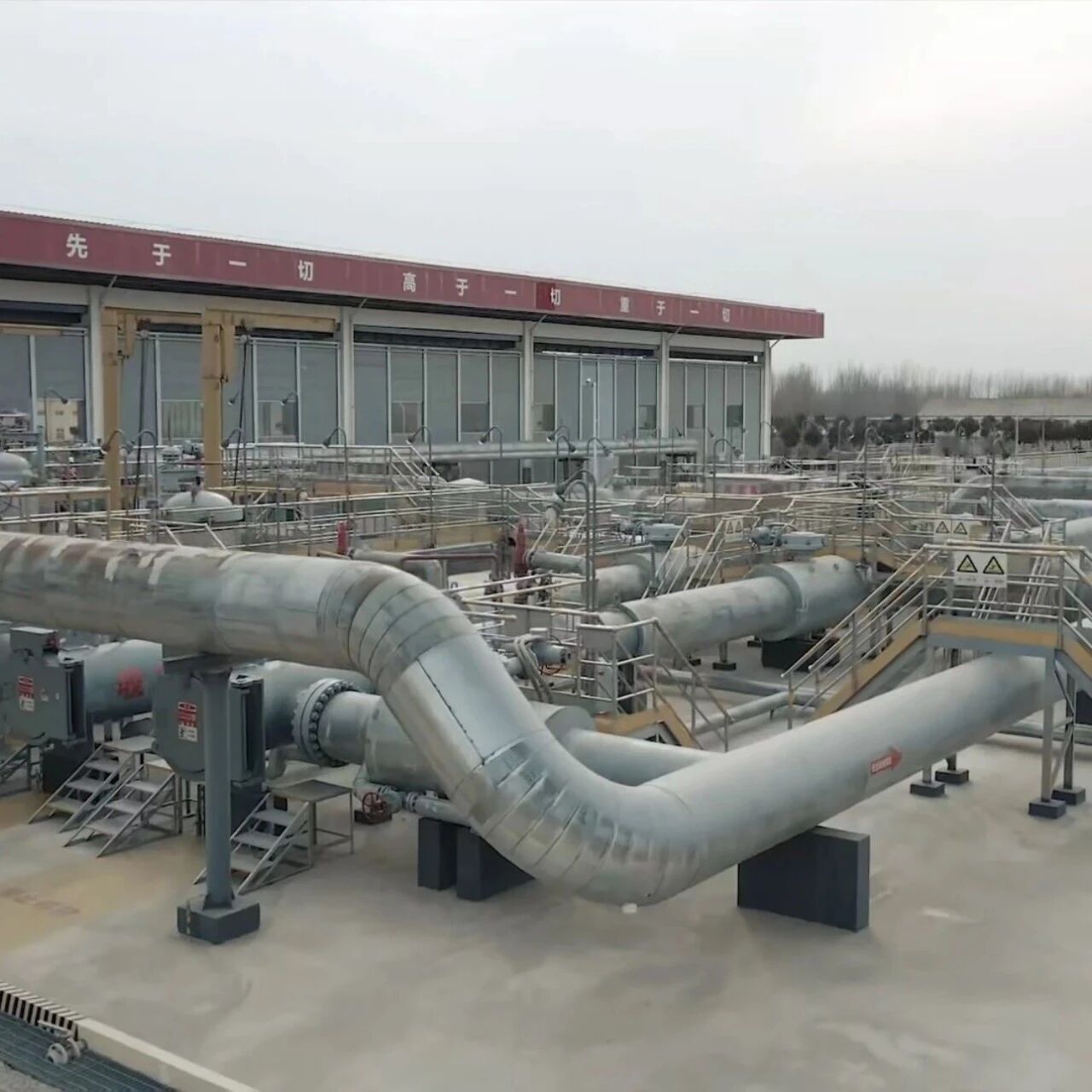
我国完成首个长输管道改输二氧化碳现场试验。 随着"双碳"目标深入推进,我国降碳成果显著,但受产业结构和能源需求影响,二氧化碳 年排放总量仍高达上百亿吨。碳捕集、利用与封存产业的规模化应用,关键在于构建长距 离、安全、经济的二氧化碳输送体系,而存量长输管道改造正是破解这一难题的重要方 向。 此次试验的成功完成,实现了我国在该领域的并跑跨越,为我国能源产业绿色转型开辟了 新路径,将有力支撑CCUS从示范应用迈向规模化发展,推进早日实现"双碳"目标。 来源:央视新闻客户端 End 欢迎分享给你的朋友! 出品 | 中国能源报(c n e n e rg y) 2月5日从国家管网集团获悉, 国内首个长输管道改输二氧化碳现场试验在河南濮阳顺利 完成 ,标志着我国在存量长输管道资源化利用领域完成从理论研究到工程实践的关键跨 越,为碳捕集、利用与封存产业规模化推进提供了可复制、可推广的工程示范。 国内首个长输管道改输二氧化碳现场试验,在停输管道开展。工作人员通过系统开展改输 适 应 性 评 价 和 全 面 安 全 改 造 , 将 二 氧 化 碳 经 21 公 里 停 输 管 道 和 6 公 里 新 建 高 压 柔 性 复 合 ...
“双碳”快报:2025年度上海产业绿色转型和发展十件大事
Xin Lang Cai Jing· 2026-02-03 12:47
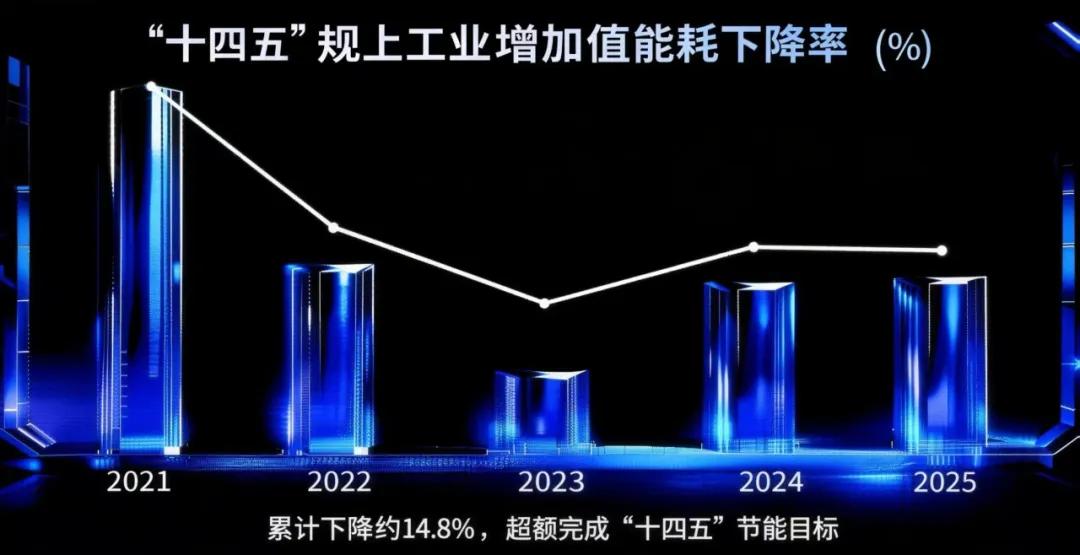
Group 1 - The core objective of the "14th Five-Year Plan" for the industrial communication sector in Shanghai is to achieve energy conservation and carbon reduction, with significant progress made in energy audits and diagnostics, resulting in a total energy saving of 125,000 tons of standard coal [1][3][21] - Shanghai has established a local carbon footprint accounting system and is advancing the construction of green and low-carbon supply chains, with over 160 companies completing carbon footprint reports [4][6][26] - By the end of the "14th Five-Year Plan," Shanghai has created 196 national-level green factories and 17 national-level green supply chain management enterprises, with a focus on zero-carbon manufacturing as an advanced form of green manufacturing [9][29][31] Group 2 - A new energy storage testing base has been established in collaboration with various institutions, aimed at bridging the gap between basic research and large-scale application [5][11][34] - The city is promoting a dual transformation of digitalization and greening, with numerous technologies compiled into a catalog to support the development of smart and green factories [6][13][35] - Policies have been introduced to optimize the business environment, allowing companies to access funding support without application, significantly reducing the cost of project submissions [7][16][37] Group 3 - The first "Green and Low-Carbon Exhibition" was held at the China Industry Fair, showcasing Shanghai's zero-carbon park construction and the latest developments in industrial green transformation [9][18][39] - The establishment of the Yangtze River Delta Offshore CCUS Industry Alliance aims to create a collaborative innovation system, with significant advancements in carbon capture technology [10][20][41]
我国CCUS全链条标准体系正加速形成
中国能源报· 2026-02-03 08:06
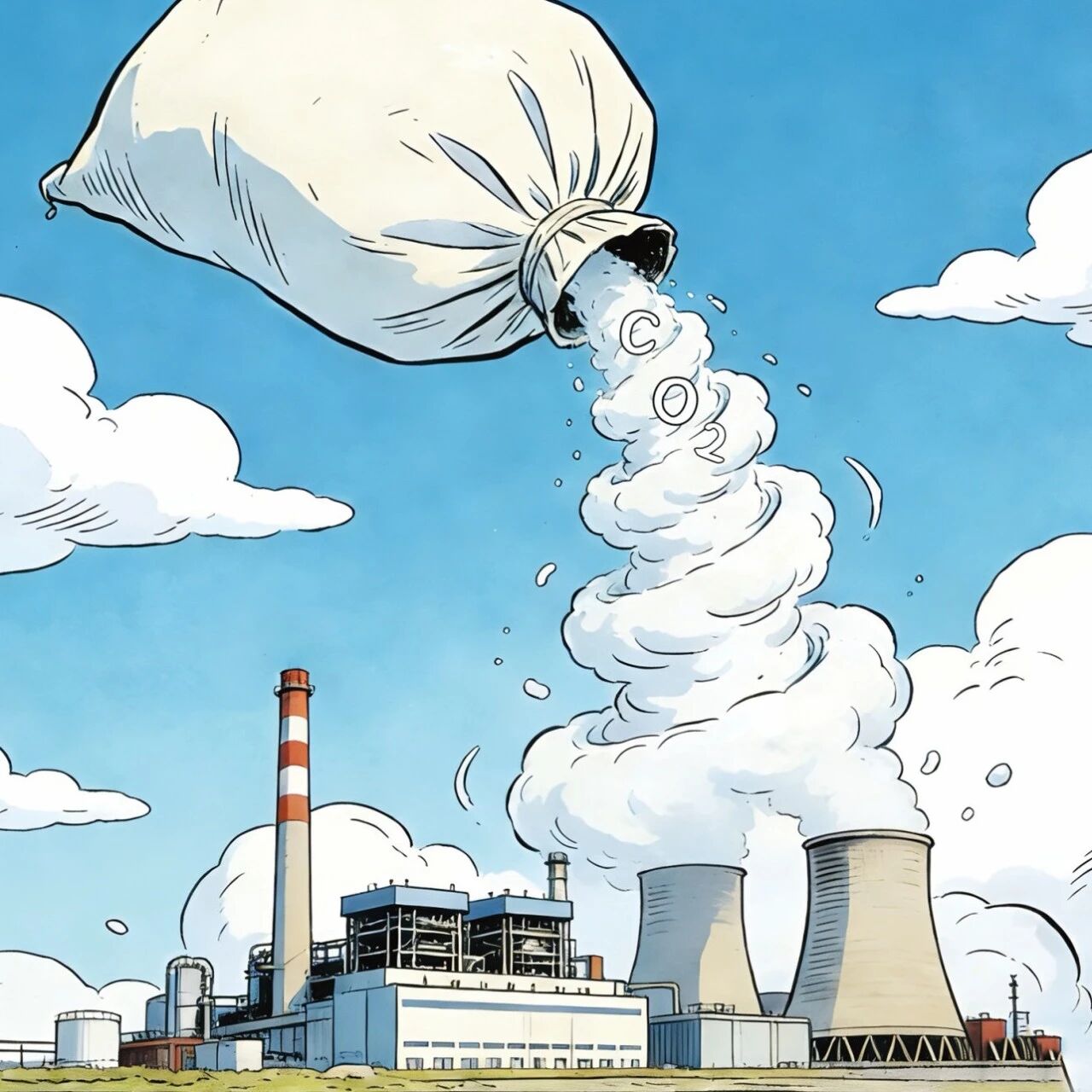
我国CCUS全链条标准体系正加速形成,国内标准建设与国际协同发展的积极趋势,可支撑我国相关行业不断开展能力建设和夯实基 础。 ▲图片由AI生成 作为推动"双碳"目标落地的关键技术,二氧化碳捕集利用与封存(CCUS)的标准化建设迎来关键进展。 近日,国家市场监督管理总局正式批准发布了12项CCUS国家标准。该系列标准将于2026年7月1日起全面实施。北京师范大学中国绿 色发展协同创新中心执行主任张九天在接受《中国能源报》记者采访时指出,本轮新国标"成体系性"地集中发布,纳入了社会高度关 注的技术路线如火电碳捕集、长输管道运输、咸水层封存、驱油封存,以及为确保项目质量和减排效果所必要的量化和检测,有助于填 补标准空白,为CCUS项目规划设计、建设运行、管理评估等提供必要依据,助力CCUS行业有序健康发展。这体现了我国CCUS全链 条标准体系正加速形成,以及国内标准建设与国际协同发展的积极趋势,可支撑我国相关行业不断开展能力建设和夯实基础。 关键环节全覆盖 进一步提升产业协同效率 从二氧化碳捕集、输送、封存等重要流程,到术语和减排量评估等基础环节,此次发布的12项国标实现了对CCUS全产业链关键环节 的覆盖,明确了 ...
兴欣新材:公司看好CCUS项目的市场发展前景
Zheng Quan Ri Bao· 2026-02-02 11:41
Group 1 - The company is optimistic about the market development prospects of CCUS projects [2] - The company's piperazine derivatives will facilitate the accelerated development of green and efficient solvents for carbon capture [2] - The company plans to develop and produce new green chemical products, including metal chelating agents and halogen-free flame retardants, based on piperazine rings [2] - The company aims to reasonably utilize CCUS devices to help expand its market [2]
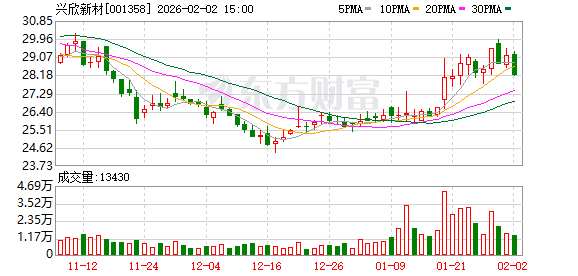
兴欣新材:公司锅炉烟气碳(CO )捕集工业级系统装置正式投入运行
Zheng Quan Ri Bao Wang· 2026-01-28 11:43
证券日报网1月28日讯,兴欣新材(001358)在接受调研者提问时表示,近日,公司锅炉烟气碳(CO)捕 集工业级系统装置正式投入运行,该系统主要服务于工业锅炉烟气CO捕集,适用于电力、钢铁、水 泥、石油化工等多个行业,最终将服务于CCUS全流程技术开发和工业验证。数据表明,该系统达到了 国内外同类先进水平,具有规模大,系统全,调节灵活,测试能力完备等特点。 ...