VLA技术路线

Search documents
“蔚小理”集体变阵,人事调整下的AI大模型之争
Zhong Guo Qi Che Bao Wang· 2025-11-04 11:39
Core Insights - The recent rapid executive changes at Xiaopeng, NIO, and Li Auto reflect an urgent shift towards AI large models in the autonomous driving sector, indicating a fierce competition among these companies [2][3][4] Group 1: Executive Changes and Organizational Restructuring - Xiaopeng Motors has appointed Liu Xianming, previously from Meta and Cruise, to lead its autonomous driving center, signaling a strong commitment to AI large models [3] - NIO has seen the departure of key figures in its AI team, including Bai Yuli and Huang Xin, and is restructuring to focus on "World Model 2.0" [3][4] - Li Auto has restructured its autonomous driving department, splitting its teams into 11 sub-departments to enhance flexibility and focus on AI [4] Group 2: Shift in Technology Strategy - The automotive industry is witnessing a fundamental shift from traditional modular architectures to end-to-end large models, with VLA and WA being the two main technical routes [6][7] - The VLA route emphasizes converting visual information into language semantics before decision-making, while the WA route focuses on generating driving behavior directly from perception [6][7] Group 3: Competitive Landscape and Market Dynamics - The competition in autonomous driving is intensifying, with companies needing to adapt quickly to avoid being left behind [10][11] - The shift towards AI large models is seen as essential for maintaining competitiveness, as traditional methods are proving inadequate in complex driving scenarios [3][10] Group 4: Investment and Financial Implications - Companies are significantly increasing their R&D investments in autonomous driving, with Xiaopeng, NIO, and Li Auto allocating a substantial portion of their budgets to this area [11] - Xiaopeng's R&D expenditure for the first half of the year reached approximately 4.19 billion yuan, a notable increase from 2.82 billion yuan in the same period last year [11] Group 5: Future Outlook - The ongoing competition in AI large models is expected to reshape the automotive industry's competitive landscape, with companies recognizing the critical importance of this technology for future success [12]


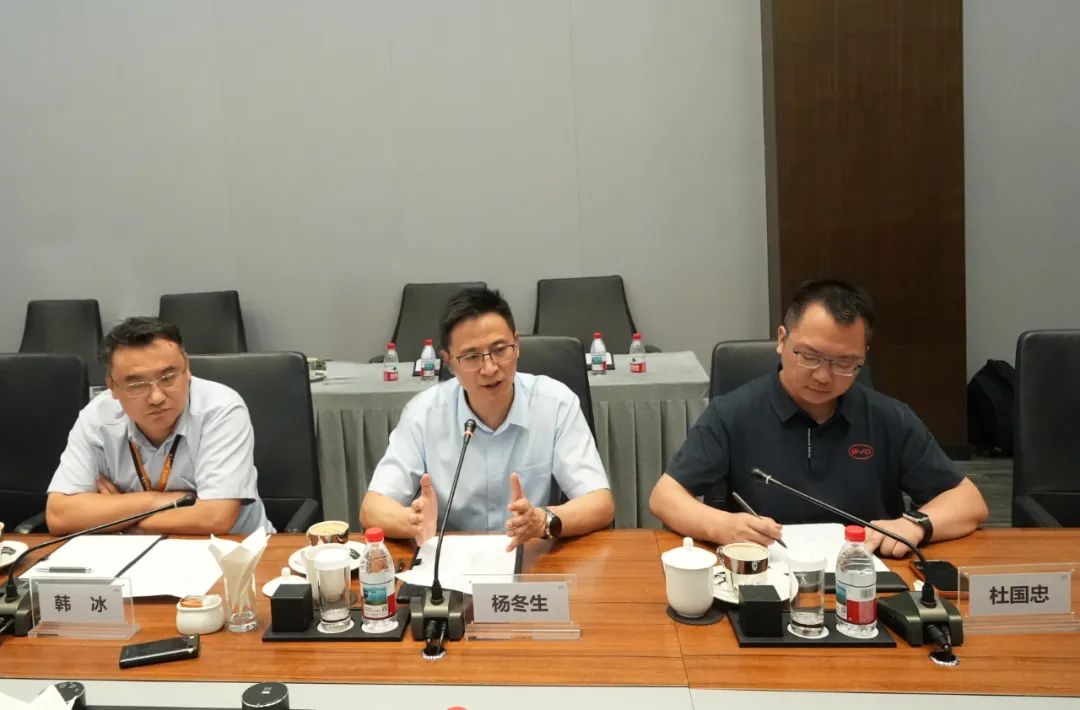
比亚迪副总裁杨冬生:比亚迪有全栈自研的底气,不会减少辅助驾驶投入|36氪专访
3 6 Ke· 2025-07-29 09:00
Core Insights - BYD's intelligent driving technology is rapidly advancing, with significant improvements in user confidence and functionality [1][3][10] - The company aims to integrate advanced driving features into everyday user habits, enhancing user stickiness across various vehicle price points [5][9] Group 1: Intelligent Driving Features - The usage rate of parking functions among BYD users has increased from 30-40% to over 60% since the introduction of comprehensive parking guarantees [1][7] - High-speed Navigation on Demand (NOA) has reached a peak usage rate of 90%, while urban NOA remains lower at 20-30% due to user mindset and trust issues [1][2][8] - BYD has launched 21 models equipped with advanced driver assistance systems, with a significant OTA upgrade enhancing these features [3][4] Group 2: Safety and User Trust - BYD has committed to covering all safety and damage costs related to parking incidents, alleviating concerns about insurance premium increases for users [3][4] - The company emphasizes the importance of safety and reliability in building user trust, focusing on practical experience rather than just technological advancement [4][10] Group 3: Technological Development and Strategy - BYD is prioritizing the development of algorithms and data over creating high-computing power chips, aiming to deploy capabilities on lower-spec models [4][11] - The company maintains a dual approach of self-research and collaboration with algorithm firms to enhance its understanding and capabilities in intelligent driving [12][13] - Innovations in the vehicle's power and chassis systems are expected to significantly improve the efficiency of advanced driving features [14][15]