
学前教育

Search documents
北京王府幼儿园园长吴英:安全感 早期教育的核心
Xin Lang Cai Jing· 2026-02-11 08:13
Core Viewpoint - The core message emphasizes the importance of security as the foundation of early education, highlighting the need for children to feel a sense of belonging, value, and boundaries to develop a strong sense of security [21][27][32] Group 1: Importance of Security in Early Education - Security is defined as a stable, reliable, and solid feeling that is essential for individual development and exploration of the world [21][22] - The lack of security during early childhood can lead to significant emotional issues, as evidenced by a report indicating a 24.6% depression detection rate among primary and secondary school students in China [20][21] - The development of security in children is linked to their feelings of acceptance, support, and recognition, which contribute to their sense of belonging, value, and boundaries [22][27] Group 2: Strategies for Fostering Security - The organization implements various methods to help children gain a sense of belonging, such as allowing them to choose roles during weekly flag-raising ceremonies [22][28] - Activities like personal art exhibitions and social-emotional practice courses are conducted to support children's interests and help them understand that making mistakes is part of learning [28][29] - Encouraging children to take responsibility for their actions and participate in rule-making fosters their sense of value and boundaries [26][30] Group 3: Parental Involvement - The organization recognizes that parental involvement is crucial for reinforcing the security children gain at school, advocating for workshops to educate parents on effective parenting strategies [31][32] - Parents are encouraged to allow children to handle their own tasks and make choices, which helps build their confidence and sense of value [31][32] - The collective effort of families in supporting children's emotional development is emphasized, as it leads to more resilient and capable children [31][32]


湄洲湾职业技术学院举办就业供需双选会
Xin Lang Cai Jing· 2026-02-11 00:11
本报讯 (报业集团记者 陈阳阳 通讯员 吴伟锋) 近日,为推进就业岗位扩容提质,让就业服务可感可 及,湄洲湾职业技术学院以系为单位举办多场2026届毕业生实习就业供需双选会,全力帮助毕业生就 业。 湄洲湾职业技术学院牢固树立"服务地方发展、服务学生发展"办学理念,落实就业创业"一把手"工程, 开展党委书记"访企拓岗促就业"专项行动。为提升毕业生求职便捷度,工艺美术系在现场特设政策咨询 处,开展"书记面对面"活动,提醒毕业生广泛了解就业信息,结合实际情况选择合适的岗位。 学前教育系举行2026届毕业生实习就业供需双选会,吸引中美凯斯幼儿园、湄洲岛印象文化旅游发展有 限公司、三福古典家具等22家优质企事业单位参与,覆盖学前教育、文旅研学、酒店管理等领域,提供 近400个实习与就业岗位,吸引300余名毕业生到场求职。 自动化工程系则在双选会现场开设"就业直通车",搭建毕业生与用人单位双向选择平台。党员教师、辅 导员全程陪伴,主动与参会企业深入交流,了解行业发展趋势与用人需求,为深化校企合作、拓展就业 渠道积累资源。 "就业是民生之本,也是学生成长成才的重要环节。"湄洲湾职业技术学院学生工作处处长连立芳表示, 下一步 ...
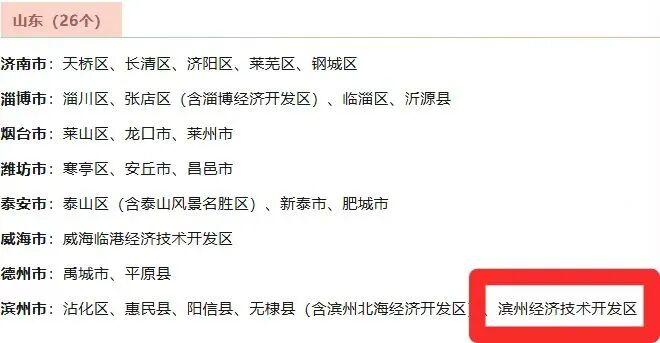
滨州经济技术开发区获评全国学前教育普及普惠区
Qi Lu Wan Bao· 2026-02-03 13:55
近日,教育部公布2025年学前教育普及普惠县(市、区)名单,滨州经济技术开发区顺利通过学前教育 普及普惠发展国家级"双普"验收,跻身全国学前教育"双普"县区行列,这是开发区获得全国美育基地后 的又一项国家级荣誉。 自"双普"创建工作启动以来,区党工委、管委会始终坚持教育优先发展战略,将创建工作作为民生工程 核心任务,成立专项领导小组,层层压实责任,构建起"政府主导、部门联动、社会参与、全域推进"的 工作格局。创建过程中,持续加大教育经费投入,重点推进幼儿园基础设施升级改造,新增优质学位, 实现硬件全面达标,让孩子们"在家门口上好幼儿园"的期盼成为现实。评估期间,国家督导评估组通过 实地核查、查阅资料、座谈访谈、满意度测评等多种方式,对开发区教育经费保障、资源配置、办学质 量、师资建设等方面进行全面考核,充分肯定了开发区在"双普"创建中取得的显著成效,认为各项指标 均达到国家级验收标准。 此次验收成功,是对开发区学前教育工作的认可,更是新的起点。下一步,开发区将持续巩固"双普"创 建成果,聚焦教育内涵发展,不断优化教育资源配置,深化教育综合改革,以更高标准办好人民满意的 教育,为区域经济社会高质量发展助力。 ...
幼儿中华民族共同体意识培育新路径探索
Xin Lang Cai Jing· 2026-02-02 18:02
二、环境浸润、课程深化与家园联动的实践路径 青海省委机关幼儿园构建了环境浸润、课程深化与家园联动的协同实践路径,将省情认知与中华民族共 同体意识培育深度融入幼儿在园生活全过程。 打造沉浸互动环境,构筑有形教育空间。幼儿园着力发挥环境作为"隐性课程"的育人功能,将户外活动 场地创造性转化为一个巨型、可交互的青海省情主题教育空间。操场地面绘制的巨幅青海省地图,精准 呈现了主要山脉、水系、湖泊等自然地理标识,青藏铁路、原子城、多民族共居的街巷等承载着历史记 忆与时代精神的重要教育资源,也被巧妙地呈现在地图上。沉浸式设计使幼儿园的物理环境本身,转化 为传递地域认同与共同体价值的有形载体。幼儿在蕴含丰富教育契机的空间里自主探索、协作游戏与交 流讨论,均成为强化省情认知与地域归属感的自然过程。这种低成本、高参与性的环境创设思路,为教 育资源相对不足的青海广大农牧区幼儿园提供了可复制的范例,有助于缓解城乡学前儿童在环境育人资 源获取上的不均衡状况。 开发主题融合课程,实现认知价值升华。幼儿园系统开发了一系列融合本土优秀文化与红色资源的主题 课程,将直观的地理认知升华为深层的情感认同与价值引领,为铸牢中华民族共同体意识教育搭 ...
教研赋能 育人为本 促进区域学前课程高质量发展——市南区教学工作会学前专场
Xin Lang Cai Jing· 2026-01-23 00:21
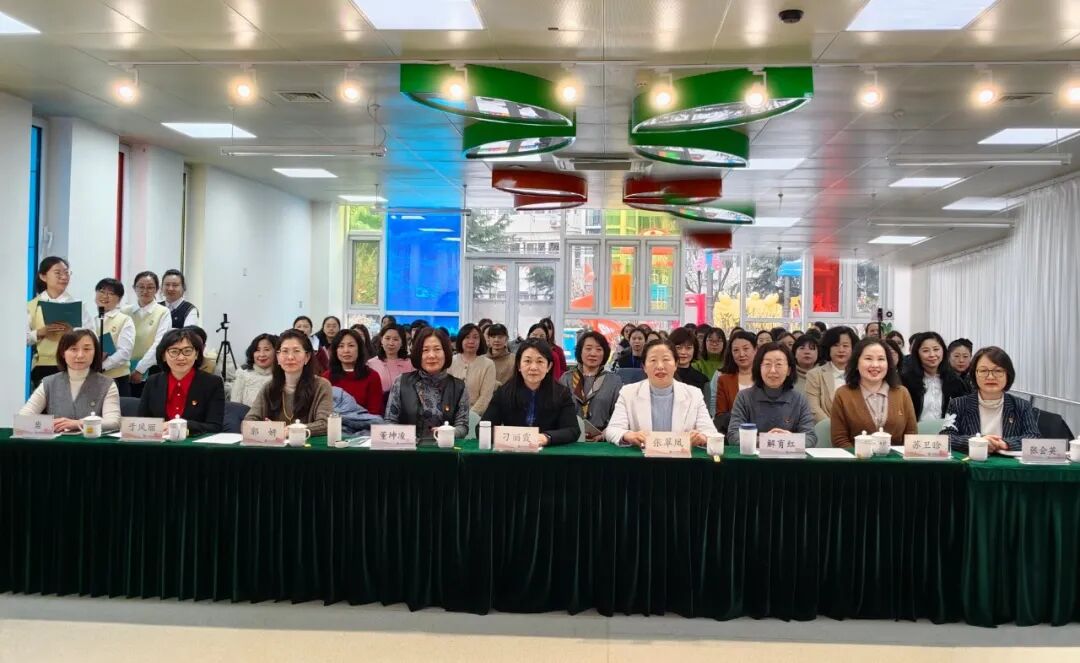
青岛市教育科学研究院学前教研员张翠凤,市南区教育研究中心主任刁丽霞,区教育研究中心副主任董坤凌、解育红,区教育研究中心学前教育办公室主 任郭妍,以及市南区幼儿园园长、业务干部代表等70余人参加会议。会议由区教育研究中心学前教研员张会英主持。 研思共生凝智慧课程创生启新程 五位园长围绕"教研赋能幼儿园课程建设与实施"主题,分享了各园在教研机制创新、课程深度融合、家园协同共育等方面的实践智慧。 为深入学习贯彻党的二十届四中全会精神,贯彻落实《中华人民共和国学前教育法》,深化"以游戏为基本活动"的教育实践,全力推动区域学前课程高质 量发展,近日,市南区教学工作会学前专场在青岛市湖南路幼儿园金茂湾分园成功举行。 本次活动以"教研赋能育人为本促进区域学前课程高质量发展"为题,集中展示市南区在学前教育课程改革、游戏研究与教师发展方面的积极探索与丰硕成 果。 青岛市湖南路幼儿园园长苏卫晗以《家园共研助力大小公民共成长》为题,围绕锚定育人核心、深化"案例+"教研、优化资源共享三部分,阐述了如何通 过机制建设、多维路径与资源整合,推动家园深度共研,实现教师、家长与小公民在协同育人中双向赋能、共同成长。 市南区文登路幼儿园园长张 ...
国家级荣誉!顺昌县成功获评国家学前教育普及普惠县
Xin Lang Cai Jing· 2026-01-22 14:30
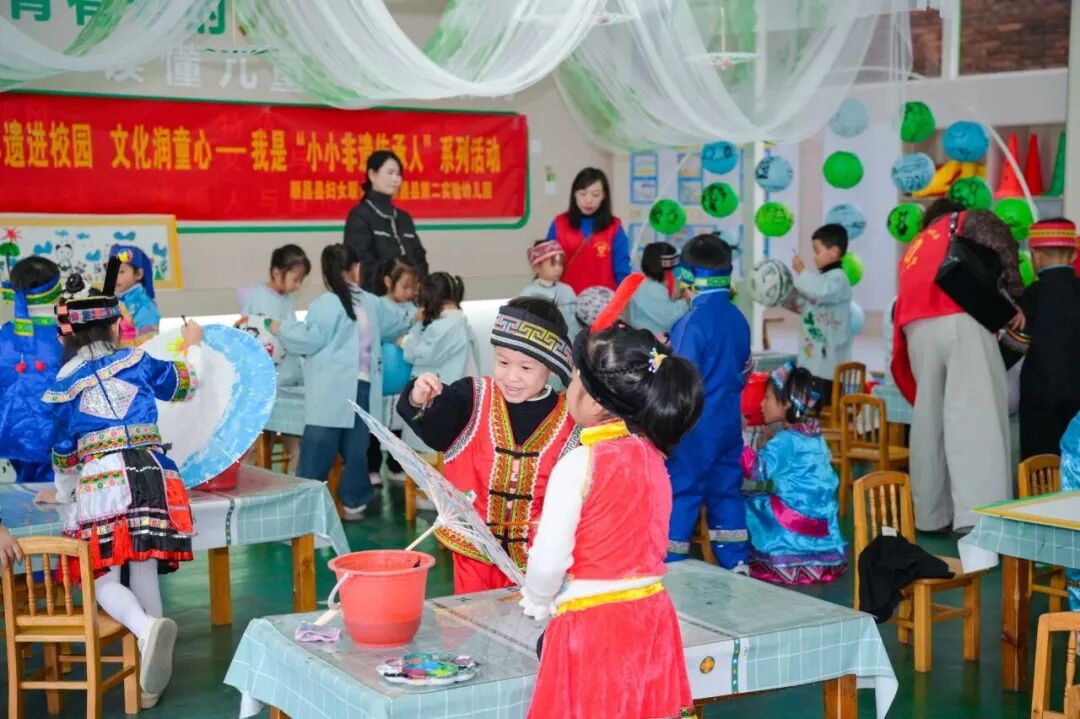
Core Viewpoint - Shunchang County has been recognized as a National Preschool Education Popularization and Affordability County by the Ministry of Education, reflecting significant progress in early childhood education development [1][5]. Group 1: Education Development Initiatives - Shunchang County has implemented multiple measures to promote high-quality preschool education, resulting in the construction of 11 new kindergartens and the renovation of 3, adding a total of 2,520 new enrollment slots [3][7]. - The gross enrollment rate in preschools has reached 99.02%, with a 100% coverage rate of affordable kindergartens, and 90.36% of children in public kindergartens [3][7]. Group 2: Cultural Integration in Education - The county integrates intangible cultural heritage projects, such as the She ethnic group's bamboo pole dance and rolling iron rings, into kindergarten curricula, promoting physical health and cultural heritage among children [3][7]. - Local resources are combined with curriculum development, creating themed courses like "Flower Fruit Mountain," "Great Sage Culture," and "Beautiful Shunchang," which incorporate local culture, cuisine, and customs to foster children's love for their hometown [3][7].
淄博经开区获评“全国学前教育普及普惠区”
Qi Lu Wan Bao· 2026-01-21 14:55
Core Viewpoint - The successful inclusion of Zibo Economic Development Zone in the national list of popular and inclusive early childhood education areas marks a significant advancement in the region's early education development, transitioning from "basic care" to "quality care" for children [1] Group 1: Expansion of Public Resources - Zibo Economic Development Zone has adopted a three-dimensional expansion model ("new construction + recovery + private to public") to enhance public early childhood education resources, increasing the number of public kindergartens from 3 to 12 and expanding public kindergarten enrollment from 690 to 2,580 [2] Group 2: Strengthening Workforce Development - The region focuses on building a balanced and high-quality teaching team through targeted training programs, achieving nearly 1,000 training sessions annually for principals and teachers, which enhances overall teaching capabilities and contributes to high-quality early education development [3] Group 3: Innovative Management Models - The establishment of early education groups led by high-quality public kindergartens promotes the sharing of quality educational resources, facilitating a transition from basic care to quality care and creating a public service system for early childhood education that is equitable and abundant [4] Group 4: Future Development Goals - Zibo Economic Development Zone aims to continue reforming early childhood education, optimizing resource allocation, and improving care and education quality to ensure every child receives fair and quality education, laying a solid foundation for lifelong development [5]
清远连南入选全国学前教育普及普惠县
Nan Fang Ri Bao Wang Luo Ban· 2026-01-21 08:16
Core Viewpoint - The Ministry of Education has announced the list of counties (cities, districts) that have achieved national recognition for the popularization and accessibility of preschool education by 2025, with 427 counties recognized, including Lian Nan Yao Autonomous County, which is the first in Guangdong Province to receive this honor as a minority autonomous county [1] Group 1: Recognition and Achievements - Lian Nan Yao Autonomous County has been recognized as a model for high-quality preschool education development in ethnic regions, referred to as the "Lian Nan Speed" [1] - The county has established an innovative "2+7+2+5" model for preschool education, consisting of 2 county-level kindergartens, 7 township central kindergartens, 2 rural public kindergartens, and 5 private kindergartens [1] Group 2: Resource Supply and Investment - The coverage rate of inclusive kindergartens in the county is 100%, with 75.08% of children in public kindergartens, and the gross enrollment rate for the first three years of preschool education is 101.81% [1] - Over the past five years, approximately 149 million yuan has been invested, adding 1,295 quality preschool places, and the per-student public funding standard has been raised to 600 yuan per student per year, marking a historical high for preschool education investment in Lian Nan [1] - The certification rate for kindergarten principals and teachers in the county has reached 100% [1] Group 3: Quality of Education - Lian Nan emphasizes scientific standards and distinctive development in preschool education, establishing a "1+1+N" urban-rural preschool education community model, with a standard class size compliance rate of 91.56% [1]
不申报年检、无实际办学行为……吉林8所幼儿园办学许可证废止
Xin Lang Cai Jing· 2026-01-18 16:23
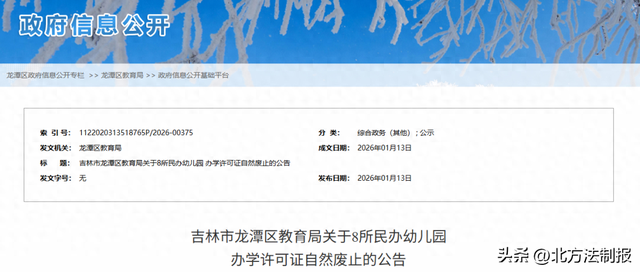
经我局核查,截至2025年12月31日,我区共有8所民办幼儿园存在不申报年检、无实际办学行为、办学 许可证期满未延续等情形。依据上述法律法规,该8所民办幼儿园办学许可证到期后已自然废止,不再 具备法律效力。自本公告发布之日起,上述幼儿园不再拥有办学资格,其此后从事的任何形式办学活动 所产生的一切法律后果,均由相关责任人员自行承担。 请相关民办幼儿园自公告之日起,依法组织清算工作,并在清算结束后向登记机关办理注销登记手续。 具体名单详见附件。 特此公告。 为规范我区民办学前教育办学秩序,维护教育公平与社会公共利益,根据《中华人民共和国民办教育促 进法》《中华人民共和国民办教育促进法实施条例》相关规定,"民办学校无实际招生、办学行为的, 办学许可证到期后自然废止,审批机关予以公告"。 1月13日,吉林市龙潭区人民政府网站发布该区8所民办幼儿园办学许可证自然废止的公告。如下: | 序号 | 幼儿园名称 | 办园地址 | 办学许可证编号 | | --- | --- | --- | --- | | 1 | 吉林市龙潭区多元阶梯幼儿园 | 吉林市龙潭区东方新村5号楼 | 12202036000030 | | 2 | 吉林 ...
镇江迈入学前教育全域优质普惠阶段
Xin Hua Ri Bao· 2026-01-17 22:12
Core Viewpoint - The Ministry of Education has recognized Jingkou District and Runzhou District in Zhenjiang as national model areas for universal and affordable preschool education, marking a significant achievement in Jiangsu Province's efforts to enhance preschool education standards [1] Group 1: Education Development - Zhenjiang has become the first city in Jiangsu Province to achieve full recognition as a national model for universal and affordable preschool education, alongside Wuxi [1] - The city has implemented a comprehensive plan for preschool education optimization aimed at 2035, addressing demographic changes and improving resource allocation [1] Group 2: Enrollment and Coverage - As of the end of last year, the proportion of children enrolled in public kindergartens in Zhenjiang reached 71.5%, with the coverage rate of affordable kindergartens at 88.68% [1] - The coverage rate of high-quality kindergartens in the province and city stands at 94.51% [1] Group 3: Services and Management - Zhenjiang is promoting integrated management of childcare services by encouraging 229 kindergartens to offer childcare services [1] - The local education authority aims to enhance the public service system for preschool education and foster collaboration between families and communities to ensure equitable and quality education for every child [1]