
资产评估

Search documents
陕苏甘联合培养资产评估行业高端人才
Shan Xi Ri Bao· 2026-02-25 23:57
为进一步加强行业高质量人才队伍建设,促进提升行业服务经济社会高质量发展能力, 陕西、江 苏、甘肃三省资产评估行业高端人才联合培养第一次集训日前在上海国家会计学院举行。经本人申报、 机构推荐、资格审查、统一考试,结合从业经历、业务水平、行业贡献等情况,陕西遴选了20名业务骨 干参加。 在课堂培训中,上海国家会计学院和行业知名专家全面系统地讲解相关知识,引导学员深化对宏观 经济形势的认识,加强对人工智能的应用与理解,学习掌握估值逻辑运用方法,进一步丰富业务理论知 识,提升评估专业能力。学员围绕破解业务难点开展热烈讨论,在交流研讨中激发灵感,在经验分享中 共同提高。 在现场教学中,学员参观了上海四行仓库抗战纪念馆,通过一幅幅历史照片、一段段影像资料、一 件件珍贵文物,深切感受抗战先烈英勇无畏、为国捐躯的崇高精神,补足爱国主义精神之钙、汲取民族 复兴前进伟力。 参训学员认为,此次三省联合培养行业人才,是延续"苏陕协作"优良传统的具体体现,为东西部省 份互学互鉴、共同发展搭建了重要平台。培训内容既有较高的理论层次又有宽广的前沿视野。大家将以 此次培训作为新起点、新动力,真正把学习培训成果转化为新感悟、新收获,不断提升自 ...
【锋行链盟】科创板IPO中介团队职责及核心要点
Sou Hu Cai Jing· 2026-02-24 16:37
科创板IPO上市的中介团队是连接企业与监管机构、投资者的核心桥梁,其职责围绕"勤勉尽责、信息披露合规、风险把控"三大 主题展开,核心目标是推动企业符合科创板定位(硬科技属性)及注册制要求,实现成功上市。以下是中介团队的主要成员、 具体职责及核心要点的详细分析: 一、中介团队组成 科创板IPO的核心中介团队包括: 二、各中介职责及核心要点 (一)保荐机构(券商):牵头协调与全面把关 核心职责: 核心要点: (二)会计师事务所:财务真实性与合规性核查 核心职责: 1. 保荐机构(主承销商):牵头协调各中介,承担"第一责任人"角色; 2. 会计师事务所:负责财务审计与合规核查; 3. 律师事务所:负责法律合规与风险排查; 4. 资产评估机构(如有):针对资产收购、重组或无形资产定价提供专业意见(非必需,但常见于有资产整合的企业)。 尽职调查:对企业进行全面核查(业务、财务、法律、技术等),确认符合科创板定位(如"硬科技"属性、研发投入强 度、行业地位); 推荐上市:向交易所提交上市申请文件,出具《发行保荐书》《上市保荐书》,承担推荐责任; 辅导企业:指导企业完善治理结构、规范运作(如股权梳理、内控制度建设); 撰写 ...

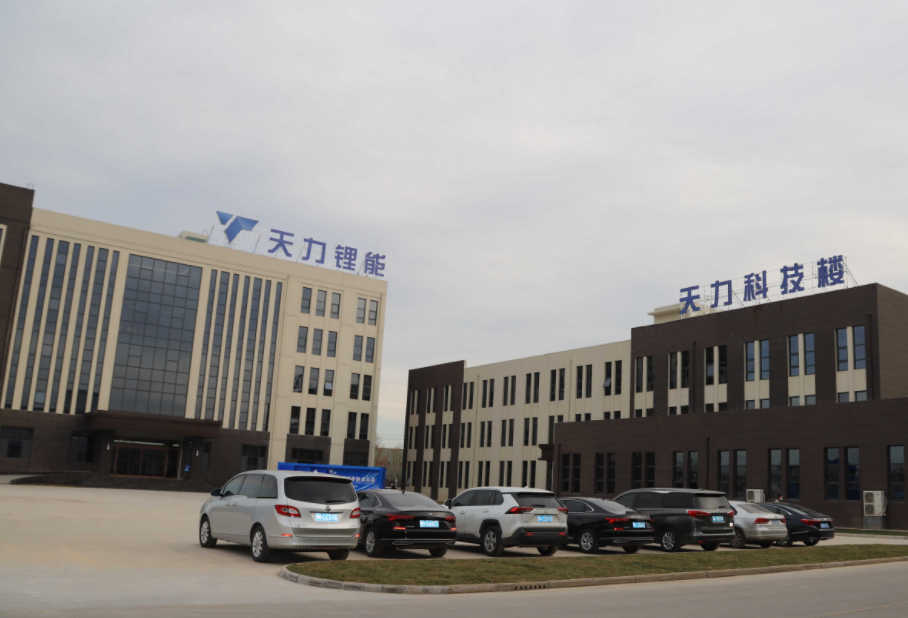
深交所连发监管函,直指天力锂能审计与评估执业问题
Ju Chao Zi Xun· 2026-02-15 07:13
Core Viewpoint - The Shenzhen Stock Exchange has issued regulatory letters to Tianli Lithium Energy Group Co., Ltd. and related auditing and asset evaluation firms due to multiple professional misconducts during the audit and asset evaluation processes for the 2024 annual report [2] Group 1: Audit Project Issues - Tianjian Accounting Firm and signing accountants Liang Yiming and Yin Lulu faced six major issues in the audit of Tianli Lithium's 2024 annual report, including inappropriate selection of materiality benchmarks and inadequate execution of key audit procedures [3] - Specific audit deficiencies included failure to verify key parameters during asset impairment testing, incomplete execution of confirmation procedures for bank account balances, and lack of reliable evidence for revenue recognition [3] - Additional issues involved inadequate procedures for inventory audits and research and development expenses, with missing signatures on key documents and incomplete records [3] Group 2: Asset Evaluation Issues - Beijing Yatai Lianhua Asset Evaluation Co., Ltd. and evaluators Song Xiaowen and Yang Congling encountered errors in parameter selection and calculations during the asset evaluation project for Tianli Lithium [4] - Notable mistakes included incorrect discount rate calculations, erroneous selection of urban construction tax rates, and inaccuracies in capital expenditure amounts and land use index calculations [4] - Errors also extended to data predictions and records, such as depreciation and amortization forecasts, and inaccuracies in the historical operating conditions of the evaluated entity [5] Group 3: Regulatory Response - The Shenzhen Stock Exchange emphasized that the actions of the involved firms violated the listing rules and called for immediate corrective measures to prevent recurrence of such issues [5]
安徽证监局再亮剑:从富煌钢构并购案看监管的全链条追责
Xin Lang Cai Jing· 2026-02-13 01:30
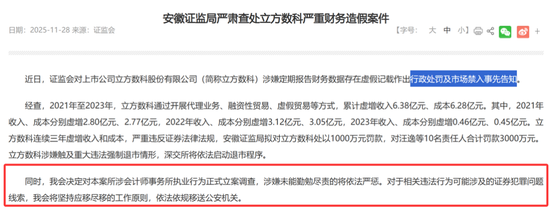
登录新浪财经APP 搜索【信披】查看更多考评等级 2025年11月28日证监会网站披露,安徽证监局严肃查处立方数科严重财务造假案件,在该份行政处罚事 先告知书中,安徽证监局明确公开宣布对涉案中介机构立案调查。之后该份处罚决定书在资本市场引发 震动,受此影响,不少上市公司临时改聘年审机构,涉案的中兴财光华会计师事务所近期也正在逐步丢 失上市公司审计业务。 继此次重磅处罚之后,2025年12月05日,安徽证监局再亮剑,针对上市公司富煌钢构(维权)跨界并购 中科视界项目中存在的严重造假行为,对天健会计师事务所、金证(上海)资产评估有限公司、华泰联 合证券及国元证券等四家中介机构祭出总额800万元的罚单。此举不仅是证监系统对单起案件的高强度 执法,更清晰地勾勒出当前资本市场以"穿透式核查、全流程追责"为核心,对中介机构"看门人"职责进 行刚性约束的监管新范式。 今天,我们要分析的便是此并购案。 【案例基本信息】 富煌钢构2024年12月首次披露拟通过发行股份及支付现金方式,收购中科视界100%股权,交易作价 11.40亿元。 2025年5月,公司董事会审议通过交易方案,并披露了详式权益变动报告书及收购报告书摘要。根据 ...

江苏证监局关于对江苏金永恒房地产资产评估有限公司、方剑、陈纲采取出具警示函措施的决定
Xin Lang Cai Jing· 2026-01-21 08:13
Group 1 - The company Jiangsu Jin Yongheng Real Estate Asset Appraisal Co., Ltd. and its evaluators, Fang Jian and Chen Gang, are under scrutiny for failing to comply with the Securities Law regarding the registration of securities service business [1] - The asset appraisal process for Daren Electronics Co., Ltd. was found to have deficiencies, particularly in the insufficient analysis of comparable companies when using the market approach for valuation [2] - The lack of a preliminary asset appraisal report in the asset appraisal files indicates non-compliance with the Asset Appraisal Practice Standards [3] Group 2 - The actions of the company and the evaluators violate the Non-listed Public Company Information Disclosure Management Measures, leading to a warning letter and entry into the securities market integrity record [3] - The company is required to strengthen internal management and establish a quality control system to ensure the quality of appraisal services [3] - There is a provision for administrative review or litigation against the supervisory measures within specified timeframes [3]
坤元资产评估收警示函,涉水晶光电、江南化工等上市公司
Sou Hu Cai Jing· 2026-01-21 07:56
Core Viewpoint - Zhejiang Securities Regulatory Bureau issued a warning letter to Kunyu Asset Appraisal Co., Ltd., highlighting violations in internal governance, quality control systems, independence management, and project execution quality [1][2][3] Group 1: Project Execution Quality Issues - The most prominent issue identified was project execution quality, with significant problems in insufficient assessment basis and frequent errors in the assessment calculation process [1] - Five core vulnerabilities in the assessment basis were noted, including inadequate revenue forecast analysis, lack of rationale for declining material cost ratios, insufficient asset impairment loss predictions, inconsistencies in forecast periods, and lack of basis for cost prediction parameters [1] - Multiple errors in the calculation process were highlighted, including incorrect data references in cost predictions, errors in income tax calculation formulas, and inaccuracies in historical asset impairment data used in assessments [1] Group 2: Responsibility of Signatory Appraisers - The warning letter specified two assessment projects involving listed companies, with signatory appraisers Han Guihua, Huang Xiaoling, and Lu Tingting bearing primary responsibility for the identified violations [2] - The projects included the valuation of Crystal Optoelectronics' acquisition of Guangdong Aikesi and the impairment testing of Northern Mining Services and Northern Mining Investment [2] Group 3: Internal Governance and Quality Control Issues - In terms of internal governance, the company’s assessment archive management system did not comply with assessment standards, and there were significant gaps in integrated management of branch offices [2] - Quality control issues were pervasive throughout the business process, including non-standard signing of project agreements, lack of separation between quality review personnel and signatory appraisers, and overdue filing of assessment documents [2] Group 4: Independence Management Violations - Concerns were raised regarding independence management, with several employees found to have engaged in illegal trading of stocks of listed companies involved in assessments, necessitating accountability for their actions [3] - The warning letter mandated Kunyu Asset Appraisal to adhere strictly to relevant laws and regulations, improve internal governance, enhance quality control systems, and strengthen independence management to elevate assessment execution quality [3]

浙江证监局:对坤元资产评估有限公司及相关人员采取出具警示函措施
Xin Lang Cai Jing· 2026-01-20 09:12
Core Viewpoint - The Zhejiang Securities Regulatory Bureau has issued a warning letter to Kunyuan Asset Appraisal Co., Ltd. and related personnel due to violations of laws, regulations, and appraisal standards in their internal governance and quality management practices [1] Group 1: Company Violations - Kunyuan Asset Appraisal Co., Ltd. has been found to have internal governance and quality management issues that do not comply with relevant laws and appraisal standards [1] - Specific personnel, including Han Guihua and Huang Xiaoling, are held primarily responsible for issues related to the valuation project of Guangdong Aikesi Technology Co., Ltd. in the context of Zhejiang Crystal Optoelectronics Technology Co., Ltd.'s proposed acquisition [1] - Other personnel, including Han Guihua and Lu Tingting, are responsible for valuation issues related to impairment testing for Anhui Jiangnan Chemical Co., Ltd. concerning its long-term equity investments in Northern Mining Service Co., Ltd. and Northern Mining Investment Co., Ltd. [1] Group 2: Regulatory Actions - The Zhejiang Securities Regulatory Bureau has decided to issue warning letters as a supervisory measure against Kunyuan Asset Appraisal Co., Ltd. and several individuals, including Yan Jiajun, Zhou Yuhuan, Ding Lingxiao, Chen Mingchun, Ye Miaomiao, Han Guihua, Huang Xiaoling, and Lu Tingting [1] - These warnings will be recorded in the integrity archives of the securities and futures market [1]
2025年度并购重组中介机构排名(独立财务顾问/律所/审计/评估)
Xin Lang Cai Jing· 2026-01-02 12:12
Core Insights - In 2025, a total of 40 companies were approved for mergers and acquisitions in the A-share market, achieving a 100% approval rate [1][9]. Independent Financial Advisors Performance Ranking - A total of 19 independent financial advisory firms participated in the 40 approved M&A projects, with the top three firms being: - First: Huatai United with 8 projects - Second: CITIC Construction with 7 projects - Third: CITIC Securities with 6 projects [1][11][12]. Legal Advisors Performance Ranking - 25 law firms were involved in the legal services for the 40 approved M&A projects, with the top three being: - First: Beijing King & Wood Mallesons with 5 projects - Second: Beijing Jiyuan with 4 projects - Third: Beijing Zhonglun, Shanghai Jintiancheng, and Zhejiang Tiancai, each with 3 projects [2][13][15]. Accounting Firms Performance Ranking - 19 accounting firms provided auditing services for the 40 approved M&A projects, with the top three being: - First: Tianjian with 9 projects - Second: Lixin with 7 projects - Third: Xinyong Zhonghe with 4 projects [4][16]. Asset Appraisal Agencies Performance Ranking - 20 asset appraisal agencies were involved in the asset evaluation for the 40 approved M&A projects, with the top three being: - First: Zhonglian Appraisal with 10 projects - Second: Jinzhen Appraisal with 5 projects - Third: Zhongqihua with 4 projects [6][17].



2025年度并购重组中介机构排名(独立财务顾问/律所/审计/评估)
梧桐树下V· 2026-01-02 12:04
Core Viewpoint - In 2025, all 40 companies that underwent merger and acquisition (M&A) reviews in the A-share market were approved, achieving a 100% approval rate. Group 1: Independent Financial Advisors Performance Ranking - A total of 19 independent financial advisory firms participated in the 40 approved M&A projects, with the top three firms being: - First: Huatai United with 8 projects - Second: CITIC Construction with 7 projects - Third: CITIC Securities with 6 projects [1] Group 2: Legal Advisors Performance Ranking - 25 law firms were involved in the legal services for the 40 approved M&A projects, with the top three firms being: - First: Beijing King & Wood Mallesons with 5 projects - Second: Beijing JY with 4 projects - Third: Beijing Zhonglun, Shanghai Jintiancheng, and Zhejiang Tiance each with 3 projects [3] Group 3: Accounting Firms Performance Ranking - 19 accounting firms provided auditing services for the 40 approved M&A projects, with the top three firms being: - First: Tianjian with 9 projects - Second: Lixin with 7 projects - Third: Xinyong Zhonghe with 4 projects [7] Group 4: Asset Appraisal Agencies Performance Ranking - 20 asset appraisal agencies were involved in the asset evaluation for the 40 approved M&A projects, with the top three agencies being: - First: Zhonglian Appraisal with 10 projects - Second: Jinzhen Appraisal with 5 projects - Third: Zhongqihua with 4 projects [10]
海南自贸港封关运作 中投国际贸易集团积极布局
Zhong Guo Jing Ji Wang· 2025-12-19 14:07
Core Insights - The launch of the Hainan Free Trade Port's full island closure operation on December 18 marks the transition to a comprehensive implementation phase, attracting various market participants to reorganize their strategies [1][2] - Companies' core competitiveness will depend on their ability to respond to complex demands in the new market landscape created by the closure [1] Group 1: Company Strategy - The company, Zhongtou International Trade Group, is aligning its business structure, which includes physical development, modern logistics, and professional services, with the key demands arising from the closure [1] - The group is focusing on integrating value-added processing and bonded logistics into its operational planning to provide efficient and compliant physical space solutions for enterprises [1] - In the cross-border supply chain service sector, the group is consolidating offshore trade operations, bonded warehouse management, import and export of goods, and big data service resources to build a digital smart supply chain service system [1] Group 2: Professional Services - The group's divisions in financing consulting, asset evaluation, and information technology consulting aim to offer customized professional support to enterprises facing challenges related to new tax systems, financial regulations, and compliance rules [1] - The transition to a role as a co-builder of the industrial ecosystem reflects a shift from merely benefiting from policy incentives to actively participating in the construction of the Hainan Free Trade Port [2]