
资本市场

Search documents
如何发展好中国资本市场?——业内大咖把脉市场成长和改革逻辑
Xin Hua Cai Jing· 2026-01-11 15:31
Group 1 - The core theme of the 30th China Capital Market Forum is "China's Capital Market: History and Future," emphasizing the need for coordinated reforms in financing, investment, and institutional aspects to build a resilient and vibrant capital market ecosystem [1] - The China Securities Regulatory Commission (CSRC) is focused on implementing major decisions from the central government, promoting the "New National Nine Articles" and the "1+N" policy framework to enhance long-term capital market investments and support innovative enterprises [3] - The development of the capital market during the 14th Five-Year Plan period has seen comprehensive improvements in market scale, structural quality, and service functions, with future efforts aimed at deepening multi-level capital market reforms and enhancing investment banking capabilities [4] Group 2 - Experts suggest that to foster capital market growth, three foundational elements are necessary: rule of law, contractual spirit, and transparency, with reforms needed across asset, funding, and institutional dimensions [3] - The 2025 Central Economic Work Conference emphasizes the importance of "continuously deepening comprehensive reforms in capital market financing," highlighting the systemic and multidimensional nature of these reforms [6] - Regulatory bodies are urged to enhance the investment value of listed companies by promoting policies that encourage higher dividend payouts, with A-share companies expected to distribute a record 2.55 trillion yuan in cash dividends in 2025 [7]


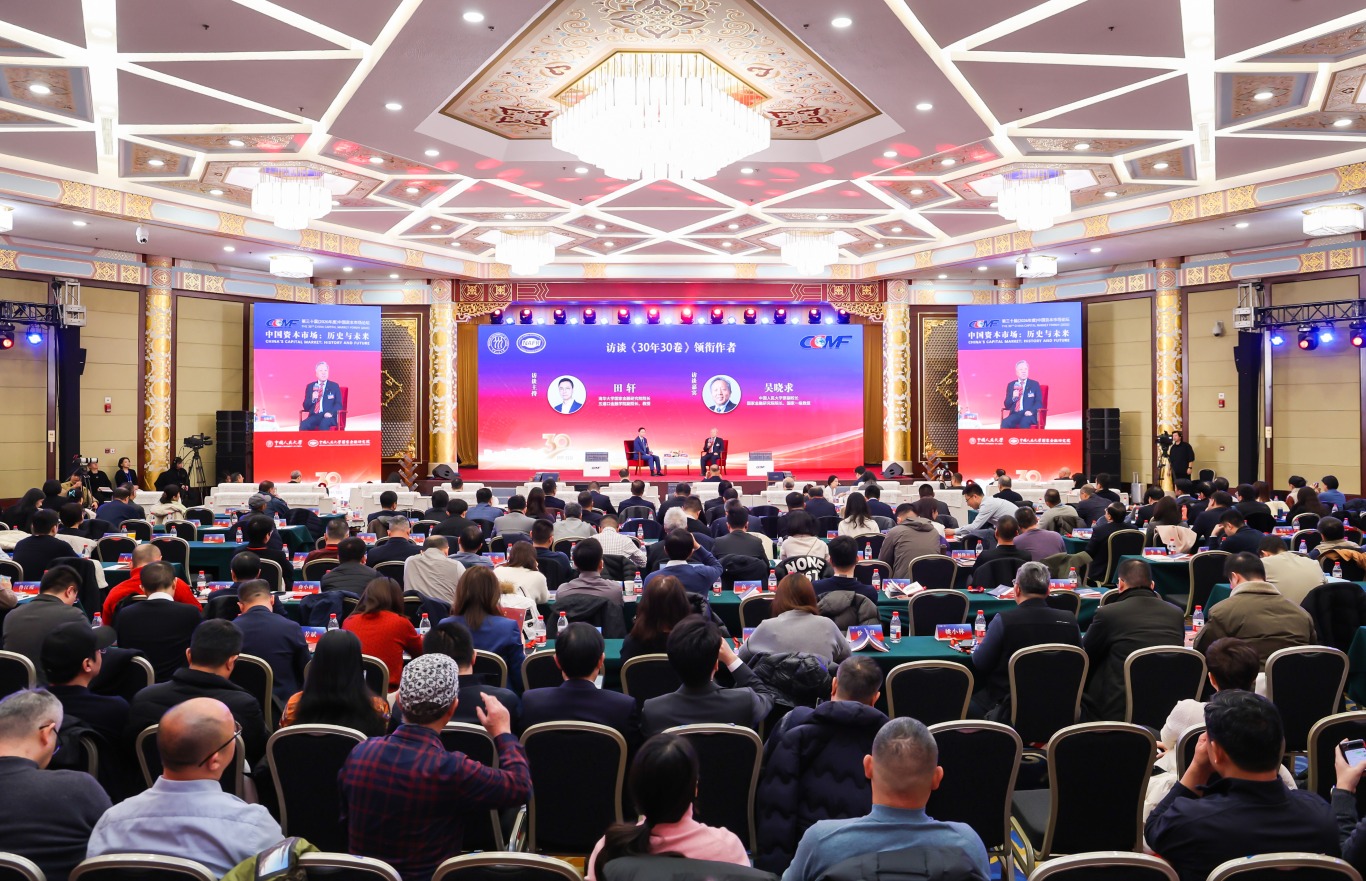
证监会副主席陈华平:A股投资者已经超过2.5亿,95%以上的都是中小投资者
Xin Lang Cai Jing· 2026-01-11 11:23
Core Viewpoint - The China Securities Regulatory Commission (CSRC) emphasizes the importance of the "15th Five-Year Plan" for advancing China's modernization and building a strong financial nation, focusing on risk prevention, strong regulation, and promoting high-quality development [1][20]. Group 1: Capital Market Development - The CSRC aims to enhance the institutional environment for long-term investments, encouraging various types of long-term funds to enter the market and increasing the proportion of market entry [2][21]. - As of the end of last year, various long-term funds held approximately 23 trillion yuan in A-share market value, a 36% increase from the beginning of the year [3][22]. - The CSRC is committed to deepening reforms in the Sci-Tech Innovation Board and the Growth Enterprise Market, as well as reforming refinancing processes [4][23]. Group 2: Investor Protection and Market Integrity - The coordination of investment and financing functions is a dynamic process that requires continuous adjustment, with a strong emphasis on protecting the legitimate rights and interests of small and medium investors [5][6][28]. - The CSRC has implemented measures to enhance the stability, sustainability, and predictability of dividends while reinforcing a normalized delisting mechanism [7][8]. - The CSRC is focused on strictly punishing various types of malicious illegal activities, promoting more representative lawsuits and advance compensation cases [8][27]. Group 3: Enhancing Company Value and Market Functionality - The CSRC has made significant progress in promoting long-term funds entering the market, with a notable increase in equity fund size from 8.4 trillion yuan to approximately 11 trillion yuan [10][25]. - The CSRC is enhancing support for new productive forces and has introduced various reforms in the Sci-Tech Innovation Board, leading to an increase in the technology sector's market capitalization [10][26]. - In the past year, A-share listed companies distributed a record cash dividend of 2.55 trillion yuan, which is twice the scale of IPOs and refinancing during the same period [11][26]. Group 4: Future Opportunities and Strategic Directions - The CSRC highlights the need to seize current development opportunities, driven by a new round of technological revolution and industrial transformation [16][31]. - The focus is on improving the quality of listed companies, which is essential for attracting long-term stable investments and enhancing financing efficiency [14][30]. - The CSRC aims to continuously deepen comprehensive reforms in investment and financing, enhancing the adaptability and inclusiveness of the system to better promote qualitative and quantitative growth in the capital market [17][32].
证监会,最新发声
中国基金报· 2026-01-11 11:13
Core Viewpoint - The China Securities Regulatory Commission (CSRC) emphasizes the importance of the "14th Five-Year Plan" period for advancing China's modernization and building a strong financial nation, focusing on risk prevention, strong regulation, and promoting high-quality development [2] Group 1: Capital Market Development - The CSRC aims to promote the entry of various types of medium- and long-term funds into the market, increasing their scale and enriching products suitable for long-term investment and risk management tools [3] - As of the end of last year, various medium- and long-term funds held approximately 23 trillion yuan in A-share market value, a 36% increase from the beginning of the year [4] - The CSRC is committed to deepening reforms in the Sci-Tech Innovation Board and the Growth Enterprise Market, as well as enhancing refinancing reforms [5][6] Group 2: Investor Protection and Market Integrity - The coordination of investment and financing functions must prioritize the protection of the legitimate rights and interests of small and medium-sized investors [7] - The CSRC has implemented measures to enhance the stability, sustainability, and predictability of dividends, while also reinforcing the delisting mechanism [9] - The CSRC has been actively addressing various illegal activities, focusing on severe penalties for serious violations, and promoting more representative litigation and advance compensation cases [9] Group 3: Enhancing Company Value and Market Functionality - The CSRC has made significant progress in promoting the entry of medium- and long-term funds into the market, with a focus on supporting new productive forces [12] - The number of technology companies in the top 50 A-share market has increased from 18 to 24 over the past five years, indicating a rise in the technological content of the capital market [12] - In the past year, A-share listed companies distributed a record cash dividend of 2.55 trillion yuan, which is twice the scale of IPOs and refinancing during the same period [13] Group 4: Future Directions for Reform - The CSRC will continue to deepen comprehensive reforms in investment and financing, enhancing the institutional environment for long-term investments [20] - There will be a focus on improving the precision and effectiveness of services for technology innovation enterprises, as well as advancing the multi-tiered capital market system [20] - The CSRC aims to cultivate first-class investment banks and institutions, enhancing their professional capabilities in value discovery and wealth management [21]

证监会:去年A股上市公司现金分红2.55万亿元,再创历史新高,是同期IPO和再融资规模的两倍
Xin Lang Cai Jing· 2026-01-11 11:12
Core Viewpoint - The China Securities Regulatory Commission (CSRC) emphasizes the need to enhance the investment value of listed companies through policy guidance and institutional constraints, urging companies to increase cash dividends to return value to investors [1][2] Summary by Relevant Sections Dividend Policy - In the previous year, A-share listed companies distributed cash dividends totaling 2.55 trillion yuan, setting a new historical record, which is twice the scale of IPOs and refinancing during the same period [1][2] - An increasing number of companies are implementing multiple dividend distributions within a year, including distributions before the Spring Festival [1][2] Mergers and Acquisitions - The CSRC has released the "Six Guidelines for Mergers and Acquisitions" along with supporting systems to strengthen the support for listed companies to improve and grow [1][2] - Over 200 significant asset restructuring cases were disclosed in the market last year, indicating a notable increase in activity [1][2]
中证金融研究院院长毛寒松:提升资本市场功能 加快完善投融资动态平衡
Xin Lang Cai Jing· 2026-01-11 07:55
Group 1 - The core viewpoint emphasizes the need to enhance the functions of the capital market through reforms in multiple layers, improving the dynamic balance of investment and financing, and establishing mechanisms for coordinated development of primary and secondary markets [1][3] - The "15th Five-Year Plan" suggests higher requirements for the capital market's functions, focusing on resource allocation to support advanced manufacturing and green low-carbon industries, as well as strategic emerging industries [1][2] - There is a call for optimizing mechanisms for technology-related market segments, utilizing various financial tools to provide comprehensive support for technology enterprises from research and development to scaling [2][3] Group 2 - Key areas for enhancing capital market functions include deepening reforms in multi-layered capital market segments, improving the identification and pricing systems for technology innovation enterprises, and enhancing the capabilities of the Beijing Stock Exchange to serve innovative SMEs [3][4] - The importance of developing long-term funds and patient capital is highlighted, with a focus on removing barriers for social security, insurance, and other long-term funds to enter the market [4] - The need for a first-class investment banking and investment institution environment is emphasized, advocating for regulatory flexibility for quality institutions and promoting the development of small and foreign brokerages [4]
屠光绍:以“四度四性”把握资本市场投融资协调核心任务
Sou Hu Cai Jing· 2026-01-11 03:57
Core Viewpoint - The importance of establishing a coordinated investment and financing function in the capital market is emphasized as a key task and strategic deployment by the central government [2][3]. Group 1: Importance of Coordination - Investment and financing are inseparable aspects of the capital market, and their coordinated development is essential for sustainable growth [3]. - The lack of coordination between investment and financing has been a major contradiction in the development of China's capital market over the past 30 years, leading to issues such as prioritizing quantity over quality in financing [3][4]. Group 2: Systematic Challenges - Historical challenges due to the lack of coordination include the "expansion dilemma," "bear market dilemma," "long money dilemma," and "betting dilemma," all of which are closely related to the disconnection between investment and financing [4]. - Addressing these challenges through coordinated investment and financing is seen as a fundamental solution to the core issues affecting capital market development [4]. Group 3: Institutional Depth - The central government has highlighted the need for inclusive and adaptive capital market systems, indicating a clear path for deepening comprehensive reforms to resolve the coordination issues [5]. - Effective coordination requires simultaneous efforts on both the investment and financing sides, focusing on improving the quality and structure of financing entities and enhancing investment capabilities [5][6]. Group 4: Long-term Commitment - The recent emphasis on "sustained deepening of comprehensive reforms" in the capital market underscores the long-term nature of addressing coordination issues [6]. - The central government's long-term goals include integrating the coordination of investment and financing into broader economic planning and ensuring continuous reform efforts [6][7]. Group 5: Systematic Approach - The term "comprehensive reform" highlights the systemic and multidimensional nature of the work needed to create a conducive ecosystem for coordinated investment and financing [7][8]. - Coordination efforts must align with national macroeconomic policies and financial management policies, including fiscal and monetary policies, to foster a supportive ecosystem [8]. Group 6: Progress and Future Outlook - The capital market has shown initial positive results in recent years regarding the coordination of investment and financing, with regulatory bodies implementing a series of comprehensive reform measures [8][9]. - As the functions of coordinated investment and financing improve, the capital market's role in supporting high-quality development and building a strong financial nation is expected to enhance [9].
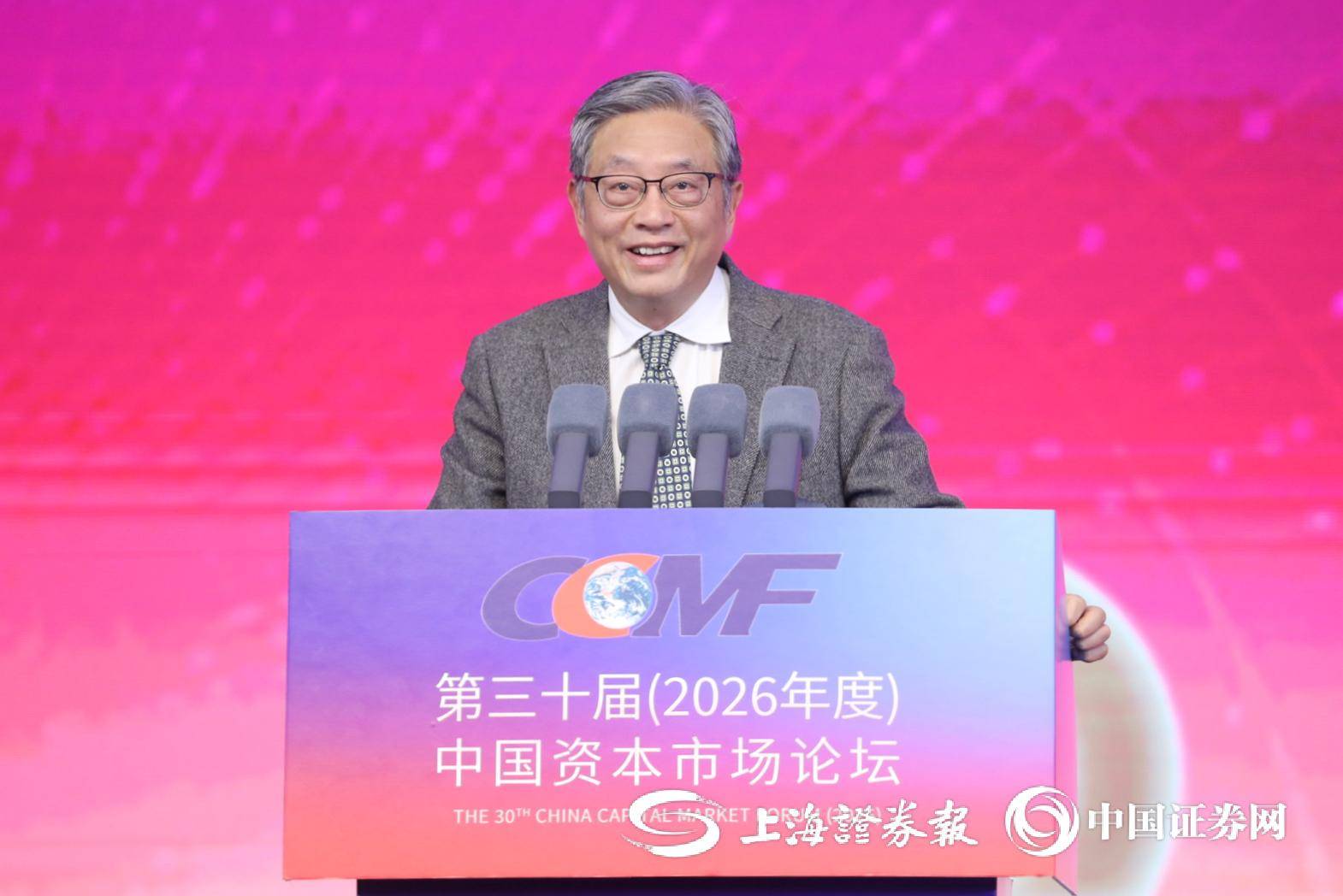
吴晓求称要对资本市场埋雷者重罚
Di Yi Cai Jing Zi Xun· 2026-01-11 03:12
2026.01.11 本文字数:951,阅读时长大约2分钟 作者 |第一财经 周楠 2026年伊始,A股市场表现强势,沪指一举突破4100点,两市成交额站上3万亿大关。 "险资就是一个例子,不是说险资不能进,是险资没法进,它的偿付能力指标就约束它了,把投资风险 市场的系数弄得很高,同时考核周期又很短。"他举例说。 吴晓求认为,推动投资端改革是本轮资本市场改革重点,核心目标是扩大市场流动性。 第三,制度端改革。吴晓求说,没有制度端的改革,前述两项改革很难见效,而制度端改革的核心是要 让市场有信心、有预期、有底线性。 他进一步解释称,制度端改革首先要确保市场透明度,要采取各种手段让发行人如实披露信息,不 能"埋雷"。 "现在有一些上市公司总想'埋雷',千方百计地'埋雷'。更有甚者欺诈上市,这样下去市场的'雷'该太多 了。"吴晓求说,资本市场改革要从没有"雷"开始。 那么,如何把"雷"去掉?对此,他建议,对"埋雷者"和"帮助埋雷者"重罚,对欺诈上市、财务造假、内 幕交易等行为的处罚,从行政处罚转变为进行刑事处罚、民事赔偿,并对帮助造假的中介机构同等处 罚。 "最近一年多来,特别是从2024年9月24日以来,中国资本 ...
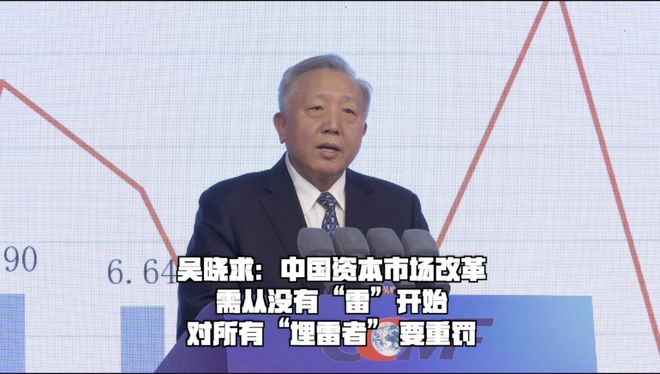
吴晓求称要对资本市场埋雷者重罚
第一财经· 2026-01-11 03:00
Core Viewpoint - The article discusses the fundamental changes in China's capital market since September 24, 2024, emphasizing the recovery of market confidence and stability of expectations as key drivers for reform [3]. Group 1: Market Performance - At the beginning of 2026, the A-share market showed strong performance, with the Shanghai Composite Index surpassing 4100 points and total trading volume exceeding 30 trillion [3]. Group 2: Proposed Reforms - Wu Xiaoqiu suggests three areas of reform for the capital market: asset side, demand side, and institutional side [4]. - The asset side reform focuses on adjusting the structure of listed companies to prioritize high-tech and innovative enterprises, as their development is fundamental to the market's growth [4]. - The demand side reform aims to enhance the investment side, addressing issues that have previously restricted large funds from entering the market, such as regulatory constraints and risk perception [4][5]. - The institutional side reform is crucial for the effectiveness of the other two reforms, aiming to build market confidence, expectations, and a clear baseline [5]. Group 3: Transparency and Accountability - Wu emphasizes the need for increased market transparency, advocating for strict disclosure requirements to prevent companies from hiding risks [6]. - He proposes severe penalties for those who engage in fraudulent activities, including criminal and civil liabilities for financial fraud and insider trading, as well as equal penalties for intermediary institutions that assist in such activities [6].

吴晓求:资本市场改革要从没有“雷”开始,对“埋雷者”“帮助埋雷者”重罚
Di Yi Cai Jing· 2026-01-11 02:50
Core Viewpoint - The core viewpoint emphasizes the need for reforms in the capital market to restore market confidence, stabilize expectations, and establish clear bottom lines [2][4]. Group 1: Market Performance - At the beginning of 2026, the A-share market showed strong performance, with the Shanghai Composite Index surpassing 4100 points and total trading volume exceeding 30 trillion [2]. - The fundamental changes in the capital market over the past year, particularly since September 24, 2024, are attributed to the recovery of market confidence and stability of expectations [2]. Group 2: Reform Suggestions - The proposed reforms in the capital market include three main aspects: asset side, demand side, and institutional side [3][4]. - The asset side reform focuses on adjusting the structure of listed companies to prioritize high-tech and innovative enterprises, as their development is seen as the underlying logic for capital market growth [3]. - The demand side reform aims to enhance the investment side, addressing issues such as regulatory constraints and risk perception that have previously limited large capital inflows into the market [3]. Group 3: Institutional Reforms - Institutional reform is deemed essential for the effectiveness of the other two reforms, with the primary goal of ensuring market confidence, expectations, and clear bottom lines [4]. - Key aspects of institutional reform include improving market transparency and ensuring that issuers provide truthful information to avoid hidden risks [4]. - To eliminate risks, it is suggested that severe penalties be imposed on those who conceal risks or engage in fraudulent activities, transitioning from administrative to criminal penalties and civil compensation for such offenses [4].
2024年以来累计查办资本市场财务造假案件159起
Jing Ji Ri Bao· 2026-01-11 00:53
Core Viewpoint - The Chinese capital market is intensifying efforts to combat financial fraud, with multiple departments collaborating to establish a comprehensive prevention and punishment system, signaling a strong commitment to eliminate fraudulent practices [1][2]. Group 1: Regulatory Actions - Since July 2024, the regulatory environment has become more stringent, with the China Securities Regulatory Commission (CSRC) handling 159 financial fraud cases and imposing fines totaling 8.1 billion yuan [2]. - The regulatory framework has shifted from a single-agency approach to a collaborative effort involving 12 ministries, enhancing the overall enforcement capability [3]. - The comprehensive punishment and prevention system is evolving from reactive measures to proactive governance, focusing on prevention, real-time monitoring, and post-incident penalties [3][6]. Group 2: Accountability and Enforcement - The accountability framework has expanded to include not only listed companies but also major shareholders, actual controllers, intermediary institutions, and third-party collaborators, addressing the issue of low penalties for violations [3][4]. - There is a clear emphasis on a multi-faceted accountability approach, ensuring that all parties involved in financial fraud are held responsible, thereby enhancing market fairness [4]. - The regulatory bodies are actively dismantling the notion of escaping consequences through delisting or restructuring, as evidenced by the forced delisting of 18 companies involved in severe fraud [4][5]. Group 3: Systemic Improvements - The ongoing development of the comprehensive prevention and punishment system is crucial for the healthy operation of the capital market and reflects a significant shift in governance philosophy [3][7]. - Future efforts will focus on enhancing legal frameworks, improving administrative and criminal coordination, and reinforcing internal controls within companies to prevent fraud at the source [6][7]. - The integration of technology, such as big data and artificial intelligence, is expected to improve the detection and prevention of fraudulent activities, facilitating early intervention [6].