
Snacks

Search documents
Can PepsiCo's Diverse Portfolio Outperform in a Soft Market?
ZACKS· 2025-09-15 17:41
Core Insights - PepsiCo Inc. is well-positioned to adapt to changing consumer preferences despite inflationary pressures and shifting consumption habits, as evidenced by its strong second-quarter 2025 performance with revenues of $22.73 billion and earnings of $2.12 per share, surpassing estimates [1][9] Group 1: Portfolio and Growth Strategy - The ongoing portfolio transformation focuses on healthier snacks, no-sugar beverages, functional hydration, and protein-based innovations, with the "permissible" snack segment already reaching a $2 billion business [2] - International markets, particularly India and Latin America, are showing robust double-digit growth, contributing to overall expansion [2] - The company's strategy of balancing productivity savings with reinvestment in innovation and technology is expected to sustain its competitive edge [4] Group 2: Market Position and Performance - PepsiCo's diverse product offerings allow it to counterbalance declines in North American potato chips with strong sales in products like Gatorade and Propel [3] - The company has gained 9.2% in stock price over the past three months, outperforming the industry, which has seen a decline of 4% [8] - PepsiCo's forward price-to-earnings ratio is 17.17X, slightly below the industry average of 17.42X, indicating a competitive valuation [10] Group 3: Earnings Estimates - The Zacks Consensus Estimate for PepsiCo's 2025 earnings indicates a year-over-year decline of 1.6%, while the 2026 estimate suggests a growth of 5.8% [11] - Recent EPS estimates for 2025 and 2026 have shown upward revisions in the past 30 days, reflecting positive market sentiment [11]

中国必需消费行业:8 月观察及 ALC 二季度回顾 —— 政策和大环境拖累下需求疲软;与最强势企业的分化加剧-China Consumer Staples_ Aug Check In & ALC_2Q Wrap_ Weak demand amid policy_weather drag; Wider divergence with strongest
2025-09-15 01:49
Summary of Conference Call on China Consumer Staples Industry Overview - The consumer staples sector in China is experiencing weak demand trends from Q2 to Q3, influenced by policy and weather factors, leading to a wider divergence between market leaders and laggards [1][2] - The spirits sector has seen a valuation increase of 24% in Q3 to date, compared to a 16% increase in the A-share Liquor index and a 13% increase in the MSCI China Index, driven by improved market sentiment and expectations of stimulus policies [1] Key Insights Demand Trends - Overall demand remains weak, particularly in gifting categories as noted by dairy and spirits companies [1] - Beer, spirits, and liquid milk are under pressure, while beverages, snacks, and pet foods show mixed performance with some companies experiencing growth due to strong product cycles and omnichannel strategies [2] Pricing and Market Dynamics - Pricing remains muted across the sector, with spirits and beer companies focusing on sub-premium segments [2] - The August Foods Consumer Price Index (CPI) decreased by 4.3% year-over-year, indicating potential challenges in pricing strategies [1] Company Performance and Strategies - Companies like Haitian and Nongfu are gaining market share, while others like Jonjee are struggling [9] - CR Beer reported growth in premium and sub-premium volumes, while maintaining a disciplined approach to pricing and promotions [47] - The spirits sector is seeing a shift towards mid-end and mass-market products to counteract upper-mid-end softness [43] Future Outlook - The sector is expected to see a gradual recovery in retail demand, particularly in traditional categories like beer and dairy, with potential for value stock rotation in early 2026 [8] - Companies are expected to enhance shareholder returns and maintain dividend payouts, with a focus on operational efficiency and cost management [8] Sector Preferences - Preference remains for beverages due to secular growth, followed by pet foods and dairy, with a positive outlook for beer in the medium term [13] - Stock recommendations include Eastroc, Gambol, and China Pet Foods for strong product cycles, and CR Beer and Tsingtao for their dividend yields and valuations [13] Additional Observations - The competitive landscape is evolving, with top players consolidating market share amid weak demand, leading to a valuation premium for leading brands [9] - The pet food sector is benefiting from a shift towards higher-value segments, with companies focusing on premiumization and operational efficiencies [48] - Snacks are seeing a channel shift towards discounters and mom-pop stores, with a focus on large SKU strategies and product mix upgrades [49] Key Watch Factors - Policy directions post the Fourth Plenum and local catering incentives are critical to monitor, especially their impact on banquet traffic [11] - The performance of mid-end and mass SKUs in spirits and the overall margin discipline across the sector will be crucial as cost pressures moderate [12]
零食巨头们,正纷纷押注“人类猫条”
21世纪经济报道· 2025-09-13 11:29
Core Viewpoint - The emergence of konjac as a phenomenon-level snack product is driving significant revenue growth for various snack companies, with notable contributions from brands like Salted Fish Pouch and Wei Long [1][4][5]. Group 1: Company Performance - Salted Fish Pouch's konjac snack brand "Da Mo Wang" generated revenue of 791 million yuan in the first half of 2025, a year-on-year increase of 155.10%, accounting for 26.90% of total revenue [1][6]. - Wei Long's konjac products "Mo Yu Shuang" and "Xiao Mo Nu" significantly boosted its vegetable product segment revenue by 44.3% to 2.109 billion yuan, representing 60.5% of total revenue in the first half of 2025 [5][6]. - The overall revenue for Wei Long reached 3.483 billion yuan, with a net profit of 736 million yuan, both reflecting an 18.5% year-on-year growth [2][5]. Group 2: Market Trends - The konjac food industry has experienced a compound annual growth rate of 20% over the past decade, with a projected market size of 26.9 billion yuan by 2024 [4]. - More than 30 companies, including Qiaqia Food, Three Squirrels, and Liangpinpuzi, are entering the konjac snack market, indicating a competitive landscape [6][8]. Group 3: Channel Expansion - The snack industry is witnessing intense competition in the retail channel, with the Mingming Hen Mang Group surpassing 20,000 stores nationwide, prompting companies to focus on snack retail channels [10][12]. - Salted Fish Pouch has shifted its strategy to prioritize channel development, with over 70% of its revenue coming from distribution channels, including snack retail and community group buying [10][12]. - Qiaqia Food reported a significant increase in revenue from snack retail channels, growing from approximately 5 million yuan in January 2023 to around 45 million yuan in April 2024 [11][12].





Is PepsiCo a Buy After an Activist Investor Took a $4 Billion Stake in the Dividend King Stock?
The Motley Fool· 2025-09-11 08:07
Core Viewpoint - PepsiCo's stock has been stagnant for five years, but activist investor Elliott Investment Management believes there is a clear path for improvement following its $4 billion stake acquisition, representing approximately 2% ownership in the company [1][2]. Activist Investor Influence - Activist investors like Elliott acquire significant stakes to influence company operations and address solvable issues, often targeting underperforming companies with strong brands [4]. - Elliott's involvement in companies like Honeywell demonstrates how a relatively small stake can lead to substantial changes, such as splitting the company into separate entities to unlock value [6][7]. Pepsi's Potential - Elliott's 75-page report praises Pepsi's diverse portfolio and international reach, highlighting that the stock is undervalued compared to the S&P 500 Consumer Staples index [8]. - The report criticizes Pepsi's margin erosion in North American snacks and beverages, attributing it to strategic missteps and operational inefficiencies [9][11]. Proposed Changes - Elliott suggests several strategies to revitalize Pepsi's North American business, including focusing on beverage branding, optimizing the bottler network, and improving management and asset allocation [10]. - The report indicates that if Pepsi can shift organic revenue growth from low single digits to mid single digits, it could see at least 50% upside in its stock value [10]. Current Progress - Despite challenges, Pepsi has made strides in its food and snack segments by adapting to consumer preferences and focusing on health-conscious products [15]. - The company has already begun implementing some of Elliott's suggestions, which could serve as a catalyst for further positive changes [16]. Investment Appeal - Pepsi is characterized as a high-yield stock with a P/E ratio of 17.7 and a dividend yield of 4%, having increased its dividend for 53 consecutive years [17]. - Following a period of stagnation, there are signs of improvement in Pepsi's performance, and upcoming earnings calls may provide further insights into the company's direction [18][19].
Switzerland’s Hero acquires Brazil snack company Super Saude
Yahoo Finance· 2025-09-09 11:01
Group 1 - Hero Group has acquired a majority stake in Brazilian snack company Super Saude Nutricional, which offers over 30 snack products under the Pinati brand [1][2] - The acquisition aligns with Hero Group's strategy to expand its snack business and enter regions with high snack penetration [2][3] - Super Saude Nutricional's product range includes protein bars, crisps, and chocolate-covered snacks, and the company operates in various regions of Brazil [2][3] Group 2 - Hero Group already has a presence in Brazil, marketing jams and spreads, and operates a factory in Itatiba employing 170 people [3][4] - The acquisition is seen as a significant step to enhance Hero's competitiveness in the Brazilian market [4] - The CEO of Hero Group, Christian Schierbaum, was promoted in April, succeeding Rob Versloot, who had over 12 years of leadership [4]
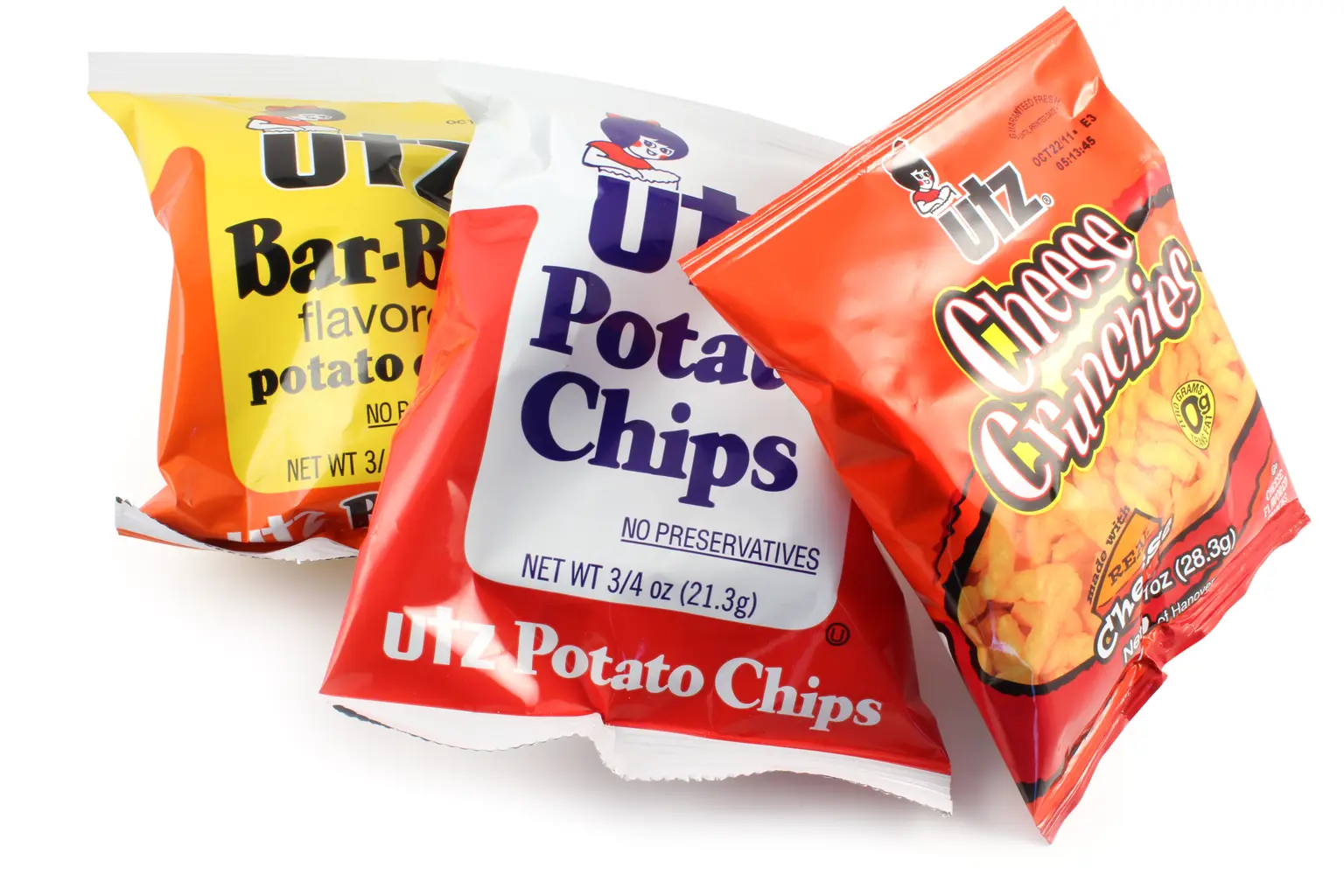
Utz Brands: Steady Business In The Snacking Industry
Seeking Alpha· 2025-09-06 08:47
Group 1 - Utz Brands, Inc. is the third-largest company in the US for salty snacks, with a history spanning over 104 years [1] - The company is focused on expanding its market presence and product offerings in the salty snack segment [1]

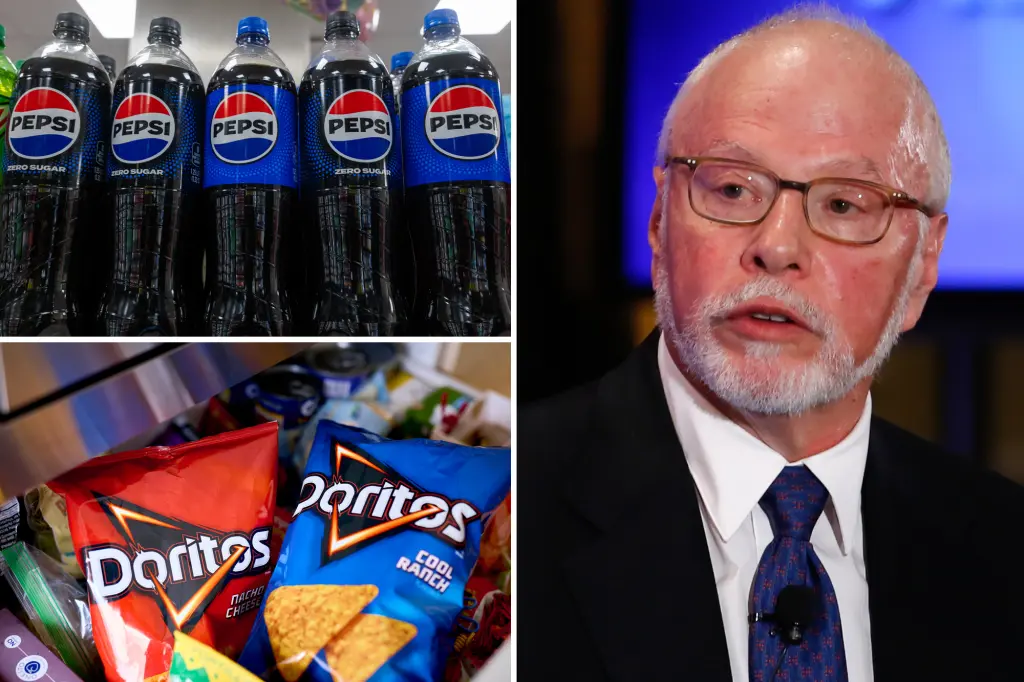
Elliott Management looks to put fizz back into Pepsi with $4B stake — as it presses for a turnaround
New York Post· 2025-09-02 18:01
Core Viewpoint - Elliott Investment Management has acquired a $4 billion stake in PepsiCo, aiming to increase the company's stock price by 50% through strategic changes [1][2][6]. Group 1: Investment and Stake - Elliott's investment makes it one of PepsiCo's largest shareholders, contributing to a 6% increase in the company's stock price [1]. - The current stock price of PepsiCo is $151.43, reflecting a recent increase of 1.9% [1]. Group 2: Strategic Plans - Elliott's letter to PepsiCo's board outlines plans to refranchise bottling operations and potentially eliminate under-performing brands [2]. - The activist hedge fund emphasizes the need for PepsiCo to sharpen focus, drive innovation, and enhance efficiency to unlock shareholder value [4]. Group 3: Market Position and Challenges - PepsiCo's soda segment has fallen to fourth place in U.S. sales volume, trailing behind Coca-Cola, Dr Pepper, and Sprite [4]. - The food business, which constitutes 60% of PepsiCo's revenues, is facing pressure due to slowing sales growth and rising costs [7][11]. - The company's market value has decreased to approximately $200 billion, a 25% decline from its peak of $270 billion in May 2023 [11]. Group 4: Historical Context and Comparisons - Previous activist efforts, such as those by Nelson Peltz's Trian Fund Management, have attempted to influence PepsiCo's strategy without success [8]. - Coca-Cola's successful restructuring in 2017 serves as a benchmark for potential changes at PepsiCo, with Coca-Cola's market value now nearing $300 billion [12].
Elliott Sends Presentation to Board of Directors of PepsiCo Inc.
Prnewswire· 2025-09-02 12:05
Core Viewpoint - Elliott Investment Management highlights a unique opportunity for PepsiCo to revitalize its growth and enhance financial performance through strategic focus and operational improvements, aiming to unlock substantial shareholder value [1][3][5]. Company Performance - PepsiCo has faced strategic and operational challenges leading to poor financial results, stock-price underperformance, and a dislocated valuation [2][4]. - The company's beverage segment, PepsiCo Beverages North America (PBNA), has underperformed its peers for over a decade, while the food segment, PepsiCo Foods North America (PFNA), has also begun to falter due to a challenging consumer environment and increased investment spending [10][11]. Strategic Recommendations - Elliott proposes a clear agenda to restore business momentum, including: 1. Reviewing PBNA's structure and portfolio to enhance focus and operational efficiency [14]. 2. Realigning PFNA's asset base and portfolio to improve profit margins and free up capital for reinvestment [14]. 3. Investing in profitable growth through targeted investments and disciplined capital allocation [14]. Financial Outlook - A more focused and streamlined PepsiCo could see a valuation re-rating, potentially delivering over 50% upside to shareholders from current levels [5][15]. Company Overview - PepsiCo operates with over $90 billion in revenue and has a strong presence in snacks and beverages, which are among the fastest-growing consumer packaged goods categories [8][9]. - The company has a significant international segment with long-term growth potential, despite recent underperformance in its North American businesses [12][13].
花生上树了?AI竟然敢这么玩
3 6 Ke· 2025-09-01 13:51
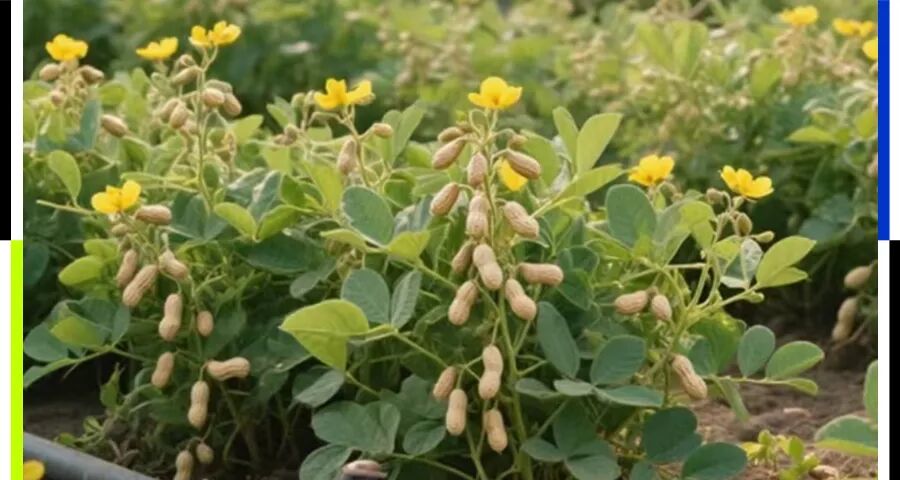
Core Viewpoint - The article discusses the pitfalls of using AI in marketing and advertising, highlighting a recent incident involving a snack brand that mistakenly depicted peanuts growing on trees, showcasing the limitations of AI's understanding of natural processes [8][10][49]. Group 1: Incident Overview - A well-known snack brand, Liangpin Puzi, faced backlash for using AI-generated images that inaccurately depicted peanuts growing on trees, leading to public ridicule [3][5][8]. - The brand issued an apology on August 28, acknowledging the error and updating the related promotional materials [8][10]. - This incident reflects a broader issue where AI-generated content can misrepresent reality, as seen in other examples like a woman with six fingers in an advertisement [15][19]. Group 2: AI Limitations - AI lacks true common sense and understanding of natural laws, relying instead on statistical probabilities from vast datasets, which can lead to absurd outcomes [13][49]. - The article emphasizes that while AI can enhance efficiency, it is not a foolproof solution and requires careful oversight to avoid damaging brand reputation [49]. Group 3: Broader Implications - The misuse of AI in advertising has led to a rise in misleading representations across various sectors, including e-commerce and food delivery, where businesses use AI to create appealing but unrealistic images [26][30]. - There is a growing concern about the potential for fraud, as consumers may exploit AI-generated images to manipulate product returns and refunds [42][44]. - The article concludes that the rise of AI necessitates a critical approach to visual content, urging consumers to remain vigilant and skeptical of overly perfect or bizarre images [49].
直播管理员称“吃了绝对不会抑郁”引争议!脆脆鲨致歉
Nan Fang Du Shi Bao· 2025-08-31 01:30
Group 1 - The snack brand "Crispy Shark" faced complaints from some netizens after a live stream administrator made a statement implying that eating their products would prevent depression, which some interpreted as a reference to the well-known actress Zhao Lusi, who has publicly discussed her struggles with depression [1] - The brand clarified that the statement was not intended as a joke about depression but was a response to disruptive comments from fans of certain artists during the live stream [1] - Following the incident, "Crispy Shark" conducted an internal investigation and acknowledged that a management error led to unauthorized personnel being set as live stream administrators, and they expressed regret for the mistake [1] Group 2 - "Crispy Shark" is a well-known snack brand specializing in chocolate wafer biscuits, established in 2009, with origins dating back to 1996 [1] - Recent sales data indicates that the official flagship store of "Crispy Shark" achieved sales between 250,000 to 500,000 yuan and sold between 10,000 to 25,000 items in the last 30 days [1] - The brand has not conducted any live streams since August 25, following the incident [1] Group 3 - In April, "Crispy Shark" announced actress Yu Shuxin as its brand ambassador, who is currently facing scrutiny due to past comments and allegations of financial misconduct related to her family business [2] - Yu Shuxin's studio has taken legal action against those spreading rumors about her, asserting that they will hold responsible parties accountable [2] - Another brand represented by Yu Shuxin, "Naturally", postponed a scheduled live event due to the ongoing controversies surrounding her [2]