信托

Search documents
绿色信托存续规模突破3000亿元,ESG风险模型面临“本土化”挑战
Sou Hu Cai Jing· 2025-09-10 20:33
Core Insights - The trust industry is gradually integrating ESG principles into its core business, with many companies establishing specialized governance structures and developing actionable business models in areas like green trust [2][3] - By the end of 2024, the total scale of green trusts in China is expected to exceed 300 billion yuan, indicating significant progress in ESG practices within the industry [2][6] Group 1: ESG Integration and Business Models - Multiple trust companies have completed the establishment of governance frameworks for ESG and have created viable business models in green trust [2][3] - As of the end of 2024, the trust industry has a total of 16.68 trillion yuan in funds supporting the real economy, accounting for 75% of the total trust scale [3][4] - Trust products under the ESG framework emphasize social value and environmental contributions, moving beyond just risk-adjusted returns [3][4] Group 2: Performance Metrics and Growth - The green trust scale of Wukuang Trust reached 6.402 billion yuan, while foreign trade trust issued green asset-backed securities totaling 6.441 billion yuan [2][3] - Shandong Guoxin reported a green trust scale of 4.229 billion yuan as of June 2025, with a year-on-year growth of 22.4% [5] - The charity trust of Shandong Guoxin delivered a cumulative amount of 189 million yuan, reflecting a growth of 16.7% since the beginning of the year [5] Group 3: Challenges and Future Directions - The trust industry faces challenges in localizing ESG risk models and establishing a unified data and evaluation system that aligns with China's context [9] - The China Trust Industry Association is working on creating a collection of green trust case studies to promote best practices in green finance [9]


8月份资产管理信托发行数量与规模同比双增
Zheng Quan Ri Bao· 2025-09-10 16:51
Core Insights - The asset management trust market showed strong performance in August, with significant year-on-year growth in both issuance and establishment [1] - The issuance of asset management trust products reached 2,654, marking a 4.12% increase month-on-month and a 25.79% increase year-on-year, with a disclosed issuance scale of 132.76 billion, reflecting a 1.87% month-on-month and a 37.67% year-on-year growth [1] - The establishment of asset management trusts also saw a year-on-year increase of over 10%, with 2,265 products established, although this represented a slight month-on-month decline of 1.31% [1] Issuance Market - The issuance of standard products (标品信托) was a key driver for the stable growth of the asset management trust issuance market, with 1,506 products issued in August, a month-on-month increase of 1.01% [1] - The internal structure of standard products showed mixed results, with fixed-income product issuance declining by 9.11%, while mixed products and equity products saw increases of 89.29% and 75.51% respectively [1] Establishment Market - In August, the disclosed establishment scale for asset management trusts was 71.67 billion, reflecting a month-on-month decline of 7.74% but a year-on-year increase of 14.92% [1] - Non-standard products saw a significant month-on-month decline in establishment scale by 20.11%, particularly in financial and infrastructure sectors, with financial products decreasing by 5.16 billion and infrastructure products by 8.48 billion [2] Market Dynamics - The decline in non-standard financial products was attributed to a significant drop in credit asset rights transfer business, with banks shifting towards standardized asset transfer methods like ABS, which can lower financing costs to below 2% [2] - The establishment of standard products saw a month-on-month decrease of 4.75%, but the disclosed establishment scale increased by 23.71%, indicating a shift in investor preferences towards equity markets [3] Strategic Insights - The development of standard trust products is seen as a necessary transition for trust companies under new asset management regulations, facilitating direct financing support for enterprises and enhancing the proportion of direct financing in the economy [3] - Standard trust products are expected to accelerate the industry's transition to net value management, aligning with investors' diverse financial needs and helping trust companies leverage their institutional advantages for competitive differentiation [3]
慈善信托规模近百亿 业内呼吁登记备案一体化
2 1 Shi Ji Jing Ji Bao Dao· 2025-09-10 11:01
Core Viewpoint - The new Charity Law in China, effective from September 5, 2024, marks a significant milestone for charitable trusts, enhancing their regulatory framework and promoting their recognition as a mature financial tool with social benefits [1][4]. Summary by Relevant Sections Development of Charity Trusts - Charity trusts in China have seen rapid growth, with over 2,550 registered trusts and a total scale exceeding 9.82 billion yuan as of September 9, 2025, representing a 10.7-fold increase from 840 million yuan in 2017 [1][5]. - The establishment of the Charity Law in 2016 laid the foundation for charity trusts, defining them as public welfare trusts managed by trustees according to the grantor's intentions [2][3]. Regulatory Framework - Recent regulations have clarified the annual expenditure and management fees for charity trusts, ensuring a minimum spending requirement and capping management costs [4][5]. - The classification of trust businesses has been refined, emphasizing the importance of charity trusts within the broader trust industry [4]. Asset Diversification and Innovation - Charity trusts are diversifying their asset types from cash to include equities and real estate, enhancing their operational capabilities for long-term funding and project-based initiatives [5][6]. - Various regions, including Beijing, Shanghai, and Hangzhou, are piloting innovative registration systems for equity charity trusts, indicating a trend towards more complex asset management [5][6]. Sector Expansion - The scope of charity trusts has expanded beyond traditional areas like education and poverty alleviation to include rural revitalization and ecological protection [7][8]. - Notable initiatives include the establishment of charity trusts focused on environmental conservation and community support, demonstrating the versatility of charity trusts in addressing diverse social issues [7][8]. Recommendations for Improvement - Industry experts suggest enhancing the integration of registration and filing processes for charity trusts to improve their operational efficiency and social impact [9][10]. - There is a call for the development of a comprehensive charity trust database to facilitate better management and collaboration among stakeholders, including trust companies and charitable organizations [9][10].
中粮资本:接受中泰证券等机构调研
Mei Ri Jing Ji Xin Wen· 2025-09-10 09:57
Group 1 - The core viewpoint of the article is that COFCO Capital (SZ 002423) has announced its participation in an investor meeting on September 10, 2025, where company representatives addressed investor inquiries [1] - For the first half of 2025, COFCO Capital's revenue composition is as follows: insurance accounted for 72.02%, trust for 15.3%, futures for 12.23%, and others for 0.46% [1] - As of the time of reporting, COFCO Capital's market capitalization stands at 30.1 billion yuan [1]


中粮资本(002423) - 2025年9月10日投资者关系活动记录表
2025-09-10 09:42
Group 1: Company Performance - In the first half of 2025, COFCO Capital achieved total revenue of CNY 4.893 billion and a net profit of CNY 1.314 billion, with net profit attributable to shareholders amounting to CNY 848 million [1] - COFCO Capital aims to become a leading comprehensive financial platform with a focus on serving the main business of COFCO Group, targeting specific goals for its business lines [1][2] Group 2: Business Strategies - COFCO Capital is implementing a four-category integrated financial service model focusing on national food security and COFCO Group's core business, including risk management, insurance, financing services, and rural support [2] - The company is enhancing its supply chain financial services, with rapid growth in the scale of supply chain finance and effective implementation of entrusted loan services [2] Group 3: Insurance Sector Focus - China-UK Life Insurance is committed to becoming a top joint venture life insurance company in China, with a focus on customer needs and core areas, emphasizing health, retirement, wealth, and inheritance [3] - In the first half of 2025, China-UK Life Insurance reported premium income of CNY 14.268 billion, a year-on-year increase of 31%, indicating strong business growth momentum [3] Group 4: Investment Performance - As of June 2025, COFCO Capital achieved a financial investment return rate of 2.27% and a comprehensive investment return rate of 4.32%, reflecting a commitment to quality investment [4]
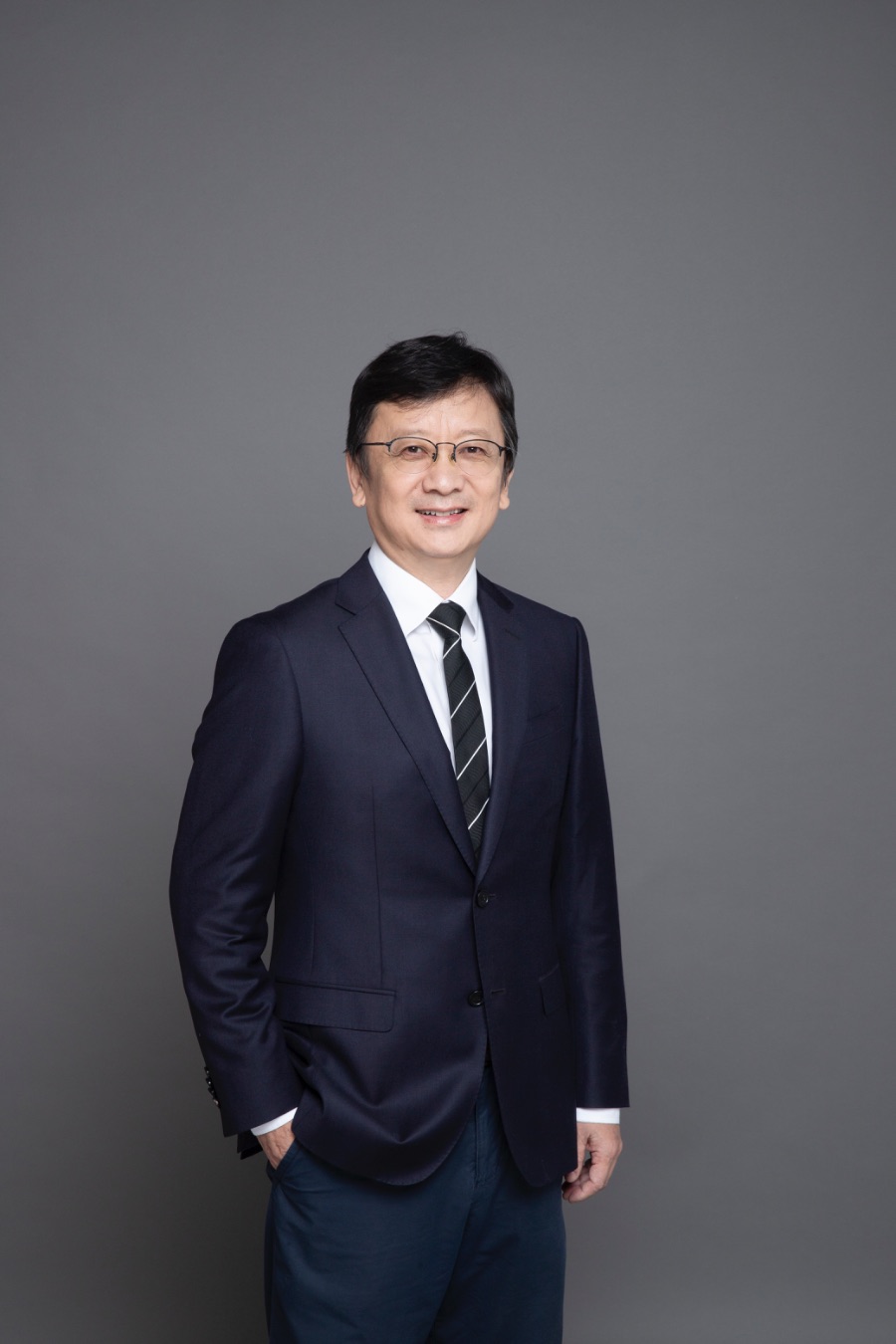
昆仑信托万钧:慈善信托有助国企更深融入共同富裕进程
2 1 Shi Ji Jing Ji Bao Dao· 2025-09-10 07:03
Core Viewpoint - Charitable trusts are emerging as a new model that integrates financial tools with public welfare goals, playing a significant role in serving national strategies and adjusting income distribution [1][4]. Group 1: Role of Charitable Trusts - Charitable trusts can effectively address national strategies by providing customized solutions for specific areas such as rural revitalization, common prosperity, and green development [5]. - The independent and sustainable management of charitable trusts allows for the perpetual operation of public welfare resources, enabling long-term investments in areas requiring sustained funding, such as renewable energy and ecological restoration [5][6]. - Charitable trusts serve as a cross-sector platform that integrates various stakeholders, including government, enterprises, and social organizations, to create a synergistic effect in resource allocation [5][7]. Group 2: Advantages for State-Owned Enterprises (SOEs) - SOEs possess significant funding and resource integration capabilities, allowing them to create large-scale public welfare funding pools through charitable trusts [7]. - The social credibility of SOEs provides a natural endorsement for charitable trusts, facilitating trust from the government, public, and beneficiaries [7][8]. - Charitable trusts enable SOEs to align their development outcomes with public welfare, thereby enhancing their role in promoting common prosperity [6][9]. Group 3: Challenges Faced by Charitable Trusts - There are challenges in aligning regulatory frameworks, as existing regulations may not fully accommodate charitable trusts within the scope of SOE donations [8]. - Public awareness and understanding of charitable trusts are limited, leading to high communication costs and low cooperation efficiency [8]. - The successful implementation of charitable trusts requires cross-disciplinary talents who are proficient in industry operations, charitable attributes, and trust mechanisms [8]. Group 4: Motivation for Establishing Charitable Trusts - Policy incentives drive SOEs to establish charitable trusts, as the government encourages new donation methods to support various social initiatives [9]. - The inherent responsibilities of SOEs necessitate their involvement in social welfare, making charitable trusts a strategic choice for fulfilling these obligations [9][10]. Group 5: Integration with Core Business - Charitable trusts can be integrated into the entire energy industry chain, addressing local issues such as education through targeted funding [10]. - SOEs can leverage their infrastructure to create a comprehensive public welfare network, ensuring long-term funding for charitable initiatives [10]. - This integration fosters a virtuous cycle where public welfare projects support business development, and business growth, in turn, enhances public welfare contributions [10].

监管新规叫停单一融资,信托行业全面迈入“组合化”时代
Huan Qiu Wang· 2025-09-10 07:00
Core Viewpoint - The Chinese trust industry is undergoing a significant structural transformation, with new pre-registration standards set to take effect on September 1, 2025, prohibiting non-standard trusts that provide financing to a single borrower, marking the end of the "credit-like" trust model and ushering in a period of "composite" investment [1][2]. Group 1: Regulatory Changes - The new guidelines from China Trust Registration Co., Ltd. (中信登) mandate that asset management trusts must implement composite investments and explicitly prohibit trusts that essentially provide financing to a single borrower [2]. - This regulatory shift is seen as a continuation of previous guidance, formalizing the requirement for composite investments and establishing clear boundaries for the industry’s transformation [2]. Group 2: Industry Transformation - The new regulations are expected to compel trust companies to accelerate their transition from a simplistic channel model to a wealth and asset management model centered on investor needs [3]. - Trust companies will need to evolve from being mere "lenders" to becoming "investment managers" with capabilities in asset allocation, risk diversification, and proactive management [3]. Group 3: Impact on Non-Standard Assets - The introduction of these regulations is anticipated to cause short-term challenges for the trust industry and the wealth management sector reliant on non-standard assets, as the attractiveness of such investments is expected to decline [5]. - In the long term, the regulations are viewed as a significant benefit for the healthy development of the industry, as they will lead to better risk dispersion and improved investor protection [5]. - The shift towards composite investment models will help mitigate the impact of risks from individual underlying assets on the overall product value, thus controlling potential investor losses [5]. Group 4: Market Adaptation - The industry is expected to reduce its reliance on non-standard assets, with a notable shift towards standardized and more transparent assets, optimizing the overall asset structure of wealth management products [5]. - Institutions like Ping An Wealth Management are planning to enhance their capabilities in diversified asset allocation, including bonds, ABS, REITs, and equities, to adapt to the new competitive environment [6].

21专访|昆仑信托万钧:慈善信托有助国企更深融入共同富裕进程
2 1 Shi Ji Jing Ji Bao Dao· 2025-09-10 06:50
Core Viewpoint - Charitable trusts are emerging as a new model that integrates financial tools with public welfare goals, playing a significant role in serving national strategies and adjusting income distribution in the context of promoting common prosperity and deepening financial supply-side reforms [1][2]. Group 1: Role of Charitable Trusts - Charitable trusts can effectively mobilize various social resources through professional asset management, addressing public needs in areas like green development and inclusive finance, while enhancing the credibility of financial services through transparency [3][4]. - The unique characteristics of charitable trusts allow for targeted service models that align with specific national strategies, such as rural revitalization and ecological protection [4]. - Charitable trusts enable sustainable operation of public welfare resources through mechanisms like "retaining principal and using interest," allowing funds to serve strategic goals over extended periods [4][5]. Group 2: Integration and Collaboration - Charitable trusts serve as a cross-sector platform that integrates resources from government, enterprises, and social organizations, creating synergistic effects that enhance the effectiveness of public welfare initiatives [4][6]. - The ability of state-owned enterprises (SOEs) to link industrial resources through charitable trusts is crucial for addressing imbalances in development and pooling donation resources [4][6]. Group 3: Transparency and Accountability - The structured operation of charitable trusts, including professional management and regular disclosures, ensures that funds are accurately aligned with specific national strategic goals, thereby enhancing public trust in charitable activities [5][6]. Group 4: Advantages and Challenges for State-Owned Enterprises - SOEs possess significant advantages in establishing charitable trusts due to their stable funding and resource integration capabilities, which can create large-scale public welfare funding pools [6][8]. - The public credibility of SOEs provides a natural endorsement for charitable trusts, facilitating trust from the government and the public [6][8]. - Challenges include regulatory complexities and a general lack of understanding of charitable trusts among the public and within SOEs, which can hinder effective collaboration and implementation [8][9]. Group 5: Motivation for Establishing Charitable Trusts - Policy incentives are a primary driver for SOEs to establish charitable trusts, as the government encourages the development of such trusts to support various social initiatives [9][10]. - The inherent responsibilities of SOEs to fulfill political and social obligations necessitate their involvement in charitable activities, with charitable trusts serving as a key mechanism for achieving these goals [9][10]. Group 6: Integration with Core Business - Charitable trusts can be integrated into the core operations of SOEs, leveraging industry advantages to create sustainable public welfare initiatives that align with business objectives [10]. - By embedding charitable projects within the entire energy industry chain, SOEs can address local community needs while simultaneously enhancing their operational footprint [10].
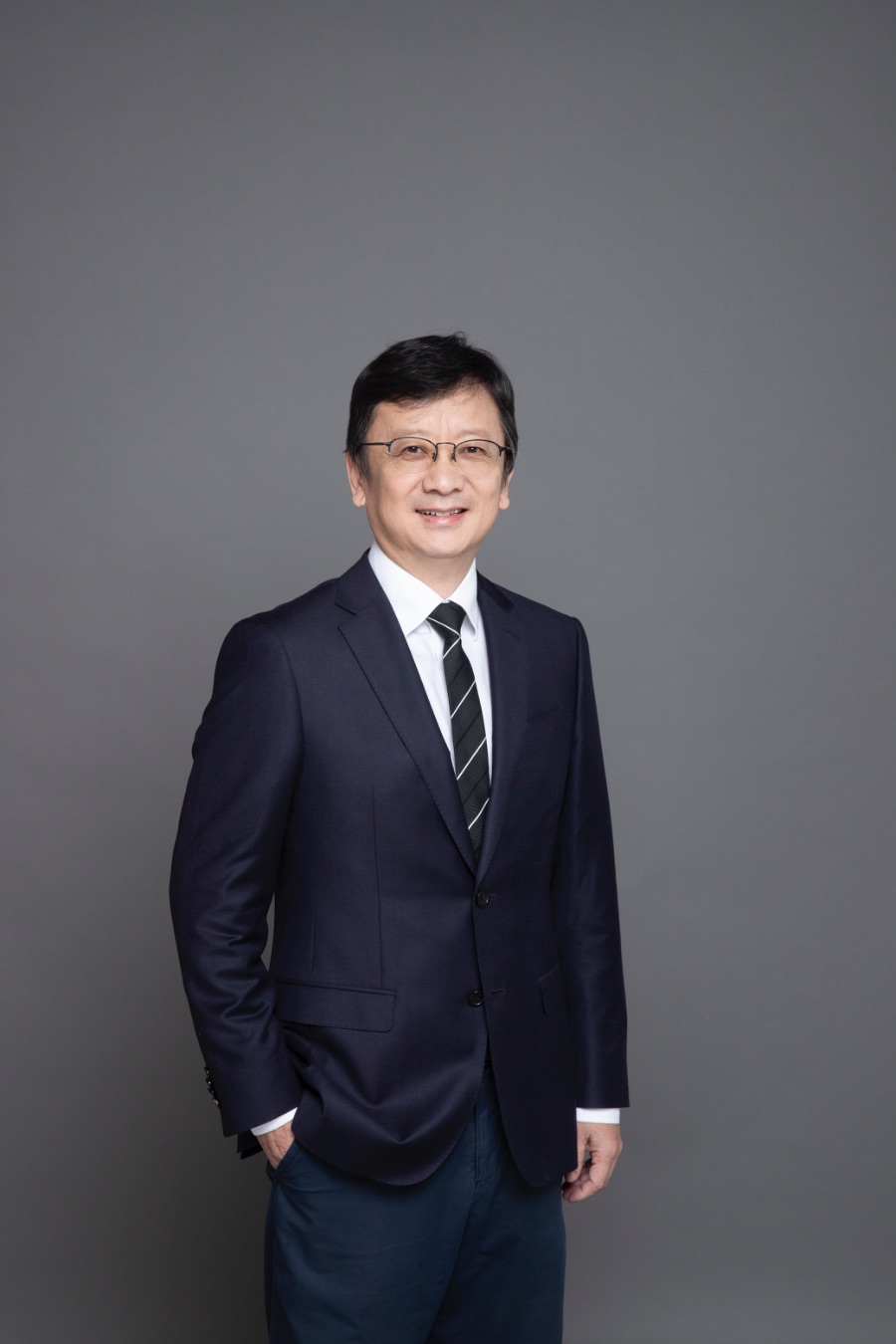
21专访|昆仑信托黄志斌:慈善信托有效拓宽财富流向慈善的渠道
2 1 Shi Ji Jing Ji Bao Dao· 2025-09-10 06:16
Core Viewpoint - The article discusses the innovative structure and practical challenges of charitable trusts, emphasizing the need for customized terms to meet diverse public welfare demands while balancing fund security and charitable effectiveness [1][4]. Group 1: Charitable Trust Structure Design - Charitable trusts can be designed with "customized terms" to address various public welfare needs, such as education, healthcare, and rural revitalization [4]. - The design allows clients to set the trust's name, purpose, decision-making model, beneficiary scope, fund usage, and duration, with regular disclosures to ensure public oversight [4]. Group 2: Investment Strategy - The primary focus of charitable trusts is on fund security, followed by liquidity and returns, with investments primarily in deposits, money market funds, cash management products, and high-rated bonds [4][8]. - The "leave the principal and use the interest" model is suggested for sustainable operations, ensuring that only investment returns are used for charitable expenditures [8]. Group 3: Challenges in Non-Monetary Charitable Trusts - The lack of a dedicated registration system for non-monetary assets like equity and real estate poses significant challenges for establishing charitable trusts [5]. - Current regulations require tax payments on non-monetary asset transfers, complicating the establishment of charitable trusts with such assets [5]. Group 4: Collaboration with Charitable Organizations - Charitable trusts and organizations complement each other, with trusts benefiting from the operational experience of established charitable organizations in project selection and management [6]. - Trust companies are encouraged to collaborate with reputable charitable organizations to enhance project execution efficiency [6]. Group 5: Fund Management and Supervision - Charitable trusts utilize unique advantages of the trust system, such as asset independence and flexible management, to ensure funds are used according to the trust agreement [7]. - Trust companies implement strict fund disbursement protocols, requiring project execution entities to provide complete documentation for fund usage [7]. Group 6: Regulatory Challenges - New regulations from the Ministry of Civil Affairs and the Financial Regulatory Bureau require charitable trusts to spend a minimum of 3%-6% of their net asset value annually, which may challenge the "leave the principal and use the interest" model [9]. - Trust companies must find financial products that meet return requirements while managing risks to ensure compliance with spending regulations [9]. Group 7: Innovative Practices by Kunlun Trust - Kunlun Trust has developed a wide range of charitable trust products addressing various social issues, including rural revitalization and community governance [10]. - The trust has established the first equity charitable trust registration case in the country and has launched several innovative charitable trust models [12].
第四届五矿产业金融论坛在京举行:ESG理念助力构建信托新生态
Sou Hu Cai Jing· 2025-09-07 20:18
Core Viewpoint - The forum emphasized the importance of ESG (Environmental, Social, and Governance) principles in transforming the trust industry and aligning with national strategies for high-quality development [2][4][11]. Industry Insights - The trust industry is currently in a "transformation critical period," where implementing ESG principles is both a regulatory requirement and a necessary choice for achieving high-quality development [4][5]. - The China Trust Industry Association is actively promoting the transition of the industry through various measures, including the revision of the "Green Trust Guidelines" and the introduction of the "ESG Disclosure Guidelines" [5][7]. Company Developments - Minmetals International Trust Co., Ltd. has committed to integrating ESG principles into its operations, viewing it as a mission and responsibility aligned with national strategies [11]. - The company reported a green trust balance of 6.402 billion yuan and has successfully developed benchmark products like "Green Investment No. 3" [16]. Financial Data - As of the end of 2024, the total funds in the trust industry supporting the real economy reached 16.68 trillion yuan, accounting for 75% of the total trust scale [14]. - Minmetals Trust's investments in the real economy amounted to 543.062 billion yuan, representing 85.21% of the total trust plan principal scale [16]. Future Outlook - The year 2025 is anticipated to be a breakthrough year for ESG principles, transitioning from theoretical advocacy to practical implementation within the trust industry [13]. - Experts at the forum discussed pathways for ESG innovation in the trust business value chain, indicating a shift towards high-quality development in service to the real economy [17].