天然气

Search documents
韩重整关键矿产供应链
Shang Wu Bu Wang Zhan· 2025-12-09 18:19
近期韩政府召开资源安全协商会,审议了运营规程、资源安全强化方案、核心供需机构指定、稀土 供应链对策以及第5次石油储备计划等五大议题。政府将通过建立国家级综合数据库与预警体系,将危 机应对模式从事后处理转为事前预防与常态监测。 韩国《亚洲经济》12月5日报道,韩国政府依据《国家资源安全特别法》,全面推进能源与矿物资 源供应链政策重构,以应对长期化的全球地缘政治风险与关键资源供需不稳定。 稀土供应链被列为本次政策的最重要议题。韩国将17类稀土全部纳入关键矿物,推出短、中、长期 路线图:短期着重稳定从中国的供应与提升储备;中期推动美国、澳大利亚、日本、东南亚等多元化供 应链合作与联合投资;长期聚焦国内精炼能力培育、回收体系建设及相关研发投入。 政府同时强化政企联合危机响应架构,将炼油、天然气和矿物企业指定为核心供应机构,将半导 体、汽车等行业龙头指定为核心需求机构,并在供应风险或价格异常时实现快速汇报与多渠道协同处 置。海外资源开发政策将全面转向项目基准模式,国家将以定制化政策包支持企业分担风险,提高贷款 支持比例,并将关键矿物储备从100天提升至180天,同时推动天然气储备体系双轨化。 (原标题:韩重整关键矿产供 ...
首华燃气(300483):收入气量同比大增,煤层气开采迎来发展机遇
Guotou Securities· 2025-12-09 14:57
Investment Rating - The report assigns a "Buy-A" investment rating to the company, with a target price of 17.33 yuan based on a 14x PE for 2026 [5][16]. Core Insights - The company has experienced significant growth in natural gas production and sales, with production increasing by 116% year-on-year to 420 million cubic meters and sales rising by 109% to 640 million cubic meters in the first half of 2025 [1]. - The company benefits from a strong resource reserve and cost control, with proven reserves of coalbed methane reaching 88.7 billion cubic meters and economically recoverable reserves at 34.24 billion cubic meters [1]. - The company has improved its investment efficiency, reducing the single well investment cost to 29 million yuan and achieving a lower cost of 0.53 yuan per cubic meter, a 36.09% decrease from 2024 [1][10]. Revenue and Profit Forecast - Revenue is projected to grow significantly, with estimates of 2.802 billion yuan in 2025, 3.365 billion yuan in 2026, and 3.9 billion yuan in 2027, reflecting growth rates of 81.3%, 20.1%, and 15.9% respectively [4][10]. - The net profit is expected to turn positive, with forecasts of 36 million yuan in 2025, 336 million yuan in 2026, and 556 million yuan in 2027 [10][11]. Business Development - The company has expanded its pipeline network through strategic acquisitions, enhancing its "development-pipeline-sales" business model, which has led to an 85% year-on-year increase in transportation volume to 468 million cubic meters in the first half of 2025 [2]. - The company is positioned to benefit from favorable policies promoting unconventional oil and gas development, which are expected to enhance energy security and increase domestic natural gas supply [3]. Financial Metrics - The report highlights a significant improvement in gross margin, projected to reach 12.5% in 2025, 15% in 2026, and 20% in 2027 [10][11]. - The company’s earnings per share (EPS) is expected to improve from -0.85 yuan in 2023 to 2.04 yuan by 2027 [11][18].

特朗普没料到,中国敢这么跟美国打,美国人:首次感受到本土作战
Sou Hu Cai Jing· 2025-12-09 14:12
Group 1 - The trade war initiated by the Trump administration involved significant tariff increases on Chinese imports, starting with a 34% tariff that escalated to 145% by the end of April 2025 [1][5][11] - China's response included retaliatory tariffs on U.S. agricultural products, specifically targeting key states that supported Trump, such as soybeans and corn, which directly affected his voter base [3][5] - Major U.S. retailers like Walmart reported a 20% increase in prices for electronics and clothing due to rising import costs, leading to consumer dissatisfaction and supply chain issues [5][9] Group 2 - By mid-April, the escalating tariffs led to significant disruptions in the U.S. economy, with major retailers warning that high tariffs could sever supply chains and exacerbate existing problems [5][7] - The economic impact was felt broadly, with nearly 40% of American adults lacking $400 in emergency funds, indicating a vulnerability to rising prices [7] - As the trade war progressed, the U.S. stock market experienced volatility, with the Dow Jones index dropping over 10%, and investors began to sell off U.S. Treasury bonds [9][11] Group 3 - By June, Trump acknowledged the unsustainable nature of the 145% tariffs and indicated a need for significant reductions, as global capital began to flow out of the U.S. [11] - In November, after negotiations, an agreement was reached to lower tariffs, with China agreeing to increase purchases of U.S. soybeans by at least 12 million tons [13] - The trade conflict highlighted the need for dialogue between the U.S. and China, as both sides faced economic pressures and the realization that the trade war was not a zero-sum game [15]


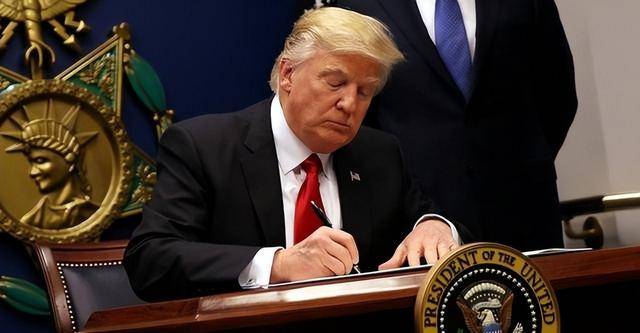
澳新银行:欧洲气价跌至一年低点 暖冬与可再生能源压制需求
Ge Long Hui A P P· 2025-12-09 13:52
Core Viewpoint - European natural gas prices have dropped over 40% this year, primarily due to sufficient liquefied natural gas (LNG) supply alleviating market concerns, despite winter storage levels being below average [1] Group 1: Price Trends - The benchmark Dutch TTF natural gas futures contract is currently trading at approximately €27 per megawatt-hour, marking the lowest level in over a year [1] - The significant drop in prices is attributed to higher-than-normal temperatures across much of Europe this winter, which has reduced the demand for natural gas [1] Group 2: Supply and Demand Dynamics - Strong winds have increased renewable energy generation, further suppressing the demand for natural gas [1] - Major LNG importing countries in Northeast Asia have sufficient winter inventories, which has reduced competition for spot cargoes and eased procurement pressure for European buyers [1] Group 3: Storage Levels and Risks - The current filling rate of natural gas storage facilities in the EU is only 72%, which is notably below the five-year average, indicating potential upward price risks if a cold snap occurs [1]
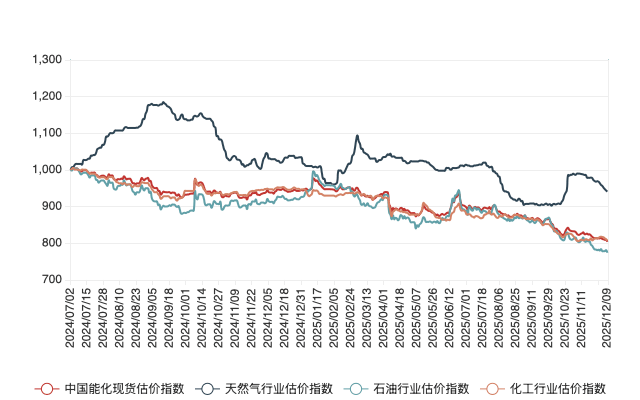
12月9日中国能化现货估价指数(CECSAI)较前一工作日下跌0.67%
Sou Hu Cai Jing· 2025-12-09 12:00
Core Viewpoint - The China Energy and Chemical Spot Price Index has decreased, indicating a downward trend in the energy and chemical sectors, with sellers lacking confidence in the market outlook [6]. Group 1: Index Performance - As of December 9, 2025, the China Energy and Chemical Spot Price Index is reported at 804.06 points, down 5.44 points or 0.67% from the previous working day, and down 195.94 points or 19.59% from the base period (July 2, 2024) [1]. - The oil industry index stands at 774.13 points, reflecting a decrease of 7.18 points or 0.92% from the previous working day [1]. Group 2: Sector-Specific Indices - The natural gas industry index is at 940.98 points, down 3.02 points or 0.32% from the previous working day [2]. - The chemical industry index is reported at 807.25 points, down 3.87 points or 0.48% from the previous working day [3]. Group 3: Market Conditions - International crude oil futures closed lower, contributing to a general decline in domestic energy and chemical product prices, leading to a reduction in the spot price index [6]. - Sellers exhibit a lack of confidence in future market conditions, compounded by downstream demand-driven procurement, resulting in lower purchase volumes and a subdued market transaction atmosphere [6]. Group 4: Price Monitoring Data - The monitoring data for the current period shows various price changes across different products, with crude oil at 3293 yuan per ton, down 73 yuan or 2.17% from the previous period [7]. - Gasoline prices in North China are at 7225 yuan per ton, down 15 yuan or 0.21%, while diesel prices in East China are at 6510 yuan per ton, down 10 yuan or 0.15% [7][8]. - Chemical products such as polypropylene (PP) in Shandong province are priced at 6215 yuan per ton, down 25 yuan or 0.40% [9].
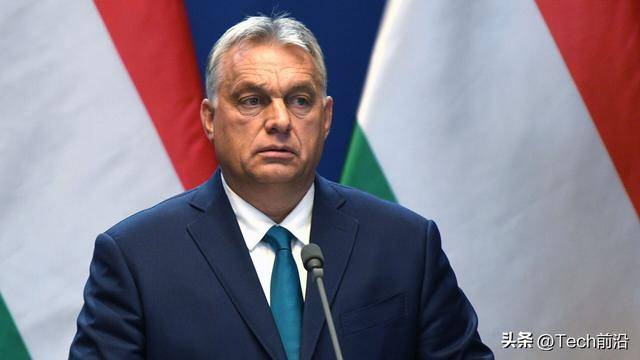
绕开欧盟制裁?俄气借道土耳其,匈总理:我有美国通行证
Sou Hu Cai Jing· 2025-12-09 11:59
Group 1 - The core viewpoint of the article highlights Hungary's strategic decision to secure natural gas supplies from Russia, contrasting with the EU's collective move to reduce reliance on Russian energy [1][4]. - Hungary's agreement with Turkey for gas transit represents a significant deviation from EU energy policies, showcasing a pragmatic approach to energy security [3][4]. - The article emphasizes that Hungary's actions reflect a broader trend of countries seeking autonomy from EU directives, indicating a potential shift in the European energy landscape towards fragmentation [7]. Group 2 - The article discusses the failure of many EU countries to find reliable alternatives to Russian energy, leading to chaos in the European energy market [2]. - Hungary's proactive measures, including securing gas supply agreements with Russia and obtaining a waiver from the U.S. regarding sanctions, position it uniquely within the EU [3][4]. - The cooperation between Hungary and Turkey is framed as a response to the EU's rigid energy policies, highlighting the tension between political correctness and economic realities [5][7].
署名文章︱国家能源局发展规划司:加快建设新型能源体系
国家能源局· 2025-12-09 11:35
Core Viewpoint - The article emphasizes the importance of accelerating the construction of a new energy system and building an energy powerhouse as central tasks for high-quality energy development in China, guided by the principles set forth by the Communist Party and recent strategic directives [3][4][5]. Group 1: Principles for New Energy System Construction - The construction of a new energy system must adhere to the principle of comprehensive leadership by the Party, ensuring that energy development aligns with national strategies and maintains a correct direction [4]. - The concept of prioritizing people's needs is crucial, focusing on improving energy supply quality and ensuring equitable access to energy resources for all citizens [5]. - The strategy emphasizes self-reliance in energy security, advocating for a robust domestic energy supply system to mitigate external uncertainties [6]. - A green and low-carbon development approach is essential, with a focus on transitioning to non-fossil energy sources and achieving carbon neutrality goals [7]. - Innovation is highlighted as the primary driving force for energy development, with a call for technological advancements to lead the energy sector [8]. - Deepening energy system reforms is necessary to enhance market efficiency and governance structures [9]. Group 2: Achievements During the 14th Five-Year Plan - Significant improvements in energy security and supply resilience were achieved, with total energy production reaching approximately 5 billion tons of standard coal, a nearly 40% increase over the past decade [10]. - The transition to a greener energy structure was marked by a doubling of non-fossil energy consumption, which now accounts for about 20% of total energy consumption [11]. - Technological advancements in energy production and equipment have led to a notable increase in the modernization of the energy industry, with significant breakthroughs in nuclear power and renewable energy technologies [12]. - The establishment of a comprehensive energy market system has been initiated, enhancing market dynamics and participation from various stakeholders [13]. - International cooperation in energy has been strengthened, with significant projects and partnerships established globally, contributing to a more stable energy supply chain [14]. Group 3: Strategic Planning for the 15th Five-Year Plan - The 15th Five-Year Plan aims to establish a clean, low-carbon, safe, and efficient new energy system, focusing on energy security, economic feasibility, and technological innovation [15]. - Optimizing the spatial layout of energy resources and infrastructure is a priority, with plans for distributed energy development and enhanced energy base construction [16]. - The transition to a green and low-carbon energy system will be accelerated, with specific targets for non-fossil energy consumption by 2030 [16]. - Building a resilient energy supply chain is essential, with a focus on enhancing domestic oil and gas production and establishing a robust energy reserve system [17]. - Advancements in energy technology are prioritized, with a focus on both hard and soft innovations to support the new energy system [18]. - Legal and regulatory frameworks will be strengthened to support high-quality energy development and market reforms [19]. - International cooperation will be expanded to ensure the stability of global energy supply chains and promote sustainable energy development [20].

绕开欧盟禁令?匈牙利土耳其签协议,俄气直通匈牙利有戏
Sou Hu Cai Jing· 2025-12-09 10:14
Core Viewpoint - Hungary has secured a crucial agreement with Turkey to ensure the transit of Russian natural gas, which challenges the EU's energy sanctions against Russia and provides Hungary with a lifeline in its energy crisis [1][4]. Group 1: Hungary's Energy Dependency - Hungary relies heavily on Russian energy, with 74% of its natural gas and 86% of its oil coming from Russia. This year alone, 7.5 billion cubic meters of gas have been transported from Turkey to Hungary, accounting for nearly 40% of its total gas demand [3]. - The EU is planning to implement new sanctions against Russian energy, including a gradual ban on pipeline imports of Russian gas starting in September 2027 and a ban on Russian crude oil by the end of the year, which poses a significant threat to Hungary's energy structure [3]. Group 2: Political Maneuvering - The agreement with Turkey is seen as a key step in Hungary's strategy to counter EU sanctions. Turkey's neutral position allows it to facilitate Russian gas transport while avoiding some sanctions risks [4]. - Hungary's Prime Minister, Viktor Orbán, has expressed strong opposition to the EU's sanctions, claiming they are illegal and violate EU values. He has warned that if the sanctions are enforced, energy costs for Hungarian households could triple [3][4]. Group 3: International Relations and Implications - Orbán's recent agreement with the U.S. provides Hungary with a "no-penalty" assurance regarding its energy imports from Russia, granting Hungary a unique position within the Western sanctions framework [2][6]. - The collaboration with Turkey effectively adds a "double insurance" to Russian gas transport, allowing Hungary to reduce its dependence on the EU's energy network [6]. - The situation highlights the EU's dilemma, as it has not provided alternative solutions for energy-dependent member states like Hungary, potentially leading to a breakdown of the EU's sanctions system if other countries follow Hungary's lead [6].
欧盟敲定协议 将全面停止进口俄罗斯天然气并逐步停止石油进口
Sou Hu Cai Jing· 2025-12-09 08:37
【永久禁止进口俄罗斯天然气】 根据新框架,俄罗斯天然气进口将逐步且不可逆转地停止。液化天然气进口将于2026年12月31日停止,管道天然气进口则必须在2027年9月30日 前停止。对于难以达到规定天然气储存水平的国家,可有限度地将管道天然气进口延期至2027年10月31日。 针对不同类别的合同也制定了具体时间表: 欧盟达成了一项具有里程碑意义的临时政治协议,将永久停止进口俄罗斯天然气,并启动全面淘汰俄罗斯石油供应的计划。欧洲议会与欧盟理事 会的这一联合决定,标志着欧洲能源战略的重大转变,旨在彻底消除欧盟长期以来对俄罗斯能源供应的依赖。 根据"可再生能源欧盟计划"(REPowerEU),将俄罗斯化石燃料从欧盟能源结构中剔除被视为增强欧洲自主性、竞争力和韧性,同时确保能源市场 更加稳定的关键一步。欧盟委员会主席乌尔苏拉·冯德莱恩强调了该协议的历史意义,指出欧洲正果断迈向一个摆脱俄罗斯能源控制的未来。 她表示,REPowerEU计划不仅在近几十年来最严重的能源危机期间保护了欧盟,也推动了欧盟以前所未有的速度摆脱对俄罗斯化石燃料的依赖。 她指出,通过永久停止从俄罗斯进口能源,欧盟正在减少俄罗斯用于战争的财政收入,并为 ...
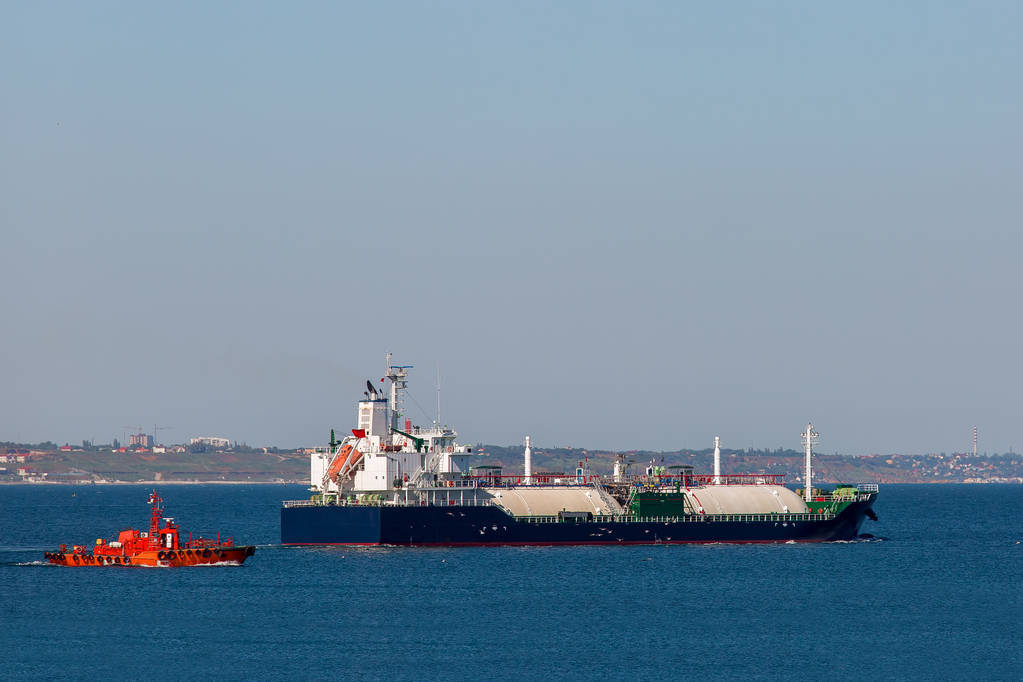
走近天然气冬供一线:“数字哨兵”上岗 智慧守护能源动脉
Zhong Guo Qing Nian Bao· 2025-12-09 05:20
Core Viewpoint - The article highlights the advancements in digital transformation and smart technology integration in China's natural gas sector, particularly focusing on the operations at the Jiangsu Rudong LNG receiving station and its role in ensuring energy security during the winter supply season [5][6]. Group 1: LNG Operations - A ship from Papua New Guinea carrying 150,000 cubic meters of LNG docked at the Jiangsu Rudong LNG receiving station in early December [2][4]. - Since the beginning of the winter supply season, the LNG receiving stations operated by China National Petroleum Corporation (CNPC) have unloaded a total of 20 LNG vessels, achieving a record high in gas output [6]. Group 2: Smart Technology Integration - The Jiangsu Rudong LNG receiving station employs smart inspection robots and other advanced technologies to enhance operational efficiency and safety, ensuring stable operations of the energy hub with an annual unloading capacity exceeding 10 million tons [5]. - The integration of big data, IoT, and simulation technologies into the natural gas supply chain is aimed at providing digital support for national energy security and winter gas supply [5]. Group 3: Energy Supply Impact - The energy supply from the LNG receiving stations supports 17 key sectors, including agriculture, electricity, industrial manufacturing, and transportation, benefiting over 500 million urban and rural residents across the country [6]. - The main gas source for the Changshu gas station comes from the "North Gas Southward" energy corridor, which connects with local gas companies to ensure stable gas supply for residents during winter [5].