服装零售

Search documents
你买的“大牌尾货”,可能是别人穿过的!《财经调查》曝光
Sou Hu Cai Jing· 2025-12-22 00:49
Core Viewpoint - A significant number of consumers have reported that live-streaming sales claiming to offer "brand surplus" and "sample garments" are actually selling low-quality, second-hand clothing, often with undisclosed defects and misleading pricing strategies [1][3][23]. Group 1: Consumer Complaints - Consumers have expressed concerns about live-streaming platforms selling items labeled as "new sample garments" or "brand surplus," which are actually second-hand clothes [3][12]. - Items purchased from these live-streams often show clear signs of wear, such as stains and damages, indicating they are not new [3][5][20]. Group 2: Supply Chain Insights - Investigations revealed that many of these live-streamed garments originate from old clothing recycling bins, with some items being sourced from garbage [10][25]. - Old clothing recycling companies report high demand from live-stream sellers, with some companies selling dozens of tons of recycled clothing daily [12][15]. Group 3: Sales Tactics - Live-stream sellers use deceptive marketing language, such as "slightly dirty" or "slightly flawed," to avoid disclosing the second-hand nature of the items [5][23]. - Sellers often emphasize the aesthetic appeal of the items through lighting and presentation, making it difficult for consumers to discern the actual condition of the clothing [21][27]. Group 4: Market Dynamics - The market for second-hand clothing is thriving, with significant sales volumes reported by various live-streaming platforms, some generating substantial daily revenues [17][44]. - The practice of refurbishing second-hand clothing and selling it as new is common, with sellers often using new tags to mislead consumers [27][40].

直播间“大牌尾货”竟是回收箱旧衣服,央视曝光旧衣回收产业链内幕
Xin Lang Cai Jing· 2025-12-21 15:33
Core Viewpoint - Recent consumer complaints highlight that some live-streaming sales platforms, which promote "brand surplus" and "unique samples," are secretly selling low-quality, misrepresented products with unclear origins and unfair return policies [1] Group 1: Industry Practices - Many live-streaming merchants are selling second-hand clothing under the guise of "new" items, often using terms like "micro-dirt" and "micro-flaw" to attract consumers [27][32] - The practice of selling refurbished second-hand clothing as "surplus" or "sample" items is widespread, with merchants emphasizing the appearance of newness through new tags and packaging [22][23] - A significant portion of the clothing sold in these live-streams comes from old clothing recycling facilities, with some merchants admitting to sourcing from various origins, including garbage dumps [27][30] Group 2: Consumer Deception - Merchants in the live-streaming industry are trained to avoid mentioning the second-hand nature of the clothing, instead using marketing language to create a perception of high quality [28][32] - Reports indicate that many live-streaming platforms are selling items that have visible signs of wear, such as stains and damages, while still marketing them as new [33] - The average daily sales volume for some second-hand clothing recycling companies can reach several tons, indicating a high demand for these products in the live-streaming market [30]
直播间“大牌尾货”竟是回收箱旧衣服!旧衣回收产业链内幕曝光
Xin Lang Cai Jing· 2025-12-21 15:33
Core Viewpoint - The article highlights the deceptive practices of live-streaming sellers who market second-hand clothing as "new samples" or "brand excess inventory," often selling low-quality items with undisclosed origins and misleading terms like "default as defective, no returns or exchanges" [1][3][22] Group 1: Deceptive Practices - Many live-streaming sellers claim to sell "new sample clothes" or "brand excess inventory," but are actually selling second-hand clothing at very low prices [3][22] - Sellers use phrases like "slightly dirty" or "slightly flawed" to mislead consumers about the true nature of the products, avoiding any mention of their second-hand status [5][22] - Investigations revealed that items sold as "samples" often show clear signs of previous use, including stains and wear [6][19] Group 2: Supply Chain and Sourcing - Old clothing is sourced from recycling bins, with some sellers admitting to obtaining items from garbage stations, packaging them as high-quality products for profit [9][22] - The demand for second-hand clothing in live-streaming sales is high, with some recycling companies reporting daily sales of dozens of tons of old clothing [12][14] - Live-streaming sellers often purchase these items in bulk from recycling facilities, emphasizing the need to avoid mentioning their second-hand nature to maximize sales [19][41] Group 3: Renovation and Reselling - Some second-hand clothing is refurbished and sold as new, with sellers using new tags to disguise the items' true origins [24][35] - A significant portion of the clothing sold in live-streams is actually refurbished second-hand items, which are marketed as "factory excess" or "samples" to attract buyers [35][41] - The refurbishment process is sophisticated enough that it is difficult for consumers to identify the items as second-hand, allowing sellers to charge higher prices [33][38]
财经调查丨新买的衣服有刺鼻味要警惕!大量翻新旧衣流入直播间
Sou Hu Cai Jing· 2025-12-21 12:58
编辑:王昕宇 转载请注明央视财经 (央视财经《财经调查》)二手回收旧衣物中,成色、品相最好的那批货,早就被挑走进行翻新处理, 挂上吊牌后当作新品售卖,商户可借此获取更高利润。总台《财经调查》记者结识了一位叫阿东的主 播,阿东告诉记者,在当地尾货市场里,若没有熟悉内情的"行家"带路,根本拿不到翻新货的货源。阿 东带记者来到万邦汇捷进出口贸易有限公司,老板介绍,店内各类翻新二手货品相良好,新进的一批风 衣甚至无需清洗,可直接当作"尾货"出售。 老板又带记者前往另一仓库查看翻新羊绒大衣。刚进仓库,一股刺鼻气味扑面而来,老板称这是翻新所 用化学药剂的残留气味。老板透露,其翻新工艺精湛,非行家难辨痕迹,全国各地货物皆汇集于此翻 新,成品销量可观,几乎所有拿货者都会将翻新旧衣当作新品售卖,对外宣称是工厂"尾货"或"样衣", 直播间和实体店均会来此进货。 ...
财经调查丨粉底印、油渍…你买的直播间样衣可能是别人穿过的
Sou Hu Cai Jing· 2025-12-21 12:54
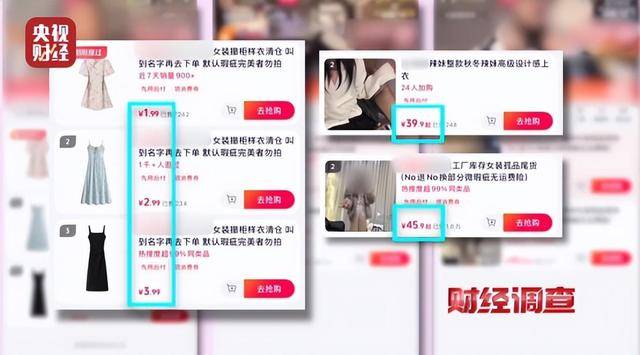
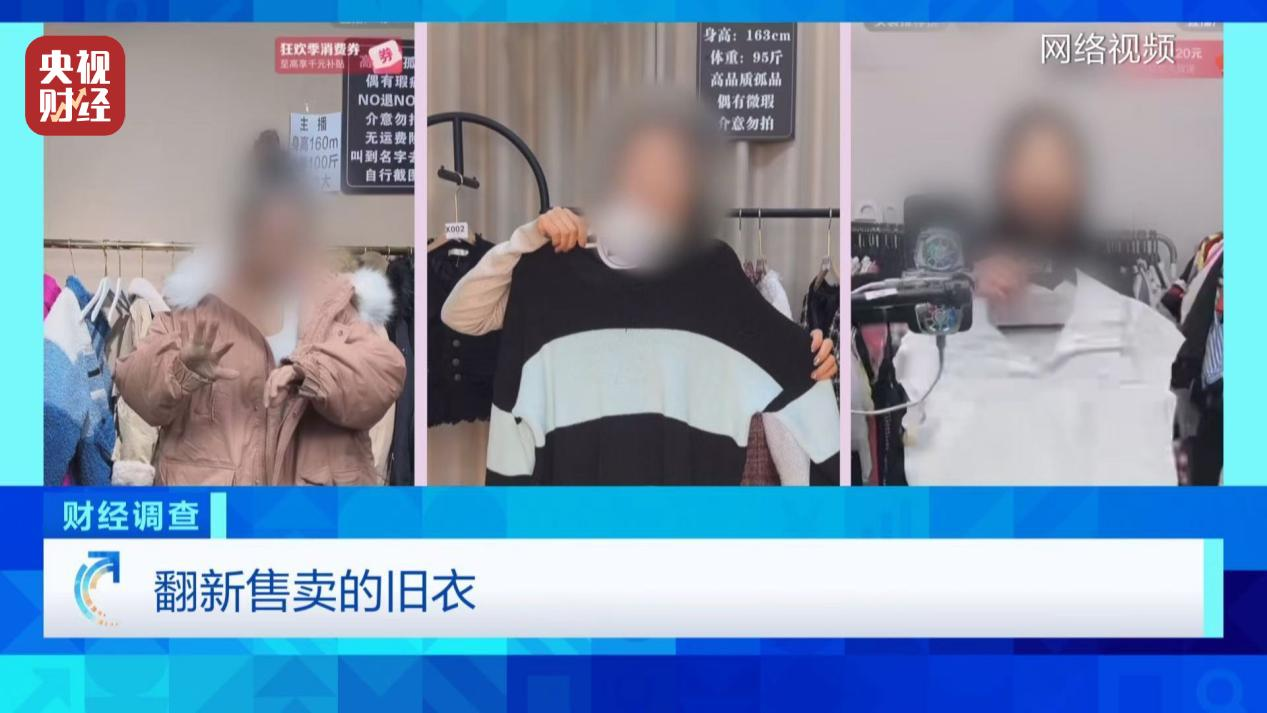
转载请注明央视财经 编辑:王昕宇 (央视财经《财经调查》)不少消费者向总台《财经调查》反映,部分主打"大牌尾货""孤品样衣"的直 播间,以6元3件包邮等低价售卖商品,实则为来源不明的二手旧衣。记者根据线索,从"熙熙女装搭 配"直播间仅花6元购得3件包邮的所谓"样衣尾货"。这些衣物乍看尚可,细看却破绽明显:白色上衣领 口、腋下有黄渍和粉底印,黑色短裙裙摆沾有油渍,白色上衣下摆和腋下存在脱线问题,显然都是被穿 过的二手旧衣。面对消费者可能的询问或质疑,直播间商家早有准备。他们用"微脏""微瑕"的话术销 售,只字不提二手属性,仅以"样衣""尾货"解释来源。记者调查发现,这些旧衣的主要来源是城市小区 的旧衣回收箱,形成隐秘货源链条。 ...
传拉夫劳伦高管或担任lululemon CEO;山姆在华门店达63家;呷哺呷哺将推出牛排品牌|品牌周报
3 6 Ke· 2025-12-21 12:52
Group 1: Leadership Changes and Strategic Moves - lululemon's current CEO Calvin McDonald will step down at the end of January 2026, prompting the board to initiate a succession process [1] - Elliott Investment Management has acquired over $1 billion in lululemon shares and is actively involved in company governance, suggesting potential strategic changes [1] - Elliott is recommending Jane Nielsen, a seasoned executive from Ralph Lauren, as a potential successor for lululemon's CEO position [1] Group 2: Financial Performance - lululemon reported a 7% year-over-year increase in global net revenue for Q3 2025, reaching $2.6 billion, with a 2% decline in the Americas and a 33% increase in international revenue [1] - In the same earnings call, McDonald highlighted strong performance in mainland China, expecting annual net revenue growth to meet or exceed the upper range of 20% to 25% [2] - lululemon plans to open approximately 46 new stores this year, with 15 in the Americas and a significant number in international markets, primarily in China [2] Group 3: Competitor Insights - Nike reported Q2 2026 revenue of $12.4 billion, with a 3% decrease in inventory compared to the previous year, and $1.423 billion in revenue from the Greater China region [2] - Nike's CEO Elliott Hill emphasized the company's focus on long-term growth and profitability through restructuring and strategic initiatives [3] Group 4: Market Expansion and New Initiatives - Musinsa, a South Korean fashion platform, opened its first store in China, marking a significant step in its global expansion strategy [6] - Sam's Club in China opened its 63rd store, with plans to continue expanding its presence in the market [3][4] - Three major brands, including DESCENTE, are actively engaging in marketing and brand positioning efforts to enhance their market presence [10]
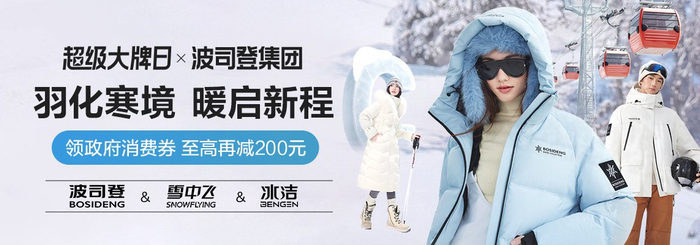
羽绒服消费市场火热 波司登携手唯品会上线超级大牌日
Zheng Quan Ri Bao Zhi Sheng· 2025-12-21 12:36
Group 1 - The core viewpoint of the articles highlights the surge in demand for down jackets due to a nationwide cold wave, with promotional activities by e-commerce platform Vipshop significantly enhancing discounts on popular brands like Bosideng [1][4]. - Vipshop launched a promotional event on December 21, offering discounts up to 1000 yuan on hot-selling styles, combined with an 80% government consumption voucher applicable to Bosideng down jackets, allowing consumers to save up to 200 yuan on a single purchase [1]. - The platform's deep discounts and government vouchers create unprecedented levels of savings, encouraging both individual and family consumers to purchase multiple down jackets for winter [1]. Group 2 - Consumer preferences for down jackets vary regionally, with southern consumers favoring "light and thin" jackets for their versatility and ease of carrying, while northern consumers prefer long functional jackets designed to withstand harsh cold [2]. - Regardless of region, consumers exhibit high standards for performance and quality, showing a tendency to choose well-known brands. Sales of Bosideng down jackets have seen double-digit growth month-over-month, indicating the onset of the peak sales season [4]. - Popular styles among younger users include the classic business series, comfortable life series, light warm goose down 2.0 series, and sports series, with specific trendy designs like the bread jacket and puff jacket gaining significant traction [4].

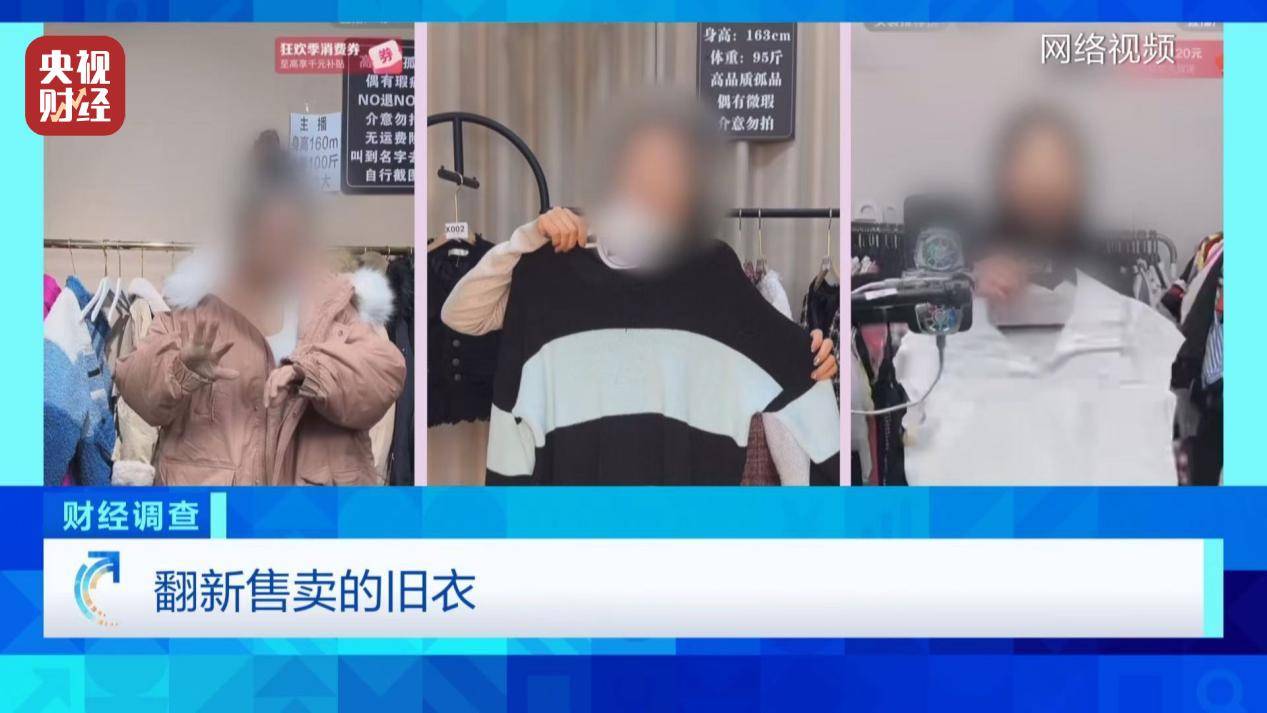
直播间“大牌尾货”竟是回收箱旧衣服!总台《财经调查》曝光旧衣回收产业链内幕→
Sou Hu Cai Jing· 2025-12-21 12:29
Core Viewpoint - The article highlights the deceptive practices of certain live-streaming sellers who market second-hand clothing as "new samples" or "brand excess inventory," often using misleading terms like "slightly dirty" or "slightly flawed" to attract consumers while concealing the true nature of the products [1][3][24]. Group 1: Deceptive Practices - Many live-streaming sellers claim to sell "new sample clothes" or "brand excess inventory," but they are actually selling second-hand clothing at very low prices [3][24]. - Sellers prepare for consumer inquiries by using phrases like "slightly dirty" or "slightly flawed," avoiding any mention of the second-hand nature of the items [5][24]. - A journalist purchased items labeled as "sample inventory" and found them to be clearly used, with visible stains and defects [6][24]. Group 2: Source of Second-Hand Clothing - Investigations revealed that many of these items come from old clothing recycling bins, with some being sourced from garbage stations [11][24]. - Old clothing recycling companies report high demand from live-streaming sellers, with some companies selling dozens of tons of second-hand clothing daily [14][16]. - The clothing is often not cleaned or sanitized before being sold, maximizing profit margins for sellers [23][24]. Group 3: Misleading Marketing Strategies - Sellers often disguise second-hand clothing as new by using new tags and marketing them as "factory excess" or "samples," which allows them to charge higher prices [26][37]. - The article notes that many sellers do not disclose the second-hand status of the clothing, which significantly impacts consumer purchasing behavior [43]. - The practice of refurbishing second-hand clothing to make it appear new is widespread, with sellers relying on clever marketing to sell these items as high-quality products [26][39].
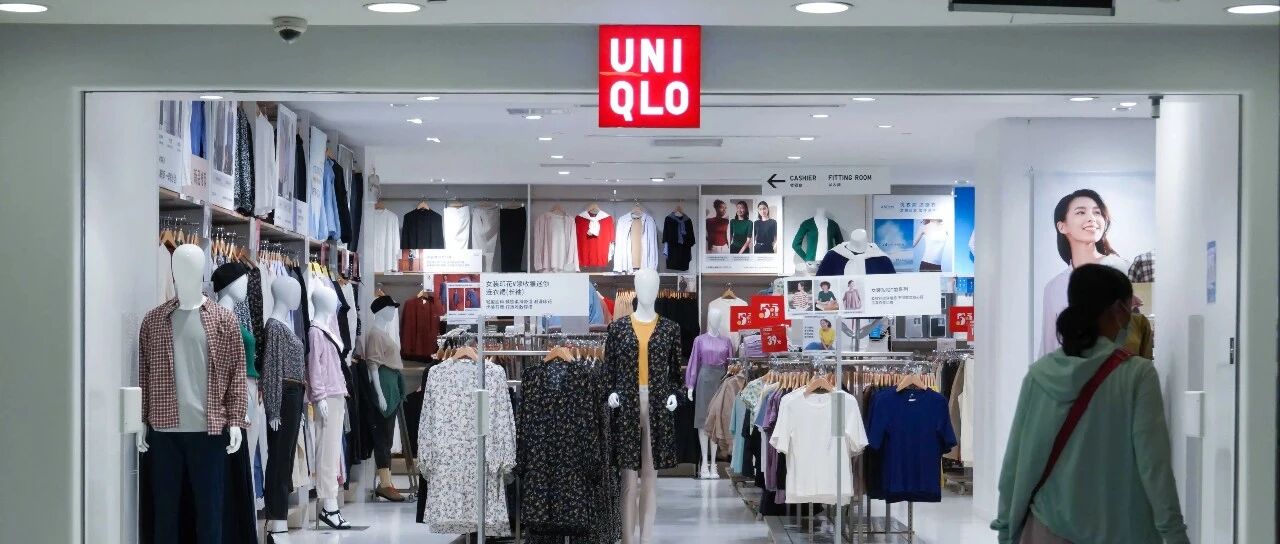
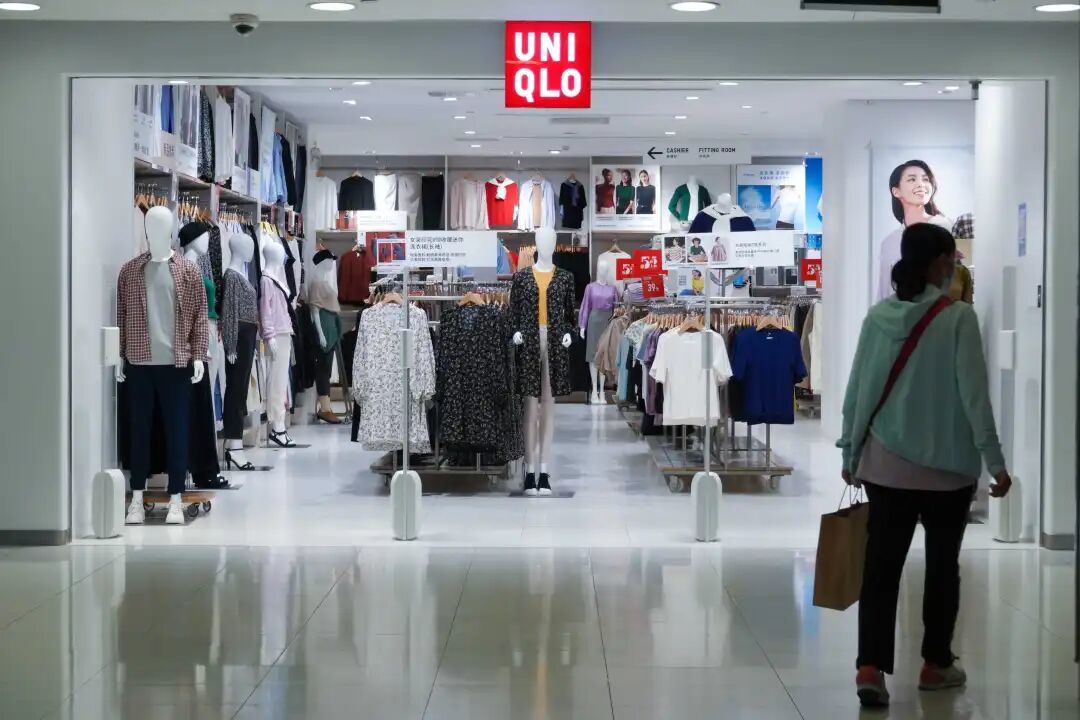
多家优衣库门店,被曝偷拍
Di Yi Cai Jing· 2025-12-21 11:46
近日,优衣库部分门店被指"偷拍"消费者来防盗。在社交媒体上,部分消费者反映,在优衣库因"被当小偷"引发不适。相关话题引发网友热议。 此外,还有自称在优衣库门店工作的网友表示,"我在优衣库当警察,几乎一眼就能看到谁可疑,一抓一个准……" 据了解,"11号"是优衣库内部对"小偷及可疑人员"的特定称谓,而在几百人的群里上传这些人的照片,被叫做"发信" 来源:本文综合自都市快报、九派新闻、新闻坊 记者通过采访优衣库多位不同区域的已离职和在职员工,证实此前在部分优衣库门店,确实存在"偷拍"可疑顾客的行为。并且这不是基层员工的个别行 为,而是某些区域经理层面发出的指令。一位受访者告诉记者,他曾拨打员工热线反映过"偷拍"问题,但并没有下文。 不过多位优衣库前员工称,是否会采取"偷拍"取决于门店因失窃造成的损失程度,"如果不是很严重一般不太会采取这种行为。"记者就此事向优衣库方面 发去采访函,未获回应。 一位广州消费者陈先生(化名)说,当他第一次进入优衣库广州的VT101店、中华广场店、萝岗万达店和天汇广场店的时候,都遇到了被各个门店员 工"一眼认出"的情况,安保人士也表现出"很警觉"的样子,总在与他相隔不远处来回走动。 另 ...
多家优衣库门店,被曝偷拍!
第一财经· 2025-12-21 11:27
2025.12. 20 本文字数:936,阅读时长大约2分钟 近日, 优衣库部分门店被指"偷拍"消费者来防盗。在社交媒体上,部分消费者反映,在优衣库 因"被当小偷"引发不适。相关话题引发网友热议。 此外, 还有 自称在优衣库门店工作的网友 表示,"我在 优衣库当警察,几乎一眼就能看到谁可 疑,一抓一个准……" 记者通过采访优衣库多位不同区域的已离职和在职员工, 证实此前在部分优衣库门店,确实存在"偷 拍"可疑顾客的行为 。并且 这不是基层员工的个别行为,而是某些区域经理层面发出的指令 。 一 位受访者告诉记者, 他曾拨打员工热线反映过"偷拍"问题,但并没有下文。 不过多位优衣库前员工称, 是否会采取"偷拍"取决于门店因失窃造成的损失程度,"如果不是很严 重一般不太会采取这种行为。" 记者就此事向优衣库方面发去采访函,未获回应。 一位广州消费者陈先生(化名)说,当他第一次进入优衣库广州的VT101店、中华广场店、萝岗万 达店和天汇广场店的时候, 都遇到了被各个门店员工"一眼认出"的情况,安保人士也表现出"很警 觉"的样子,总在与他相隔不远处来回走动。 另一位消费者鞠女士(化名)告诉记者, 她曾在深圳某店请店员帮 ...