
母婴

Search documents
300万中产宝妈,买出一个IPO
3 6 Ke· 2025-09-28 10:01
Core Insights - BeBeBus, a popular maternal and infant brand, successfully went public, driven by strong product appeal and effective marketing strategies [2][11] - The brand has gained significant traction among middle-class parents, with over 3 million members by mid-2025 [2][11] - Despite high gross margins, the company faces challenges with declining revenue growth and reliance on an outsourcing model for production [6][11] Group 1: Brand Performance and Market Position - BeBeBus has established itself as a leading brand in the high-end maternal and infant market, with a revenue increase from 507 million yuan in 2022 to 1.249 billion yuan in 2024 [5][11] - The brand's products are characterized by high aesthetic appeal and functionality, which resonate with the demands of modern parents [4][11] - The company has effectively utilized social media platforms, particularly Xiaohongshu, to drive brand awareness and sales, generating over 83,000 promotional posts from March 2023 to September 2024 [4][5] Group 2: Financial Performance - BeBeBus reported a gross margin exceeding 47% for three consecutive years, reaching 50.4% in 2024 [6][11] - Sales and distribution expenses from 2022 to mid-2025 totaled 1.09 billion yuan, consistently accounting for over 30% of revenue [4][5] - The average transaction value for orders containing at least one core product remains above 2,400 yuan [5] Group 3: Production and Quality Concerns - The company primarily relies on an outsourcing model, with 76.3% of total sales costs attributed to outsourced products [6][11] - Quality issues have been reported by consumers regarding popular products, raising concerns about the sustainability of the outsourcing strategy [6][8] - The brand's products are noted to have a degree of replicability, with similar items available at significantly lower prices from other manufacturers [7][10] Group 4: Market Challenges and Future Outlook - BeBeBus faces increasing competition from second-hand and wholesale platforms, which disrupt its pricing strategy [9][10] - The company has expanded its product line to include baby care items, but these new categories face challenges in terms of lower gross margins and intense competition [11] - As consumer preferences shift towards quality and innovation, the brand's future success will depend on its ability to enhance product development and quality control [11]

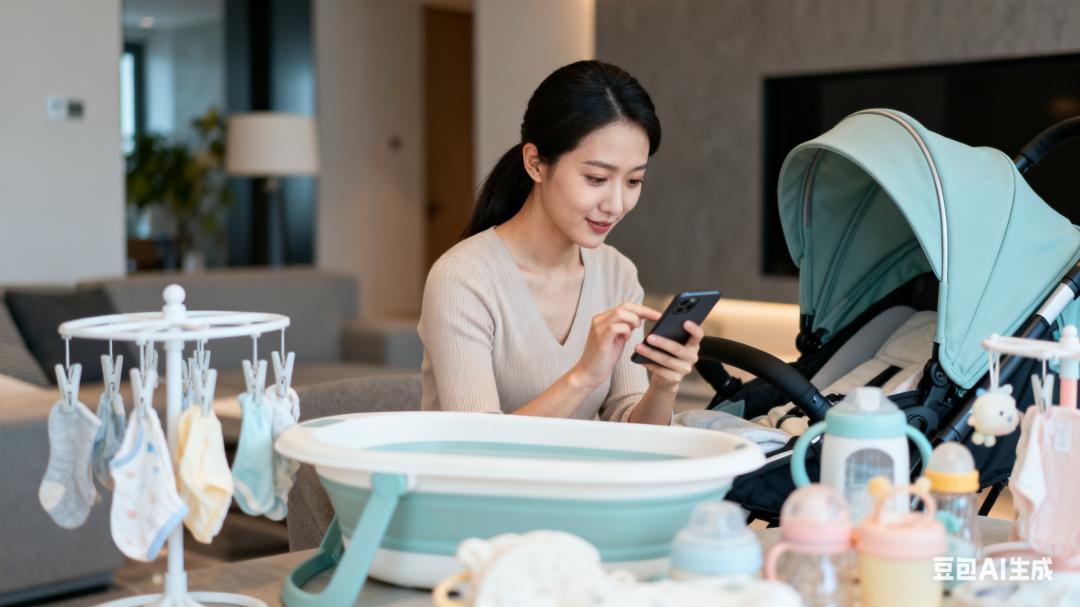
6家消费公司拿到新钱;BeBeBus母公司香港上市;奈雪的茶美国首店即将开业|创投大视野
36氪未来消费· 2025-09-27 09:12
Investment Highlights - "Xingmai Innovation" completed a new round of financing of 1 billion yuan, led exclusively by Meituan Longzhu, with participation from existing investors including Hillhouse Capital and Shunwei Capital [7] - "YOOUSI" raised several tens of millions in angel round financing, focusing on AI animation technology and content creation [8] - "Robopoet" secured several tens of millions in angel+ round financing, developing AI electronic pets with interactive capabilities [9] - "Second Life" announced a multi-million equity financing round, offering 3D printing services for personalized products [10] - "Weikuai Bupuo" completed 50 million yuan in Series A financing, focusing on entrepreneurship and social networking platforms [11] - "Suzhou Jingxi Zhiyu" raised several tens of millions in its first round of financing, aiming to enhance smart home appliance technology [12] Market Developments - "Butong Group," known as the "Apple of the baby industry," went public in Hong Kong with a market capitalization of 9.42 billion HKD, focusing on high-end durable baby products [13] - "M Stand" acquired Shanghai restaurant brand "RAC BAR" and opened its first concept store in Shanghai, expanding its lifestyle brand ecosystem [14][15] - "Naixue's Tea" is set to open its first store in the U.S. on October 3, following successful pop-up events in New York [17] - "Bawang Tea Ji" opened the world's largest "super tea warehouse" in Hong Kong, enhancing its market presence [18] Consumer Trends - In August, 27 chain coffee brands opened 3,904 new stores, with only 6 brands showing growth, indicating a concentration of market expansion among leading brands [30] - The price range for outdoor jackets shows significant differentiation, with products priced between 400-499 yuan dominating the market [31]

爱婴室1900万收购关联方股权,或拖累业绩表现
Guan Cha Zhe Wang· 2025-09-26 10:37
Core Viewpoint - The acquisition of a 30% stake in Hubei Yongyi by Aiyingshi aims to enhance the company's self-owned brand business and optimize product offerings, despite the financial challenges posed by Hubei Yongyi's current losses [1][2][3]. Group 1: Acquisition Details - Aiyingshi plans to purchase 30% of Hubei Yongyi for 19 million yuan, using its own funds, which will allow Aiyingshi to hold a total of 30% of Hubei Yongyi after the transaction [1]. - Hubei Yongyi, established in February 2015, specializes in hygiene products, including baby and adult diapers, and has several proprietary brands [1][3]. - The transaction is classified as a related party transaction since the seller, Shi Qiong, is the actual controller and chairman of Aiyingshi [3]. Group 2: Financial Performance - Hubei Yongyi reported a net loss of 1.0272 million yuan in 2024, which worsened to a loss of 3.5605 million yuan in the first half of 2025, indicating a significant decline in profitability [2][3]. - Aiyingshi's revenue for the first half of 2025 was 1.835 billion yuan, reflecting an 8.31% year-on-year increase, while net profit attributable to shareholders rose by 10.17% to 47 million yuan [2]. Group 3: Strategic Implications - The acquisition is expected to facilitate supply chain vertical integration, reduce procurement costs, and enhance market competitiveness for Aiyingshi [2][5]. - The deal is seen as a strategic move to secure upstream supply and increase the proportion of self-owned brands, which is crucial for improving gross margins and integrating the supply chain [5]. - The transaction price of 19 million yuan is considered reasonable given Hubei Yongyi's current financial state, with the valuation of the 30% stake being 65.3685 million yuan [4][5].


2025年中国消费型育儿产品行业市场深度分析及投资战略咨询报告
Sou Hu Cai Jing· 2025-09-26 08:11
Group 1 - The core viewpoint of the article highlights the significant growth of the consumption-oriented parenting products market in China, driven by the "three-child policy" and consumption upgrades, with the market size expected to reach 87.2 billion yuan in 2024 [1][12] - Consumption-oriented parenting products are characterized by their consumable nature, high-frequency usage, and the need for regular replenishment or updates, distinguishing them from durable parenting products [5][6] - The industry chain of consumption-oriented parenting products includes upstream raw material supply, midstream production and brand operation, and downstream sales and distribution, with each segment closely interconnected [8][9] Group 2 - The competitive landscape of the consumption-oriented parenting products industry is intense, with international brands like Huggies and Pampers historically holding significant market shares, but local brands such as Babycare are rapidly gaining ground due to their cost-effectiveness and understanding of the local market [2] - The market structure for consumption-oriented parenting products in 2024 shows that baby care products dominate with a 76.6% share, followed by bedding products at 12.2% and feeding products at 11.2% [14][15] - The report utilizes various analytical models such as SCP, SWOT, PEST, and regression analysis to comprehensively assess the market environment, industry policies, competitive landscape, technological innovations, and market risks [2]
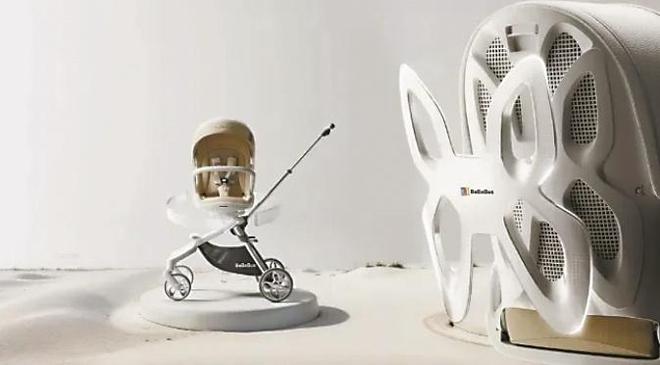
港交所迎来“母婴第一股”!这也是宁波第150家上市公司
Xin Lang Cai Jing· 2025-09-25 06:17
Core Insights - Different Group (06090.HK) has officially launched its brand BeBeBus on the Hong Kong Stock Exchange, marking it as the first "mother and baby" stock in the Hong Kong market [2] - The company raised approximately 718 million HKD by issuing 10.98 million shares at an initial price of 71.2 HKD per share [2] - On its first trading day, the stock opened at 100.40 HKD and closed at 102.50 HKD, reflecting a 43.96% increase [2] Company Overview - Different Group was established in November 2018 and focuses on technology-driven family lifestyle products [2] - BeBeBus, the high-end maternal and infant brand launched in 2019, has quickly become a leader in the durable parenting products segment [3] - According to Frost & Sullivan, BeBeBus ranks first among durable parenting product brands targeting mid-to-high-end consumers in China based on projected GMV for 2024 [3] Financial Performance - For the first half of 2025, the company reported a revenue of 726 million CNY, a year-on-year increase of 24.7%, and an adjusted net profit of 48.5 million CNY, up 72.14% [3] - From 2022 to 2024, the company achieved a compound annual growth rate (CAGR) of 56.9% in revenue and 236.8% in adjusted net profit [3] Product Expansion and Market Strategy - BeBeBus has expanded its product matrix from initial offerings like strollers and car seats to include key scenarios such as parent-child travel, sleep, feeding, and hygiene care [3] - The company has begun entering the South Korean market and plans to further expand into Southeast Asia and Europe and the United States [3] - The net proceeds from the IPO will be used to enhance production capacity, expand overseas market influence, and increase brand activities and sales networks [3] - A second production facility is planned in Fenghua, expected to produce 800,000 units of smart safety seats, cribs, and children's dining chairs annually, with production anticipated to start in 2026 [3]
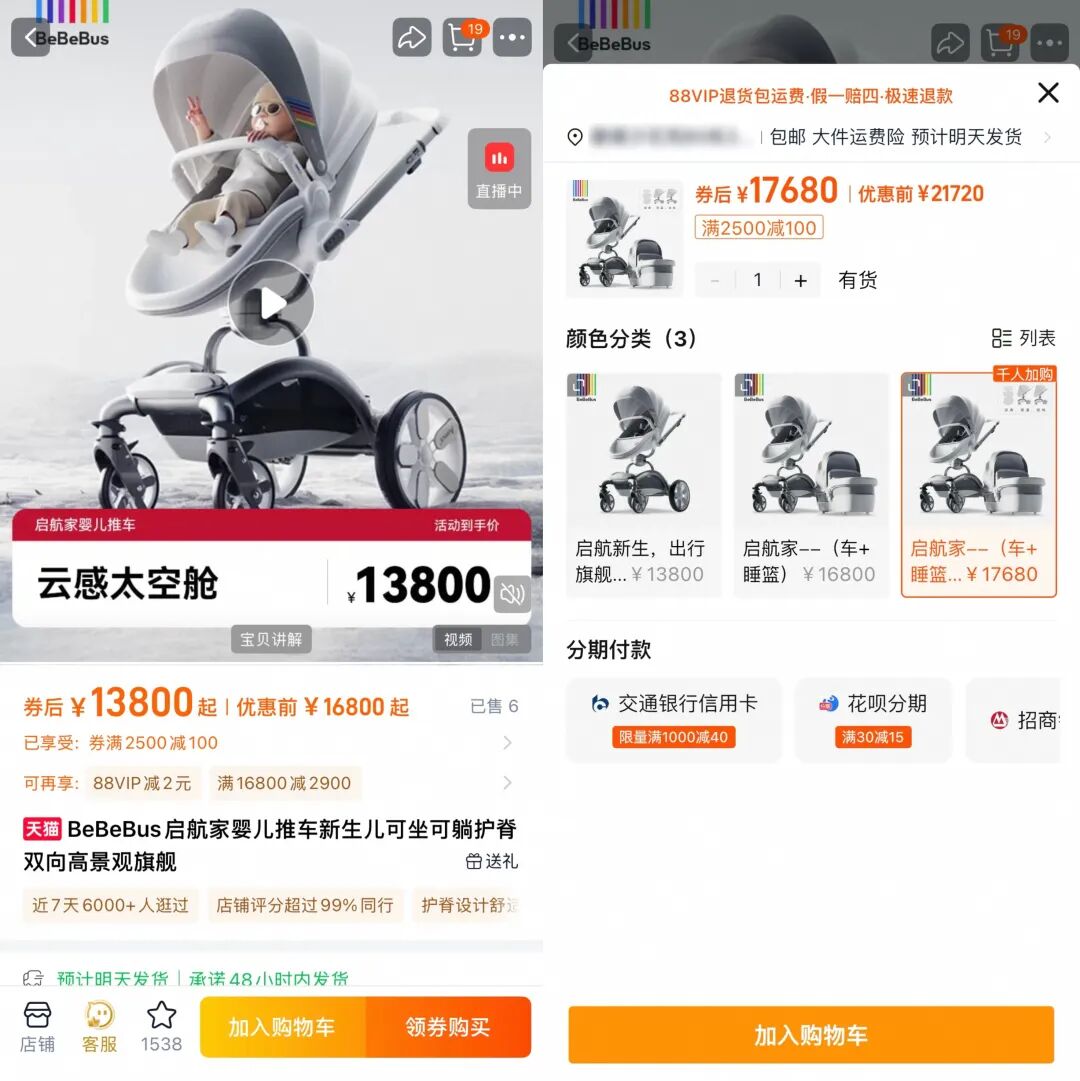
小红书母婴“顶流”登陆港股!
Zheng Quan Shi Bao Wang· 2025-09-23 12:45
Core Viewpoint - Butong Group, the parent company of high-end maternal and infant brand BeBeBus, successfully listed on the Hong Kong Stock Exchange, with its stock price rising over 40% on the first day, achieving a market capitalization exceeding HKD 9.3 billion [1] Financial Performance - Butong Group reported revenue growth from CNY 507 million in 2022 to CNY 884 million in 2024, with adjusted net profit increasing from CNY 9.974 million to CNY 73.572 million, a growth of over six times [3] - The company's gross margin for the same period was 47.7%, 50.2%, and 49.5%, with most products in its four key categories maintaining a gross margin between 40% and 60% [3] Market Position and Strategy - BeBeBus has rapidly expanded its product offerings from four core categories to cover four key scenarios: travel, sleep, feeding, and hygiene, establishing a strong market position in the mid-to-high-end parenting product market [2] - In 2024, the mid-to-high-end parenting product market is projected to account for 23.6% of the overall parenting product market, with BeBeBus holding a 4.2% market share, ranking second among Chinese parenting brands [2] Innovation and Target Market - The company's growth is driven by differentiated innovation, focusing on creating new value demands through design and functional innovation, targeting "family CFOs" who are high in purchasing power and frequency [3] - Despite a declining birth rate, the target demographic remains stable, providing consistent market demand for the company's products [3] Investment and Support - Butong Group has attracted a prestigious lineup of investors, including Tiantu Investment, Gao Rong Capital, and Jingwei Venture Partners, completing four rounds of financing since its establishment [4][5] - Tiantu Investment was the first external investor and has continued to support the company, leveraging its consumer ecosystem to enhance BeBeBus's brand assets [4] - Gao Rong Capital is the largest institutional shareholder, holding 9.8% of shares, while Tiantu Investment and Jingwei Venture Partners hold 9.24% and 7.84%, respectively [5] Industry Context - The Hong Kong Stock Exchange is experiencing a surge in consumer company listings, with significant market activity and a favorable environment for new consumer brands [6][7] - This trend provides a vital exit channel for venture capital firms previously invested in the consumer sector, as many consumer products are now ready for public listing [7]
BeBeBus上市首日涨近44%,创始人身家暴涨
3 6 Ke· 2025-09-23 11:10
Core Viewpoint - The high-end maternal and infant brand, Different Group, successfully listed on the Hong Kong Stock Exchange, achieving a significant stock price increase and substantial fundraising for future growth initiatives [1][3]. Group 1: IPO and Financial Performance - Different Group's IPO process took less than nine months, with shares debuting at 102.5 HKD, a 43.96% increase from the offering price of 71.20 HKD [1]. - The company raised approximately 718 million HKD through the global offering, with a staggering 3317.47 times subscription for the Hong Kong public offering [1][3]. - For the fiscal year 2024, Different Group is projected to generate nearly 1.249 billion HKD in revenue, with a gross profit of 629 million HKD and a gross margin of 50.4% [3]. Group 2: Marketing and Sales Strategy - Different Group plans to allocate 245 million HKD (34.1% of net proceeds) for brand activities and expanding its sales network, focusing on online marketing to enhance brand awareness [4]. - The company has collaborated with over 16,000 influencers across various platforms, generating over 830,000 posts and original videos since March 2023 [4]. - The marketing budget includes 65.36 million HKD for influencer collaborations and 54.59 million HKD for advertising on e-commerce platforms [4]. Group 3: Production Capacity and Expansion - Approximately 185 million HKD (25.7% of net proceeds) will be invested in enhancing production capacity, including a new factory in Ningbo with an annual design capacity of 800,000 products [5]. - The existing factory in Ningbo has a design capacity of 180,000 products, with actual production reaching 140,200 units in 2024 [5]. - Different Group aims to expand its market presence internationally, with significant investments planned for the U.S., Canada, and several European countries [5]. Group 4: Historical Financial Performance - Different Group's revenue has grown from 507 million HKD in 2022 to 1.249 billion HKD in 2024, with a consistent gross margin around 50% [6][7]. - The company reported a net loss of 21.22 million HKD in 2022 but turned profitable in 2023, achieving a net profit of 58.52 million HKD in 2024 [7]. - Marketing expenses have significantly increased, totaling 815 million HKD over three and a half years, indicating a strong focus on brand promotion [7]. Group 5: Market Outlook and Challenges - Despite a declining birth rate, Different Group believes economic growth and increasing disposable income among affluent families will drive demand for high-end parenting products [8]. - The number of affluent families in China is projected to grow, although recent reports indicate a slight decrease in the number of wealthy households [9]. - The future of high-end parenting products remains uncertain, with market dynamics and consumer behavior posing potential challenges [10].
开盘大涨41%,这个母婴IPO,有VC“赚”近13倍
3 6 Ke· 2025-09-23 10:44
Core Viewpoint - BeBeBus, the first publicly listed company in the maternal and infant consumption technology sector, debuted on the Hong Kong Stock Exchange on September 23, with an initial price of HKD 71.2 per share, opening at HKD 100.4, a nearly 41% increase from the issue price, and closing at HKD 88.65, giving it a market capitalization of approximately HKD 80.45 billion (around CNY 73.63 billion) [1][3][15] Company Overview - Different Group, the parent company of BeBeBus, specializes in designing and selling parenting products, having launched its first brand, BeBeBus, in 2019, targeting mid-to-high-end consumers [3][4] - By 2024, the mid-to-high-end parenting product market is expected to account for 23.6% of the overall parenting product market in China [3] Market Position - BeBeBus ranks second among Chinese parenting product brands in terms of GMV, holding a 4.2% market share in the mid-to-high-end segment as of 2024 [4] Growth Strategy - The company's growth is attributed to the founding team's deep insights into the mid-to-high-end maternal and infant market, with a strategic focus on high-quality, functional, and aesthetically pleasing products [5][7] - The brand has expanded its product offerings from initial core products like strollers and safety seats to include various parenting scenarios such as travel, sleep, feeding, and hygiene care [7] Financial Performance - The company has shown strong revenue growth, with reported revenues of CNY 507 million, CNY 852 million, CNY 1.249 billion, and CNY 726 million for the years 2022, 2023, 2024, and the first half of 2025, respectively, reflecting growth rates of 68.0% and 46.6% for 2023 and 2024 [8][9] - The gross profit margins have remained robust, with gross profits of CNY 241.8 million, CNY 427.3 million, CNY 629.1 million, and CNY 292.3 million for the same periods, resulting in gross margins of 47.7%, 50.2%, 50.4%, and 50.2% [13] Revenue Breakdown - Revenue sources are categorized by scenarios: travel (46.9%), sleep (16.7%), feeding (5.9%), and infant care (30.5%) for 2024 [10] - Online sales channels are the primary revenue source, contributing 74.3% of total revenue in 2024, while offline channels accounted for 25.7% [12] Investor Interest - The company's rapid growth has attracted significant venture capital interest, with multiple funding rounds raising substantial amounts and increasing the company's valuation from CNY 300 million to CNY 2 billion in less than a year [14] - Post-IPO, major investors like Gao Rong Venture Capital and Tiantu Investment have seen substantial returns, with their holdings valued at CNY 6.3 billion and CNY 6 billion, respectively, reflecting gains of 12.2 times and 12.6 times [15]
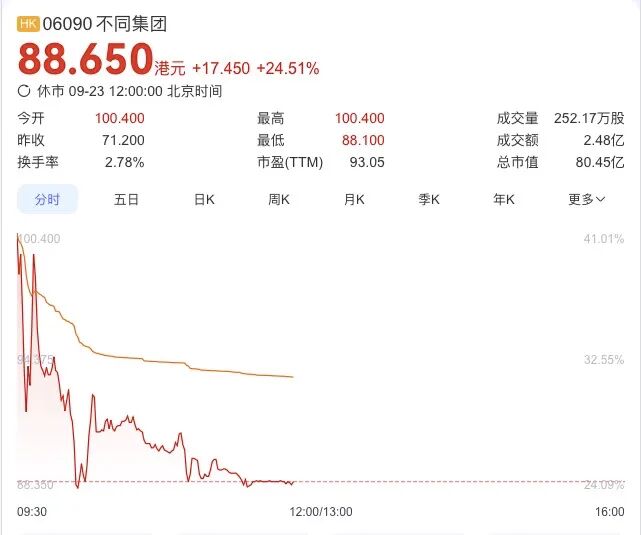
BeBeBus今日上市:股价突破100港元、涨超40%
Guan Cha Zhe Wang· 2025-09-23 08:57
Core Viewpoint - BeBeBus's parent company, Different Group, successfully completed its IPO on the Hong Kong Stock Exchange, with the stock price initially surging over 41% and stabilizing at a market capitalization of approximately HKD 93.47 billion [1]. Group 1: IPO Process - Different Group submitted its prospectus to the Hong Kong Stock Exchange on August 15, 2025, and completed the IPO process in less than two months, demonstrating efficiency in its listing timeline [3]. - The public offering was oversubscribed by 16.4 times, indicating moderate interest in the "high-end maternal and infant + new consumption" theme, reflecting investor confidence in the sector's growth potential [4]. Group 2: Financial Performance - Different Group reported a revenue growth of 24.7% year-on-year for the first half of 2025, a significant slowdown compared to previous years, where growth rates exceeded 50% [4][6]. - The company achieved a net profit of 0.49 billion yuan in the first half of 2025, with a year-on-year increase of 72.14%, although the growth momentum has weakened compared to prior years [7]. - Revenue figures from 2022 to 2024 show a consistent increase, with revenues of 507 million yuan, 852 million yuan, and 1.249 billion yuan respectively, but the growth rate has been declining [5][6]. Group 3: Market Position and Trends - BeBeBus has become a well-known brand in China's parenting product market within five years, ranking first among durable parenting product brands targeting high-end consumers according to Frost & Sullivan [5]. - The high-end maternal and infant market is experiencing a "reverse cycle" growth trend, with market size projected to expand from 25.6 billion yuan in 2020 to 34 billion yuan in 2024, and expected to reach 50.9 billion yuan by 2029 [10]. - The increasing willingness of parents to invest in high-quality products for their children is driving the growth of the maternal and infant market, making it a resilient sector [10][11].

2025年中国新消费品牌势能创新增长研究白皮书-百思特
Sou Hu Cai Jing· 2025-09-23 07:23
Core Insights - The report highlights the emergence of new consumer brands in China, emphasizing the need for innovative marketing strategies to thrive in a rapidly changing competitive landscape [1][2][18] - The PMC (Potential Marketing Communication) theory is introduced as a framework for understanding the growth logic and innovative models of new consumer brands [1][2][18] Group 1: Market Dynamics - The competitive environment has drastically changed, with the rise of new consumer demographics and the advent of new consumerism, leading to the decline of traditional brand marketing methods [1][2][18] - New consumer brands like Gao Fan and Li Du have achieved exponential growth through innovative approaches, such as premium product offerings and immersive consumer experiences [1][2][19][20] Group 2: Brand Growth Characteristics - New consumer brands share common growth characteristics, including a focus on niche markets, preference for high-end positioning, and the use of content marketing over traditional advertising [1][2][19][20] - Successful brands have utilized strategic public relations and new retail channels, such as online short video and live-streaming e-commerce, to reach target audiences effectively [1][2][19][20] Group 3: PMC Marketing Innovation Model - The PMC model encompasses several key elements: market growth positioning, celebrity endorsements from entrepreneurs and KOLs, and the creation of star products that stand out in the market [2][18][46] - The report also analyzes successful case studies of traditional brands that have revitalized their market presence through innovative strategies, such as Yaya's transformation and the collaboration of Da Bai Tu with new brands [2][18][46] Group 4: Case Studies of New Consumer Brands - Gao Fan achieved a sales breakthrough of 1.7 billion yuan in three years, becoming the top brand in high-end down jackets [19] - Li Du transformed its business model, resulting in a 60-fold revenue increase over ten years and becoming the first stock of light bottle liquor in Hong Kong [20][22] - Three Dunsan, with its freeze-dried coffee innovation, reached a valuation of 4.5 billion yuan, outperforming Nestlé in the instant coffee market [28][29] - Lululemon surpassed Adidas in market capitalization, becoming the third-largest sports brand globally, with a revenue growth of over 10 times in a decade [30][32] Group 5: Future Trends - The report emphasizes the importance of emotional and cultural values in brand building, suggesting that brands must create additional benefits to remain competitive in the new commercial era [2][18][46] - The shift from traditional advertising to customer value innovation is identified as a fundamental change in brand-building strategies, with a focus on building brand equity through authentic consumer engagement [46][47]
