博物馆

Search documents
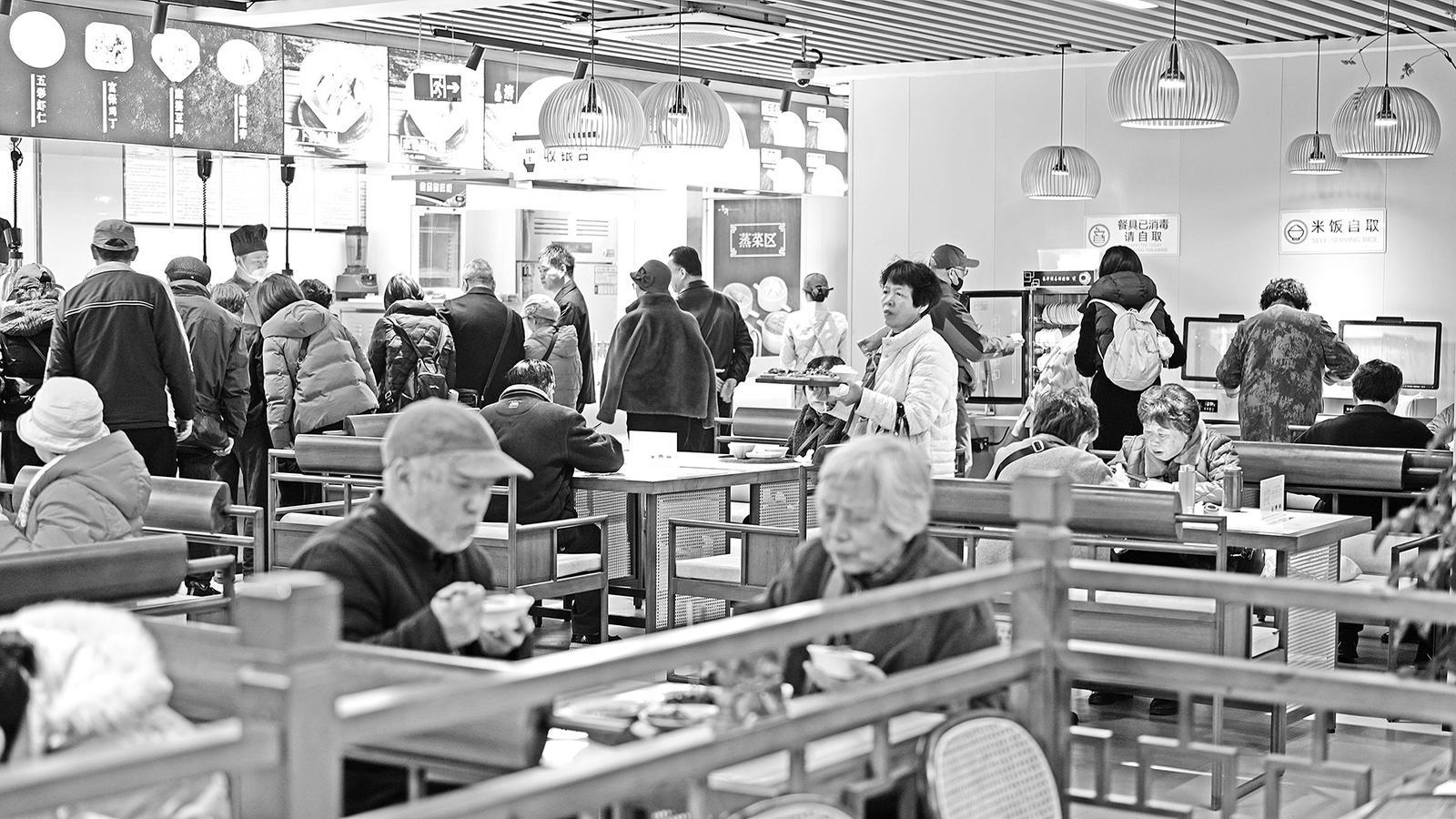
博物馆美食,更香了!
Xin Lang Cai Jing· 2026-01-12 23:09
Core Viewpoint - Museums are evolving into multifunctional spaces that not only offer exhibitions but also affordable dining options, enhancing the overall visitor experience and cultural engagement [4][9]. Group 1: Dining Experience in Museums - Visitors can enjoy affordable meals in museums, such as a tomato beef brisket set with traditional Beijing snacks, which enhances their cultural experience [5]. - The introduction of culturally themed dishes, like "Oracle Bone Noodles" and "Changxin Palace Lantern" steamed eggs, reflects a trend of integrating cultural elements into museum dining [6]. - The availability of quality, reasonably priced food has resolved the long-standing issue of dining difficulties for museum visitors, allowing them to spend more time enjoying exhibitions [8]. Group 2: Visitor Engagement and Cultural Experience - The combination of dining and cultural experiences creates a lively atmosphere, making cultural symbols more accessible and shareable for visitors [7]. - The trend of sharing museum dining experiences on social media has increased visitor engagement, particularly among younger demographics who enjoy showcasing unique culinary experiences [8][9]. - Museums are becoming more integrated into daily life, attracting local residents who may not have previously visited for exhibitions, thus expanding their audience [10]. Group 3: Future Developments and Innovations - Museums are implementing strategies to manage increased visitor flow, such as online ordering and timed reservations to enhance service efficiency [12]. - Future upgrades in museum dining should focus on storytelling through menus, maintaining reasonable pricing, and creating comfortable spaces for families [12]. - The potential for museums to host evening cultural events and themed dining experiences could further integrate them into the urban cultural landscape [12].

贵州省博老馆29件套文物丢失或被盗
Xin Lang Cai Jing· 2026-01-12 16:56
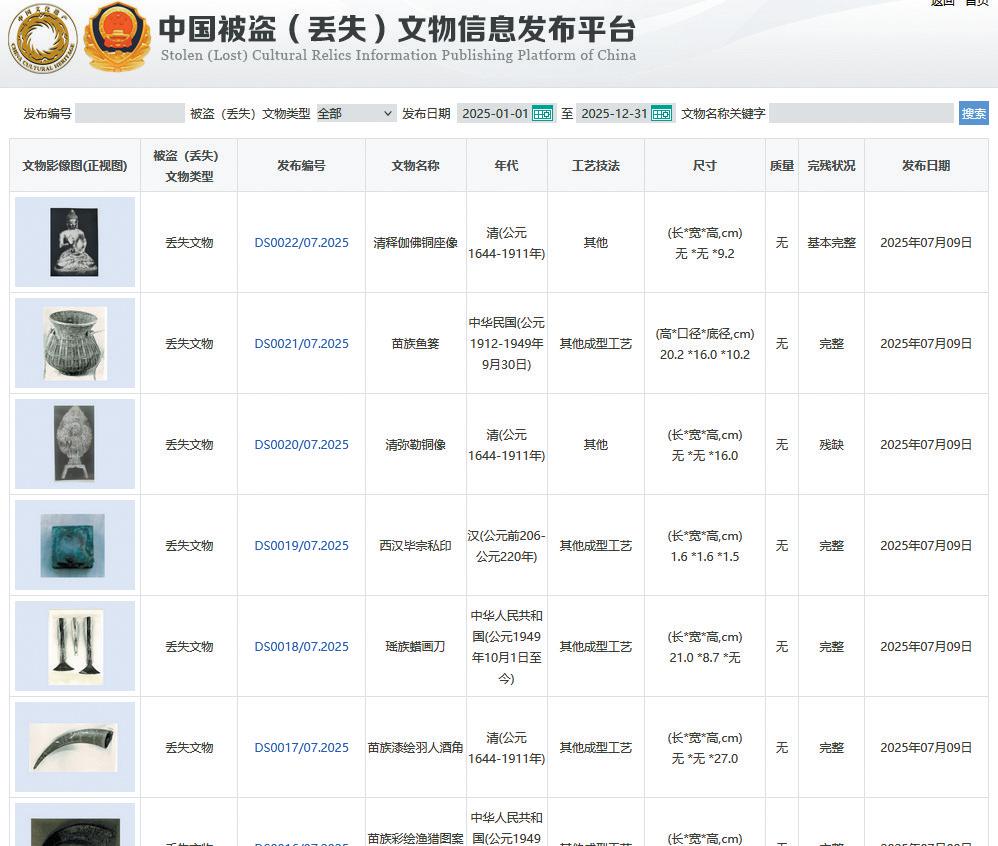
Core Viewpoint - In 2025, a total of 52 sets of stolen or lost cultural relics were reported in China, with a significant number originating from the Guizhou Provincial Museum, indicating issues related to the management and security of cultural artifacts [1][15]. Summary by Relevant Sections Stolen or Lost Cultural Relics - The Guizhou Provincial Museum reported 52 sets of stolen or lost cultural relics, including 2 from the new museum and 29 from the old museum [1]. - Among the 29 sets, 1 was stolen and 28 were lost, with 17 items lost before 2000 and 12 after [1]. - The majority of the lost items are characterized as Miao ethnic artifacts, highlighting the cultural significance of the losses [1]. Historical Context of the Museum - The Guizhou Provincial Museum was established in 1953 and opened in 1958, initially recognized as a leading geological museum in China [12]. - Over the years, the museum has faced challenges, including being described as a "job placement center" in 2005 due to its underutilization and lack of cultural engagement [12][13]. - The museum's old site was designated as a provincial cultural heritage site in 2015, and a new museum was built to address space and management issues [13][14]. Management and Security Issues - The loss of artifacts during the transition from the old museum to the new one has been acknowledged by museum staff, indicating systemic management issues [15]. - Experts have pointed out that the management practices at the time, such as inadequate inventory checks and personnel handovers, contributed to the potential for loss [15]. - The recent publication of lost items, some dating back several years, reflects a lag in reporting and awareness within the cultural heritage management system [15].
捐出去的藏品不该成为“泼出去的水”
Xin Lang Cai Jing· 2026-01-11 23:23
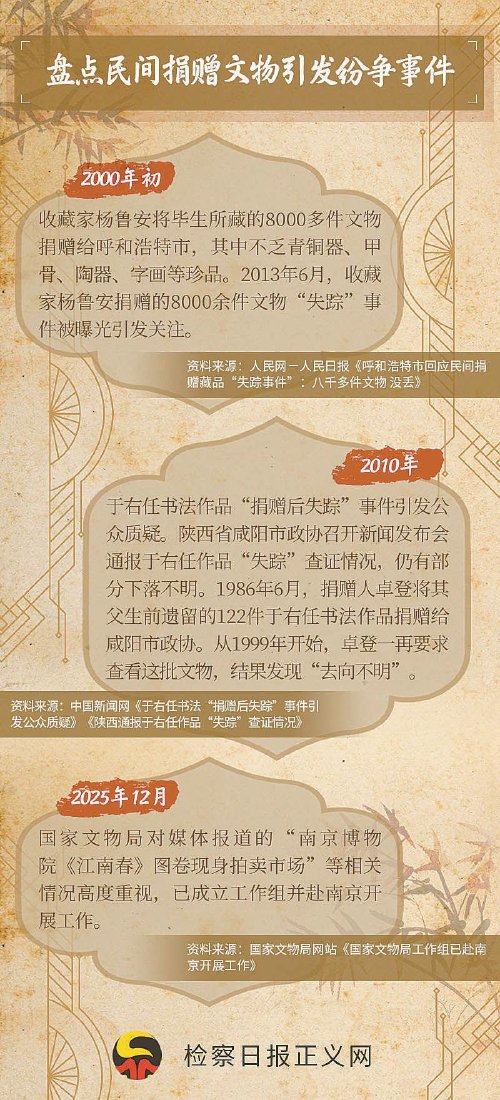
Core Viewpoint - The recent incident involving the donation of a Ming Dynasty painting to the Nanjing Museum has raised significant concerns about the management and rights associated with cultural relic donations, highlighting a trust crisis between collectors and museums [2][3]. Group 1: Donation Practices and Obligations - Cultural relic donations are often conditional gifts, where the museum must fulfill certain obligations as per the donation agreement, reflecting the donor's wishes and the museum's capabilities [4][5]. - The Civil Code allows for donations to be accompanied by obligations, meaning museums must adhere to the terms set forth in the donation agreements [5]. - Museums are encouraged to respect the donor's intentions regarding the collection, preservation, and exhibition of donated items, as stipulated by the Cultural Relics Protection Law [5]. Group 2: Legal Framework and Management - The Cultural Relics Protection Law outlines that museums must classify relics, maintain archives, and establish strict management systems, which are essential for the legal protection of collections [9]. - The process of accepting donations typically includes communication, evaluation, agreement signing, and detailed record-keeping to ensure legality and compliance [6][9]. - Experts emphasize the necessity of setting collection standards to filter out non-compliant items, particularly to avoid the acceptance of counterfeit relics [7]. Group 3: Issues of Trust and Transparency - The incident involving the Nanjing Museum has revealed a lack of transparency and communication regarding the status of donated items, leading to disputes over ownership and authenticity [8][12]. - There is a call for improved mechanisms for monitoring and supervising the management of donated relics, ensuring that donors can inquire about the use and management of their contributions [12][15]. - The public's concern over the management of cultural relic donations has prompted investigations into the practices of museums, indicating a demand for more standardized and transparent donation processes [16].
三星堆和成都博物馆进前十
Xin Lang Cai Jing· 2026-01-11 22:26
Core Insights - The Sichuan museums, including Sanxingdui Museum and Chengdu Museum, have ranked highly in the national hot museum lists, indicating a strong cultural and tourism presence in the region [1][2] - The 2025 data shows significant visitor numbers and revenue for these museums, highlighting their economic impact and popularity among both local and international audiences [2] Group 1: Museum Rankings - Sanxingdui Museum and Chengdu Museum ranked 8th and 9th respectively in the annual hot museum list [1] - In the top 50 archaeological site museums for 2025, Sanxingdui Museum and Chengdu Jinsha Site Museum ranked 1st and 5th respectively [1] - Chengdu Museum ranked 2nd in the city-level museum category [1] Group 2: Visitor Statistics and Revenue - In 2025, Sanxingdui Museum received 6.08 million visitors, generating ticket revenue of 336 million yuan and cultural product revenue of approximately 250 million yuan [2] - Chengdu Museum welcomed 3.33 million visitors, with over 80% being young audiences and 65% from outside the province [2] Group 3: Cultural Significance - Sichuan Museum boasts over 360,000 exquisite collections, showcasing the rich cultural heritage of the Bashu region [2] - Chengdu Wuhou Shrine Museum is renowned as a cultural site for the Three Kingdoms, while Chengdu Jinsha Site Museum is noted for its Sun Bird gold ornament, a symbol of Chinese cultural heritage [2] - Chengdu Du Fu Thatched Cottage Museum serves as a place for the public to pay homage to the poet Du Fu [2]
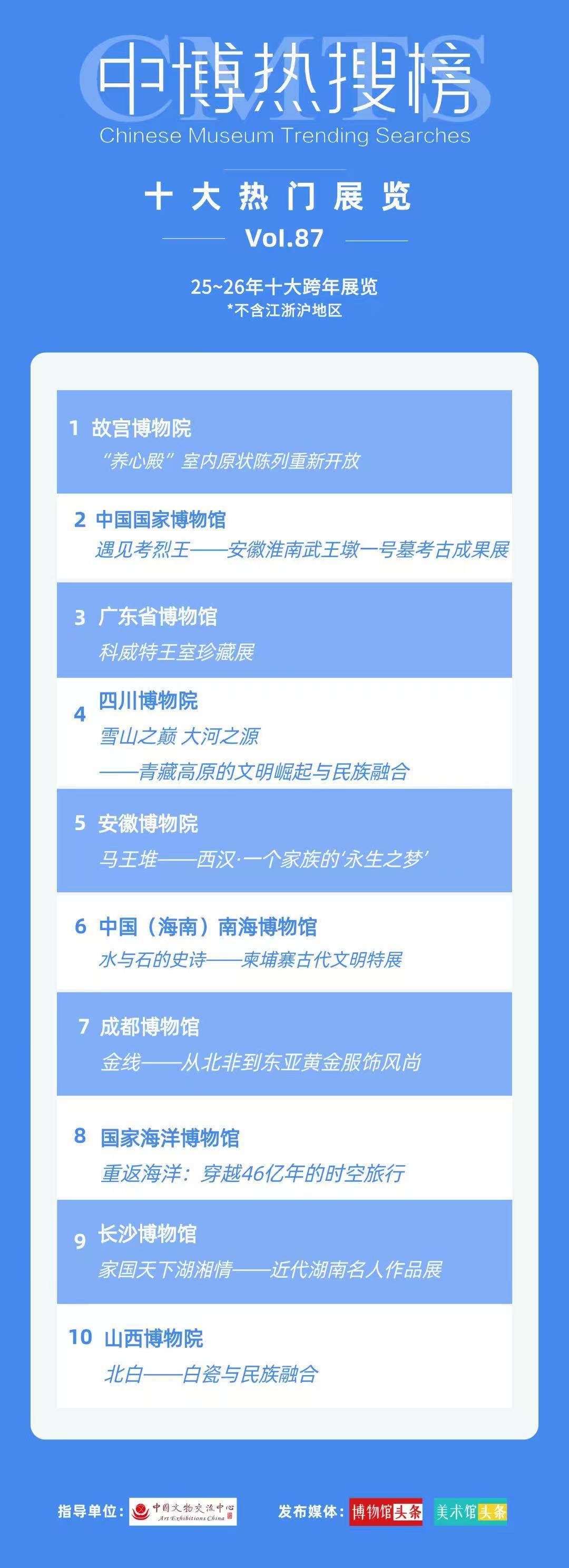
中博热搜榜年度热门博物馆百强出炉 三星堆和成都博物馆双双闯入前十
Xin Lang Cai Jing· 2026-01-11 06:53
Core Insights - The popularity of traditional Chinese culture remains strong, with Sichuan's museums ranking highly in national popularity lists, specifically the Sanxingdui Museum and Chengdu Museum, which placed eighth and ninth respectively in the annual top ten list of popular museums [1][2] - The China Museum Hot Search List, guided by the China Cultural Relics Exchange Center, includes various categories such as national popular museum rankings and popular exhibitions, covering 6,565 registered museums across the country [1][6] Museum Rankings - In the 2025 national popular museum rankings, Sanxingdui Museum and Chengdu Museum both made it into the top ten, reflecting their significant visitor numbers and cultural impact [2][6] - Chengdu Museum ranked second among the top 50 municipal museums in the national popular museum list [1] Visitor Statistics - In 2025, Sanxingdui Museum attracted 6.08 million visitors, generating ticket revenue of 336 million yuan and cultural product revenue of approximately 250 million yuan [2] - Chengdu Museum received 3.33 million visitors in 2025, with over 80% being young visitors and 65% from outside the province [2] Upcoming Exhibitions - The Sichuan Museum's exhibition "Snow Mountain Summit, Source of the Great River - The Rise of Civilization and Ethnic Integration on the Tibetan Plateau" is ranked fourth among the top ten cross-year exhibitions for 2025-2026 [1][6] - Chengdu Museum's exhibition "Golden Threads - Fashion of Gold Costumes from North Africa to East Asia" is ranked seventh in the same category [1][6] Cultural Significance - The Sichuan Museum showcases over 360,000 exquisite artifacts, highlighting the rich cultural heritage of the Bashu region, and has received acclaim for its high-quality temporary exhibitions [6] - Museums in Sichuan, including the Chengdu Wuhou Shrine Museum and the Chengdu Jinsha Site Museum, are recognized as significant cultural destinations, contributing to the integration of culture and tourism [6]
广东各大博物馆“马”上整新活
Xin Lang Cai Jing· 2026-01-11 00:40
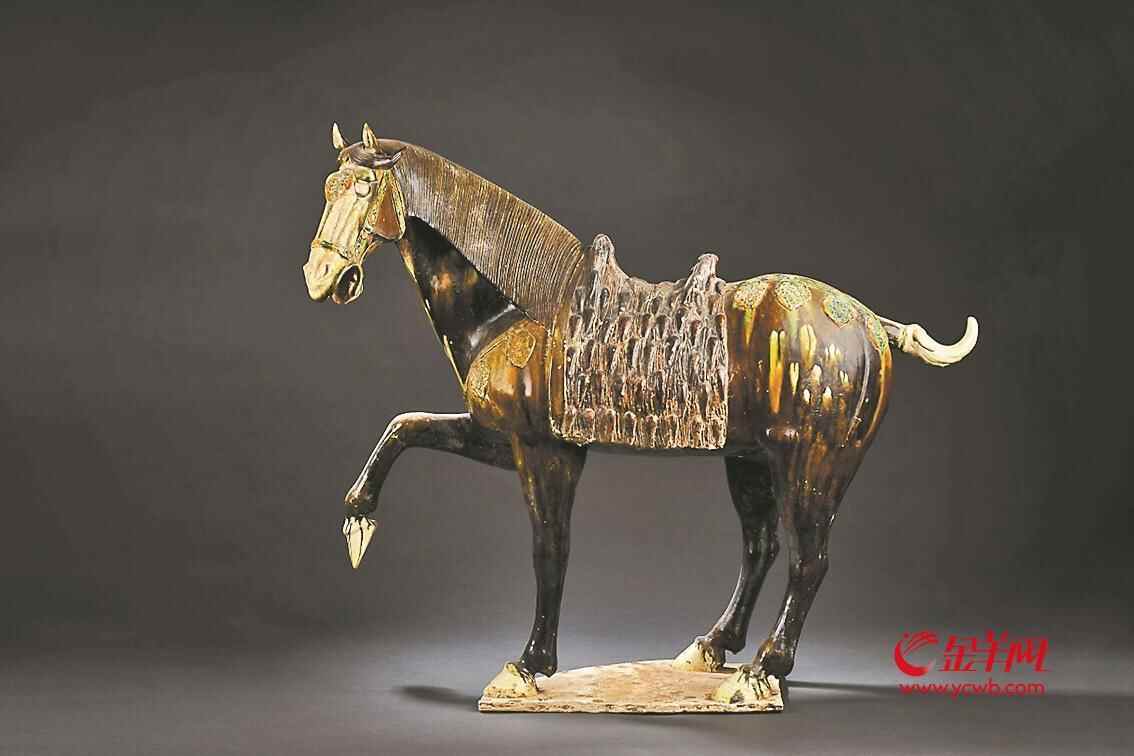
Core Viewpoint - Guangdong's museums are preparing for the upcoming Spring Festival with various "horse" themed exhibitions and cultural products, showcasing the significance of horses in Chinese culture and history [2][3]. Group 1: Exhibitions - The Shenzhen Museum features the exhibition "Galloping Forward - The World of Tri-color Horses," displaying Tang Dynasty tri-color pottery horses, including horse figurines and dance horses, highlighting the era's equestrian culture [3]. - The Guangzhou Museum showcases the "Steed Inscription Stele," a valuable artifact representing national spirit, depicting a loyal horse from the Opium War period [3]. - The Guangdong Provincial Museum is hosting the "Kuwait Royal Collection Exhibition," featuring a silver horse-shaped vessel, among other unique artifacts, with many items being exhibited for the first time globally [3]. Group 2: Cultural Products - Museums in Guangdong are integrating horse elements into cultural products for the New Year, allowing visitors to purchase themed items [4]. - The Guangdong Provincial Museum has launched a "Fortune Horse Treading on Gold" New Year gift box, inspired by its collection, featuring zinc alloy replicas of eight horses in a pine forest scene [5]. - The Shenzhen Museum introduced the "Cute Horse Dagger," a plush toy inspired by a historical dagger from the Mughal Empire, transforming a symbol of power into a playful item [5]. - The Guangzhou Museum has created five "Horse" themed badges with New Year blessings, appealing to younger audiences [6].
这个寒假辽博开启“超长待机”
Xin Lang Cai Jing· 2026-01-10 23:42
Group 1 - The core viewpoint of the news is that the Liaoning Provincial Museum is extending its opening hours during the winter vacation to accommodate public demand, with specific schedules outlined for different days [1] - From January 15 to February 28, the museum will not close on Mondays and will extend its hours by one hour from Tuesday to Thursday and Sunday, and by two hours on Fridays and Saturdays [1] - The museum will implement a no-reservation policy for entry, allowing visitors to enter with just their ID cards, while special provisions are made for children and foreign tourists [1] Group 2 - During the winter vacation, the museum will host several special exhibitions, including "Poetic China - The Poetic Realm of Chinese Painting" and "Exquisite Lacquerware from the Yuan, Ming, and Qing Dynasties," along with permanent exhibitions [2] - The museum will also feature immersive experiences such as the XR space experience "Exploring the Sea of the Huhou Kingdom" and a large-scale VR exhibition "Cosmic Speculation: The Journey Begins" [2] - To ensure the safety of cultural relics and orderly visits, the museum will temporarily halt entry when visitor numbers reach peak capacity [2]
福建博物院面向社会公开征集文物
Zhong Guo Xin Wen Wang· 2026-01-09 22:52
Core Viewpoint - Fujian Museum is publicly collecting cultural relics to enrich its collection and enhance the exhibition structure, focusing on items with local historical, scientific, and artistic value [1][2]. Group 1: Collection Scope - The collection scope includes fourteen categories, emphasizing the diverse dimensions of marine civilization and local cultural heritage [1]. - Specific categories for collection include marine culture, Minnan culture, Hakka culture, Mazu culture, and She ethnic culture, with a focus on items like Zhangzhou kiln ceramics and Dehua kiln ceramics [1]. - The collection also targets historical cultural categories such as Zhuzi culture, shipbuilding culture, and notable figures from Fujian's history [2]. Group 2: Legal and Ethical Considerations - Collectors must ensure the legal provenance of their items and assume legal and financial responsibility for the authenticity of the collections [3]. - Fujian Museum is located in Fuzhou, covering approximately 90 acres with a building area of about 36,000 square meters and an exhibition area of around 12,000 square meters, housing over 210,000 items, including nearly 40,000 precious artifacts [3].
铁道博物馆上新手语导览,听障人士可沉浸式感受高铁发展
Xin Lang Cai Jing· 2026-01-09 10:26
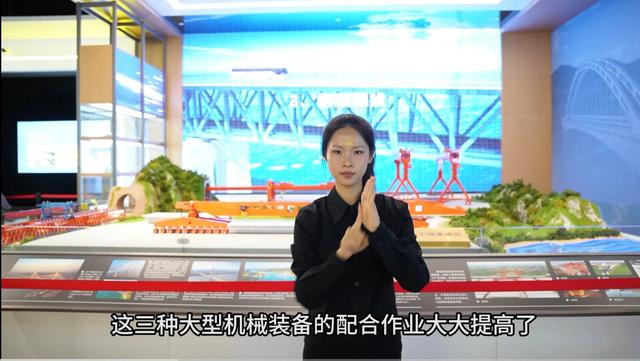
Core Points - The China Railway Museum has launched a sign language guide for the "Brilliant 'National Business Card' China High-Speed Rail Exhibition," allowing hearing-impaired visitors to experience the history of China's high-speed rail [1][3] - The exhibition features valuable images, models of the Fuxing train, and core technology exhibits, showcasing the development of China's high-speed rail [3] - The sign language guide project was developed in collaboration with Tianjin University of Technology's College of Deaf Education, translating professional terminology into accessible language for hearing-impaired individuals [3][5] - This service upgrade reflects the museum's commitment to enhancing accessibility and providing equal cultural services to all visitors [5]
文物会说话 展厅变乐园
Xin Lang Cai Jing· 2026-01-07 06:53
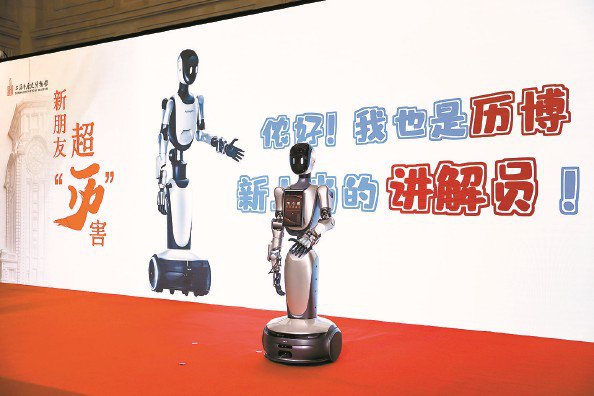
Group 1 - The Shanghai History Museum is launching a series of innovative cultural exhibitions and projects for 2026, focusing on the integration of technology, culture, and tourism [2] - Key exhibitions include "From Yuan Dynasty Water Gates to Waibaidu Bridge" showcasing the cultural history of the Suzhou River, and "Moin·Hello" commemorating the 40th anniversary of the Shanghai-Hamburg friendship [2] - The museum will also introduce various other exhibitions, such as "Entering Seoul's Citizen Life" and "Red Star·Comic·Eastern Dream - Edgar Snow and China," to enrich the cultural experience for visitors [2] Group 2 - The museum is enhancing visitor experiences through new technologies, including an intelligent guide project that integrates with the city’s smart tourism platform "Huxiaoyou," featuring mobile, interactive, and guiding robots [3] - The "Shanghai Memories: Me and My Shanghai" AI immersive script tour combines storytelling, exhibits, games, and technology, transforming the exhibition hall into a dynamic interactive space [3] - A new commercial space named "Shenyi" will be launched to bring cultural artifacts to life and integrate culture into daily life [3]