文物

Search documents
【探索】收藏!沪上各大博物馆马年春节观展攻略→
Xin Lang Cai Jing· 2026-01-25 09:00
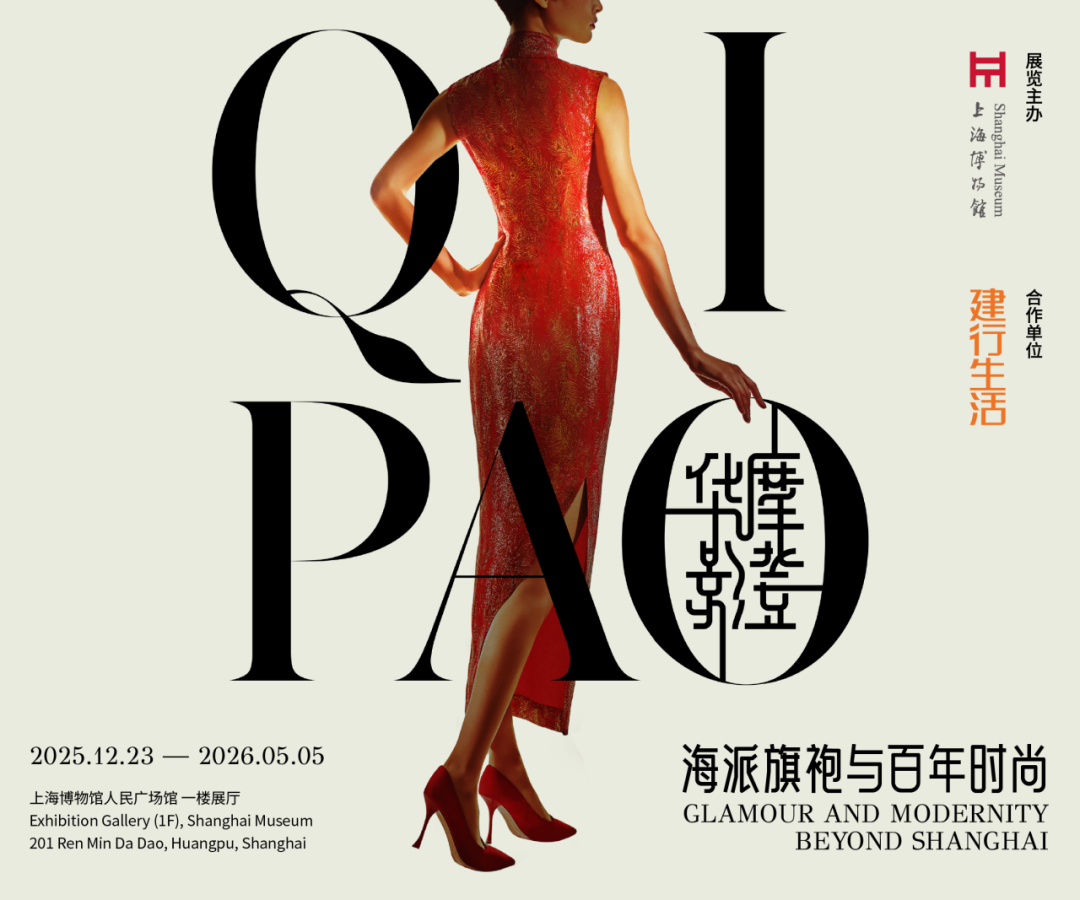
Core Insights - The article highlights various cultural exhibitions in Shanghai, showcasing a rich array of historical artifacts and artistic expressions, inviting the public to engage with cultural heritage during the upcoming Spring Festival [1]. Exhibition Summaries 1. Modern Huaying: Shanghai Cheongsam and Century-Old Fashion - The exhibition features nearly 306 pieces of cheongsam and fashion artifacts spanning over a century, with core exhibits donated by Ms. Bei Qia and Mr. Zhang Xinzhe [3]. - Duration: Now until May 5, 2026; Location: Shanghai Museum, People's Square [4]. - Admission: Free [4]. 2. Rome: From Olympus to Capitol - This exhibition includes 131 precious artifacts from the Liverpool National Museum, covering various categories such as sculptures, pottery, and glassware, all making their debut in Shanghai [7][10]. - Duration: Now until May 5, 2026; Location: Expo Museum [10]. - Admission: Free [10]. 3. Fusion of Ancient and Modern: Innovations in Bronze Art from the Song, Yuan, Ming, and Qing Dynasties - The exhibition features approximately 178 pieces, showcasing bronze artifacts from the Shanghai Museum and the Metropolitan Museum of Art, along with related artworks [13][14]. - Duration: Now until March 16, 2026; Admission: Free [14]. 4. Echoes of the Silk Road: Treasures and Civilizational Imprints from Xinjiang - The exhibition presents 110 precious artifacts that illustrate the unique position of ancient Xinjiang on the Silk Road, covering aspects of governance, trade, and cultural life [17][19]. - Duration: Now until May 19, 2026; Location: Minhang District Museum; Admission: Free [19]. 5. Galloping Steeds: Year of the Horse Technology and Culture Exhibition - This exhibition features 27 horse-themed artifacts from the Palace Museum and 11 rare horse specimens, highlighting the cultural significance of horses in Chinese civilization [22]. - Duration: February 17 to August 16, 2026; Location: Shanghai Science and Technology Museum; Admission: Early bird adult tickets available [22]. 6. Admiring Agarwood: Hainan Agarwood Culture Exhibition - This exhibition showcases rare agarwood artifacts and historical documents, emphasizing the cultural significance of agarwood in Chinese tradition [25]. - Duration: January 24 to March 22, 2026; Location: Shanghai History Museum; Admission: Free [25]. 7. Evidence of the Ancient Dian Kingdom: Yunnan Ancient Dian Civilization Exhibition - The exhibition features over 200 artifacts from the ancient Dian Kingdom, exploring its integration into Chinese civilization [28][29]. - Duration: Now until March 9, 2026; Admission: Requires museum entry ticket [30]. 8. Roaring Across the Land: China Dinosaur Exhibition - The exhibition includes 118 representative dinosaur specimens, narrating the evolutionary story of dinosaurs and their significance in Chinese geological history [30][32]. - Duration: Now until February 28, 2026; Location: Shanghai Natural History Museum; Admission: Requires museum entry ticket [32].

官方通报贵州省博29件套文物丢失或被盗:成立联合调查组全面调查核实
Xin Lang Cai Jing· 2026-01-13 11:31
Group 1 - The Guizhou Provincial Department of Culture and Tourism has taken the issue of 29 missing or stolen cultural relics from the Guizhou Provincial Museum seriously and has initiated an investigation [1] - The reported 29 cultural relics have been missing or stolen over a period from 1986 to 2008, indicating a long-standing issue with artifact security [1] - A joint investigation team has been established to conduct a comprehensive investigation and will hold responsible parties accountable based on the findings [1] Group 2 - The Guizhou Provincial Museum has published information on the "China Stolen (Missing) Cultural Relics Information Release Platform" to assist law enforcement and cultural departments in recovering the artifacts [1] - The provincial department is urging all museums in the province to improve internal management systems and enhance the security of their collections [1]
福建博物院面向社会公开征集文物
Zhong Guo Xin Wen Wang· 2026-01-09 22:52
Core Viewpoint - Fujian Museum is publicly collecting cultural relics to enrich its collection and enhance the exhibition structure, focusing on items with local historical, scientific, and artistic value [1][2]. Group 1: Collection Scope - The collection scope includes fourteen categories, emphasizing the diverse dimensions of marine civilization and local cultural heritage [1]. - Specific categories for collection include marine culture, Minnan culture, Hakka culture, Mazu culture, and She ethnic culture, with a focus on items like Zhangzhou kiln ceramics and Dehua kiln ceramics [1]. - The collection also targets historical cultural categories such as Zhuzi culture, shipbuilding culture, and notable figures from Fujian's history [2]. Group 2: Legal and Ethical Considerations - Collectors must ensure the legal provenance of their items and assume legal and financial responsibility for the authenticity of the collections [3]. - Fujian Museum is located in Fuzhou, covering approximately 90 acres with a building area of about 36,000 square meters and an exhibition area of around 12,000 square meters, housing over 210,000 items, including nearly 40,000 precious artifacts [3].
希腊拟强化安保措施防范文物盗窃
Xin Hua Wang· 2025-10-31 03:01
Core Viewpoint - The Greek government plans to enhance security measures at museums and archaeological sites nationwide in response to a recent robbery at the Louvre Museum in Paris, aiming to protect cultural heritage and artifacts [1] Group 1: Security Measures - The Greek Ministry of Culture and the Ministry of Citizen Protection are collaborating to develop a security plan that includes deploying approximately 300 special security personnel dedicated to the safety of cultural institutions, with the new guards expected to start in the first quarter of 2026 [1] - Currently, security responsibilities at these institutions are primarily handled by civil staff from the Ministry of Culture [1] Group 2: Risk Assessment - The Ministry of Culture will conduct a security assessment to identify museums housing rare artifacts and artworks as high-risk locations for enhanced protection [1] Group 3: Context of Recent Events - The robbery at the Louvre Museum involved the theft of several pieces of jewelry, which remain missing [1] - Greece has a history of art theft, including notable incidents in 2012 when works by Picasso and other masters were stolen from the National Gallery in Athens, and a theft occurred at the Archaeological Museum of Ancient Olympia in the same year [1]
东坡心事此间藏
Hai Nan Ri Bao· 2025-10-19 01:52
Core Points - The Hainan Dongpo Theme Library celebrated its first anniversary with a donation ceremony, receiving a collection of ancient books, cultural relics, and research works from 34 collectors and cultural enthusiasts, enhancing its role in the preservation and development of Dongpo culture [1][7] - The library has accumulated over 13,000 volumes, embodying the concept of "long preserving five carts of books" as emphasized by Su Dongpo, reflecting the importance of cultural heritage and education [3][9] - The library aims to promote the research and dissemination of Dongpo culture, having received over 6,000 visitors in its first year, including government officials and students, fostering cultural confidence and integrity [9][10] Summary by Sections Donations and Contributions - The library's collection has been significantly enriched by donations, including over 280 ancient books and numerous rare editions, showcasing the commitment of collectors to public access to cultural resources [7] - Notable donations include rare editions such as the Jiaqing edition of "Dongpo Shuzhuan" and Ming Dynasty's "Dongpo Tiba," highlighting the library's growing significance in the field of cultural preservation [7] Cultural Significance - Su Dongpo's philosophy emphasizes the importance of leaving behind knowledge and culture rather than material wealth, which resonates with the library's mission to serve as a repository of cultural heritage [2][6] - The library's efforts align with the broader cultural narrative in China, where the value of education and cultural legacy is prioritized over material possessions [3][6] Future Developments - The library is advancing its digitalization project to enhance accessibility and maximize the utility of its collections, ensuring that the cultural heritage reaches a wider audience [9] - The integration of technology aims to preserve the library's rare collections while promoting the ongoing relevance of Dongpo culture in contemporary society [9][10]
哈佛女校长:经常带孩子去这9个地方玩,孩子头脑更聪明,格局不一般
洞见· 2025-08-12 12:35
Group 1 - The core viewpoint emphasizes that true education goes beyond textbooks and classrooms, encouraging continuous self-discovery and adaptation to the world [5][6][7] - Parents with foresight understand the importance of exposing children to diverse experiences to broaden their perspectives and cultivate problem-solving skills [7][8] - Engaging children in various environments, such as libraries, museums, and science centers, is crucial for their cognitive and emotional development [10][30] Group 2 - The article highlights the significance of experiential learning, where children learn valuable life lessons through real-world experiences rather than just academic knowledge [33][36] - Real-life stories illustrate how hands-on experiences can profoundly impact children's understanding of hard work and the value of education [36][42] - Parents are encouraged to guide children in understanding the world comprehensively, not just through materialistic views but by appreciating the essence of life [48][51] Group 3 - The importance of physical activity, connection with nature, and community service is emphasized as essential components of holistic education [56][67] - The narrative suggests that a balanced approach to parenting, which includes both academic rigor and emotional well-being, leads to healthier and happier children [56][66] - The article concludes that the best education is often subtle and indirect, fostering children's potential without them being overtly aware of the educational process [68]