Autos

Search documents
2 Autonomous Driving Stocks That Could Be Worth a Fortune by 2030
The Motley Fool· 2026-03-15 05:28
Core Viewpoint - Electric vehicle (EV) stocks, excluding Tesla, have faced challenges, but there are opportunities in two specific companies, Lucid Group and Rivian, with differing levels of speculation and growth potential [1]. Group 1: Lucid Group - Lucid Group is viewed as a speculative investment with high upside potential, primarily focusing on becoming a technology supplier rather than just an auto manufacturer [2][3]. - The company currently lacks a mass-market vehicle, with its lowest-priced model exceeding $70,000, resulting in fewer than 17,000 units shipped last year [5]. - Despite a market cap of $3.5 billion, the lack of a clear path to scaling a mass-market vehicle makes investment in Lucid akin to a lottery ticket [6]. Group 2: Rivian - Rivian is identified as a top growth stock for 2026, with a significant growth catalyst expected soon [7][8]. - The company is set to begin deliveries of its R2 model, priced under $50,000, which is anticipated to enhance real-world sales traction [10]. - Rivian has invested heavily in AI, which will support the launch of its R2 SUV and future models, potentially providing a competitive edge in data collection for self-driving capabilities [10]. - The current market environment for EVs is more favorable than when Tesla launched its Model 3, with SUVs representing over 50% of total auto sales last year, positioning Rivian well for growth [13].


汽车行业2026年春季投资策略:不可或缺的汽车工业
GUOTAI HAITONG SECURITIES· 2026-03-15 05:22
Investment Rating - The industry investment rating is "Cautious Accumulation," indicating a relative expected increase of 5% to 15% compared to the CSI 300 index [54]. Core Insights - The report highlights a significant growth trajectory in the heavy truck market, with projected sales of 1.14 million units in 2025 and 1.16 million units in 2026, reflecting a year-on-year increase of 25% to 45% [40][26]. - The penetration rate of new energy heavy trucks is expected to rise to 33.6% by 2026, indicating a strong shift towards electrification in the sector [40]. - The report emphasizes the increasing demand for liquid cooling systems in data centers due to rising power consumption and the limitations of traditional cooling methods [20][19]. Summary by Sections Section 1: Heavy Truck Market - Heavy truck sales are forecasted to reach 1.14 million units in 2025 and 1.16 million units in 2026, with domestic sales contributing significantly [40]. - The penetration rate for natural gas heavy trucks is projected to be 28.9% by 2026, while new energy heavy trucks are expected to see a penetration rate of 33.6% [40]. Section 2: Data Center Cooling Solutions - The report notes that the demand for liquid cooling systems is increasing due to the limitations of air cooling methods, with a growing market for components and systems [20][19]. - The report identifies a significant opportunity for domestic manufacturers to replace imported components in the cooling systems market [20]. Section 3: Electric Vehicle Market - The report indicates that by 2025, the total application volume for electric vehicles is expected to exceed 1.15 million units, with a notable increase in the proportion of new energy vehicles [5]. - The report outlines the competitive landscape, highlighting key players and their export volumes, with BYD and Chery leading the market [12].
玛莎拉蒂母公司Stellantis接洽小米小鹏投资?能双赢吗
虎嗅APP· 2026-03-15 03:26
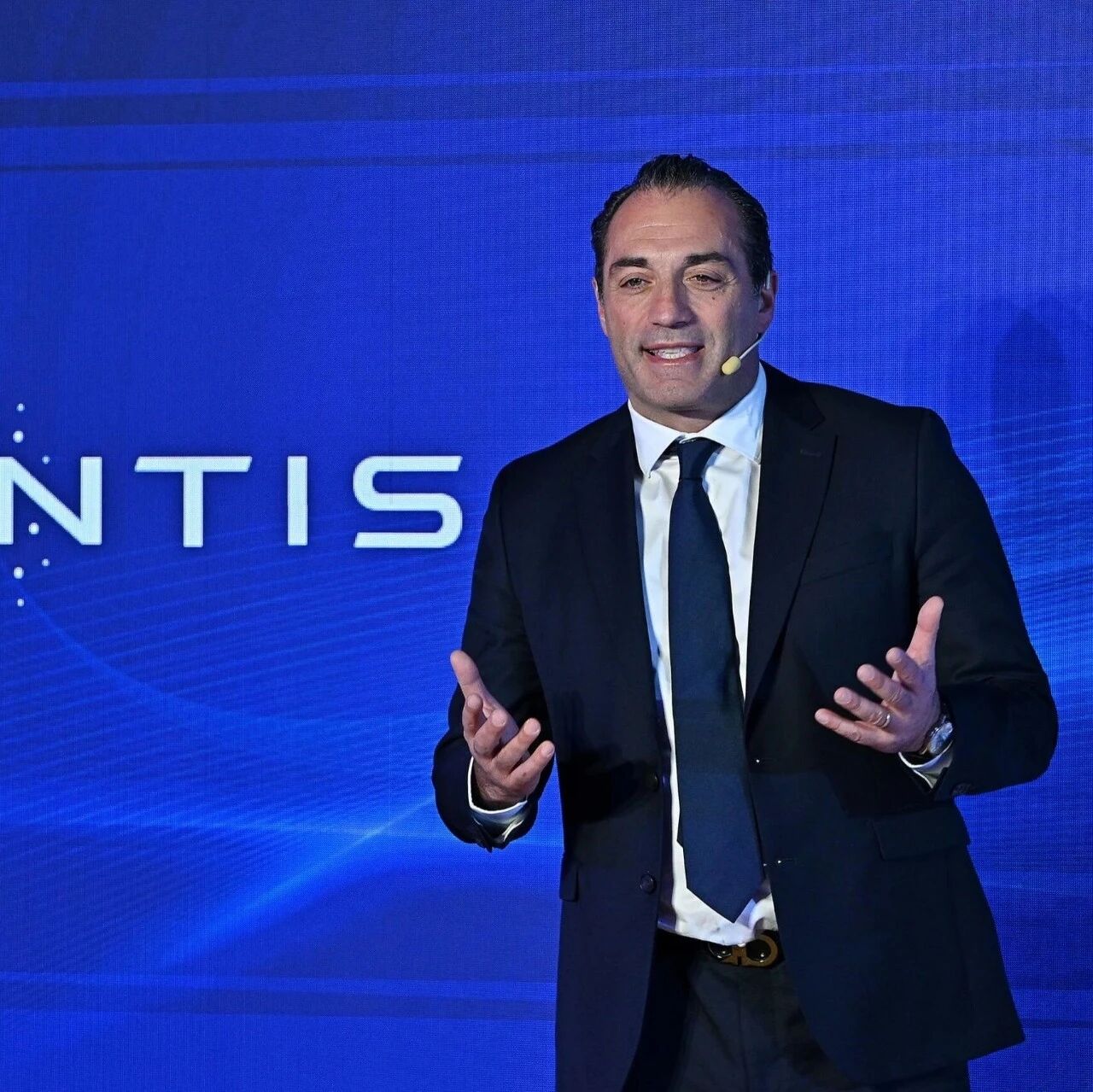
Core Viewpoint - Stellantis is seeking investment from Chinese automakers Xiaomi and Xpeng for its European operations, potentially selling stakes in brands like Maserati and opening European production capacity [2][5]. Group 1: Stellantis Overview - Stellantis is the fourth largest automaker globally, formed by the merger of PSA Group and FCA in 2021, and owns 14 brands including Maserati, Jeep, and Peugeot [3]. - The company is currently facing financial difficulties, projecting a net loss of €22.3 billion in 2025, a significant decline from a profit of €5.52 billion in 2024 [9]. - Stellantis' "Dare Forward 2030" strategy aims to have over 75 electric models by 2030, with a target of 5 million annual sales globally, but it has underestimated the speed of energy transition [9][10]. Group 2: Market Dynamics - The electric vehicle market growth has been uneven, with China experiencing a much higher penetration rate compared to Europe and the US, which Stellantis has overlooked [10]. - Stellantis has invested heavily in battery factories and electrification of its European plants, but the slow progress in the European electric vehicle market has led to overcapacity issues, with a factory utilization rate of only 45% [12]. Group 3: Potential Collaboration Benefits - Opening Stellantis' idle production capacity to Xiaomi and Xpeng could create a win-win situation, allowing Stellantis to recover funds while providing the Chinese companies with stable production capacity in Europe [13][14]. - For Xiaomi and Xpeng, this collaboration could lower transportation costs and enhance vehicle competitiveness, potentially granting access to Stellantis' sales channels in Europe [15]. Group 4: Challenges for Xiaomi and Xpeng - Currently, Xiaomi has not yet launched sales in Europe, with plans to enter the market by 2027, suggesting a cautious approach to capacity expansion [17]. - Xpeng's production capacity in Europe is already sufficient for its current sales volume, and it has initiated local production in Austria [18]. - Rapid expansion could lead to significant costs if market conditions change, with estimates suggesting that closing a large factory in Europe could take 1 to 3 years and cost around €1.5 billion [19].



Lucid podrobně představuje chystanou platformu Midsize a oznamuje nové zdroje pravidelných příjmů jako základ promyšlené cesty k ziskovému škálování
Prnewswire· 2026-03-15 02:52
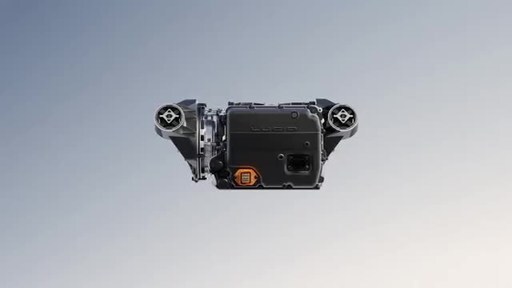
Core Insights - Lucid Group, Inc. has introduced a comprehensive financial and product strategy aimed at expanding its business activities and accelerating its path to profitability with positive free cash flow [1][2][3] - The company unveiled its new electric drive unit, Atlas, and the upcoming Midsize platform, which includes models such as Lucid Cosmos and Lucid Earth [1][2][4] - Lucid is enhancing its strategic partnership with Uber to finalize a deal for deploying midsize vehicles, similar to the Gravity robotaxi program, with plans for gradual expansion [1][2][3] Financial Strategy - The strategy focuses on short-term execution and scalable growth, with an emphasis on expanding the Gravity model, enhancing software offerings, and reducing material costs while maintaining strict capital allocation discipline [2][4] - Key factors for achieving profitability include the scalability of the Midsize platform, increased efficiency in development and production, diversification of revenue sources, and capital-efficient partnerships [2][4] Product Development - The Midsize platform aims to offer vehicles at a starting price below $50,000 while maintaining range, efficiency, performance, and driving pleasure characteristic of Lucid [2][4] - Lucid Cosmos is an SUV designed for customers seeking exceptional efficiency and space, while Lucid Earth targets adventurous drivers with a focus on driving dynamics [2][4] - The Midsize platform maintains a leading position in efficiency, which translates into cost advantages, as smaller battery modules constitute approximately 30-40% of electric vehicle costs [2][4] Technological Advancements - The Atlas drive unit features a lightweight and simplified design that enhances manufacturing scalability and cost efficiency [2][4] - Lucid's approach to "design for manufacturing" aims to reduce assembly time and costs while creating a cleaner and more elegant vehicle design [2][4] - The company emphasizes its technological leadership and commitment to innovation in both vehicle design and software development [2][4]
Elon Musk Says Tesla's 'Terafab' AI Chip Project Launches In 7 Days
Benzinga· 2026-03-15 02:23
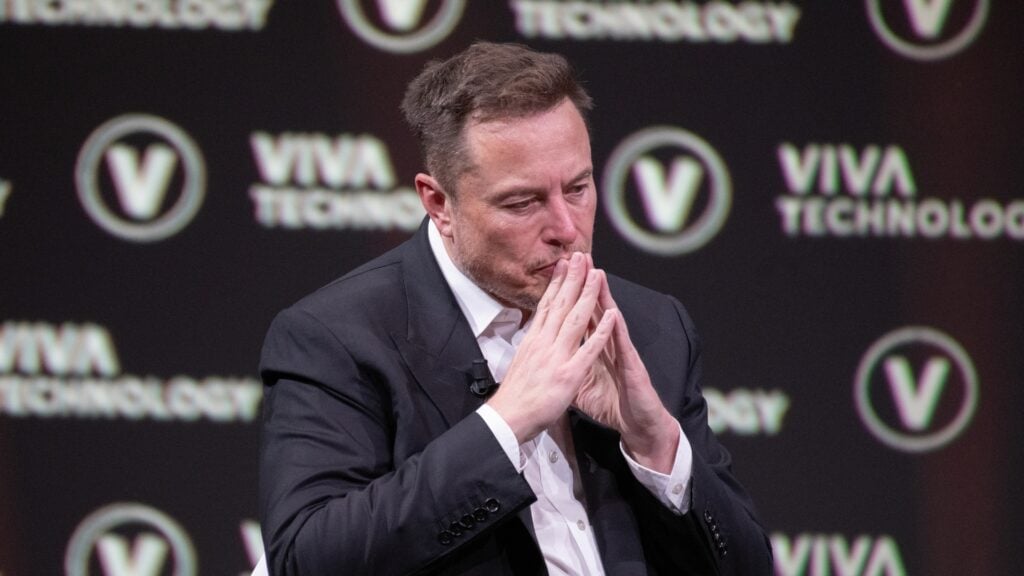
Core Insights - Tesla Inc. is set to launch its "Terafab" AI chip project within a week, marking a significant advancement in its AI infrastructure [1][2] - The company is developing its fifth-generation AI chip, AI5, to enhance its autonomous driving systems, including Full Self-Driving software [2] - Musk indicated the necessity for Tesla to potentially establish a large-scale chip manufacturing facility to meet increasing demand for chips [3][4] Tesla Terafab AI Chip Project - The "Terafab project" aims to produce AI chips and is expected to launch in 7 days, indicating a major step in scaling Tesla's AI capabilities [2] - The AI5 chip is designed specifically for Tesla's autonomous driving technology [2] Manufacturing and Production Needs - Musk has previously stated that even optimistic projections from suppliers would not suffice for Tesla's chip production needs, leading to the consideration of a large-scale fabrication plant [3] - The proposed facility, referred to as "Tesla terafab," is envisioned to be significantly larger than existing operations to meet the required chip volume [3][4] AI and AGI Ambitions - Musk expressed confidence in Tesla's potential to contribute to the development of Artificial General Intelligence (AGI), suggesting the company could be a leader in this field [4] - Tesla's recruitment efforts for AI chip designers in South Korea aim to create advanced mass-produced AI chips [5]
Is Rivian a Buy Ahead of Its R2 Electric Vehicle Launch? Hint: Absolutely, and Here's Why
The Motley Fool· 2026-03-15 01:48
Core Viewpoint - Rivian's upcoming R2 launch, priced under $50,000, is expected to significantly expand its market reach and could be a transformative event for the company [1][2]. Group 1: R2 Launch Impact - The R2 is anticipated to attract a large number of potential buyers, as most consumers prefer vehicles priced below $50,000 [1][2]. - Rivian's current offerings are luxury models that can exceed $100,000, limiting its customer base [1]. - Deliveries for the R2 are expected to commence in April, marking a pivotal moment for the company [1]. Group 2: Comparison with Tesla - Historical data from Tesla's Model 3 and Model Y launches illustrates the potential for Rivian's stock to appreciate significantly post-R2 launch [2][5]. - Tesla's market cap increased from approximately $35 billion in early 2017 to over $670 billion by early 2021, with a stock price rise of about 1,440% during that period [5][7]. - Rivian's current market cap is around $20 billion, with a price-to-sales ratio of 3.7, indicating a more attractive valuation compared to Tesla's pre-Model 3 launch [7]. Group 3: Future Growth Potential - Rivian plans to introduce additional sub-$50,000 models, such as the R3 and R3X, following the R2 launch, which could further enhance its market position [8]. - The company has significant upside potential due to substantial investments in AI and self-driving technologies, potentially outpacing Tesla's early growth trajectory [8]. Group 4: Investor Sentiment - Rivian shares are currently trading at a discounted valuation, suggesting that there may be substantial upside as the company approaches the R2 launch [9]. - Long-term investors may see significant gains as Rivian's market presence expands, similar to the experience of early Tesla shareholders [9].

Kimi估值涨至180亿美元,不到3个月翻4倍;字节回应武汉研发中心裁员;于东来再谈胖东来40亿资产分配;周鸿祎向母校捐赠1亿元丨邦早报
创业邦· 2026-03-15 01:32
Group 1 - ByteDance has suspended the global release of its video generation model Seedance 2.0 due to copyright disputes with major Hollywood studios, including Disney and Paramount's Skydance [2] - Kimi's valuation has surged to $18 billion, marking a fourfold increase in just three months, as the company is currently raising $1 billion in a new funding round [2] - Founder Yu Donglai of Pang Donglai clarified the asset distribution of 4 billion yuan, stating that his personal stake is around 5%, which is approximately 200 million yuan [3] Group 2 - ByteDance responded to rumors of layoffs at its Wuhan R&D center, stating that only 50 employees will be relocated, and the center will continue to operate with over 2,000 employees [4] - 360 Group launched the "360 Security Lobster" intelligent application client, significantly reducing installation time from 6 hours to 10 minutes [8] - Honda is expected to pay suppliers up to 106 billion USD due to the cancellation of three electric vehicle projects as part of a strategic reassessment [8] Group 3 - Giant Quasar Electronics completed a financing round of several million yuan to enhance its core technology and expand its market presence in high-end electronic testing [9] - Micro-LED manufacturer Sitan Technology raised over 200 million yuan in Series B funding to accelerate commercialization in automotive and AR display sectors [9] - Xi'an Zhongke Optoelectronics completed nearly 400 million yuan in Series A financing, focusing on intelligent manufacturing breakthroughs in aerospace and shipbuilding [9] Group 4 - Chery's iCAR V27, a new range-extended SUV, was launched with a price range of 169,800 to 196,800 yuan, featuring a comprehensive range of over 1200 km [10] - Qianwen AI glasses will introduce new features such as AI simultaneous translation and "AI handling" by the end of the month, expanding their application in daily services [12] - The overall passenger volume for civil aviation during the 2026 Spring Festival reached 94.39 million, a historical high, with a daily average of 2.36 million passengers, reflecting a 4.7% year-on-year increase [14]




Elon Musk Bets On Human Workforce As AI, Robotics Boost Productivity: 'Basically Just Issue Money…'
Yahoo Finance· 2026-03-15 01:30
Group 1 - Tesla plans to expand its workforce instead of implementing layoffs, as advancements in AI and robotics are expected to significantly increase productivity [2] - CEO Elon Musk predicts that the output per human at Tesla will become "nutty high," leading to a focus on workforce expansion [2] - Musk anticipates a deflationary economy where the output of goods and services will greatly exceed the money supply, suggesting that the company may "issue money to people" [2] Group 2 - Critics, including Senator Bernie Sanders, have questioned Musk's vision of a universal high income, highlighting concerns about the lack of entry-level jobs due to AI advancements [3] - The tech industry is experiencing significant layoffs as companies integrate AI, with Block Inc. cutting nearly half of its workforce and Atlassian Corp. reducing its global workforce by about 10% [4] - Lawmakers are expressing concerns about the impact of AI on jobs, with Senator Mark Kelly proposing an "AI for America" roadmap to protect employment [5] Group 3 - Key personnel have left Musk's AI startup xAI, including notable figures such as Yuhuai "Tony" Wu and Jimmy Ba, along with other significant departures from Tesla [6] - Tesla has seen the exit of long-term employees, including Thomas Dmytryk, who was involved in Robotaxi software, and Sendil Palani, the VP of Finance [6]

Where Could BYD Be in 3 Years? -- The Bear Case
The Motley Fool· 2026-03-14 23:47
Core Viewpoint - The bear case for BYD Company Ltd suggests that the company may face structural margin compression, underwhelming overseas execution, and challenges in translating optionality into profits, rather than a dramatic collapse [1] Group 1: Market Conditions - The most significant risk to BYD is persistent margin pressure due to a competitive and oversupplied EV market in China, which may force the company to engage in price wars [3] - If the competitive environment continues, consumers may become accustomed to discounts, complicating future price increases for BYD [3] - Even with cost leadership from economies of scale, BYD may still experience margin erosion, potentially leading to net profit margins remaining in low single digits or declining further [4] Group 2: Global Expansion Challenges - Global expansion appears promising but may not meet expectations, as BYD could struggle to execute effectively in unfamiliar markets [7] - In a bear scenario, overseas factories may not ramp up as planned, and factory utilization rates could remain low due to slower local demand growth, introducing new cost burdens [8] - This complexity from global expansion may not alleviate dependency on the Chinese market and could weaken returns on invested capital as capital expenditures rise faster than earnings [9] Group 3: Software and Energy Business - The bear case assumes that BYD's software and energy businesses will not become significant profit drivers, contrary to the bull case expectations [10] - Advanced driver-assistance systems (ADAS) may remain bundled at low costs, and consumer resistance to subscription pricing could result in minimal recurring revenue [11] - The energy storage business may struggle to grow its market share in a competitive and capital-intensive environment, leading to a margin profile closely tied to vehicle economics [12] Group 4: Investment Implications - The bear case for BYD indicates stagnation rather than outright failure, with the company continuing to sell millions of vehicles but facing low margins and returns on capital [13] - A balanced view suggests that the actual outcome may lie between the overly pessimistic bear case and the overly optimistic bull case [13] - Investors should prepare for various scenarios to make informed decisions regarding buying, holding, or selling BYD stock [14]

Honda Projects First Loss Since 1957 - $15.7 Billion - Thanks To EV Strategy Fail
ZeroHedge· 2026-03-14 21:30
Core Viewpoint - Honda Motor Co., Ltd. is reassessing its electric vehicle (EV) strategy and plans to cancel three EV models for the North American market, which could result in losses of approximately $15.7 billion for the fiscal year ending March 31 [1][3]. Group 1: Financial Impact - This will mark the first annual loss for Honda since its shares were listed on the Tokyo Stock Exchange in 1957 [3]. - Honda reported a nearly 50% year-over-year decline in operating profit for the quarter ended December 31, 2025, primarily due to heavy losses in its EV segment and the impact of tariff policies [5]. - Shares of Honda fell nearly 6% in intraday trading and have decreased over 22% in the past six months [9]. Group 2: Strategic Shift - Honda is shifting its manufacturing plans towards electrification in response to major policy changes in the U.S. aimed at promoting EV adoption, particularly in smaller passenger vehicles [3][4]. - The company has faced declining profitability in its EV business due to recent changes in the EV market environment [5][7]. - Honda will cancel the development and market launch of the Honda 0 sport utility vehicle, the Honda 0 Saloon, and the Acura RSX [8]. Group 3: Market Challenges - Economic pressures from new EV manufacturers in China and other Asian markets have affected Honda, as these competitors offer software-laden vehicles that align better with consumer demand [6]. - The expiration of a $7,500 federal tax credit for new electric vehicles on September 30, 2025, has significantly reduced consumer demand for EVs in the U.S. [6]. - The expansion of the EV market in the U.S. has slowed due to various factors, including easing fossil fuel regulations and revisions to EV incentives [7].