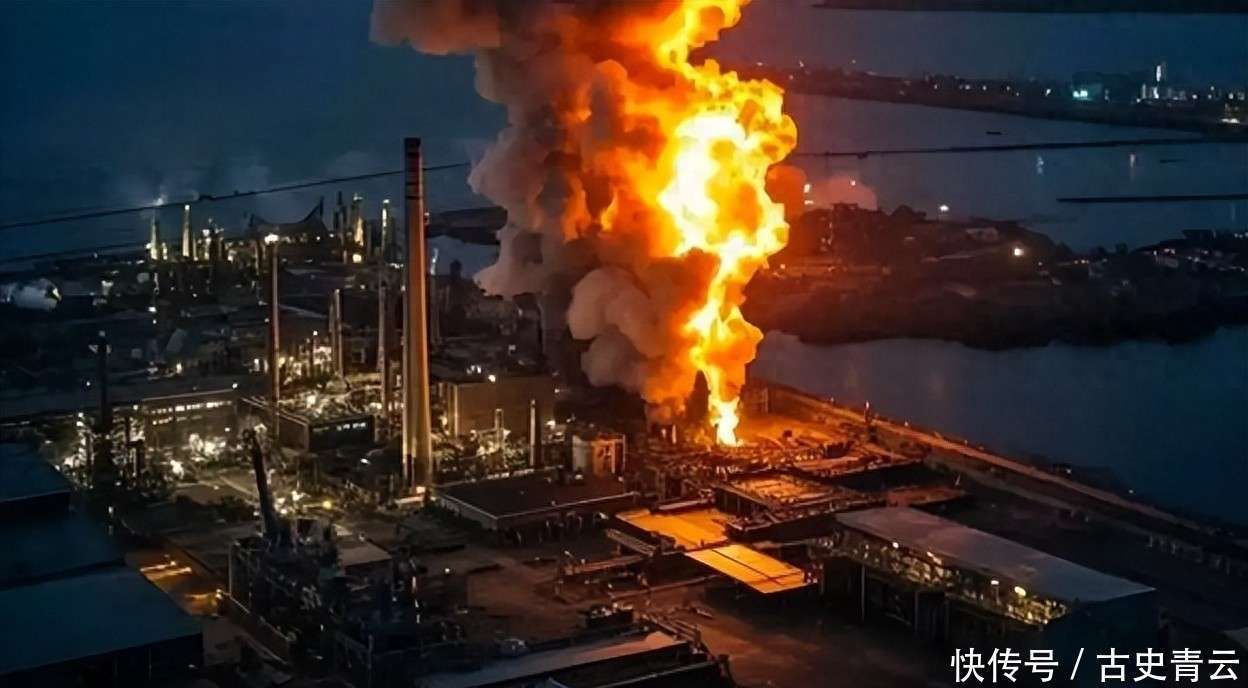
天然气

Search documents
俄油每卖一桶倒贴4美元?天然气六折对我们抛售,为什么俄罗斯亏钱也要卖?
Sou Hu Cai Jing· 2025-11-21 18:14
Core Insights - The significant drop in Russian Urals crude oil prices to $36 per barrel and liquefied natural gas (LNG) prices being offered at a 40% discount indicates a severe crisis in Russia's energy exports, driven by sanctions and market pressures [1][3][5]. Group 1: Price Dynamics - By the end of 2025, the price difference between Russian Urals crude oil and Brent crude oil reached $23.5, with Urals priced at $36 and Brent at approximately $60 [1]. - Russian LNG prices for exports to China were reported to be at a 60% discount compared to market prices, allowing China to save over 1.4 billion yuan monthly on energy procurement [1]. Group 2: Sanctions Impact - The U.S. imposed a financial blockade on Russia's energy sector in October 2025, targeting major oil companies and freezing their global assets, which severely restricted Russia's ability to conduct energy trade [3]. - The sanctions led to a significant reduction in shipping and insurance support for Russian oil, resulting in approximately one-third of Russia's maritime crude oil (around 1.4 million barrels per day) being stranded [3]. Group 3: Market Shrinkage - Following the U.S. sanctions, India, a major buyer of Russian oil, ceased imports, and the EU aimed to reduce Russian oil imports to nearly zero, exacerbating the crisis [5]. - Attacks on Russian energy infrastructure have further diminished domestic refining capacity by 30%, crippling the transportation chain [5]. Group 4: Economic Pressures - Russia's energy sector faces immense pressure to maintain production despite losses, as halting operations incurs higher long-term costs due to equipment depreciation and maintenance [7]. - Energy revenues account for 35% of the Russian federal budget, making it critical for sustaining the economy and military expenditures [10]. Group 5: China's Position - China has emerged as a preferred buyer of Russian energy, leveraging its diversified energy supply sources to negotiate lower prices [12]. - The Chinese strategy includes prioritizing discounted LNG from Russia while focusing on higher-quality Siberian ESPO crude oil, leading to a doubling of imports from Russia in August 2025 [12]. Group 6: Infrastructure and Trade Changes - China is tying energy procurement to the development of Arctic shipping routes and expanding pipeline systems, which could significantly increase gas supply from Russia [14]. - The settlement mechanism for energy transactions between China and Russia has shifted, with over 65% of transactions now conducted in yuan and rubles, reducing reliance on the dollar [14]. Group 7: Global Market Reactions - The drop in Russian energy prices has prompted Middle Eastern oil producers to lower their prices to maintain competitiveness in the Asian market [16]. - European countries are facing internal conflicts regarding energy imports from Russia, with some nations increasing imports despite sanctions [16]. Group 8: Regional Developments - Central Asian countries are seeking to reduce their economic dependence on Russia, with initiatives to build regional infrastructure [18]. - Russia is attempting to establish new export routes through the International North-South Transport Corridor, although progress is hindered by financial and political challenges [18].

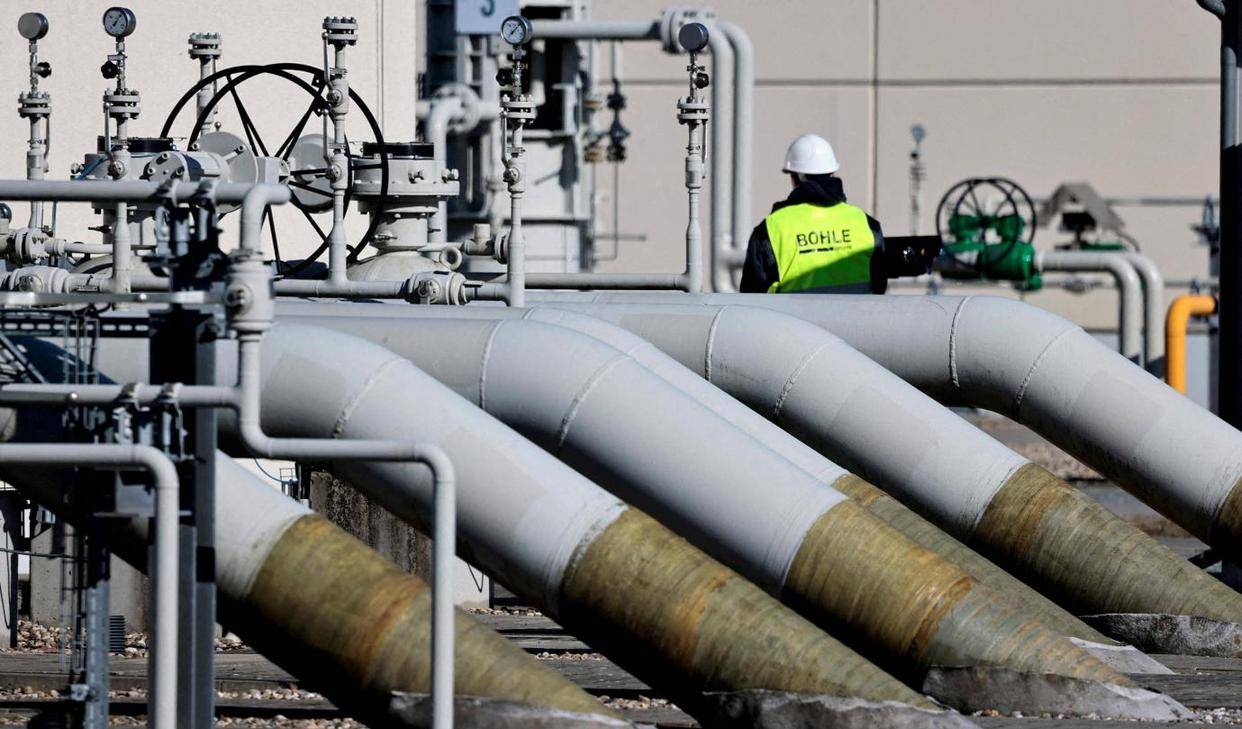
俄油价格崩了,天然气六折对我们抛售!为什么俄罗斯亏钱也要卖?
Sou Hu Cai Jing· 2025-11-21 17:03
编辑:CY 日挑衅意外催化中俄合作 就在日本首相高市早苗频频就涉台问题发出挑衅性言论,让中日关系雪上加霜之际,一场备受瞩目的会晤在克里姆林宫举行。 前言 11月以来,日本政客频频在涉台议题上挑衅。 另一边,俄罗斯却加速推进对华免签,能源价格更是低至36美元一桶。 为何日本的频频发难,反而加速了中俄合作?亚太的平衡,又将走向何方? 中方高层到访,与普京的谈话远比外界想象的更深入、更具体,也更有成果,俄罗斯方面表现得相当积极,不仅在表态上给予中国明确支持,更是主动端出 了两份沉甸甸的"大礼"。 第一份大礼是关乎民心的便捷,普京明确表态,要加快推进中国公民前往俄罗斯的免签程序。 这不仅仅是政策上的便利,更是两国关系信任度提升的强烈信号,人员一旦顺畅交流,带动的是贸易、投资等一系列更深层次的融合。 第二份大礼则是更硬核的能源合作,路透社报道称,俄天然气生产商正以极低的价格对华出口液化天然气。 在国际市场不稳定的背景下,俄罗斯将部分天然气对华出口价格压低,这等于是拿出了核心资源,来换取中国市场的稳定合作。 这种价格上的巨大让利,并非简单的商业折扣,而是一种深思熟虑的战略选择,对现在的俄罗斯来说,中国就是那个最关键,也最 ...
UGI (UGI) - 2025 Q4 - Earnings Call Transcript
2025-11-21 15:02
Financial Data and Key Metrics Changes - UGI Corporation achieved record-adjusted earnings per share (EPS) of $3.32, exceeding the revised guidance range of $3.00 to $3.15, representing a $0.26 increase from the prior year [4][17] - The company generated approximately $530 million in free cash flow and returned about $320 million to shareholders through dividends [4][22] - The leverage ratio for UGI Corporation was reported at 3.9 times, while AmeriGas stood at 4.9 times, reflecting disciplined debt reduction and improved performance [22][26] Business Line Data and Key Metrics Changes - AmeriGas reported EBIT of $166 million, a 17% increase year-over-year, driven by operational momentum and tax benefits [17][22] - The regulated utilities segment achieved record EBIT of $403 million, up $3 million from the previous year, with a total margin increase of $39 million due to a 10% rise in core market volumes [18] - The midstream and marketing segment's EBIT decreased by $20 million to $293 million, primarily due to lower margins and reduced income from equity method investments [19] Market Data and Key Metrics Changes - UGI International's EBIT declined by $9 million to $314 million, impacted by reduced margins and lower realized gains on foreign currency exchange [19][21] - LPG volumes decreased by 4% due to structural conservation and customer conversions from LPG to natural gas, although colder weather partially offset this decline [21] Company Strategy and Development Direction - The company is focusing on transforming its culture and operational discipline to enhance competitive advantage and drive sustainable growth [5][8] - UGI is raising its long-term EPS growth expectations to a compound annual growth rate target of 5-7%, supported by a robust capital investment program of $4.5 to $4.9 billion [5][25] - The strategic vision includes optimizing the portfolio and enhancing system reliability, particularly in the natural gas sector, to capitalize on energy expansion opportunities [9][25] Management's Comments on Operating Environment and Future Outlook - Management expressed confidence in the operational and financial improvements at AmeriGas, which are expected to drive organic growth in the coming years [28] - The company anticipates continued growth in all business lines, with a focus on low double-digit growth over the planning horizon [36][37] - Future guidance for fiscal 2026 projects adjusted diluted EPS in the range of $2.85 to $3.15, assuming normal weather and current tax conditions [23][24] Other Important Information - The company has successfully implemented stringent project management disciplines and increased technological adoption, including AI, to drive efficiency [8][10] - UGI is committed to maintaining financial discipline, targeting a leverage ratio at or below 3.75 times for UGI Corporation and 4.0 times for AmeriGas [26] Q&A Session Summary Question: Expectations for midstream and LPG businesses in the five-year plan - Management expects low double-digit growth across all business lines during the planning horizon, including midstream and LPG [36] Question: Update on natural gas activities and data center investments - Management confirmed ongoing significant discussions with over 50 counterparties regarding natural gas activities in Pennsylvania [40] Question: Comments on potential electric utility market considerations - Management stated that portfolio optimization remains a continuous focus, evaluating opportunities for value creation [42] Question: AmeriGas targets and deleveraging strategy - Management highlighted that AmeriGas has opportunities to drive value through operational improvements, expecting to approach a leverage ratio of 4.5 in the near future [49][53] Question: Consistency of earnings excluding one-time tax credits - Management confirmed that there will be no ongoing detriment or benefit from previous tax credits, indicating a normalized run rate for future earnings [56][58] Question: Changes in capital expenditure and shareholder returns - Management indicated that utility capital expenditures are expected to remain consistent or slightly increase, with a commitment to dividends in the future [60][61]

UGI (UGI) - 2025 Q4 - Earnings Call Transcript
2025-11-21 15:00
Financial Data and Key Metrics Changes - UGI Corporation achieved record-adjusted earnings per share (EPS) of $3.32, exceeding the revised guidance range of $3.00 to $3.15, representing a $0.26 increase from the prior year [4][17] - The company generated approximately $530 million in free cash flow and returned about $320 million to shareholders through dividends [4][21] - The leverage ratio for UGI Corporation was 3.9 times, while AmeriGas stood at 4.9 times, reflecting disciplined debt reduction and improved performance [21][25] Business Line Data and Key Metrics Changes - AmeriGas reported EBIT of $166 million, a 17% increase year-over-year, driven by operational momentum and tax benefits [17][21] - The regulated utilities segment achieved record EBIT of $403 million, up $3 million from the previous year, with a total margin increase of $39 million due to a 10% rise in core market volumes [18] - UGI International's EBIT declined by $9 million to $314 million, impacted by higher income tax expenses and lower margin contributions [19][20] Market Data and Key Metrics Changes - The utility segment added over 11,500 residential heating and commercial customers, increasing the customer base to approximately 967,000 across Pennsylvania, West Virginia, and Maryland [18] - LPG volumes at UGI International decreased by 4%, influenced by structural conservation and customer conversions from LPG to natural gas [20] Company Strategy and Development Direction - UGI is focusing on portfolio optimization to enhance resource utilization in core customer segments, aiming for a long-term EPS growth target of 5-7% [5][24] - The company is investing in critical pipeline infrastructure and new LNG and renewable natural gas facilities to expand revenue-generating capabilities [4][9] - AmeriGas is undergoing operational transformation to improve efficiency and customer service, with a focus on safety and financial discipline [10][11] Management's Comments on Operating Environment and Future Outlook - Management expressed confidence in the growth outlook for all business lines, expecting low double-digit growth over the planning horizon [34] - The company anticipates continued earnings growth in the midstream and marketing segment, supported by fee-based margins and limited commodity exposure [23] - UGI International is expected to maintain performance in line with the current year, driven by strong margin management and organic growth initiatives [24] Other Important Information - UGI deployed approximately $900 million in capital, primarily in natural gas businesses, to position for future earnings growth [21][22] - The company is committed to maintaining a leverage ratio at or below 3.75 times for UGI Corporation and 4.0 times for AmeriGas to ensure financial flexibility [25] Q&A Session Summary Question: Expectations for midstream and LPG businesses in the five-year plan - Management expects low double-digit growth across all business lines during the planning horizon, with consistent growth rates anticipated [34][35] Question: Update on NDAs and data center activity - Management confirmed ongoing discussions with over 50 counterparties regarding various projects, indicating significant activity in Pennsylvania [37] Question: Comments on potential sale of electric utility and portfolio optimization - Management stated that portfolio optimization remains a continuous focus, evaluating opportunities for value creation through holding or divesting assets [39][40] Question: AmeriGas targets for leverage and growth - Management highlighted opportunities for growth in AmeriGas through operational improvements, with expectations for EBIT growth to continue [44][49] Question: Clarification on tax credits and future expectations - Management confirmed that the bulk of investment tax credits received in fiscal 2025 will not recur, leading to a normalized run rate for future earnings [52][53] Question: Changes in CapEx and shareholder returns - Management indicated that utility CapEx is expected to remain consistent or slightly increase, with a commitment to dividends in the coming years [56]
智通港股解盘 | 下跌是全球性的问题 资金都在观望是否释放利好
Zhi Tong Cai Jing· 2025-11-21 13:18
Market Overview - Global markets experienced significant declines, with the Nasdaq down 2.15%, Nikkei 225 down 2.4%, and the Hang Seng Index down 2.38% [1] - The catalyst for this downturn was the unexpected increase of 119,000 in U.S. non-farm employment for September, far exceeding the market expectation of 50,000, indicating economic resilience [1] - Bitcoin saw a sharp decline of over 8%, signaling heightened risk sensitivity in the cryptocurrency market [1] Technology Sector - Major tech stocks faced sell-offs, with Michael Burry questioning the longevity of Nvidia chips and the actual demand for AI, suggesting it is "ridiculously small" [2] - Nvidia's strong earnings report could not prevent its stock from declining, impacting related companies like Hongteng Precision Technology and SMIC, which fell over 8% and 6% respectively [2] - Consumer sectors in the U.S. are underperforming, with both non-essential and essential consumer goods sectors showing significant declines since the start of the government shutdown in October [2] Geopolitical Context - Japan's Prime Minister reiterated the country's stance on the Taiwan issue, indicating ongoing geopolitical tensions [3] - Military-related stocks, such as China Shipbuilding Defense, have seen increased investment interest amid these tensions [3] Energy Sector - The National Development and Reform Commission emphasized the importance of natural gas supply for the upcoming heating season, highlighting the need for stable production and supply [6] - Companies like China Resources Gas, Kunlun Energy, and China Gas are positioned to benefit from this focus on energy supply stability [7] Company Highlights - China Shipbuilding Defense reported a significant increase in revenue and net profit for Q3, with revenue of 14.3 billion yuan, up 13% year-on-year, and net profit of 660 million yuan, up 250% [8] - The company holds a strong market position with a 73% share of new ship orders globally, indicating robust demand and a solid order backlog [8] - The company is also involved in deep-sea resource development and marine research, with plans for advanced vessels and green ship designs [9]
俄罗斯天然气亏本出售!中国捡到大便宜,每月怒省14亿
Sou Hu Cai Jing· 2025-11-21 09:49
Core Viewpoint - Russia is selling natural gas to China at a significant discount, nearly at cost price, which raises questions about the motivations behind such a decision [1][3]. Group 1: Pricing and Economic Impact - The price of natural gas exported from Russia to China is between $28 million to $32 million per shipment, which is approximately 40% cheaper than international prices [3][10]. - China saves about $1.4 billion monthly due to these discounted prices [3]. - The cost of a conventional natural gas transport ship is around $44 million, indicating that Russia is incurring losses by selling below this cost [1]. Group 2: Russia's Economic Situation - The sanctions imposed by the U.S. have led to a halt in natural gas purchases from Russia by other countries, forcing Russia to sell at a loss to maintain operations [5]. - Stopping production is not feasible for Russia due to the risk of damaging expensive industrial equipment, which requires continuous operation [6][8]. - If production stops, the costs associated with unsold gas and storage become unsustainable, compelling Russia to sell even at a loss [8]. Group 3: China's Position and Risks - China does not lack alternative natural gas sources, primarily importing from Australia and Qatar, but the geopolitical landscape has limited Russia's buyers to mainly China [10]. - Accepting discounted Russian gas carries potential commercial and political risks for China, as it may affect its international standing [12]. - The cooperation between China and Russia in the natural gas sector is expected to strengthen with the upcoming "Power of Siberia 2" pipeline project, which aims to enhance energy collaboration [12][14]. Group 4: Future Outlook - The current trend of discounted gas exports from Russia to China is likely to continue as long as Western sanctions remain in place [14]. - The focus of energy cooperation between the two countries is expected to shift towards the "Power of Siberia 2" pipeline project, which could significantly deepen their energy relationship by around 2030 [14].
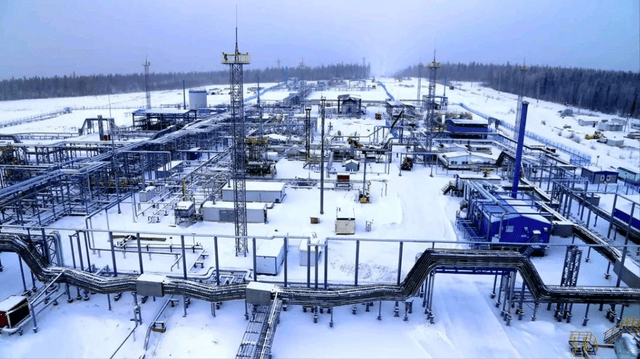
天气转暖叠加乌克兰和平方案前景 欧洲天然气价格创18个月新低
Zhi Tong Cai Jing· 2025-11-21 09:33
Core Viewpoint - European natural gas prices have reached an 18-month low due to warmer weather forecasts and the potential for a peace plan regarding Ukraine, which may impact supply and demand dynamics in the market [1][2]. Group 1: Market Dynamics - The recent weather forecasts indicate a rise in temperatures, leading to a decrease in heating demand, which has pushed benchmark futures prices to their lowest level since May 2024 [1]. - The market has broken out of a narrow trading range due to ongoing ample natural gas supply and new developments in diplomatic negotiations related to Ukraine [1]. - Traders are closely monitoring the situation, as a potential peace agreement with Russia could ease sanctions and improve the supply outlook for Europe [1]. Group 2: Supply and Demand Factors - Despite European natural gas inventories being below historical averages, there is growing confidence among traders that global liquefied natural gas (LNG) supplies will be sufficient to help Europe through the winter [2]. - The latest weather models predict warmer temperatures in Northwestern and Central Europe, which may alleviate market pressures following a recent cold snap that increased gas demand [2]. - As of the latest report, the benchmark Dutch near-term natural gas futures price has decreased by 0.88%, settling at €30.43 per megawatt-hour [3].
德国倒向俄气?欧盟加速俄能源脱钩,德州长逆势宣布:要用俄气
Sou Hu Cai Jing· 2025-11-21 08:12
Group 1 - The core viewpoint of the articles highlights the irreversible decoupling of Russia and Europe in the energy sector, with Germany's energy policy becoming a focal point of public discussion following comments from Saxony's governor advocating for the resumption of Russian gas imports if the Ukraine war ceases [1][3] - Since the outbreak of the Ukraine conflict, the EU has imposed sanctions on Russia, particularly targeting the energy sector, which has historically seen significant reliance on Russian imports, accounting for 45% of natural gas, 30% of oil, and nearly 50% of coal in 2021 [1][3] - The EU's REPowerEU plan was introduced in 2022 to reduce dependence on Russian gas, but its implementation faces challenges due to insufficient infrastructure and the lengthy timeline required for new projects [1][3] Group 2 - Germany, as the economic engine of the EU, has been under significant pressure due to the energy decoupling from Russia, with pre-conflict dependencies of 55% on natural gas, 35% on oil, and 50% on coal [3] - The German government announced a complete halt to Russian energy imports starting in 2023, seeking alternative sources such as Norway and Qatar, but faces difficulties as Norway approaches production limits and Qatar prioritizes long-term contracts with Asia [3] - Energy prices in Germany surged by 40% year-on-year by 2023, leading to increased industrial electricity costs and forcing high-energy industries to reduce production or relocate, exemplified by BASF's closure of domestic chemical production lines for the first time since WWII [3] Group 3 - The energy crisis and inflation in Germany have contributed to a shrinking economy, with the eurozone inflation rate exceeding 10.7%, marking a historical high [3] - The geopolitical landscape of global energy is shifting, with the U.S. expanding LNG exports to the EU, becoming the largest supplier despite high prices exacerbating energy poverty in Europe [3] - Russia is advancing the Power of Siberia-2 gas pipeline project and securing long-term supply contracts with China and India, while the global energy market is increasingly polarized between OPEC+ led by Saudi Arabia and Russia, and the U.S.-led shale oil alliance [3] Group 4 - Germany's energy choices reflect deep-seated contradictions between energy security, economic interests, and political positions, with potential short-term solutions including increased gray imports and expanded renewable energy deployment [5] - A complete detachment from Russian energy reliance will require several years, necessitating the EU to accelerate the construction of a unified energy market and strengthen cooperation with regions like Africa and the Middle East [5] - The success of global energy transition will depend on advancements in technological innovation and the depth of international cooperation [5]
首个、首次、首台!本周,大国重器再传好消息
Yang Shi Xin Wen Ke Hu Duan· 2025-11-21 06:49
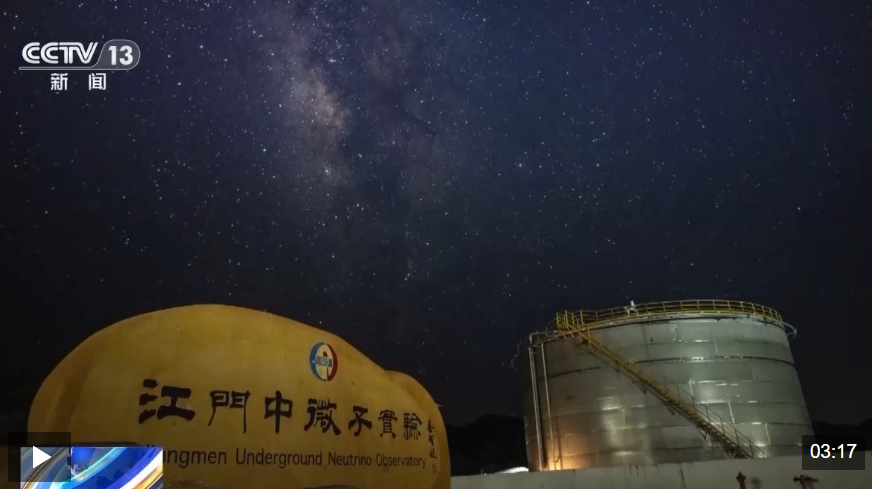
Core Insights - China has achieved significant breakthroughs in engineering construction and scientific exploration, showcasing its technological prowess and precision in various fields [1][3] Group 1: Neutrino Experiment - The Jiangmen Neutrino Experiment, the world's first large-scale and high-precision neutrino facility, has released its first major scientific results, improving measurement precision by 1.5 to 1.8 times compared to previous experiments [1][3] - The primary scientific goal of the experiment is to determine the mass ordering of neutrinos, addressing a major issue in particle physics for the next decade [3] Group 2: Nuclear Power Development - The construction of China's first "Hualong One" nuclear power plant with cooling towers has officially begun, marking a significant milestone in the Shandong Zhaoyuan nuclear power base [5] - The Hualong One technology is China's self-developed third-generation nuclear power technology, with a total planned capacity of approximately 7.2 million kilowatts across six units, capable of meeting the annual electricity needs of 5 million people [5] Group 3: Energy Utilization Innovations - The first high-pressure natural gas long-distance pipeline pressure recovery power generation project has commenced operations, enhancing the efficient use of pressure resources during gas transportation [5] - A green hydrogen coupling coal chemical project has entered market operation, demonstrating a successful model for the green transformation of the coal chemical industry [7] Group 4: Aquaculture Advancements - The "Zhanjiang Bay No. 1" floating dynamic positioning aquaculture platform has been delivered, featuring a capacity of 8,000 cubic meters for multi-species farming and an annual production capacity of 2,000 to 5,000 tons [7][9] - This platform represents a significant advancement in deep-sea aquaculture technology, supporting the modernization of marine ranching in China [9]
欧洲能源出奇招,五国联动开通道,乌克兰寒冬求生结局难料
Sou Hu Cai Jing· 2025-11-21 06:28
最近,欧洲能源圈传出了一个大新闻!由于俄乌冲突,欧洲的能源安全问题变得异常严峻。乌克兰居然联合希腊和美国,提出了一个跨越五国的能源走廊计 划,这一波操作能否帮助欧洲渡过寒冬呢?我觉得,这其实是乌克兰在困境中找到的一条破局之路。我们先来看一下乌克兰的处境有多么困难。俄罗斯几乎 全力攻击乌克兰的能源设施,基辅等大城市时常会出现停电,输送管道也损坏得很严重。 更为棘手的是,乌克兰不仅缺乏修复设备的资金和物资,还严重短缺44亿立方米的天然气。如果能源供应出现问题,民众的取暖需求无法满足,国家的运转 也会受到影响。而且,这不仅仅是乌克兰一个国家的问题,整个欧洲都在为此感到焦虑。自从俄乌冲突打破了原本稳定的能源供应格局后,欧洲就陷入了两 难境地:既不想依赖俄罗斯的天然气,又担心找不到其他供应来源。乌克兰的困境也成了一个警示,暴露了欧洲能源安全的脆弱。只要能源设施成为了敌对 方的打击目标,甚至像冬季取暖这样的基本需求,也会被当作政治博弈的工具。 我认为,能源的武器化简直是一个巨大的陷阱,它将能源安全从一个经济问题提升到了国家安全的层面,这也让各国都急于寻找解决之道。在大家都担心乌 克兰是否能撑过这个冬天时,乌克兰总统泽连斯 ...