
供水

Search documents
一线见闻丨打通水管“最后一公里” 城乡共饮“放心水”
Yang Shi Xin Wen Ke Hu Duan· 2025-12-01 06:25
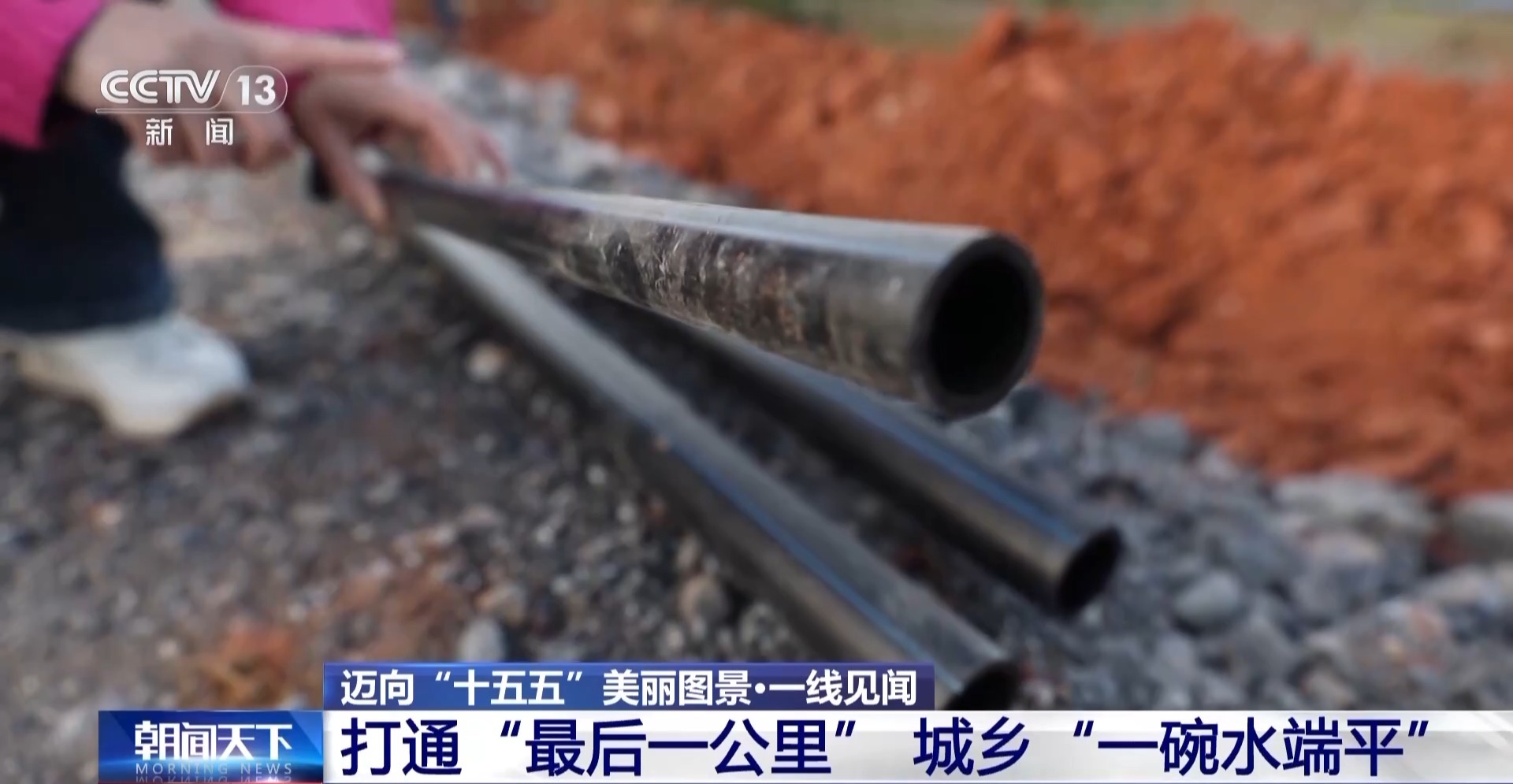
党的二十届四中全会对"推进宜居宜业和美乡村建设"作出部署,提出"统筹优化村镇布局,推动县域基础设施一体化规划建设管护"。 在湖南郴州嘉禾县,"七山二水一分田"的丘陵山地间,喀斯特地貌导致水资源难留存,人均水资源量不足全国平均水平的六成。尽管城乡供水一体化覆盖率 已达95.18%,但148个偏远自然村组自来水"末梢梗阻"仍未打通。当地正以三年攻坚行动打通"最后一公里",让城乡共饮"放心水"。 总台央视记者 李洁:我现在是在嘉禾县的油榨屋村,这是一个非常偏远的自然村组,这两天城乡一体化供水的水管刚好铺设到了这里。像这种黑色的主管 从位于县城的自来水厂铺到这里需要铺40公里。为了保证水量的稳定,中途还要经历一次加压和一个高位水池的调节。 水管铺到这里以后,还要再铺这样细的入户水管,这种水管要铺设10公里,这样才能让自来水真正到达这20户人家的家里。 油榨屋村是一个仅有20户人家的自然村组,藏在郴州与永州交界的高海拔山区,周围被喀斯特地貌的丘陵包围,这种地质如同漏斗,存不住水。过去,距离 村子一百多米远的一口水井,一直是村民们喝水用水的主要来源。而近年来,受气候变化、地下水位下降的影响,井水水量日渐减少,早已满足不了 ...

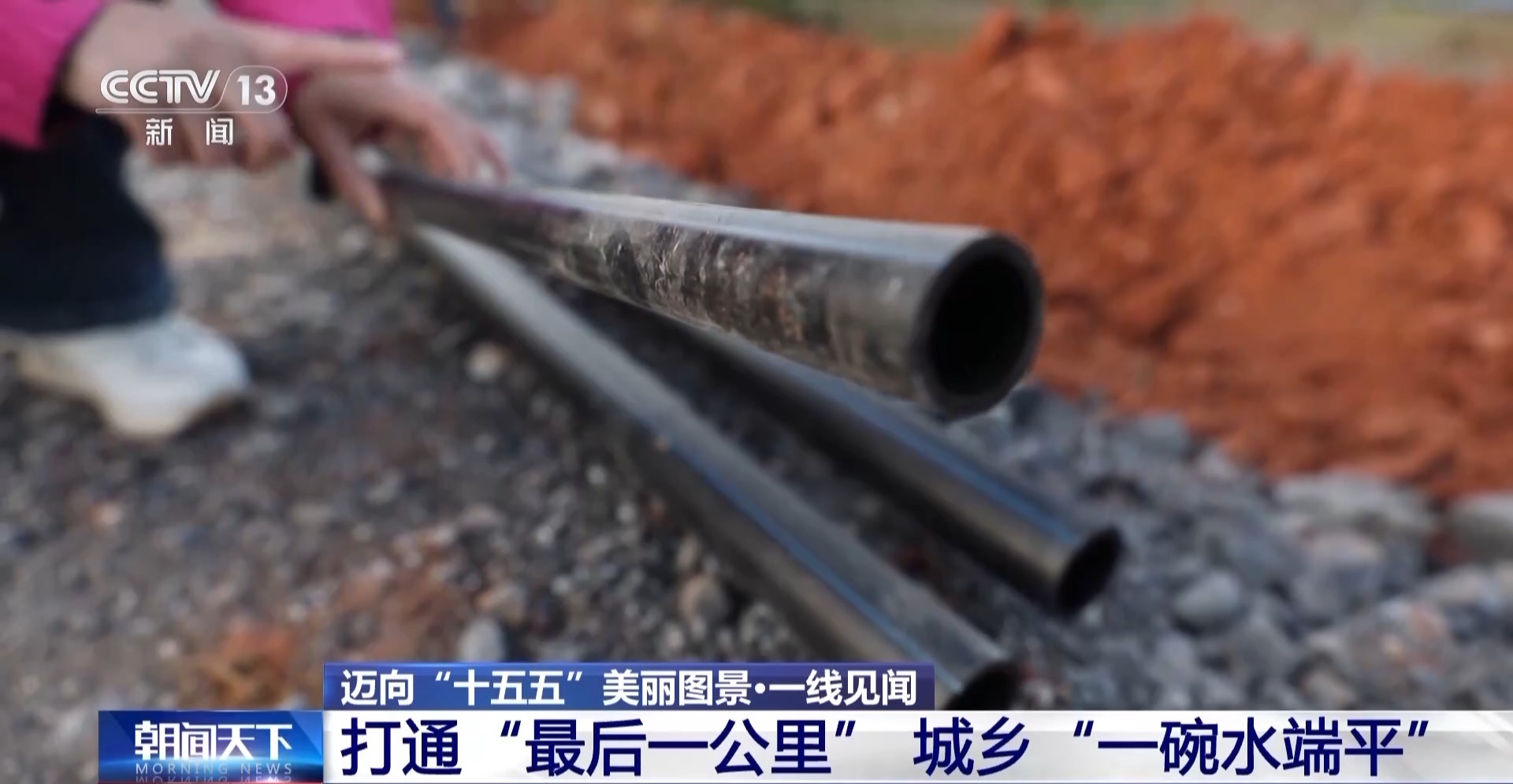
打通水管“最后一公里” 城乡共饮“放心水”
Yang Shi Xin Wen Ke Hu Duan· 2025-12-01 05:47
Core Viewpoint - The article discusses the efforts in Hunan's Chenzhou Jiahe County to enhance rural water supply integration, aiming to provide equal access to safe drinking water for rural residents, thereby promoting a better living and working environment in rural areas [1][7]. Group 1: Water Supply Integration Efforts - Jiahe County has achieved a 95.18% coverage rate for urban-rural water supply integration, but 148 remote villages still face challenges in accessing water [7][11]. - A three-year action plan has been initiated to connect these villages, benefiting over 64,000 people [7][9]. - The oil pressing village is one of the first to implement this plan, with new water pipes being installed to ensure access to city-standard drinking water [9][11]. Group 2: Infrastructure and Capacity Improvements - The Panjiang Water Plant, which supplies 70% of the county's water, is undergoing upgrades to enhance its capacity, addressing a 30% shortfall during peak usage [11][13]. - After improvements, the plant's hourly supply capacity will increase to 2,500 tons, with a 99.5% turbidity removal rate, surpassing national standards [13][15]. Group 3: Water Quality Monitoring - Water quality is monitored through 42 indicators monthly and 11 routine tests daily, ensuring compliance from source to tap [19][21]. - The frequency of water quality checks has increased to every five days due to the extended network and increased user base [21][24]. - A smart water management system allows real-time monitoring of water quality and pressure across the county's water supply network [22][24]. Group 4: Economic and Environmental Impact - The stable water supply has attracted businesses, such as a large chili sauce factory, which relies on consistent water access for production [26][28]. - The integration of water supply has led to improvements in rural living conditions, with increased purchases of modern appliances and upgrades to sanitation facilities [30][32]. - The county aims to achieve 100% urban-rural water supply integration during the 14th Five-Year Plan, focusing on quality and safety [33].
保亭:“点题”巡察精准破解民生堵点
Hai Nan Ri Bao· 2025-12-01 01:48
Core Insights - The water supply network extension project in Xinxing District, an important part of the water security project in Baoting County, has been completed, resolving water supply issues for 1,113 residents [1][2] - The project faced delays due to substandard water supply equipment, which prevented it from passing inspection and being handed over to the operating company [1] - The Baoting County Committee's third inspection team implemented a "point-based" inspection approach to address the public's grievances effectively [1][2] Group 1 - The water supply project was initiated to address the long-standing water supply issues faced by residents, who relied on unstable water sources [1] - The inspection team identified communication gaps between the Xinxing District and the Baoting County Water Affairs Bureau as a key issue contributing to the delays [1] - A "supervision package" system was established to ensure accountability and expedite the resolution of the identified problems [2] Group 2 - The inspection team plans to continue its "point-based" inspection approach, utilizing a platform for public dialogue to gather citizen feedback [2] - The integration of multiple supervisory forces aims to transform the public's problem list into actionable items, addressing urgent community needs [2] - The collaborative effort between the inspection team, the local party committee, and the water affairs bureau has led to a successful resolution of the water supply issue within the set timeframe [2]
服务市民(侨乡新貌)
Ren Min Ri Bao Hai Wai Ban· 2025-12-01 00:51
许丛军摄(人民视觉) 据悉,日生产规模60万立方米的狼山水厂服务约150万市民,凭借"常规+臭氧活性炭+超滤膜"的多重处 理工艺,水质优于国标,为城市发展注入源源不断的清泉动力。 图为夕阳下的狼山水厂一角。 《人民日报海外版》(2025年12月01日 第 06 版) 06 华侨华人 今年前10月,江苏省南通水务集团狼山水厂供水量达1.23亿立方米,比去年同期增长5.83%。 人 流 用 来 = 2025年12月1日 星期一 中 旅美中医王学治- 行于医途 守于本心 瑞 外壁 2008年 到 は武永与寺道 版 始 的 传承笃行 sul Factor t to you HUZ 编制部门门 " EP+G 1.16 NATE CALL 時間的腿膠 q 界 共 进 g III 年 人 社 区 多伦多举办"中国编辑杯"演讲演 季文教育 比赛设中学组和小学组,主题分别为"德记历史,均省 选手们图特视频图史与中旗 在演讲。原现出中放文化又破坏赏下的家庭情怀与团 ,经过散烈角逐。周辉晶、王室、王子镇、胎子康分 胜多伦多代台领事程武陵邑剧团队员为获奖学生 图华黄青少年通过学习中文网化对中华文化和中国 IN, 成功论 第二十六届华 ...

贵州罗甸将县城与农村水务整体打包 脱贫村建好护好水利设施(不掉队 赶上来)
Ren Min Ri Bao· 2025-11-29 22:18
Core Insights - The article highlights the efforts made by the local government and water supply companies in Guizhou Province to address water scarcity issues in rural areas, particularly in Daguang Village, which has historically faced severe water shortages [1][2][3][4] Group 1: Water Supply Challenges and Solutions - Daguang Village has a history of water scarcity, impacting the daily lives and agricultural practices of its residents, who previously relied on rainwater and distant mountain springs [1][2] - In 2019, the local water authority invested over 5 million yuan to initiate a drinking water safety enhancement project, resulting in the village gaining access to tap water by the end of that year [2] - The water supply system in Daguang Village includes a 40.38 km main pipeline from the nearby Bianyang Reservoir, with a distribution network of nearly 200 km to serve the dispersed households [2] Group 2: Management and Maintenance of Water Supply - The management of rural water supply is challenging due to high maintenance costs, leading to a preference for bundling urban and rural water services to improve efficiency and reduce losses [3] - The local water supply company has established service teams to conduct regular inspections and maintenance every ten days, ensuring water quality and pressure are monitored [3] - A clear communication system has been implemented, with service cards provided to households listing contact information for water management personnel, facilitating prompt responses to supply issues [3] Group 3: Future Directions and Funding Needs - The article emphasizes the need for a long-term management strategy for rural water supply systems, advocating for the promotion of large-scale water supply projects and upgrades to existing systems [4] - The average annual maintenance funding for water supply in Guizhou is around 300 million yuan, but there remains a funding gap that needs to be addressed to ensure sustainable water management [4]
脱贫村建好护好水利设施(不掉队 赶上来)
Ren Min Ri Bao· 2025-11-29 22:11
Core Points - The article discusses the water supply issues faced by Dagan Village in Guizhou Province and the efforts made to improve water access and quality for the local population [1][2] Group 1: Water Supply Challenges - Dagan Village has historically struggled with water scarcity, impacting both agricultural production and daily life for residents [1] - The village's geographical features, including high elevation and karst topography, complicate water storage and distribution [2] Group 2: Infrastructure Improvements - In 2019, the local water authority invested over 5 million yuan to initiate a drinking water safety enhancement project, resulting in the village gaining access to tap water by the end of that year [2] - The water supply system includes a 40.38-kilometer main pipeline from the nearby Bianyang Reservoir, with a distribution network of nearly 200 kilometers to serve the dispersed households [2] Group 3: Management and Maintenance - The local water company has established a service team for regular maintenance and monitoring of the water supply system, conducting checks every ten days [4] - A collaborative approach involving local government and community members is emphasized to ensure effective management and sustainability of water resources [4][5] Group 4: Future Directions - There is a need for continued investment in water supply infrastructure, with an average annual maintenance budget of 300 million yuan, highlighting a funding gap that needs to be addressed [5] - The article advocates for the promotion of large-scale water supply projects and the upgrading of existing systems to enhance water management across rural areas [5]
【延安】筑牢农村供水网
Shan Xi Ri Bao· 2025-11-27 22:34
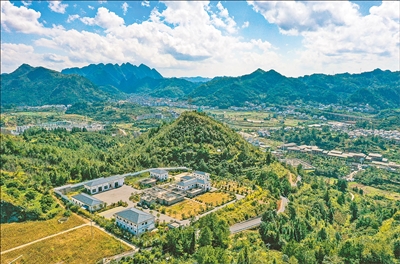
Core Points - The government has implemented rural water supply projects to address water scarcity issues in rural areas, significantly improving access to clean water for residents [1][2][3] - The projects include the construction and upgrading of water supply facilities, with a focus on long-term management and maintenance to ensure sustainability [1][3] Group 1: Project Implementation - In Wuqi County, 7.5 million yuan has been invested to construct eight rural water supply projects, including the Yangpanzi centralized water supply project, which serves 30 households and 196 people [1] - The Qinghuabian Pump Station has undergone upgrades to improve water flow and pressure, benefiting 426 households and 1,640 individuals in the surrounding villages [2] Group 2: Overall Impact - The rural water supply initiative is part of the city's "Top Ten Livelihood Projects," aiming to build or upgrade 100 water supply facilities to benefit 100,000 rural residents [3] - As of now, 78.53 million yuan has been invested, enhancing water supply security for 76,200 rural residents, with plans to increase the scale of water supply coverage from 28.80% to 33.4% by the end of the year [3]
山东:严肃查处农村供水领域作风和腐败问题
Zhong Yang Ji Wei Guo Jia Jian Wei Wang Zhan· 2025-11-26 04:10
Core Viewpoint - The Shandong provincial government is prioritizing rural water supply quality improvement and high-quality development, with a focus on addressing corruption and inefficiencies in the sector [1][2][4] Group 1: Supervision and Accountability - The Shandong Provincial Commission for Discipline Inspection and Supervision is enhancing oversight in rural water supply, integrating political supervision to address corruption and inefficiencies [1][2] - A collaborative mechanism involving various departments is being established to ensure effective supervision and accountability in rural water supply management [2][4] - Specific measures have been implemented to monitor and improve water supply infrastructure, including the renovation of outdated pipelines in 34 villages [1][4] Group 2: Addressing Issues and Complaints - The local disciplinary inspection bodies are actively investigating complaints regarding water supply issues, such as high water fees and inadequate service [3][4] - A case was identified where a local water authority official was found guilty of illegally collecting high water fees, leading to disciplinary actions [3] - The Shandong disciplinary inspection agencies are focusing on resolving urgent public concerns related to water supply, ensuring that complaints are addressed effectively [2][3] Group 3: Infrastructure and Quality Improvement - The provincial government has initiated actions to enhance rural water supply capabilities, including upgrading water supply facilities and establishing a comprehensive water quality monitoring system [4] - Significant infrastructure improvements have been made, including the construction of 155 new or renovated water plants and the installation of 16,400 kilometers of main pipelines [4] - The emphasis is on creating a transparent pricing mechanism for water supply, ensuring that water prices are fair and regulated [4]
山东在全国首创“以电鉴水”改革,破解农村供水管理难题
Da Zhong Ri Bao· 2025-11-25 01:07
Core Viewpoint - Shandong province has pioneered the "Electricity to Water" reform to address rural water supply management challenges, enabling data sharing between water and electricity systems for improved governance and efficiency [2][4]. Group 1: Challenges in Rural Water Supply - Traditional management models face limitations, with 8.6 million natural villages and a population of 72.62 million relying on rural water networks in Shandong [3]. - Issues such as undetected underground water pipe leaks and low-frequency manual inspections hinder effective monitoring of water supply facilities [3]. - The lack of real-time data on water usage leads to regulatory blind spots, making it difficult to identify anomalies in water consumption [3]. Group 2: Innovative Solutions - The "Electricity to Water" mechanism integrates data from the electricity and water sectors, allowing for real-time monitoring and anomaly detection [4][5]. - The initiative includes the establishment of a unified "one household, one code" database to track water and electricity usage, enhancing operational efficiency [6]. - Pilot projects in Dezhou demonstrate the effectiveness of this model, with real-time monitoring of equipment leading to improved water quality management [5]. Group 3: Implementation and Future Plans - The reform will be implemented in two phases, with pilot projects in 12 counties by mid-2026, followed by a broader rollout across the province [7]. - The initiative aims to create a "water-electricity family" service station to provide convenient services and monitor usage for vulnerable groups [7]. - The ultimate goal is to establish industry standards for the "Electricity to Water" model and expand its application to other sectors [7].
【环球财经】俄劳动力短缺降至2023年水平
Xin Hua Cai Jing· 2025-11-24 00:40
Core Insights - The labor shortage issue in Russia has eased, with the personnel supply rate dropping to -25.7 points in Q3, returning to 2023 levels [1] - The agricultural and water supply sectors continue to face the most severe labor shortages [1] - The Central Bank of Russia predicts that by the end of 2025, companies will tighten their hiring plans and be more cautious in assessing the need for new employees [1] - Employers are adopting a more cautious approach to salary increases, with plans to raise salaries by only 0.8% in Q4, primarily targeting specific skilled professionals [1] - Most companies are not considering adjustments to the salaries of all employees at this time [1] - The Russian labor market is expected to be overheated in 2024, with unemployment rates hitting historical lows [1] - As economic growth slows, the demand for labor is decreasing [1]