
汽车租赁

Search documents
今年“双节”出行或再现历史峰值
Zheng Quan Shi Bao· 2025-09-28 18:26
Group 1: Travel Demand Forecast - The upcoming 8-day holiday is expected to see a significant increase in travel demand, with an estimated 2.36 billion trips, averaging about 295 million trips per day, representing a 3.2% increase compared to the same period last year [1] - Domestic tourism is projected to be strong, with popular cities like Shanghai, Chengdu, Beijing, Guangzhou, Xi'an, Hangzhou, Nanjing, and Chongqing expected to exceed last year's tourism levels [1] - Outbound travel is also anticipated to rise significantly, particularly to Japan, South Korea, and Southeast Asian countries [1] Group 2: Transportation Modes - Self-driving is expected to be the primary mode of travel, with an estimated 1.87 billion trips, accounting for about 80% of total travel [1] - The peak travel day is predicted to be October 1, with a potential single-day passenger flow exceeding 340 million, marking a historical peak [1] - The railway sector anticipates over 219 million passengers during the holiday, with an average of 13,000 trains operating daily, sending approximately 18.25 million passengers each day [2] Group 3: Aviation Sector Insights - The civil aviation market is expected to reach 19.2 million passengers during the holiday, a 3.6% increase from last year, setting a record for the same period [3] - The last two days of the holiday are expected to see the highest passenger flow, potentially reaching or exceeding the historical peak of 2.56 million passengers in a single day [3] - Major air travel routes between key urban areas like Beijing, Shanghai, Guangzhou, Chengdu, and others are expected to see significant passenger volume, with total throughput exceeding 17 million passengers [3] Group 4: Express Delivery Trends - As of September 27, the total number of express packages collected this year reached 143.27 billion, with an average of over 530 million packages per day [4] - The collection volume has notably increased in September, averaging 557 million packages daily, with peak days exceeding 600 million packages [4]
拓展服务范围、提供免押金租车……交通运输部多举措满足假期租车出行需求
Zhong Guo Xin Wen Wang· 2025-09-28 05:45
拓展服务范围、提供免押金租车……交通运输部多举措满足假期租车出行需求 中新网9月28日电 国新办28日上午就中秋国庆假期交通运输服务保障有关情况举行新闻发布会。会上, 交通运输部副部长李扬介绍,现在租车自驾旅游已经成为假期出行的一种选择,预计今年中秋、国庆假 期自驾出行需求将会有两位数以上的增长。为了更好满足假期租车出行需求,交通运输部采取了五方面 的措施: 一是针对大家当前租车的痛点,推动异地还车免费或降费。引导各地和重点企业在京津冀、长三角、粤 港澳大湾区、成渝等城市群,长株潭、厦漳泉、西安、南京、成都、重庆、杭州等热点都市圈,以及青 甘大环线、川藏线等热门旅游线路沿线城市间,提供异地还车服务,扩大免费或低费还车区域范围,降 低大家异地还车费用。 二是保障车辆供应。指导重点企业优化车辆调配供应,重点加强一线城市、热门自驾线路沿线城市,以 及重要的机场、高铁站等地车辆投放。交通运输部这次特别要求企业增加投放车龄3年以下的新车,目 的就是要确保出行安全和出行好的体验。针对家庭出行,交通运输部还要求重点租赁企业为携带儿童的 承租人提供儿童座椅和增高垫,服务家庭"亲子游"出行。 三是拓展"高铁/民航+落地租车"服 ...
连续8天,免费通行
Zhong Guo Zheng Quan Bao· 2025-09-28 05:12
Core Insights - The upcoming Mid-Autumn and National Day holidays are expected to see a significant increase in travel, with an estimated 2.36 billion trips across the country, reflecting a 3.2% increase compared to the same period last year [2][6] - Self-driving remains the dominant mode of transportation, accounting for approximately 80% of total travel, with an expected 1.87 billion self-driving trips [2][3] Transportation Measures - The Ministry of Transport will implement five key measures to ensure smooth self-driving and rental car travel during the holidays [2][3] - Promote free or reduced fees for returning rental cars in different locations, especially in major urban areas and popular tourist routes [2][3] - Ensure vehicle supply by optimizing vehicle allocation in major cities and key transport hubs [3] - Expand the "high-speed rail/air + rental car" service to facilitate seamless travel for passengers arriving at airports and train stations [3] - Provide convenient services such as deposit-free rentals and flexible vehicle return options to enhance customer experience [3] - Ensure vehicle safety by conducting thorough inspections and collaborating with service providers for emergency assistance [3][4] Railway and Aviation Projections - The railway sector anticipates a record high of over 219 million passengers during the holidays, with an average of 13,000 trains operating daily [6] - The civil aviation sector expects passenger transport to reach 19.2 million, marking a 3.6% year-on-year increase, also setting a historical record for this period [6]
假期租车自驾游火热,交通运输部:推动异地还车免费或降费
Nan Fang Du Shi Bao· 2025-09-28 04:21
Core Points - The Ministry of Transport anticipates a significant increase in self-driving travel demand during the Mid-Autumn and National Day holidays, with expected growth exceeding double digits [1] - Measures have been introduced to address pain points in car rental services, including promoting free or reduced fees for returning rental cars in different locations [1][2] Group 1: Measures to Enhance Car Rental Services - The Ministry of Transport is guiding key enterprises to optimize vehicle allocation, focusing on major cities, popular self-driving routes, and important transportation hubs like airports and high-speed rail stations [2] - There is a push for rental companies to increase the supply of new cars (less than three years old) to ensure safety and enhance the travel experience [2] - The Ministry is expanding the "high-speed rail/airline + rental car" service, aiming for seamless vehicle access at major airports and train stations for travelers [2] Group 2: Customer Convenience Initiatives - Initiatives such as deposit-free rentals, home delivery of vehicles, and flexible return options are being promoted to enhance customer convenience [2] - The Ministry encourages rental companies to provide upgraded vehicles at no extra cost if the reserved vehicle is unavailable, thereby reducing rental costs for customers [2] Group 3: Safety and Quality Assurance - The Ministry mandates strict vehicle performance checks to ensure safety and reliability for rental cars [3] - Collaboration with service providers for emergency assistance is being emphasized to improve response times for roadside assistance [3] - The Ministry aims to enhance the overall rental experience by requiring platforms to offer better, safer, and more convenient travel solutions during the holiday period [3]
交通运输部副部长:推动租车异地还车免费或降费,提供儿童座椅
Xin Jing Bao· 2025-09-28 03:48
Core Insights - The Ministry of Transport predicts that during the Mid-Autumn Festival and National Day holiday, there will be 1.87 billion self-driving trips, accounting for nearly 80% of total travel volume [1] - During peak periods, highway traffic is expected to reach 70 million vehicles, with 14 million of those being new energy vehicles [1] Group 1: Transportation Services - The Ministry of Transport will promote free or reduced fees for returning rental cars in different locations to accommodate the high demand for self-driving travel [1] - Measures will include optimizing vehicle booking and return processes, offering "credit-free rental" options, and providing services such as door-to-door vehicle delivery and flexible return hours [1] Group 2: Vehicle Supply and Safety - Key enterprises will be guided to optimize vehicle allocation, focusing on major cities, popular self-driving routes, and important transportation hubs like airports and high-speed rail stations [2] - There is a requirement for rental companies to increase the supply of vehicles that are less than three years old to ensure safety and enhance the travel experience [2] - Rental companies are also instructed to provide child safety seats and booster seats for families traveling with children [2]
【车市观察】别让“以租代购”异化为卖车歪道
Zheng Quan Shi Bao· 2025-09-25 18:29
Core Viewpoint - The rise of "rent-to-own" models in the car rental industry has led to consumer complaints about misleading practices and difficulties in returning vehicles, highlighting a significant information asymmetry between rental companies and consumers [1][2]. Group 1: Business Practices - Some car rental companies are promoting "rent-to-own" schemes that appear flexible but often involve hidden traps for consumers, leading to challenges in returning vehicles and enforcing rights [1][2]. - The "rent-to-own" model is essentially a disguised installment payment plan for purchasing vehicles, where rental companies use persuasive tactics to get consumers to sign agreements that may not be honored later [1][2]. Group 2: Consumer Rights and Protections - Consumers face significant obstacles when attempting to return vehicles or seek redress, as contracts are heavily skewed in favor of the rental companies, making it difficult to win legal battles [2][3]. - There is a pressing need for consumers to be cautious and informed, emphasizing the importance of thoroughly reviewing contracts and understanding vehicle conditions to avoid falling into traps [2]. Group 3: Regulatory and Legal Framework - There is a call for regulatory bodies to implement special measures to address the deceptive practices associated with "rent-to-own" schemes, including standardizing contracts and enhancing consumer legal literacy [3]. - Legal action should be taken against companies engaging in fraudulent practices, ensuring that victims of such schemes receive support and that violators face consequences [3].
【车市观察】 别让“以租代购” 异化为卖车歪道
Zheng Quan Shi Bao· 2025-09-25 18:15
Core Viewpoint - The rise of "rent-to-own" models in the car rental industry has led to consumer complaints about misleading practices and difficulties in returning vehicles, highlighting a significant information asymmetry between rental companies and consumers [1][2]. Group 1: Consumer Experience - Many consumers have reported encountering traps when engaging with car rental companies that promise flexible terms but impose numerous restrictions during the rental and return processes [1]. - The "rent-to-own" model is essentially a disguised installment payment plan for purchasing a vehicle, where rental companies often mislead consumers into signing agreements with false promises of easy returns [1][2]. - Consumers are often left with limited options for recourse when they wish to return vehicles, facing numerous obstacles due to contracts heavily favoring the rental companies [2]. Group 2: Business Practices - Some rental companies exploit the "rent-to-own" model for profit, using deceptive language to mislead consumers and embedding protective clauses in contracts that infringe on consumers' rights [2][3]. - The practices observed indicate a premeditated design by rental companies to benefit themselves at the expense of uninformed consumers, leading to significant financial losses for renters [2][3]. Group 3: Regulatory and Legal Perspectives - There is a pressing need for regulatory bodies to implement special measures to address the deceptive practices associated with "rent-to-own" agreements, including standardizing contracts to protect consumer rights [3]. - Enhancing consumer awareness through legal education and actively addressing complaints can help mitigate the risks associated with these rental agreements [3]. - Legal action should be taken against companies engaging in fraudulent practices, ensuring that victims of such schemes receive support and that violators face consequences [3].
国庆长假来临 带火租赁消费
Sou Hu Cai Jing· 2025-09-25 13:30
Group 1: Car Rental Industry - The car rental business is experiencing a surge in demand as the National Day holiday approaches, with many customers opting for rentals for convenience during travel [3] - Popular rental choices include SUVs and business vehicles, with a significant increase in the proportion of new energy vehicles being rented [3] - A notable trend is that many tourists are renting cars for extended periods, often six to seven days, indicating a preference for self-driving tours [3] Group 2: Drone Rental Market - The rental of drones for photography has become a fashionable trend among young travelers, with affordable daily rental rates [4] - Many individuals are choosing to rent drones instead of purchasing them, as they may only use them a few times a year, thus saving costs while fulfilling their desire for unique photography [4] - The majority of rentals are for micro drones, which do not require certification, making them accessible for personal use [4] Group 3: Wedding Dress Rental Sector - The wedding dress rental market is thriving during the peak wedding season, with many couples opting to rent dresses for their ceremonies [5] - Renting wedding attire allows couples to access higher-quality options within the same budget, while avoiding the hassle of maintenance and storage associated with ownership [5] - The trend indicates a shift towards a "buying + renting" mindset, revitalizing the consumer market as more people embrace rental services for special occasions [5]


汽车“以租代购”宣称低门槛、实则套路多,所谓便利背后隐藏哪些风险?
Yang Guang Wang· 2025-09-25 13:19
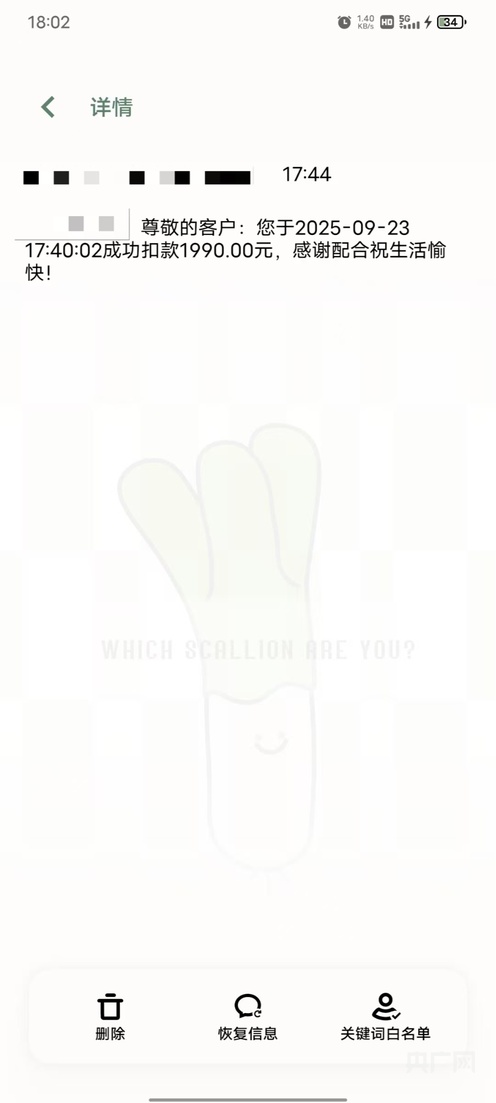
Core Viewpoint - The article highlights the emerging "rent-to-own" model in the car rental industry, which appears to lower the barriers for consumers but conceals significant risks and hidden fees within the contracts [1][12]. Group 1: Consumer Experiences - A consumer, Mr. Lu, reported issues with a car rental platform where he faced unexpected fees and difficulties in returning the vehicle, despite being promised a straightforward process [1][4]. - The discrepancies between the loan amounts reported by the car purchase platform and the credit system raised concerns, with the platform showing a loan of 119,400 yuan while the credit system indicated only 84,118 yuan [4][6]. - Consumers are often left with high debts and complicated processes when attempting to exit these agreements, as seen in Mr. Lu's case where he was charged various fees despite not having the vehicle [1][8]. Group 2: Industry Practices - The "rent-to-own" model is being adopted by various companies, with one company offering a new car for 15,000 yuan after three years of monthly payments of around 4,000 yuan [1][7]. - Industry insiders indicate that the model carries high risks, particularly with inflated loan amounts compared to market prices, leading to potential financial burdens for consumers [8][12]. - The contracts often contain complex terms that can be exploited, making it difficult for consumers to understand their rights and obligations [12]. Group 3: Legal and Regulatory Insights - Legal experts note that the "rent-to-own" contracts blend leasing and sales agreements, which can lead to misunderstandings and exploitation if not properly regulated [12]. - Authorities have identified fraudulent practices within the industry, including scams that involve misleading advertisements and inflated vehicle prices, resulting in significant financial losses for consumers [10][11]. - Recommendations for consumers include verifying the legitimacy of companies, understanding contract terms, and ensuring that verbal promises are documented [12].
神州租车南宁机场火车站双网点同步启用,为国庆租车自驾热添保障
Zhong Guo Qi Che Bao Wang· 2025-09-24 09:04
Group 1 - The domestic self-driving travel market is expected to experience a new wave of growth during the upcoming National Day holiday in 2025, with Shenzhou Car Rental launching two key service points in Nanning [1] - The new service points at Nanning Wuxu International Airport T2 terminal and Beihai Railway Station provide efficient "pick-up within ten minutes of arrival" service, enhancing the travel experience for holiday travelers [1] - Shenzhou Car Rental's Nanning branch has established a comprehensive service network covering all prefecture-level cities in Guangxi, with a total of 125 operational points as of September 2025 [1] Group 2 - As the National Day holiday approaches, Shenzhou Car Rental's Nanning branch has initiated a holiday guarantee plan to offer convenient, safe, and diverse self-driving services [2] - Vehicle booking rates for the holiday period are reported to be nearly explosive, with new energy models like the Wenjie M7, Lantu Dreamer, and BYD Qin PLUS particularly popular among customers [2] - Tourists planning to visit Guangxi during the National Day holiday are advised to plan their trips early and book vehicles through the official app or physical stores to ensure smooth travel plans [2]