租赁消费

Search documents
母婴、数码、美妆…万物皆可租!租赁经济快速增长,多品类开花
Sou Hu Cai Jing· 2025-10-21 13:02
Core Insights - The rental economy has experienced rapid growth this year, showcasing a diverse range of categories that are emerging as new growth points in the rental market [1][2]. Group 1: Market Trends - Consumers are increasingly opting for rental products, with a notable shift towards shorter rental durations; short-term rentals now account for 90% of the rental business, up from a 50-50 split between long-term and short-term rentals [1]. - Popular rental categories such as baby products, drones, and cameras have seen growth rates exceeding 400% in the past two years [1]. Group 2: Consumer Behavior - The rental market has expanded beyond traditional categories like housing and vehicles to include apparel, beauty products, digital devices, and baby products, reflecting a trend of diversification [2]. - The demographic of renters is shifting, with over 70% of renters being from the "post-95" generation, indicating a change in values and lifestyle preferences that prioritize usage over ownership [2].
解好租赁消费热带来的新问题
Jing Ji Ri Bao· 2025-10-11 00:38
Group 1 - The core viewpoint is that the rental consumption trend is gaining popularity among younger generations, particularly those born in the 1990s and 2000s, driven by a desire for cost-effectiveness and experiential value [1][2] - In August 2023, the search volume for "camera rental," "wedding dress rental," and "children's stroller rental" increased by 63%, 109%, and 165% year-on-year, indicating a significant shift in consumer behavior towards renting rather than owning [1] - The rental economy in China is projected to exceed 4.2 trillion yuan in transaction volume in 2024, reflecting a year-on-year growth of 32%, showcasing the market's potential [2] Group 2 - The transformation in consumer philosophy has opened up opportunities in the rental market, but challenges such as product discrepancies, contract traps, and difficulties in after-sales service need to be addressed [2] - As the rental market expands and diversifies, there is a need for standardization, which includes transparent contracts, regulated processes, and efficient after-sales support [2] - Companies should innovate their service models to meet the evolving demands of consumers, such as offering personalized rental plans and integrating rental services with other industries like tourism and health [3]
听·见丨“万物皆可租”?年轻人的选择也是市场契机
Sou Hu Cai Jing· 2025-10-05 13:17
Core Insights - The rental consumption trend among young consumers is rapidly growing, with a significant increase in demand for digital products during the recent holiday season [1][3] - The 3C digital product rental market in China reached a scale of 26.91 billion yuan in 2024, with 63.5% of consumers aged 20-30 preferring to rent [3] - The rental economy is expanding beyond housing into various sectors such as digital products, clothing, and beauty, with a notable 600% increase in demand for portable sports cameras [3][4] Market Dynamics - The rental business has experienced explosive growth this year, particularly in the travel photography segment, indicating a shift in consumer behavior towards renting rather than owning [3] - Young consumers are increasingly adopting a "renting" mindset, allowing them to experience high-quality products at a lower cost, thus avoiding waste from infrequent use [3][4] - The trend reflects a broader change in consumption values, where experiences are prioritized over ownership, showcasing a more mature and rational consumer mindset [4] Challenges and Future Outlook - Despite the market's growth, issues of trust and regulation remain critical challenges for the rental industry, necessitating clearer standards and better oversight [4][5] - The transition to a more reliable and efficient rental economy is just beginning, indicating potential for further market development and consumer engagement [5]


国庆长假来临 带火租赁消费
Sou Hu Cai Jing· 2025-09-25 13:30
Group 1: Car Rental Industry - The car rental business is experiencing a surge in demand as the National Day holiday approaches, with many customers opting for rentals for convenience during travel [3] - Popular rental choices include SUVs and business vehicles, with a significant increase in the proportion of new energy vehicles being rented [3] - A notable trend is that many tourists are renting cars for extended periods, often six to seven days, indicating a preference for self-driving tours [3] Group 2: Drone Rental Market - The rental of drones for photography has become a fashionable trend among young travelers, with affordable daily rental rates [4] - Many individuals are choosing to rent drones instead of purchasing them, as they may only use them a few times a year, thus saving costs while fulfilling their desire for unique photography [4] - The majority of rentals are for micro drones, which do not require certification, making them accessible for personal use [4] Group 3: Wedding Dress Rental Sector - The wedding dress rental market is thriving during the peak wedding season, with many couples opting to rent dresses for their ceremonies [5] - Renting wedding attire allows couples to access higher-quality options within the same budget, while avoiding the hassle of maintenance and storage associated with ownership [5] - The trend indicates a shift towards a "buying + renting" mindset, revitalizing the consumer market as more people embrace rental services for special occasions [5]

这些年轻人为何偏爱“租赁消费”
Ren Min Ri Bao· 2025-09-17 21:57
Core Insights - The trend of rental consumption is rapidly growing among young consumers, with a focus on experiences over ownership [2][3] - Diverse rental demands are evident, with significant year-on-year increases in searches for various rental categories, indicating a broadening of rental applications [2] - The rental market is expanding quickly, leading to both opportunities and challenges, including consumer rights disputes and the need for regulatory frameworks [2][3] Group 1: Rental Market Trends - Young consumers, particularly those born in the 1990s and 2000s, are becoming the main force in rental consumption, prioritizing experience and cost-effectiveness [2] - Search volume for rental categories has seen substantial growth: camera rentals up 63%, wedding dress rentals up 109%, drone rentals up 89%, and children's stroller rentals up 165% [2] - Businesses are adapting to consumer needs by offering bundled rental packages, such as travel photography kits and camping sets, reflecting a trend towards "scenario-based rentals" [2] Group 2: Challenges and Recommendations - The rapid growth of the rental market has led to increased consumer disputes, highlighting the need for a governance system involving government, platforms, businesses, and consumers [2] - Experts recommend that companies should standardize services to ensure transparency and enhance user experience, while consumers should engage in transactions on reputable platforms and be vigilant about agreements and item conditions [3]
年轻人为何偏爱“租赁消费”?
Sou Hu Cai Jing· 2025-09-11 19:15
Core Viewpoint - The rental economy is rapidly growing in China, driven by a shift in consumer preferences among young people who favor "usage over ownership" and seek flexible, cost-effective solutions for various products and services [2][4][5]. Group 1: Market Growth and Trends - The rental economy in China is projected to exceed 4.2 trillion yuan in transaction volume by 2024, representing a 32% year-on-year growth, with over 750 million users [2]. - Diverse rental demands are evident, with significant increases in search volumes for camera rentals (63%), wedding dress rentals (109%), and children's stroller rentals (165%) in August [2]. - The rental market has expanded from traditional categories like housing and vehicles to include apparel, beauty products, digital devices, and baby products, showcasing a trend towards diversification and digital services [3][4]. Group 2: Young Consumers as Key Drivers - Young consumers, particularly those born in the 1990s and 2000s, are becoming the main force in the rental market, emphasizing experiences over ownership and valuing cost-effectiveness and environmental considerations [5]. - The concept of "shared wardrobes" is gaining popularity among young people, allowing them to access a variety of clothing styles at a lower cost, thus freeing up space at home [4]. Group 3: Challenges and Recommendations - The rapid expansion of the rental market has led to increased consumer disputes and challenges such as unclear contracts and damage assessments [6]. - Experts suggest establishing a multi-stakeholder governance system involving government, platforms, businesses, and consumers to regulate the rental market effectively [6]. - Recommendations include enhancing service standards, ensuring transparency in contracts, and exploring innovative business models like "rental + subscription" to meet diverse consumer needs [6].
财经聚焦 | 这些年轻人为何偏爱“租赁消费”?
Xin Hua She· 2025-09-10 09:59
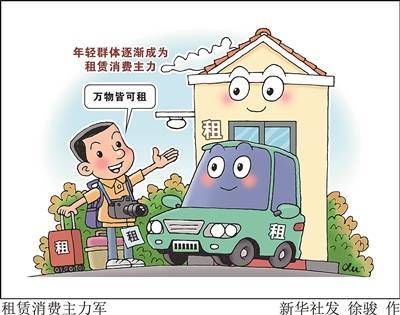
Core Viewpoint - The rental economy is rapidly expanding in China, driven by a shift in consumer preferences among young people who favor "usage over ownership" and seek flexibility in their consumption habits [1][3][4]. Group 1: Rental Market Growth - The rental economy in China is projected to exceed 4.2 trillion yuan in transaction volume by 2024, marking a 32% year-on-year increase, with over 750 million users served [1]. - The demand for diverse rental services is evident, with significant year-on-year growth in searches for various rental categories, such as camera rentals (63%), wedding dress rentals (109%), and children's stroller rentals (165%) [2]. - The rental market has diversified beyond traditional categories like housing and vehicles to include clothing, beauty products, digital devices, and outdoor equipment, reflecting a trend towards "variety, digital services, and quality demand" [2][3]. Group 2: Young Consumers as Key Drivers - Young consumers, particularly those born in the '90s and '00s, are becoming the main force in the rental market, emphasizing experiences over ownership and valuing cost-effectiveness and environmental considerations [3][4]. - Platforms like "芝麻租赁" reported a 71.6% increase in transaction volume in the first half of the year, with users under 30 accounting for over 60% of orders, and "00后" users seeing a twofold increase in orders [3]. - The trend of "scene-based rentals" is gaining popularity, with businesses offering bundled rental packages for specific activities, catering to the experiential needs of young consumers [3]. Group 3: Challenges and Recommendations - The rapid growth of the rental market has led to increased consumer disputes and challenges such as unclear contracts and damage assessments [6]. - Experts suggest establishing a multi-stakeholder governance system involving government, platforms, businesses, and consumers to regulate the rental market effectively [6]. - Recommendations include enhancing service standardization, ensuring transparency in rental processes, and exploring innovative business models like "rental + subscription" to meet diverse consumer needs [6].
财经聚焦丨这些年轻人为何偏爱“租赁消费”?
Xin Hua Wang· 2025-09-10 09:28
Core Insights - The rental economy is rapidly expanding in China, with a projected transaction scale exceeding 4.2 trillion yuan in 2024, representing a 32% year-on-year growth, and serving over 750 million users [3][4] - Young consumers are increasingly favoring rental consumption over ownership, driven by a desire for flexibility and cost savings [5][6] Group 1: Market Trends - The rental market has diversified beyond traditional categories like housing and vehicles to include clothing, beauty products, digital devices, and outdoor equipment, showcasing a trend of "diversified categories, digital services, and quality demand" [4][6] - Data from Meituan indicates a significant increase in rental demand across various categories, with searches for "camera rental" up 63%, "wedding dress rental" up 109%, and "children's stroller rental" up 165% in August [3][6] Group 2: Consumer Behavior - Young consumers, particularly those under 30, are becoming the primary drivers of the rental market, with over 60% of transactions on platforms like Zhima Rental coming from this demographic [6][7] - The shift in consumer mindset emphasizes experience over ownership, with many young individuals opting for rental services to meet their needs without the burden of ownership [5][6] Group 3: Challenges and Recommendations - The rapid growth of the rental market has led to increased consumer disputes and challenges, such as unclear contracts and damage assessments [7][8] - Experts suggest the establishment of a multi-stakeholder governance system involving government, platforms, businesses, and consumers to regulate the rental market effectively [8]